Imagine having your favorite fruits last for months without losing their flavor or nutrients. Sounds like magic, right?
Freeze-dried fruit can make this dream a reality. You might wonder how to create these crunchy, tasty snacks right in your own kitchen. Whether you want to enjoy summer berries in the middle of winter or find a healthy snack alternative, learning how to make freeze-dried fruit could be your game-changer.
This article will guide you step-by-step, showing you how simple it can be. Don’t miss out on discovering the secrets to preserving fruit in a way that keeps it delicious and nutritious. Your taste buds and pantry will thank you!
Credit: practicalselfreliance.com
Choosing The Right Fruit
Choosing the right fruit is key to making great freeze dried snacks. Some fruits hold their flavor and texture better after freeze drying. The fruit should be fresh, ripe, and firm to get the best results. Overripe or damaged fruit might not dry well and could spoil.
Each fruit has a unique water content and structure. These factors affect how well they freeze dry and taste afterward. Picking the right fruit ensures the freeze dried pieces stay tasty and crunchy. It also helps keep the natural color and nutrients intact.
Best Fruits For Freeze Drying
- Strawberries
- Blueberries
- Apples
- Bananas
- Pineapple
- Mango
- Peaches
- Cherries
These fruits freeze dry well due to their texture and sugar content. Fruits with high water content like watermelon are not ideal. They lose shape and become mushy after freeze drying.
Preparing Fruit For Drying
Wash the fruit thoroughly to remove dirt and pesticides. Remove seeds, pits, and stems. Slice the fruit into even pieces for uniform drying. Thinner slices dry faster and more evenly.
Blanching some fruits like apples can preserve color and flavor. Pat the fruit dry with a clean towel. Avoid wet or damp fruit to prevent clumping during freeze drying.
Freeze Drying Methods
Freeze drying preserves fruit by removing moisture while keeping flavor and nutrients. This process uses low temperature and pressure to turn ice inside fruit directly into vapor. Several ways exist to freeze dry fruit, ranging from professional equipment to simple home techniques. Each method has unique steps, costs, and results.
Using A Home Freeze Dryer
A home freeze dryer offers a straightforward way to make freeze dried fruit. These machines freeze the fruit quickly and then lower pressure to remove moisture. The process keeps fruit shape and taste very well.
Using a home freeze dryer involves these steps:
- Wash and cut fruit into small pieces.
- Place fruit on trays inside the machine.
- Set the machine to freeze dry cycle.
- Wait several hours for the machine to finish.
- Store the dry fruit in airtight containers.
Home freeze dryers are easy to use but can be expensive. The results are high quality and last long without refrigeration.
Diy Freeze Drying Techniques
DIY freeze drying uses basic tools and household items. It takes longer and may not remove all moisture. Still, it works for preserving small amounts of fruit.
One common DIY technique is using a freezer and vacuum seal bags:
- Cut fruit into thin slices.
- Freeze fruit completely in a deep freezer.
- Place frozen fruit in vacuum seal bags.
- Use a vacuum sealer to remove air from bags.
- Store sealed bags in the freezer until use.
This method slows moisture loss but keeps fruit edible for months. It is less effective than a freeze dryer but budget-friendly and simple.
Step-by-step Freeze Drying Process
Freeze drying fruit is a fascinating process that preserves flavor, nutrients, and texture in a way that few other methods can match. The process removes moisture from the fruit by freezing it and then slowly reducing the surrounding pressure, allowing the frozen water in the fruit to sublimate directly from ice to vapor. Understanding each step helps you achieve the best results and maintain the natural taste and color of your fruit.
Cleaning And Cutting Fruit
Start by washing your fruit thoroughly to remove dirt, pesticides, and any residues. Clean fruit ensures that your final product is safe and tastes fresh.
Next, cut the fruit into uniform pieces. Smaller pieces dry more evenly and quickly, preventing mushy or partially dried spots.
Think about the fruit’s water content; berries might be left whole, but apples and pears should be sliced thin. This step impacts the freeze drying efficiency and the quality of the final product.
Pre-freezing Tips
Freeze your fruit pieces before placing them in the freeze dryer. A solid freeze at around -40°F (-40°C) helps maintain the fruit’s structure during drying.
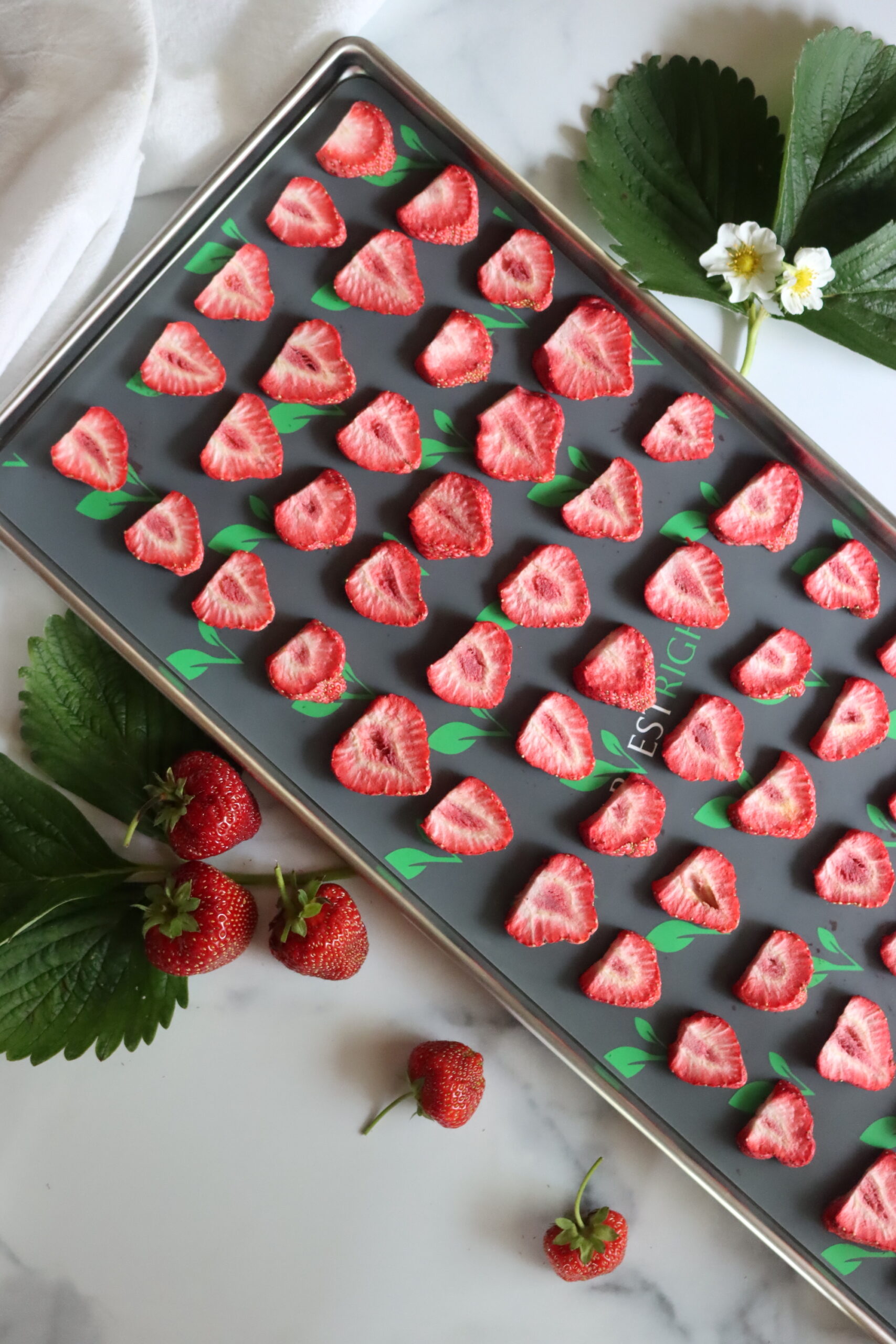
Lay the fruit out on a baking sheet without overlapping to prevent clumping. This also speeds up the drying process and makes it more uniform.
Have you ever noticed how ice crystals form differently in slow vs. fast freezing? Quick freezing creates smaller crystals that protect the fruit’s texture better, so try to freeze as fast as possible.
Freeze Drying Cycle
Once pre-frozen, load the fruit into your freeze dryer trays, spreading pieces evenly. Close the machine and start the freeze drying cycle.
The machine lowers the pressure and gently warms the fruit, allowing ice to sublimate directly into vapor. This process can take anywhere from 20 to 40 hours, depending on the fruit and machine.
Keep an eye on the cycle’s progress. Some freeze dryers have sensors to signal when drying is complete, but if yours doesn’t, testing the fruit’s dryness by touch can help you decide.
Storage And Packaging
After freeze drying, your fruit is light, crisp, and moisture-free. To keep it that way, store it in airtight containers immediately.
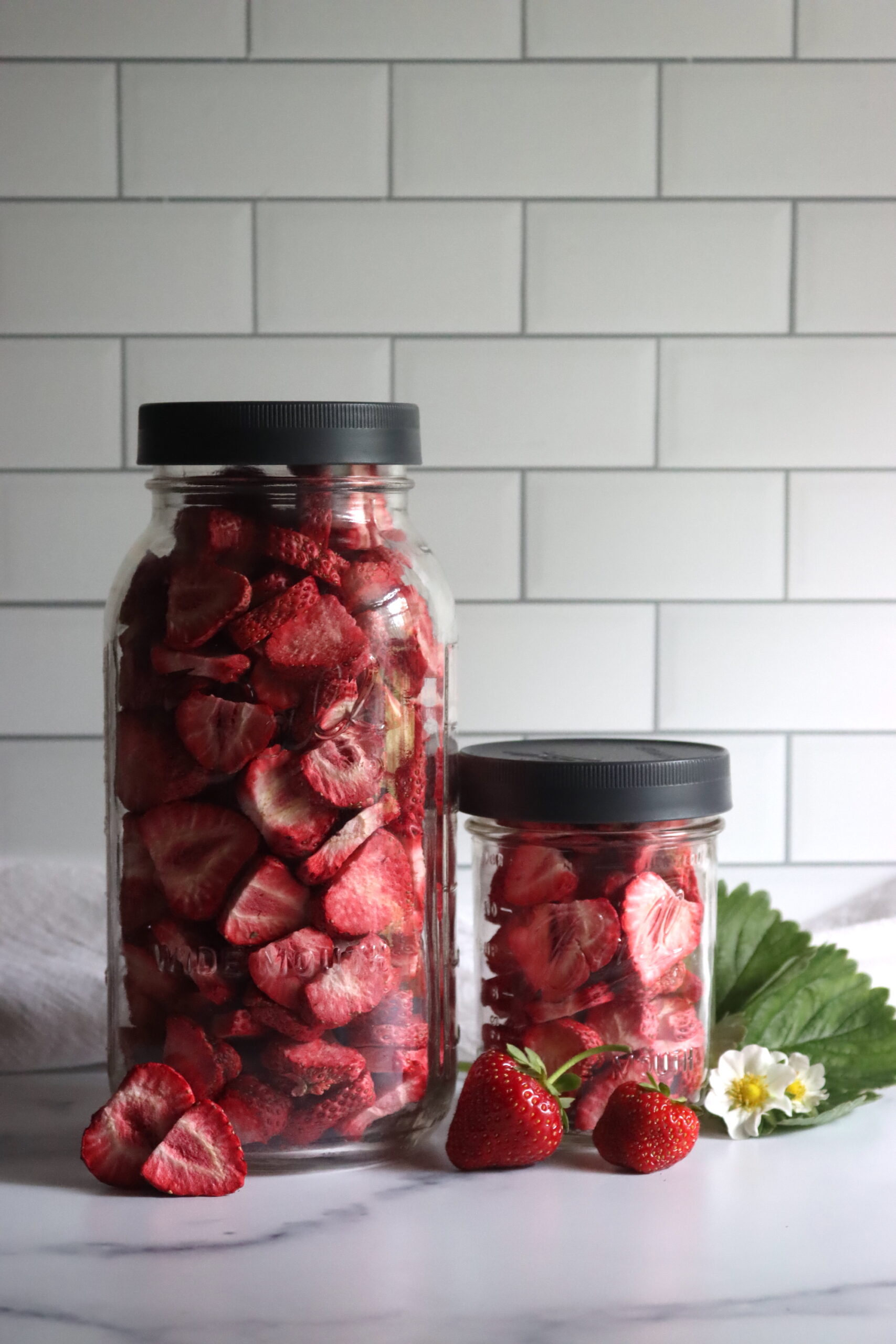
Use vacuum-sealed bags or jars with oxygen absorbers to extend shelf life and preserve flavor. Store in a cool, dark place to avoid any deterioration.
Have you tried tasting freeze dried fruit weeks after making it? The flavor often intensifies, making storage more than just practical—it’s part of the experience.
Maintaining Quality And Flavor
Maintaining the quality and flavor of freeze-dried fruit is essential to enjoy its natural taste and nutritional benefits long after the drying process. The key lies in careful handling during and after freeze drying to keep moisture, nutrients, and oxidation at bay. Let’s break down how you can protect these important elements for the best results.
Avoiding Moisture
Moisture is the biggest enemy of freeze-dried fruit. Even a small amount can cause the fruit to become soggy and lose its crisp texture. To prevent this, store your freeze-dried fruit in airtight containers with moisture-absorbing packets.
Think about how your kitchen feels after a rainstorm—humid and damp. That’s exactly what you want to avoid with your dried fruit. Using vacuum-sealed bags or containers in a cool, dry place keeps moisture away and extends shelf life.
Preserving Nutrients
Freeze drying does a great job preserving nutrients, but improper handling can reduce their benefits. Avoid exposing fruit to heat or direct sunlight after drying, as this can degrade vitamins.
Consider packaging your fruit in opaque containers that block light. Also, try to consume your freeze-dried fruit within a reasonable timeframe to enjoy the maximum nutrient content. Have you noticed how fresh fruit tastes different after sitting out? The same applies here.
Preventing Oxidation
Oxidation causes discoloration and off-flavors, ruining the fruit’s appeal. To combat this, remove as much air as possible from storage containers. Oxygen absorbers can be a game changer here.
Sealing freeze-dried fruit immediately after the process prevents exposure to air. Ever opened a bag of chips and noticed they go stale fast? The same principle applies—oxygen speeds up spoilage. Keeping air out keeps your fruit fresh and flavorful.
Creative Uses For Freeze Dried Fruit
Freeze dried fruit is not only tasty but very versatile. It keeps most nutrients and flavor. Its light, crunchy texture opens many creative ways to enjoy fruit every day.
Using freeze dried fruit makes snacks, meals, and treats exciting. It adds natural sweetness without extra sugar. It is easy to store and carry for any occasion.
Healthy Snacks
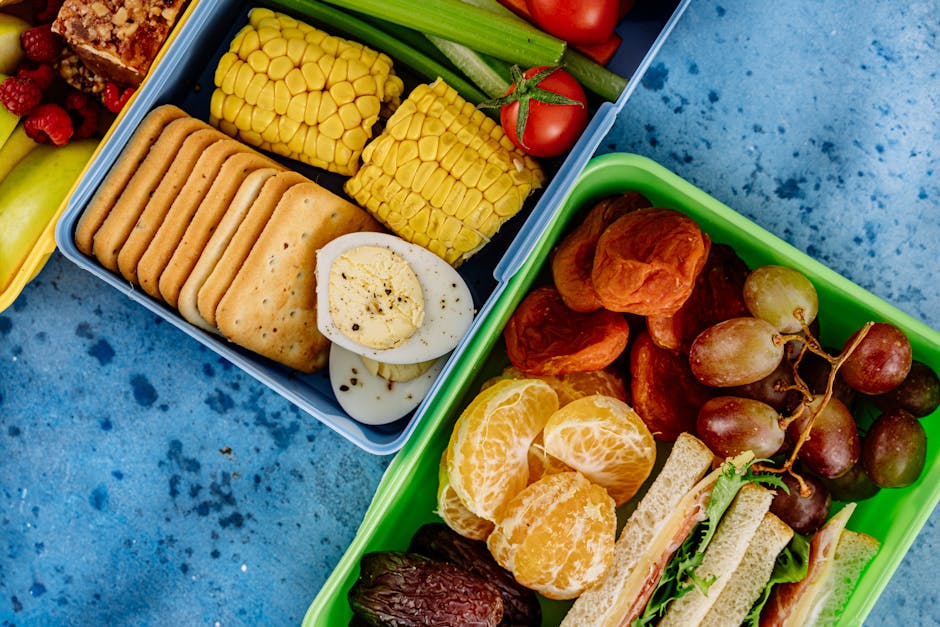
Freeze dried fruit makes quick, healthy snacks. Crunchy pieces satisfy sweet cravings without guilt. They are perfect for lunchboxes or office breaks. Kids love the natural sweetness and fun texture. Combine different fruits for variety and color.
Baking And Cooking
Freeze dried fruit works well in baking. It keeps flavor but won’t add moisture. Add pieces to muffins, cakes, or cookies for bursts of taste. Grind into powder and mix into dough or batter. Use as a colorful topping on desserts. It enhances pancakes and oatmeal too.
Trail Mixes And Smoothies
Freeze dried fruit is a great trail mix ingredient. Mix with nuts, seeds, and chocolate for energy-packed snacks. It stays crunchy and fresh longer than fresh fruit. Blend into smoothies for natural fruit flavor and nutrients. It blends easily and thickens drinks without water.
Credit: practicalselfreliance.com
Troubleshooting Common Issues
Freeze drying fruit can be incredibly rewarding, but sometimes things don’t go as planned. You might end up with soggy pieces, a loss of flavor, or storage challenges that affect your fruit’s quality. Let’s look at how you can identify and fix these common issues to get the best results every time.
Soggy Or Sticky Fruit
If your freeze-dried fruit turns out soggy or sticky, the problem often lies in incomplete drying. This can happen if the fruit pieces are too thick or if the drying time is too short.
Try slicing fruit thinner and ensure your freeze dryer runs long enough for all moisture to evaporate. Also, avoid overcrowding the trays. Air needs to circulate freely to dry fruit evenly.
Have you checked the vacuum seal? A poor seal can cause moisture to creep back in, making fruit sticky after drying. Double-check your machine’s seal before starting the process.
Loss Of Flavor
Losing the fresh, vibrant taste of fruit after freeze drying is frustrating. This often results from using fruit that’s overripe or starting with poor-quality produce.
Pick fruit that’s ripe but firm. Overripe fruit has higher sugar content that can caramelize or change flavor during drying. Also, avoid washing fruit too far in advance to keep flavors intact.
Sometimes drying at too high a temperature can dull flavors. Stick to manufacturer-recommended settings and monitor closely during the process.
Storage Problems
Even perfectly freeze-dried fruit can spoil if not stored correctly. Exposure to air and moisture is the biggest enemy here.
Use airtight containers or vacuum-sealed bags with oxygen absorbers to keep your fruit crisp and flavorful. Store them in a cool, dark place to prevent heat and light from degrading quality.
Have you noticed condensation inside your storage container? That means moisture is entering, and your fruit won’t last long. Always check seals and consider adding silica gel packets for extra protection.

Credit: hopewellheightsblog.com
Frequently Asked Questions
What Is The Process To Make Freeze Dried Fruit At Home?
Freeze drying fruit involves freezing it first, then placing it in a vacuum chamber. The vacuum removes moisture by sublimation, preserving flavor and nutrients. This method keeps fruit crisp and lightweight for storage or snacking.
Which Fruits Are Best For Freeze Drying?
Berries, apples, bananas, and mangoes freeze dry well due to their water content and texture. These fruits maintain flavor and nutrients better after drying, making them ideal choices for freeze drying at home or commercially.
How Long Does Freeze Drying Fruit Take?
Freeze drying can take 20 to 48 hours depending on fruit type and thickness. The process requires freezing, vacuum drying, and moisture removal, so time varies with the equipment and fruit size.
Can You Freeze Dry Fruit Without Special Equipment?
Freeze drying requires a vacuum freeze dryer for best results. Home methods like freezer drying don’t fully remove moisture and won’t create true freeze dried fruit. Specialized equipment is needed for proper freeze drying.
Conclusion
Freeze drying fruit preserves its taste and nutrients well. It removes moisture gently, keeping fruit fresh longer. You can use simple tools at home for freeze drying. This method makes snacks easy to store and carry. Enjoy your freeze dried fruit in cereals, desserts, or just alone.
Try it yourself to see how easy and fun it is. Freeze drying helps reduce food waste and saves money too. Give it a go and enjoy healthy, tasty treats anytime!