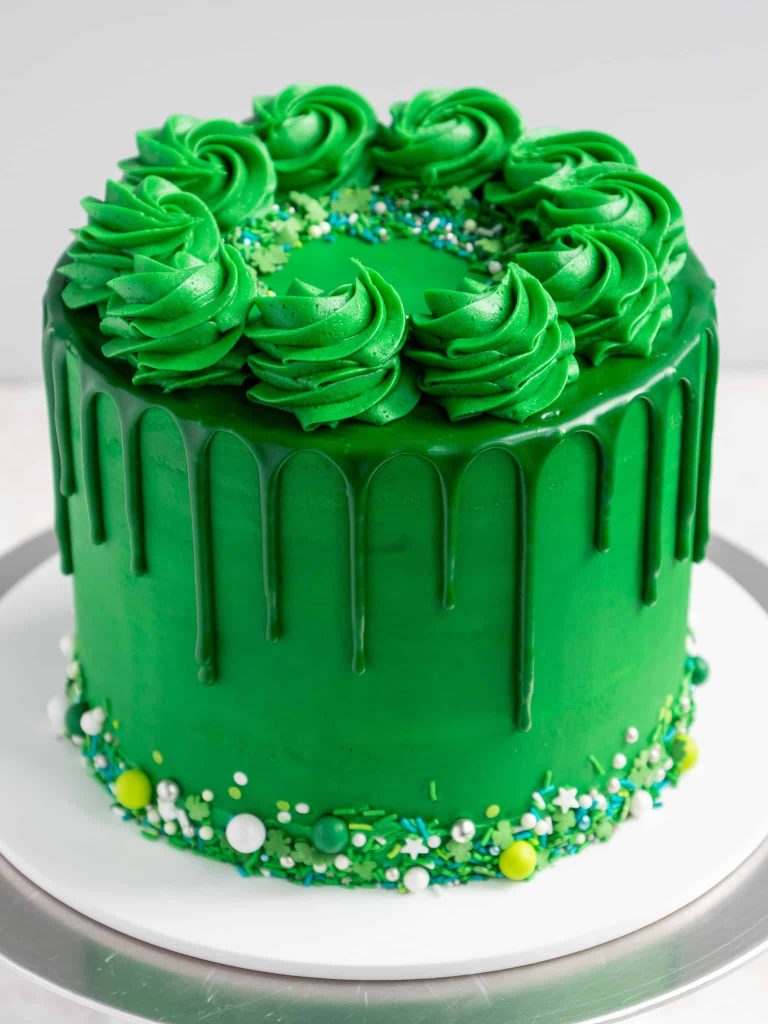
Are you ready to add a splash of vibrant color to your cakes and cookies? Making green icing is easier than you think, and it can instantly transform your baked treats into eye-catching delights.
Whether you’re preparing for a festive holiday, a birthday party, or just want to surprise your loved ones, knowing how to make perfect green icing will give you the creative edge. Keep reading, and you’ll discover simple steps and tips that will help you achieve the perfect shade and texture every time.
Your desserts will never look the same!

Credit: www.lifeloveandsugar.com
Choosing The Right Ingredients
Choosing the right ingredients is key to making green icing that tastes as good as it looks. The texture, flavor, and color all depend on what you pick. Getting this right can save you from last-minute fixes and disappointing results.
Types Of Icing Bases
Start by deciding which icing base suits your needs. Common options include:
- Buttercream:Creamy, rich, and easy to flavor. It holds color well but can be soft in warm conditions.
- Royal Icing:Hardens to a smooth finish, perfect for detailed decorations. It’s less creamy but very stable.
- Glaze Icing:Thin and shiny, great for drizzling or light coatings. It’s simple but not as sturdy.
Your choice affects how the green color will appear and how the icing behaves on your baked goods. For example, buttercream blends smoothly with food color, while royal icing needs careful mixing to avoid streaks.
Natural Vs. Artificial Colorants
Choosing between natural and artificial colorants influences both the look and healthiness of your icing. Natural options come from vegetables, fruits, or spices like spinach or matcha powder. These give subtle, earthy greens but might change the flavor slightly.
Artificial colorants, on the other hand, provide bright, consistent green shades. They don’t usually affect taste but can be a concern if you prefer clean eating or have allergies. Have you ever wondered if the vibrant green of store-bought icing matches homemade versions?
Try a small batch with each type to see which fits your project and taste preferences best. Balancing appearance with ingredient quality can make your green icing stand out in more ways than one.
Mixing Colors For Green
Mix blue and yellow food coloring to create green icing. Adjust the amounts to get the shade you want. Mix slowly for even color.
Creating the perfect green icing is an art that involves understanding the basics of color mixing. Whether you’re decorating cookies for a spring party or crafting the perfect shade for a St. Patrick’s Day cake, the right green can make all the difference. Let’s explore how to mix colors effectively to achieve that flawless shade of green icing.Primary Colors To Start With
To begin, you need to know which primary colors are your best friends in achieving green. Green is made by combining blue and yellow. Start with a base of blue and gradually add yellow until you reach the desired hue. Using gel food coloring is often preferred over liquid because it provides more vibrant colors without altering the icing’s consistency. Remember, different brands may yield slightly different hues, so it’s always a good idea to test a small amount first.Adjusting Shades And Tones
Once you have a basic green, you might want to adjust the shade to better suit your needs. Do you want a mint green for a more pastel look? Add a bit more yellow and perhaps a touch of white to soften it. For a deeper, forest green, consider adding a tiny amount of black or even a touch more blue. Always add color incrementally; a small amount can significantly change the shade. Have you ever thought about creating a unique custom color by mixing different shades of green? It’s a fun way to express creativity and impress others with your decorating skills. By experimenting and adjusting, you’ll quickly find that perfect green that brings your icing to life.Step-by-step Coloring Process
Creating green icing involves more than just mixing colors. The step-by-step coloring process ensures you get the perfect shade every time. Each step helps control the intensity and tone of the green. Follow these simple guidelines to achieve smooth, vibrant green icing.
Preparing The Icing
Start with a smooth base icing. Use white buttercream or royal icing. Make sure the icing is soft and easy to mix. If the icing is too stiff, add a tiny drop of water or milk. This makes the color blend better. Use a clean bowl and mixing tools to avoid contamination.
Adding Color Gradually
Choose a green food coloring gel or paste. These types give richer color without thinning the icing. Add a small amount of green color first. Mix it well before adding more. Adding color slowly helps avoid a too-dark shade. It also prevents uneven color spots.
Mixing Techniques
Use a spatula or spoon to fold the color into the icing. Stir gently but thoroughly to spread the color evenly. Scrape the sides of the bowl to mix all the icing. Avoid overmixing, which can change the texture. Check the color after mixing to see if it is even and smooth.

Credit: matcha.com
Troubleshooting Common Issues
Green icing can sometimes be tricky to get just right. You might find your color too dark, uneven, or your icing not spreading smoothly. Troubleshooting these common issues can save you time and frustration, making your baking experience more enjoyable and your final product more impressive.
Avoiding Over-coloring
It’s easy to add too much green food coloring because you want that perfect shade. But too much color can make your icing taste bitter and look unnatural. Start with a few drops and mix well before adding more.
Think about how even a small amount of color can transform your icing. Have you ever noticed how a little green food coloring goes a long way? Patience is key—slowly build your color rather than rushing to a darker hue.
Fixing Uneven Color
Uneven color patches can happen if the food coloring isn’t mixed properly. Use a spatula or spoon to fold the color into the icing gently but thoroughly. Avoid vigorous stirring, which can introduce air bubbles.
If you see streaks, try spreading the icing thinly on a plate and mixing gently again. Have you tried mixing with a toothpick for more control? This can help you blend small areas without overworking the whole batch.
Dealing With Icing Consistency
Green icing that’s too thick can be hard to spread, while too thin icing might run off your cake. Adjust the consistency by adding a tiny bit of water if it’s too thick or a little powdered sugar if it’s too thin.
Keep checking the texture as you add ingredients. Does your icing hold its shape but still spread smoothly? If it’s too sticky, dust your spatula with powdered sugar before spreading to avoid frustration.
Tips For Vibrant Green Icing
Getting that perfect vibrant green icing can be tricky. The shade of green you achieve depends on the type of coloring you use and how you store your icing. Knowing these tips will help you make your green icing pop on any cake or cupcake.
Using Gel Vs. Liquid Colors
Gel colors are thicker and more concentrated than liquid colors. This means you can add just a small amount to your icing for a bright, intense green without making the icing too runny.
Liquid colors, on the other hand, are less concentrated. Adding too much can thin out your icing, making it difficult to work with and dull in color. If you only have liquid color, try adding it drop by drop and mix thoroughly to avoid overdoing it.
Have you noticed how gel colors give a more consistent shade? That’s because they blend evenly and don’t affect the icing’s texture as much. Keep a small bottle of green gel color handy for the best results every time.
Storage And Preservation
After you’ve mixed your green icing, storing it properly is key to keeping its color bright. Exposure to air and light can cause colors to fade or change over time.
Store your icing in an airtight container and place it in the fridge if you won’t use it within a day. Before using chilled icing, bring it back to room temperature and stir well to restore its original texture and color.
Ever noticed how your green icing looks dull the next day? That’s often because it wasn’t sealed properly. Using cling film pressed directly onto the surface of the icing can prevent air exposure and keep that vibrant green fresh for longer.

Credit: www.reddit.com
Frequently Asked Questions
How Do You Make Green Icing Naturally?
To make green icing naturally, use spinach or matcha powder for coloring. Blend spinach with a little water and strain. Mix the green liquid into white icing until you get the desired shade. Natural ingredients provide vibrant color without artificial dyes.
What Ingredients Are Needed For Green Icing?
You need powdered sugar, butter or shortening, milk, vanilla extract, and green food coloring. For natural options, use spinach juice or matcha powder instead of food coloring. Mix these ingredients until smooth and creamy for perfect green icing.
How Much Green Food Coloring Should I Use?
Start with a few drops of green food coloring. Mix well and add more gradually until you reach your preferred shade. Using too much can affect icing consistency and taste, so add color slowly for the best result.
Can I Make Green Icing Without Food Coloring?
Yes, you can use natural ingredients like spinach juice, matcha, or spirulina powder. These provide a subtle green tint and add unique flavor. Blend the natural color with your icing base for healthy, vibrant green icing.
Conclusion
Making green icing is simple and fun. Just mix white icing with green food color. Adjust the shade by adding more or less color. Use it to decorate cakes, cookies, or cupcakes. Freshly made icing tastes best and looks bright.
Store any leftovers in an airtight container. This way, you can enjoy green icing anytime you want. Try different shades to match your party theme. Happy baking and decorating!