Are you wondering how to make plant food that truly helps your garden thrive? Imagine giving your plants the perfect mix of nutrients they need to grow strong and healthy—right from your own home.
Whether you’re a seasoned gardener or just starting out, knowing how to create your own plant food can save you money and boost your plants’ growth like never before. You’ll discover simple, effective ways to make plant food that your plants will love.
Ready to unlock the secret to greener, healthier plants? Keep reading, and let’s get started!

Credit: sizzlekidz.com
Basics Of Plant Nutrition
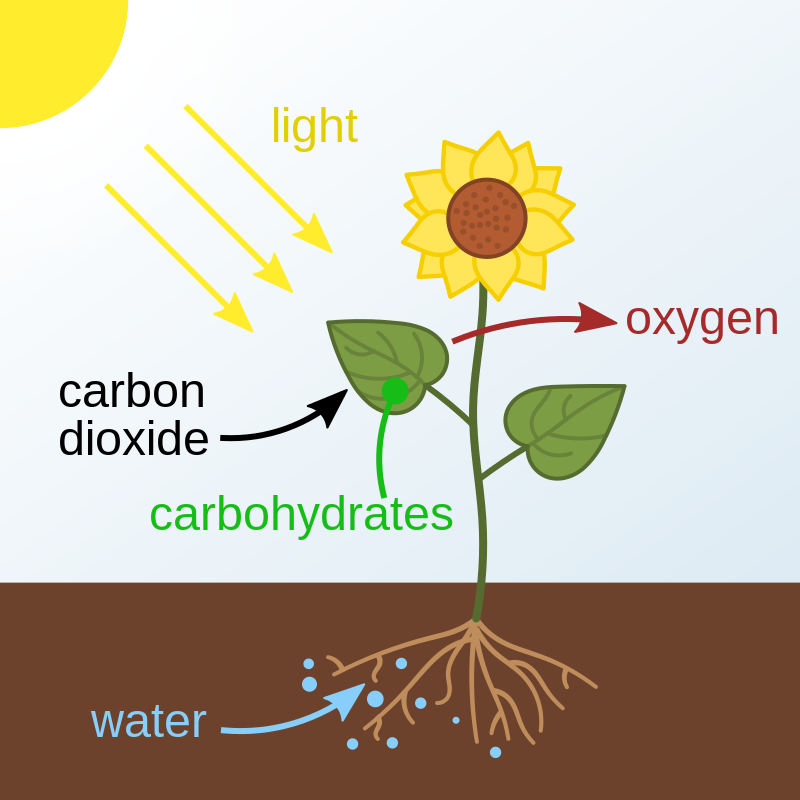
Plants need food to grow strong and healthy. They make food using sunlight, water, and nutrients from soil. Nutrients help plants develop leaves, flowers, and fruits.
Good plant food has the right balance of minerals. These minerals support many jobs inside the plant. Without enough nutrients, plants will not grow well.
Essential Nutrients For Plants
Plants need many nutrients to survive. Some nutrients plants need a lot of, while others are needed in small amounts. Each nutrient has a specific job in the plant.
- Nitrogen helps build leaves and stems.
- Phosphorus supports root growth and flowers.
- Potassium helps with water use and disease resistance.
- Calcium strengthens cell walls.
- Magnesium helps make chlorophyll.
- Sulfur is part of some proteins.
- Micronutrients like iron and zinc help enzymes work.
Role Of Macronutrients And Micronutrients
Macronutrients are nutrients plants need in large amounts. They include nitrogen, phosphorus, and potassium. These nutrients help plants grow and produce food.
Micronutrients are needed in small amounts. They include iron, manganese, and zinc. Micronutrients help plants with processes like making chlorophyll and enzyme activity.
- Macronutrients support basic growth and energy.
- Micronutrients help with special functions and health.
- Both types are important for strong plants.
Signs Of Nutrient Deficiency
Plants show signs when they lack nutrients. These signs help gardeners know what nutrients are missing. Early signs can save the plant if fixed quickly.
Common signs include yellow leaves, weak stems, and poor growth. Each nutrient deficiency causes different symptoms. Knowing these helps give the right plant food.
| Nutrient | Deficiency Sign |
|---|---|
| Nitrogen | Yellow older leaves, slow growth |
| Phosphorus | Dark green or purple leaves, weak roots |
| Potassium | Leaf edges turn yellow or brown |
| Iron | Yellow young leaves with green veins |
| Magnesium | Yellowing between leaf veins |
Common Ingredients For Diy Plant Food
Making your own plant food at home is easy and saves money. Many common items can help plants grow strong and healthy.
Plant food gives plants nutrients they need to grow. You can use kitchen scraps, garden materials, and household items to make it.
Kitchen Scraps And Organic Waste
Kitchen scraps like fruit peels and vegetable ends are great for plant food. They add nutrients to the soil as they break down.
Organic waste such as coffee grounds and eggshells also boost soil health. These scraps help plants get nitrogen, calcium, and other nutrients.
- Fruit and vegetable peels
- Used coffee grounds
- Crushed eggshells
- Tea bags (without chemicals)
- Cooked rice or pasta (small amounts)
Natural Fertilizers From Garden
Garden waste like grass clippings and leaves can make natural fertilizer. These materials add organic matter to the soil.
Composting these items creates rich soil food. Worm castings and mulch are other good garden-based fertilizers.
- Grass clippings
- Dry leaves
- Compost from plant scraps
- Worm castings
- Wood chips or mulch
Household Items That Boost Growth
Some household items can help plants grow faster and healthier. These include natural products that add minerals or improve soil.
Items like banana peels and diluted vinegar work well. They provide potassium, phosphorus, and help control pests.
- Banana peels (rich in potassium)
- Diluted vinegar (for pest control)
- Used water from boiled eggs
- Almond milk (in small amounts)
- Molasses (a sugar source for soil microbes)
Simple Diy Plant Food Recipes
Making your own plant food is easy and cheap. You can use things from your kitchen to help plants grow strong.
This guide shows simple recipes you can try at home. These natural fertilizers give plants the nutrients they need.
Banana Peel Fertilizer
Banana peels are full of potassium and phosphorus. These help plants grow flowers and fruits.
To make banana peel fertilizer, chop the peel into small pieces. Bury them in the soil near your plants. The peel will slowly release nutrients.
Eggshell Calcium Boost
Crushed eggshells add calcium to the soil. Calcium helps plants build strong cell walls.
- Rinse eggshells and let them dry.
- Crush the shells into small bits.
- Sprinkle the crushed shells around the base of plants.
- Mix them into the soil for better results.
Coffee Grounds Compost Mix
Used coffee grounds are rich in nitrogen. Nitrogen helps plants grow green leaves.
| Ingredient | Amount | Purpose |
| Used coffee grounds | 1 cup | Provides nitrogen |
| Dry leaves or straw | 2 cups | Adds carbon |
| Water | Enough to moisten | Keeps compost damp |
Mix these ingredients well and add to your compost pile. This mix helps create rich soil for your plants.
Epsom Salt Solution
Epsom salt has magnesium and sulfur. These help plants absorb nutrients better.
- Mix 1 tablespoon of Epsom salt in 1 gallon of water.
- Stir until the salt dissolves.
- Pour the solution around the base of plants once a month.

Credit: littlesproutslearning.co
Liquid Plant Food Mixtures
Liquid plant food mixtures give plants quick nutrients. These mixtures help plants absorb food faster than dry fertilizers. They are easy to make at home using simple ingredients.
This guide covers three popular liquid plant foods. Learn how to prepare homemade compost tea, fish emulsion fertilizer, and the benefits of seaweed extract.
Homemade Compost Tea
Compost tea is a liquid made from compost and water. It contains many nutrients and helpful microbes for plants. You can spray it on leaves or pour it into soil.
- Fill a bucket with water and add a handful of compost.
- Stir the mixture well and let it sit for 24 to 48 hours.
- Strain the liquid to remove solids before use.
- Use the tea immediately for best results.
Fish Emulsion Fertilizer
Fish emulsion is a liquid fertilizer made from fish parts. It is rich in nitrogen and other nutrients that help plants grow strong leaves and stems.
To make fish emulsion at home, follow these steps:
- Chop fish scraps into small pieces.
- Place the scraps in a container and add water.
- Cover the container loosely and let it ferment for 2 to 3 weeks.
- Strain the liquid and dilute it before applying to plants.
Seaweed Extract Benefits
Seaweed extract is a natural liquid fertilizer. It contains minerals and plant hormones that improve root growth and stress resistance.
| Benefit | Effect on Plants |
| Minerals | Boost overall health |
| Plant hormones | Stimulate growth |
| Stress resistance | Help plants survive drought |
| Improves soil | Enhances microbial activity |
Application Tips For Best Results
Feeding plants properly helps them grow strong and healthy. Using the right techniques ensures plants get the nutrients they need.
Applying plant food at the right time and in the right way improves growth and avoids waste.
When And How To Feed Plants
Feed plants during their active growing season. This is usually spring and summer for most plants.
- Apply fertilizer early in the morning or late in the afternoon.
- Use water-soluble food for quick absorption.
- Follow package instructions for amounts and frequency.
- Water plants after feeding to help nutrients reach roots.
Avoiding Over-fertilization
Too much fertilizer can harm plants and soil. It can cause leaf burn and stunt growth.
| Signs of Over-fertilization | Actions to Take |
| Yellow or brown leaf edges | Flush soil with water |
| Stunted or weak growth | Reduce fertilizer amount |
| Salt build-up on soil surface | Replace or amend soil |
Combining Diy Food With Soil Care
Making your own plant food works best with healthy soil. Good soil keeps nutrients available and supports roots.
Tips to combine DIY food with soil care:
- Add compost to improve soil texture.
- Use mulch to keep soil moist and cool.
- Test soil pH and adjust if needed.
- Rotate plants to prevent soil depletion.
Troubleshooting Diy Plant Food Issues
Making your own plant food can be rewarding but tricky. Sometimes plants do not respond well. Understanding common problems helps you fix them fast.
This guide covers signs of overfeeding, how to adjust recipes, and how to store homemade fertilizers safely.
Signs Of Overfeeding
Too much plant food can harm your plants. Watch for these signs to avoid damage and correct feeding amounts.
- Yellowing or browning leaf edges
- Wilting despite regular watering
- White crust on soil surface
- Slow growth or stunted plants
- Leaf drop or curling leaves
Adjusting Recipes For Different Plants
Plants have different nutrient needs. Adjust your DIY plant food recipe based on the type of plant you grow.
| Plant Type | Nitrogen (N) | Phosphorus (P) | Potassium (K) |
| Leafy Greens | High | Medium | Low |
| Flowering Plants | Medium | High | Medium |
| Fruiting Plants | Medium | Medium | High |
| Succulents | Low | Low | Medium |
Use less nitrogen for succulents and more phosphorus for flowers. Balance nutrients to fit plant needs.
Storage And Shelf Life Of Homemade Fertilizers
Proper storage keeps your plant food fresh and effective. Homemade fertilizers have shorter shelf lives than commercial ones.
- Keep fertilizers in airtight containers
- Store in a cool, dark place
- Label containers with the date made
- Use within one month for best results
- Stir liquid fertilizers before use

Credit: littlesproutslearning.co
Frequently Asked Questions
What Ingredients Are Needed For Homemade Plant Food?
To make homemade plant food, you need basic ingredients. These include water, Epsom salts, baking soda, and ammonia. Mix one gallon of water with one tablespoon of each ingredient. This DIY solution provides essential nutrients. It helps in promoting healthy plant growth.
How Often Should You Feed Plants Homemade Food?
Feed your plants with homemade plant food every two weeks. This frequency ensures they get consistent nutrients. Adjust the feeding schedule based on plant type and growth stage. Regular feeding boosts plant health and vitality. Monitor your plants for any signs of nutrient deficiency.
Can Homemade Plant Food Replace Commercial Fertilizers?
Homemade plant food can supplement but not replace commercial fertilizers. It provides basic nutrients and promotes growth. However, commercial fertilizers offer a broader range of nutrients. For optimal plant health, use both homemade and commercial options. This combination ensures comprehensive nutrient coverage.
Is Homemade Plant Food Safe For All Plants?
Homemade plant food is generally safe for most plants. However, always test a small amount first. Different plants have varying nutrient needs. Monitor your plants’ reactions after feeding. Adjust the ingredient ratios if necessary. This ensures your plants receive the best care possible.
Conclusion
Making your own plant food is simple and rewarding. You can use everyday ingredients like kitchen scraps and garden waste. This helps plants grow strong and healthy without chemicals. Regular feeding keeps soil rich and plants happy. Try different recipes to see what works best.
Your garden will thank you with lush leaves and bright flowers. Start small, learn as you go, and enjoy the process. Healthy plants mean a beautiful, thriving garden all year round.