Are you craving that smooth, sweet icing to top your cakes, cookies, or cupcakes? Making powdered sugar icing at home is easier than you think.
With just a few simple ingredients, you can create a delicious glaze that looks professional and tastes amazing. Whether you want a thick frosting or a thin drizzle, this guide will show you exactly how to get the perfect consistency every time.
Keep reading, and you’ll soon be whipping up your own homemade icing that will impress everyone who takes a bite.
Ingredients Needed
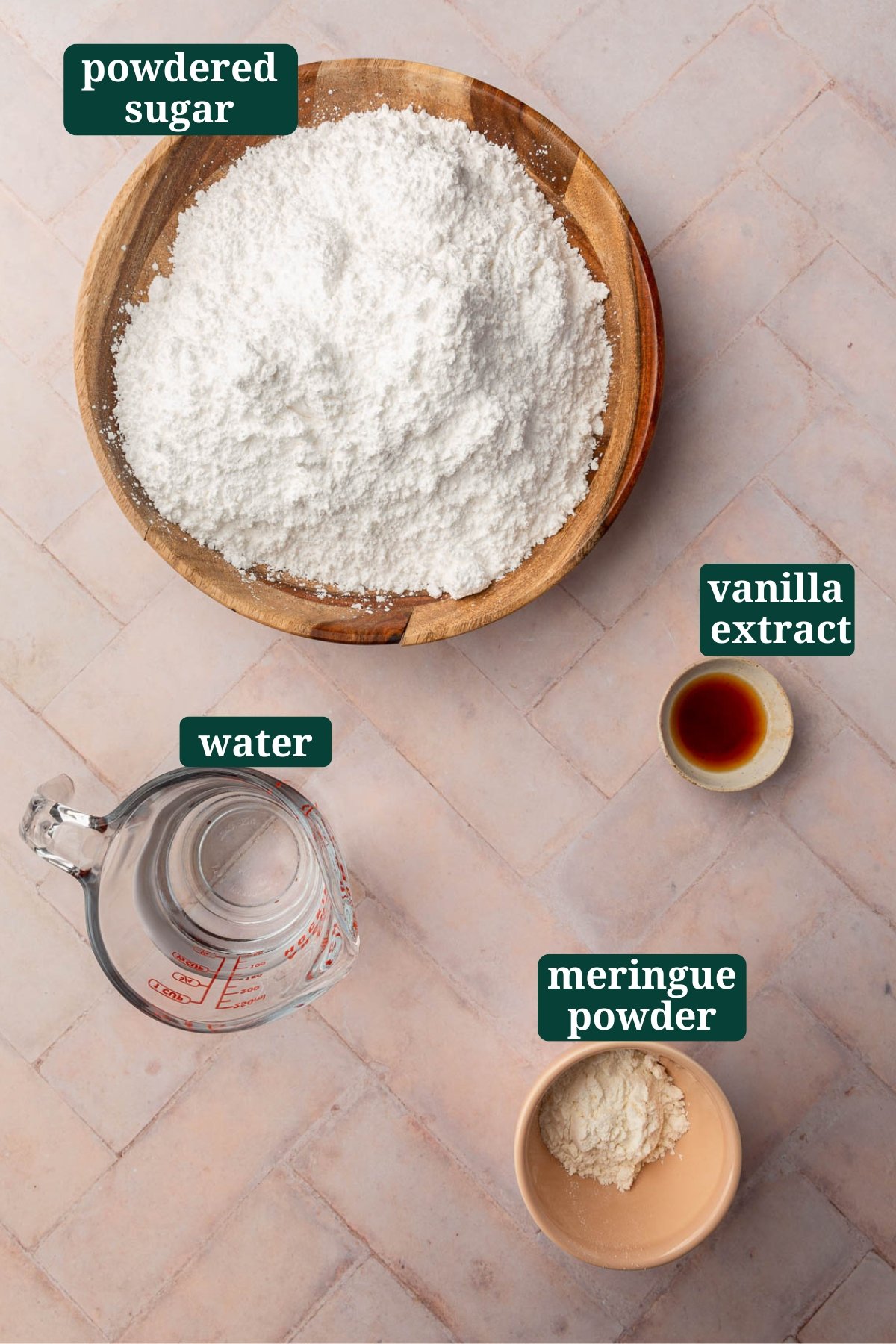
Getting the right ingredients is key to making smooth, delicious powdered sugar icing. Knowing what to use and why helps you adjust the texture and flavor to your liking. Let’s break down the essentials so you can make icing that’s perfect for any treat.
Powdered Sugar Basics
Powdered sugar, also called confectioners’ sugar, is the main ingredient. It’s finely ground sugar mixed with a small amount of cornstarch to prevent clumping.
Choose good-quality powdered sugar for the best texture. The finer it is, the smoother your icing will be.
Common Liquid Options
You need a liquid to turn the dry sugar into a spreadable icing. Water is the simplest choice and keeps the flavor neutral.
Milk adds a bit of creaminess, making the icing richer. Lemon juice or orange juice can give a fresh, tangy twist if you want a citrusy zing.
Optional Flavor Enhancers
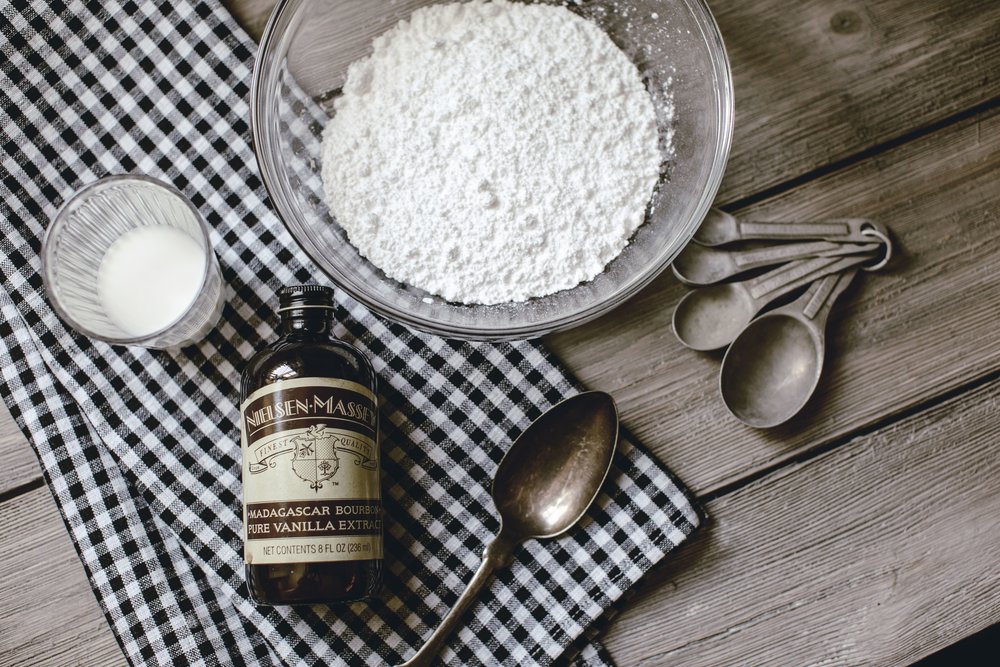
Vanilla extract is a popular addition that boosts flavor without overpowering. You can also try almond extract or a splash of maple syrup for a unique taste.
Don’t be afraid to experiment with spices like cinnamon or cocoa powder if you want to customize your icing even more.
Credit: www.adashofmegnut.com
Choosing The Right Tools
Choosing the right tools for making powdered sugar icing can make all the difference between a smooth, glossy finish and a lumpy mess. The right equipment helps you control texture, consistency, and ease of mixing. Have you ever struggled with a clumpy icing that just wouldn’t blend well? The tools you use might be why.
Mixing Bowls And Whisks
Select bowls that are wide and deep enough to avoid spills while mixing. Glass or stainless steel bowls work best because they don’t retain odors or stains, keeping your icing pure in flavor.
A whisk is essential for smooth icing. Choose one with flexible wires that can reach every corner of your bowl. This helps break up lumps quickly and evenly.
Measuring Techniques
Accurate measuring is key to perfect icing. Use dry measuring cups for powdered sugar and liquid measuring cups for milk or water. Don’t just eyeball it—precision affects the icing’s texture.
Level off your powdered sugar with a flat edge for consistent amounts. Have you noticed how even a small difference in sugar can change your icing from runny to stiff?
Storage Containers
Once your icing is ready, store it in an airtight container to prevent it from drying out or absorbing moisture. Small glass jars or plastic containers with tight-fitting lids work well.
Label your container with the date if you make icing in advance. This helps you keep track of freshness and avoid using old icing that might affect taste or texture.
Step-by-step Mixing Process
Creating powdered sugar icing is simple and satisfying. Follow these steps to ensure your icing turns out perfect every time. The key is in the mixing process.
Sifting The Sugar
Start by sifting the powdered sugar into a bowl. Sifting removes lumps and ensures a smooth texture. Use a fine-mesh sieve for best results. This step is crucial for a flawless icing.
Adding Liquids Gradually
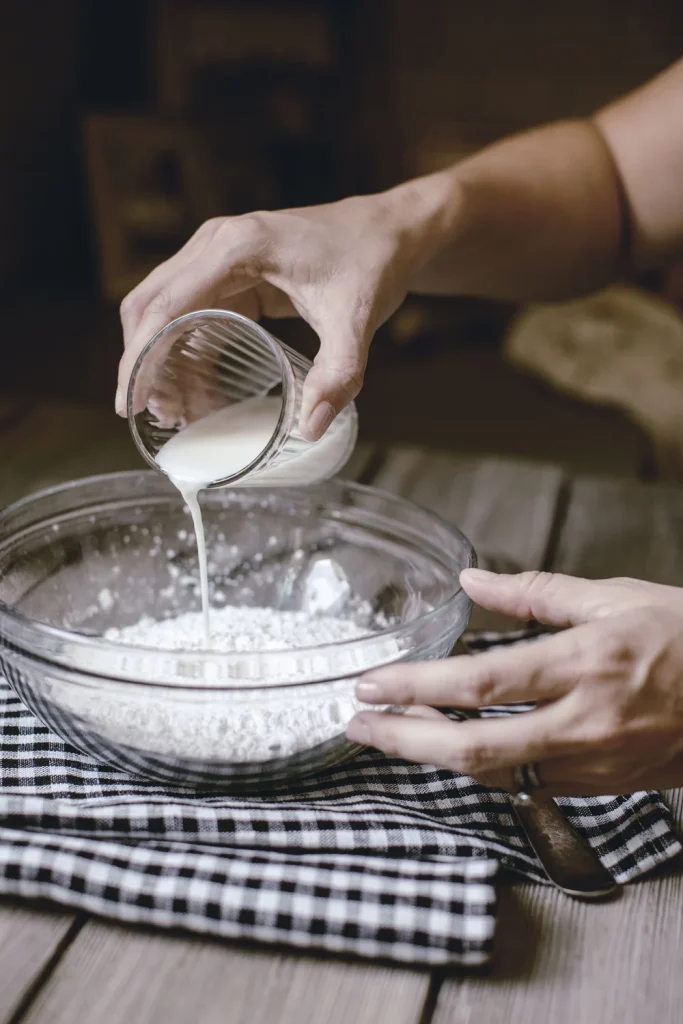
Gradually add liquids to the sugar. Begin with a small amount of milk or water. Stir slowly as you pour. This prevents clumps from forming. Use a whisk for even mixing.
Achieving The Perfect Consistency
Mix until the icing reaches the desired thickness. For a thicker icing, add more sugar. For a thinner glaze, add more liquid. Adjust until you find the right consistency. Test the icing by lifting the whisk. It should drizzle smoothly but not too runny.
Credit: heirloomedblog.com
Adjusting Sweetness And Texture
Adjusting the sweetness and texture of powdered sugar icing is key to getting the perfect finish for your baked treats. You want an icing that complements the flavor without overpowering it and feels just right on your tongue. Small tweaks can make a huge difference in how your icing looks and tastes.
Balancing Sweetness
Powdered sugar icing can quickly become too sweet if you’re not careful. To balance the sweetness, try adding a pinch of salt or a few drops of lemon juice. These simple additions cut through the sugar’s intensity without changing the texture.
Think about your audience’s preference—do they like a milder sweetness or a rich sugary punch? You can always start with less sugar and add more gradually to reach the perfect level. Have you experimented with spices like cinnamon or vanilla extract to add flavor without extra sweetness?
Thickening Or Thinning Icing
The texture of your icing can change how easy it is to spread or pipe. If your icing is too runny, add more powdered sugar a little at a time until it thickens. On the other hand, if it’s too thick, thin it out with small amounts of liquid.
Using water thins icing without adding flavor, but milk or cream gives it a richer taste and smoother feel. You might find that your favorite icing consistency depends on the type of dessert you’re decorating—do you want a drizzle or a firm layer?
Using Cream Or Milk Alternatives
Switching from regular milk or cream to alternatives like almond milk, coconut milk, or oat milk can change your icing’s flavor and texture. These options add subtle nuances that can enhance your icing in unexpected ways.
For example, coconut milk brings a slight tropical hint and creaminess, while almond milk keeps it light with a nutty note. Have you tried any milk alternatives to suit dietary needs or to experiment with flavors? They’re a simple way to personalize your icing without extra effort.
Flavor Variations
Powdered sugar icing is simple and versatile. You can easily change its flavor to suit any dessert. Small tweaks create big differences. Flavor variations keep your treats exciting and fresh.
Vanilla And Extracts
Vanilla extract adds a classic, sweet taste. Almond extract gives a nutty aroma. Peppermint extract creates a cool, fresh flavor. Use just a few drops. Taste often to avoid overpowering the icing.
Citrus Zests
Lemon, orange, or lime zest brightens the icing. It adds a fresh, tangy twist. Use a fine grater to avoid big pieces. Mix the zest well for even flavor. This is perfect for spring and summer desserts.
Spices And Other Additions
Cinnamon, nutmeg, or ginger add warmth and depth. A pinch is enough to enhance the taste. You can also add cocoa powder for chocolate flavor. Another idea is to mix in finely ground coffee. These small touches make your icing unique.

Credit: glorifiedhobby.com
Tips For Application
Applying powdered sugar icing smoothly takes some care. The right tips help create a clean, attractive finish. These tips cover spreading, piping, and drying to improve every step.
Spreading Techniques
Use a small offset spatula or a butter knife for spreading icing evenly. Start from the center and push outwards to the edges. Work quickly before the icing begins to set. For a smooth finish, dip your spatula in warm water and wipe it dry before smoothing the icing. This prevents dragging or tearing the icing surface.
Piping Icing
Fill a piping bag with icing for detailed decorations. Use different tips to create shapes like stars or lines. Apply gentle, steady pressure for even flow. Practice on parchment paper to control the thickness and style. Keep the icing at a medium consistency — not too runny or stiff — for best results.
Setting And Drying Times
Allow the icing to rest at room temperature for 20 to 30 minutes. This helps it firm up and hold shapes better. Avoid touching the icing while it dries to keep it smooth. For quicker drying, place the iced item in a cool, dry spot. Proper drying prevents smudges and keeps decorations sharp.
Troubleshooting Common Issues
Making powdered sugar icing can be simple but sometimes issues arise. These problems affect texture, consistency, and appearance. Troubleshooting common issues helps fix these problems quickly. Understanding the causes helps create smooth, perfect icing every time.
Grainy Texture Fixes
Grainy icing happens when powdered sugar does not fully dissolve. Use fine powdered sugar for smoother icing. Sift the sugar before mixing to remove lumps. Mix slowly and thoroughly with liquid to dissolve sugar well. Warm the liquid slightly to help dissolve sugar faster. Avoid adding too much sugar at once.
Too Runny Or Too Thick
Runny icing lacks enough powdered sugar. Add small amounts of sugar gradually to thicken it. Thick icing needs more liquid to become smooth. Add liquid in teaspoons, mixing well after each addition. Use water, milk, or lemon juice for better flavor. Aim for a spreadable but not dripping consistency.
Preventing Cracks And Discoloration
Cracks form when icing dries too fast or is too thick. Apply a thinner layer for even drying. Keep icing covered with plastic wrap to prevent air exposure. Store finished icing in a cool, dry place. Avoid direct sunlight to prevent discoloration. Use fresh ingredients to keep color bright and appealing.
Storing And Reusing Icing
Storing and reusing powdered sugar icing helps reduce waste and saves time. Proper storage keeps the icing fresh and ready for your next baking project. Follow simple tips to maintain its smooth texture and sweet taste.
Short-term Storage Tips
- Place the icing in an airtight container to prevent drying out.
- Store at room temperature away from heat and sunlight.
- Use within 2 days for the best texture and flavor.
- Stir gently before use to restore smoothness.
Reviving Stored Icing
Stored icing can thicken or harden over time. Add a few drops of milk or water to loosen it. Stir slowly until it reaches the desired consistency. Avoid adding too much liquid to keep the icing smooth. If the icing is grainy, whisk it quickly to improve texture.
Freezing Guidelines
- Freeze icing in a sealed container or freezer bag.
- Label with the date to track storage time.
- Freeze for up to 1 month to maintain quality.
- Thaw in the refrigerator overnight before use.
- Mix well after thawing to restore smoothness.
Frequently Asked Questions
What Ingredients Are Needed For Powdered Sugar Icing?
You need powdered sugar, milk or water, and vanilla extract. Optional butter or cream cheese can add richness. Mix until smooth for perfect icing consistency.
How Do You Achieve Smooth Powdered Sugar Icing?
Sift powdered sugar to avoid lumps. Add liquid gradually while stirring. Whisk until the icing is silky and smooth without clumps.
Can Powdered Sugar Icing Harden On Baked Goods?
Yes, it hardens as it dries. This creates a glossy, firm finish, perfect for decorating cookies and cakes.
How Long Does Powdered Sugar Icing Take To Set?
It usually sets within 15 to 30 minutes at room temperature. Humidity can affect drying time, so allow extra time if needed.
Conclusion
Making powdered sugar icing is quick and simple. Just mix powdered sugar with a little liquid. Stir until smooth and creamy. You can adjust the thickness by adding more liquid or sugar. Use it to decorate cakes, cookies, or cupcakes.
This icing adds a sweet, smooth touch to your treats. Try different flavors by adding vanilla or lemon juice. Enjoy creating delicious desserts with easy homemade icing. Baking feels fun and rewarding with this simple recipe. Give it a try and see the results yourself!