Have you ever started baking or cooking and paused, wondering how to measure 1/3 cup accurately? It might seem like a small detail, but getting this right can make a big difference in your recipe’s success.
Whether you don’t have a 1/3 cup measuring tool or just want to learn a quick trick, this guide is here to help you. Keep reading to discover simple and smart ways to measure 1/3 cup perfectly every time—no guesswork needed.
Your cooking will thank you!
Tools For Measuring 1/3 Cup
Measuring 1/3 cup accurately is important for cooking and baking. Using the right tools helps you get the correct amount every time.
Different kitchen tools can measure 1/3 cup. Some are simple, while others offer more precision.
Standard Measuring Cups
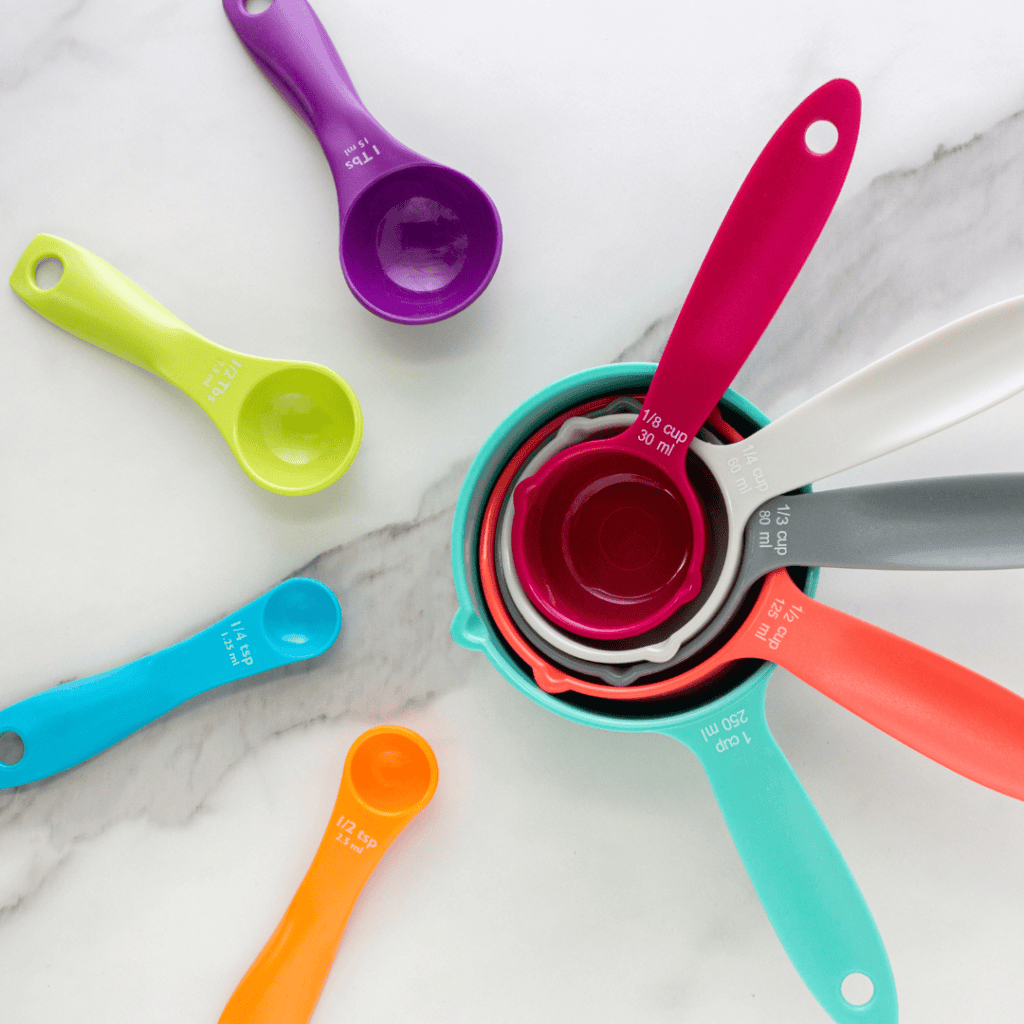
Standard measuring cups are common in most kitchens. They come in sets with different cup sizes, including 1/3 cup.
- Made of plastic, metal, or glass
- Clear markings for easy reading
- Often sold in sets with 1/4, 1/3, 1/2, and 1 cup sizes
- Suitable for dry and solid ingredients
Alternative Kitchen Tools
Other kitchen tools can measure 1/3 cup if you lack a standard cup. These tools offer flexibility and convenience.
| Tool | How to Use |
| Tablespoons | Use 5 tablespoons plus 1 teaspoon (since 1 tbsp = 3 tsp) |
| Liquid Measuring Cups | Fill to the 1/3 cup line for liquids |
| Kitchen Spoons | Use large spoons to estimate 1/3 cup |
| Measuring Spoons Set | Combine smaller spoon measures to total 1/3 cup |
Digital Scales
Digital kitchen scales measure ingredients by weight. They give exact amounts, which is useful for baking.
- Place a bowl on the scale and zero it
- Check ingredient weight for 1/3 cup (varies by ingredient)
- Use grams or ounces for accuracy
- Good for dry and liquid ingredients

Credit: rhondasues.com
Step-by-step Measuring Guide
Measuring 1/3 cup accurately helps your recipes turn out great. Using the right tools and techniques makes a big difference.
This guide shows how to measure dry and liquid ingredients properly. It also explains how to level your measurements for best results.
Measuring Dry Ingredients
Use a dry measuring cup to measure 1/3 cup of dry ingredients like flour or sugar. Dry cups are usually made of plastic or metal and come in sets.
Fill the 1/3 cup scoop with your dry ingredient. Do not shake or tap the cup to avoid packing the ingredient tightly.
- Spoon the ingredient into the 1/3 cup.
- Fill it slightly above the rim.
- Remove excess using a flat edge.
Measuring Liquid Ingredients
Use a clear liquid measuring cup for 1/3 cup of liquids like water or oil. Liquid cups usually have a spout and measurement marks.
Place the cup on a flat surface. Pour the liquid slowly until it reaches the 1/3 cup mark.
- Check the measurement at eye level.
- Adjust the liquid to the exact line.
- Use a spoon to remove extra liquid if needed.
Leveling Techniques
Leveling ensures you have the correct amount of dry ingredients. It prevents adding too much, which can change your recipe.
Use a flat edge like a butter knife or spatula. Hold it straight across the top of the cup. Gently scrape off extra ingredient.
- Fill the measuring cup fully.
- Hold a flat edge over the top.
- Remove excess by scraping.
- Check for an even surface.
Common Mistakes To Avoid
Measuring 1/3 cup correctly matters for good cooking results. Many people make simple errors that change the amount of ingredients.
Knowing common mistakes helps you measure better and cook with confidence every time.
Packing Ingredients Too Tight
Packing ingredients tightly in the measuring cup adds more than 1/3 cup. This error is common with flour, sugar, or brown sugar.
- Do not press or shake the ingredient down.
- Fill the cup lightly and level it off with a flat edge.
- For brown sugar, pack gently if the recipe asks, but avoid overpacking.
Using Incorrect Measuring Cups
Using the wrong measuring cups can cause inaccurate amounts. Dry and liquid cups are not the same.
| Type of Cup | Use For | Why |
| Dry Measuring Cup | Flour, sugar, grains | Fill and level off ingredients |
| Liquid Measuring Cup | Milk, water, oil | See clear markings and pour easily |
Ignoring Ingredient Density
Different ingredients have different densities. Using volume alone can cause errors.
Here is an example of how weight and volume differ for 1/3 cup:
| Ingredient | 1/3 Cup Volume | Approximate Weight |
|---|---|---|
| Flour | 1/3 cup | 43 grams |
| Sugar | 1/3 cup | 67 grams |
| Butter (melted) | 1/3 cup | 76 grams |
Use a kitchen scale for best accuracy.
Tips For Accurate Baking
Measuring ingredients correctly can change your baking results. Small changes in amounts can affect texture and taste.
Use the right tools and methods to get precise measurements every time you bake.
Calibrating Your Tools
Measuring cups and spoons may not always be accurate. Check if your tools measure correctly to avoid errors.
- Fill the measuring cup with water to the 1-cup line.
- Pour the water into a liquid measuring cup to check volume.
- Adjust your measurements if the volume does not match.
- Repeat this process for tablespoons and teaspoons.
Adjusting For Ingredient Variations
Ingredients like flour and sugar can have different weights based on moisture and packing. Adjust your amounts accordingly.
| Ingredient | Loose (grams) | Packed (grams) |
|---|---|---|
| Flour (1 cup) | 120 | 140 |
| Brown Sugar (1 cup) | 190 | 220 |
| Powdered Sugar (1 cup) | 110 | 130 |
Converting Measurements
Sometimes recipes use different units. Convert them correctly to keep your baking accurate.
| Measurement | Equivalent |
|---|---|
| 1/3 cup | 5 tablespoons + 1 teaspoon |
| 1 cup | 16 tablespoons |
| 1 tablespoon | 3 teaspoons |
Creative Hacks For 1/3 Cup
Measuring 1/3 cup can be tricky without the right tool. Many people don’t have a 1/3 cup measuring cup at home.
Use simple tricks and common kitchen items to get the right amount. These creative hacks save time and avoid guesswork.
Using Spoons And Smaller Cups
You can measure 1/3 cup using tablespoons or smaller measuring cups. This method works well for dry and liquid ingredients.
- Use 5 tablespoons plus 1 teaspoon to equal 1/3 cup exactly.
- Combine three 1/4 cup measures and remove one tablespoon.
- Fill a 1/4 cup and add 1 tablespoon and 1 teaspoon.
Visual Portioning Tricks
Visual guides help estimate 1/3 cup without measuring tools. Use common items as references for portion size.
| Visual Item | Approximate Volume |
| Large egg | About 1/4 cup |
| Standard golf ball | About 1/3 cup |
| Ice cream scoop (medium size) | About 1/3 cup |
| Half a tennis ball | About 1/3 cup |
Diy Measuring Solutions
Create your own 1/3 cup measure using items you have at home. This saves money and makes baking easier.
Try this simple DIY measuring cup:
- Take a 1-cup container or jar.
- Mark a line one-third down from the top using a marker.
- Use this mark to fill ingredients up to 1/3 cup easily.
You can also use an empty plastic bottle. Fill it with water to 1 cup, then mark 1/3 of the height. This gives a quick measure for liquids.
Credit: www.recipesandplaces.com

Credit: www.youtube.com
Frequently Asked Questions
What Tools Can Measure 1/3 Cup Accurately?
To measure 1/3 cup accurately, use a liquid measuring cup or a set of dry measuring cups. Ensure the measuring cup is on a flat surface for precise reading. This method guarantees exact measurement, whether you’re dealing with liquids or dry ingredients.
Can You Convert 1/3 Cup To Tablespoons?
Yes, 1/3 cup is equivalent to 5 tablespoons plus 1 teaspoon. This conversion is helpful when you need smaller quantities or lack a 1/3 cup measure. Always ensure to level off the tablespoon for accurate measurement.
Is 1/3 Cup Same In Liquid And Dry?
Yes, 1/3 cup is the same for liquid and dry ingredients. However, use the appropriate measuring tools for accuracy. Liquid measuring cups are better for liquids, while dry measuring cups work best for dry ingredients.
How Do You Measure 1/3 Cup Without A Cup?
To measure 1/3 cup without a cup, use 5 tablespoons and 1 teaspoon. This method provides an accurate alternative when specific measuring cups are unavailable. Always ensure measurements are level for precision.
Conclusion
Measuring 1/3 cup is simple with the right tools. Use a standard measuring cup for accuracy. Spoon ingredients lightly to avoid packing. If you lack a 1/3 cup, try using tablespoons. Three tablespoons equal one ounce, close to 1/3 cup.
Practice helps you measure quickly and confidently. Cooking and baking become easier this way. Keep these tips handy for your next recipe. Small steps lead to better results in the kitchen.