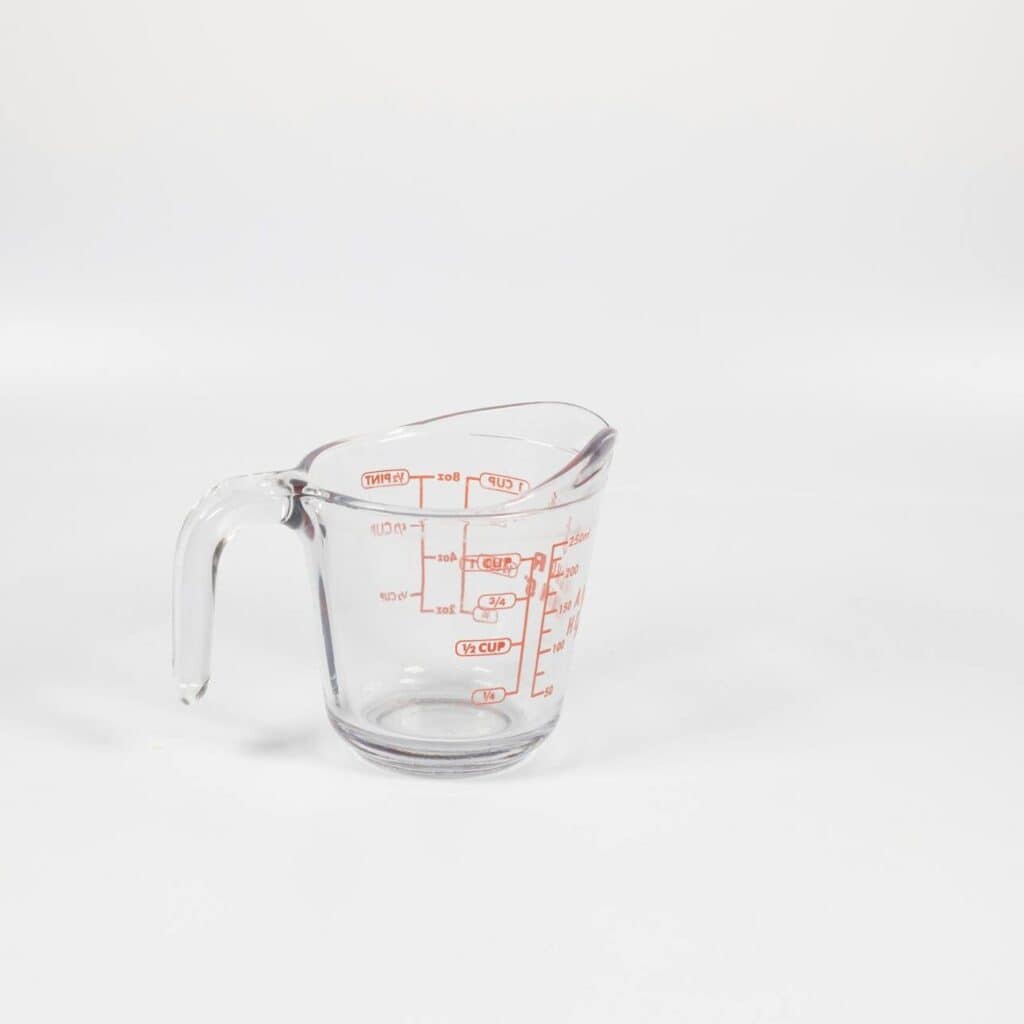
Measuring ingredients accurately can make or break your recipe. But what if you don’t have a 2/3 cup measuring tool?
Don’t worry—you’re not alone, and it’s easier than you think. You’ll discover simple, foolproof ways to measure 2/3 of a cup perfectly every time. Whether you’re baking a cake or cooking a meal, these tips will save you time and frustration.
Keep reading to become confident in your measuring skills and take your cooking to the next level!
Tools For Measuring
Measuring 2/3 of a cup correctly is important for cooking and baking. Using the right tools helps get accurate amounts.
Different tools work best depending on the ingredient and your kitchen setup. Let’s look at common options.
Types Of Measuring Cups
Measuring cups come in sets or single sizes. They can be made of plastic, metal, or glass. Dry measuring cups are best for flour or sugar.
To measure 2/3 cup, you can use a cup labeled 2/3 or fill a 1/3 cup twice. Use a flat edge to level off the top for accuracy.
- Dry measuring cups: For solid ingredients like flour or sugar
- Liquid measuring cups: Usually glass or plastic with a spout
- Nested sets: Include 1/4, 1/3, 1/2, and 1 cup sizes
Using Kitchen Scales
Kitchen scales give precise weight measurements. This method avoids errors from packing or air pockets in dry ingredients.
To measure 2/3 cup, first find the ingredient’s weight for that volume. Then, place a bowl on the scale and zero it out before adding the ingredient.
- Use grams or ounces for accuracy
- Zero the scale with the container on it
- Slowly add ingredient until you reach the target weight
Measuring 2/3 Cup Accurately
Measuring 2/3 cup can be tricky without the right tools. Using proper methods ensures your recipe turns out just right.
This guide shows simple ways to measure 2/3 cup with common kitchen tools.
Using A 1/3 Cup Twice
One easy way to get 2/3 cup is to fill a 1/3 cup measure two times. Pour the ingredient into the cup, level it off, then repeat.
Combining Smaller Measurements
If you don’t have a 1/3 cup, use smaller measures to add up to 2/3 cup. For example, use 1/4 cups and tablespoons to get the exact amount.
- Use two 1/4 cups plus two tablespoons
- Use four 1/8 cups plus one tablespoon
- Use six tablespoons plus two teaspoons
Filling And Leveling Techniques
Fill your measuring cup with the ingredient until it is overfull. Then use a flat edge to level off the top for accuracy.
| Tip | Reason |
| Fill to the top | Ensures you have enough ingredient |
| Level with a knife or spatula | Removes excess for exact measure |
| Use dry measuring cups for dry ingredients | Prevents spilling and uneven amounts |
Tips For Different Ingredients
Measuring 2/3 of a cup accurately can change the outcome of your recipe. Different ingredients need different measuring methods.
This guide covers tips for dry, liquid, sticky, and powdery ingredients to help you measure with ease.
Measuring Dry Ingredients
Use a dry measuring cup to scoop and level dry ingredients for accuracy. Spoon the ingredient into the cup instead of scooping directly from the container.
- Fill the cup slightly over 1/2 cup but less than a full cup.
- Add a small amount more to reach 2/3 cup.
- Level off the top with a straight edge, like a butter knife.
- Use this method for flour, sugar, and grains.
Measuring Liquid Ingredients
Use a liquid measuring cup with clear markings. Pour liquid slowly until the 2/3 cup line is reached at eye level.
| Ingredient | Tip |
| Water | Use a clear cup and check at eye level |
| Oil | Pour gently to avoid spilling |
| Milk | Allow to settle to avoid bubbles |
Handling Sticky Or Powdery Items
Sticky items like honey and powdery items like cocoa powder need special care to measure 2/3 cup correctly.
Sticky Ingredients:Lightly grease the measuring cup with oil or spray. This helps the ingredient slide out easily.
Powdery Ingredients:Sift or stir the ingredient before measuring to avoid clumps.
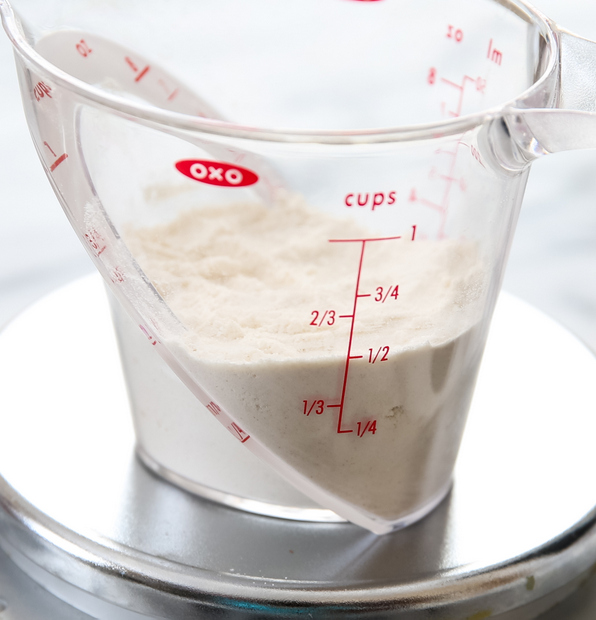
Credit: kirbiecravings.com
Common Mistakes To Avoid
Measuring 2/3 of a cup seems simple but many make errors. These mistakes affect the recipe’s outcome and taste.
Knowing what to avoid helps you measure ingredients correctly every time.
Overpacking Ingredients
Pressing or packing ingredients too tightly changes their volume. This mistake causes you to use more than 2/3 cup.
- Do not press flour or brown sugar down hard.
- Use a spoon to fill the cup lightly.
- Level off with a flat edge without tapping.
Ignoring Ingredient Density
Different ingredients have different densities. Using the same measuring method for all leads to errors.
| Ingredient | Measuring Tip |
| Flour | Lightly spoon into cup and level |
| Brown sugar | Pack firmly but do not compress |
| Chopped nuts | Fill cup loosely without shaking |
| Liquids | Use clear liquid measuring cup at eye level |
Using Incorrect Measuring Tools
Using the wrong tool causes wrong amounts. Dry and liquid ingredients need different cups.
Here is a quick guide:
- Dry ingredients:Use dry measuring cups. Fill, then level with a knife.
- Liquid ingredients:Use clear liquid measuring cups. Check amount at eye level.
- Small amounts:Use measuring spoons for precision.
Alternative Methods
Measuring 2/3 of a cup can be tricky without the right tools. You can use other methods to get an accurate amount.
These alternatives help when you don’t have a 2/3 cup measuring cup handy. Let’s explore some easy options.
Using Tablespoons For Precision
Tablespoons can help you measure 2/3 of a cup accurately. One cup equals 16 tablespoons.
- Know that 2/3 cup equals about 10 tablespoons and 2 teaspoons.
- Use 10 tablespoons plus 2 teaspoons to get the exact amount.
- Fill your tablespoon measure carefully for best results.
Converting To Milliliters
Measuring cups in milliliters can give you a clear number for 2/3 cup.
| Measurement | Amount |
| 1 cup | 240 ml |
| 2/3 cup | 160 ml |
| 1 tablespoon | 15 ml |
Use a liquid measuring cup marked with milliliters. Pour 160 ml for 2/3 cup.
Visual Estimation Tricks
You can estimate 2/3 cup by comparing it to common objects or parts of a cup.
- Fill a 1-cup measure about two-thirds full.
- Imagine dividing the cup into three equal parts and fill two.
- Use a standard coffee mug that holds about 1 cup, then fill it partially.

Credit: rhondasues.com

Credit: shawnacoronado.com
Frequently Asked Questions
How Can I Accurately Measure 2/3 Of A Cup?
To measure 2/3 of a cup, use a 1/3 cup twice. Fill the 1/3 cup, level it, and pour it into your mixing bowl. Repeat this process once more to make a total of 2/3 cup. This ensures accuracy without specialized measuring tools.
What Tools Can Help Measure 2/3 Of A Cup?
You can use a 1/3 cup measure twice to reach 2/3 cup. Alternatively, use a digital kitchen scale for precision. Weighing ingredients can offer more accuracy, especially for baking. Standard measuring cups often provide more consistency than improvisation.
Can I Estimate 2/3 Of A Cup Without Tools?
Yes, but accuracy might suffer. Use a regular cup and fill it slightly more than halfway. Visual estimation can work for non-critical recipes. However, precise measurements are crucial for baking or specific recipes. Investing in measuring tools is recommended for better results.
Why Is Measuring 2/3 Of A Cup Important?
Accurate measurements ensure recipe success, particularly in baking. Too much or too little can alter taste and texture. Consistent measurements help maintain flavor balance. Proper measuring prevents wasting ingredients and ensures the intended outcome of the dish.
Conclusion
Measuring 2/3 of a cup is simple with the right tools. Use a standard measuring cup or combine smaller measures. For example, fill a 1/3 cup twice or mix a 1/2 cup plus 2 tablespoons. Always level off ingredients for accuracy.
This method helps in cooking and baking every time. Practice makes it easier and faster. Now you can measure 2/3 cup confidently in any recipe. Enjoy cooking without guesswork!