Have you ever started a recipe only to wonder, “How do you measure a cup correctly?” Getting the right amount can make or break your dish.
Whether you’re baking a cake or cooking a savory meal, knowing how to measure a cup accurately saves you time and frustration. You’ll discover simple tips and tricks that anyone can use to measure a cup perfectly every time. Keep reading, and you’ll never have to guess again.
Credit: kirbiecravings.com
Importance Of Accurate Measurements
Measuring a cup correctly is key to good cooking and baking. Using the right amount keeps recipes consistent and tasty.
Accurate measurements help avoid problems like food that is too salty, dry, or sweet. They save time and ingredients.
Consistency In Recipes
When you measure ingredients the same way every time, your dishes turn out alike. This is important for both home cooks and professionals.
Impact On Taste And Texture
Too much or too little of an ingredient changes the flavor and texture. Accurate cups ensure the right balance of ingredients.
Avoiding Waste And Cost
Measuring carefully reduces waste. You use only what you need, which saves money and ingredients.
- Prevents throwing away spoiled food
- Helps plan grocery shopping better
- Reduces need to remake dishes
How To Measure A Cup Properly
Use dry measuring cups for flour and sugar. Use liquid measuring cups for water or milk.
Fill the cup to the top without packing ingredients down. Level off with a flat edge for dry ingredients.

Credit: www.amazon.com
Standard Measuring Tools
Measuring a cup correctly helps you cook and bake with good results. You need the right tools to measure ingredients.
There are three common tools to measure cups and spoons. Each tool is made for different types of ingredients.
Dry Measuring Cups
Dry measuring cups are used for solid or dry ingredients like flour and sugar. They come in sets with different sizes.
Fill the cup with the ingredient and level it off with a flat edge. This gives an exact amount.
- Usually made of plastic or metal
- Sizes range from 1/4 cup to 1 cup
- Used for flour, sugar, grains, and nuts
Liquid Measuring Cups
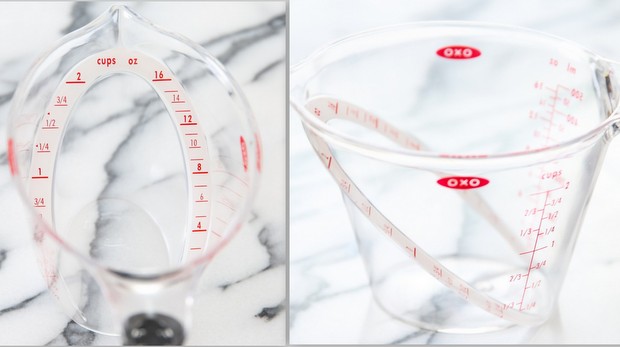
Liquid measuring cups hold wet ingredients like water, milk, or oil. They have a spout for easy pouring.
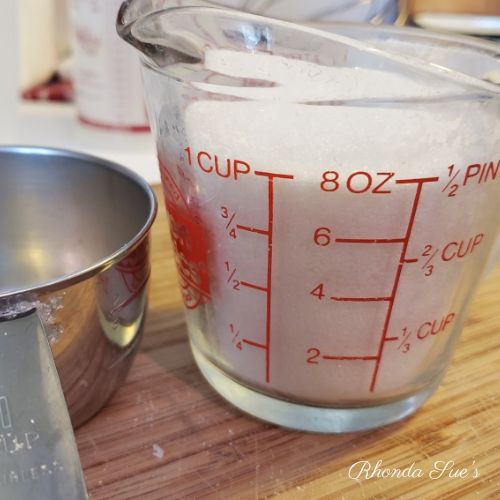
Look at the measurement lines on the side. Place the cup on a flat surface and check the level at eye line.
- Made of glass or clear plastic
- Common sizes are 1 cup, 2 cups, and 4 cups
- Good for measuring water, milk, and juice
Measuring Spoons
Measuring spoons are for small amounts of ingredients like salt, baking powder, or vanilla.
They come in sets with sizes from 1/4 teaspoon to 1 tablespoon. Fill the spoon and level it off for accuracy.
- Made of metal or plastic
- Common sizes: 1/4 tsp, 1/2 tsp, 1 tsp, 1 tbsp
- Used for spices, extracts, and small amounts of liquids
Converting Measurements
Measuring ingredients correctly is important for cooking and baking. Many recipes use cups, but you might need other units. Knowing how to convert cups helps you get the right amount every time.
This guide explains how to change cups into ounces, milliliters, and grams. These conversions make it easier to follow recipes from different places.
Cups To Ounces
Ounces measure volume or weight. In cooking, fluid ounces show liquid volume. One cup equals eight fluid ounces.
- 1 cup = 8 fluid ounces (fl oz)
- 2 cups = 16 fluid ounces
- ½ cup = 4 fluid ounces
Cups To Milliliters
Milliliters (ml) are metric units for liquid volume. One cup equals about 240 milliliters. This helps with recipes using metric measurements.
| Cups | Milliliters (ml) |
|---|---|
| 1 cup | 240 ml |
| 2 cups | 480 ml |
| ½ cup | 120 ml |
Cups To Grams
Grams measure weight, not volume. The gram amount changes by ingredient. For example, flour and sugar weigh different amounts in one cup.
| Ingredient | 1 Cup in Grams (g) |
|---|---|
| All-purpose flour | 120 g |
| Sugar | 200 g |
| Butter | 227 g |
| Rice | 185 g |
Tips For Measuring Dry Ingredients
Measuring dry ingredients correctly helps you bake with better results. Use the right tools and methods to get exact amounts.
Small changes in dry ingredient measurements can affect texture and taste. Learn how to measure with care.
Leveling Techniques
Leveling means removing extra ingredient from the measuring cup. It makes sure you use the exact amount needed.
- Scoop the ingredient into the measuring cup.
- Use a flat edge like a knife to scrape off the excess.
- Do not pack the ingredient unless the recipe says so.
- Check that the ingredient is even with the cup’s rim.
Sifting Vs. Scooping
Sifting and scooping affect ingredient volume. Knowing when to sift or scoop helps with accuracy.
| Method | When to Use | Effect on Measurement |
|---|---|---|
| Sifting | Flour or powdered sugar | Lightens and removes clumps |
| Scooping | Flour or sugar directly from container | Can compact, causing more ingredient |
Tips For Measuring Liquid Ingredients
Measuring liquid ingredients correctly is key for good cooking and baking. Small errors can change the results.
This guide helps you measure liquids with simple tips. It covers reading the meniscus and using a measuring jug.
Reading The Meniscus
Liquids curve at the surface, creating a shape called the meniscus. For accurate measurement, you must read the bottom of this curve.
- Place the container on a flat surface.
- Bend down to eye level with the liquid.
- Read the measurement at the lowest point of the meniscus.
- Avoid reading from above or below eye level to prevent errors.
Using A Measuring Jug
A measuring jug helps pour and measure liquids easily. It usually has clear markings for different volumes.
| Tip | Description |
| Choose the right size | Pick a jug close to the amount you need for better accuracy. |
| Check the markings | Use jugs with clear and easy-to-read marks. |
| Hold steady | Keep the jug on a flat surface while pouring and measuring. |
| Use the handle | Hold the jug with one hand and pour slowly for control. |

Credit: rhondasues.com
Common Measurement Mistakes
Measuring a cup correctly is important for good cooking and baking results. Many people make simple mistakes that change the recipe.
These errors can cause food to turn out too dry, too wet, or not taste right. Here are some common mistakes to avoid.
Overpacking Ingredients
Pressing or packing ingredients too tightly can change the amount you use. This is common with flour and brown sugar.
When you overpack, you add more than the recipe calls for. This can make your dish dense or dry.
- Use a spoon to fill flour lightly into the cup
- Do not press down on the ingredient
- Level off with a flat edge for accuracy
- Brown sugar may need gentle packing, but not hard pressing
Ignoring Temperature Effects
Temperature can change how ingredients measure in a cup. Cold or warm ingredients may pack differently.
Butter, for example, measures differently when cold versus melted. This affects the recipe balance.
- Measure butter when it is at the state the recipe says
- For liquids, use a clear cup at eye level
- Room temperature ingredients often measure more accurately
Adjusting Recipes Based On Measurements
Measuring ingredients correctly is key to good cooking. Knowing how to adjust recipes helps you get the right taste and texture.
Sometimes you need to change the amount of ingredients. This can be because you want to make more or less food or swap an ingredient.
Scaling Up Or Down
To scale a recipe, multiply or divide each ingredient by the amount you want. For example, double all ingredients to make twice the food.
Be careful with spices and seasonings. Add them little by little and taste as you go. Some ingredients do not scale perfectly.
- Multiply ingredients for larger servings
- Divide ingredients for fewer servings
- Adjust cooking time if needed
- Taste and tweak seasonings carefully
Ingredient Substitutions
Sometimes you don’t have the exact ingredient. You can swap it with a similar one but adjust the amount if needed.
For example, use yogurt instead of sour cream but use a bit less because of the extra moisture. Check how the substitute affects taste and texture.
- Swap liquids with similar thickness
- Replace sugar with honey but reduce quantity
- Use fresh herbs instead of dried but add more
- Check how substitutes change moisture and flavor
Frequently Asked Questions
How Do You Measure A Cup Without A Measuring Tool?
You can use common household items like a standard coffee mug or a liquid measuring cup. One standard cup equals 8 fluid ounces or about 237 milliliters. Be sure to level dry ingredients for accuracy and use liquid measuring cups for wet ingredients.
What Is The Difference Between Liquid And Dry Cup Measurement?
Liquid measuring cups allow you to see the liquid level at eye level. Dry measuring cups are meant to be filled and leveled off with a flat edge. Using the right type ensures accurate measurements and better recipe results.
Can You Use Weight Instead Of Measuring Cups?
Yes, weight measurements are often more precise, especially for baking. Use a kitchen scale to measure ingredients in grams or ounces. This helps avoid inconsistencies that come from different cup sizes or ingredient packing.
Why Is Measuring Cups Accuracy Important In Recipes?
Accurate measurements ensure consistent texture, taste, and appearance of your dish. Too much or too little of an ingredient can alter the outcome. Proper measuring helps you achieve the best cooking and baking results every time.
Conclusion
Measuring a cup is simple with the right tools and knowledge. Use standard measuring cups for dry and liquid ingredients. Always level dry ingredients for accuracy. Remember, different countries may use different cup sizes. Check recipes carefully to avoid mistakes.
Practicing these tips helps you cook and bake with confidence. Small steps lead to better results. Now, you can measure a cup easily every time.