Have you ever wondered how vacuum pressure is measured and why it matters? Whether you’re working in a lab, managing industrial equipment, or simply curious about science, understanding vacuum pressure is crucial.
Imagine being able to control environments precisely, ensuring safety and efficiency in various applications. By mastering the art of measuring vacuum pressure, you unlock the potential to enhance processes, improve product quality, and even save costs. Dive into this essential guide and discover the simple yet powerful techniques to measure vacuum pressure accurately.
This knowledge isn’t just for experts; it’s for anyone eager to grasp the unseen forces at play. Ready to uncover the secrets of vacuum pressure? Let’s explore how you can measure it with confidence.

Credit: www.amazon.com
Basics Of Vacuum Pressure
Understanding the basics of vacuum pressure is key to measuring it accurately. Vacuum pressure refers to the pressure below the atmospheric level. It plays a vital role in many scientific and industrial processes. Knowing how to define and measure vacuum pressure helps ensure safety and efficiency.
What Is Vacuum Pressure
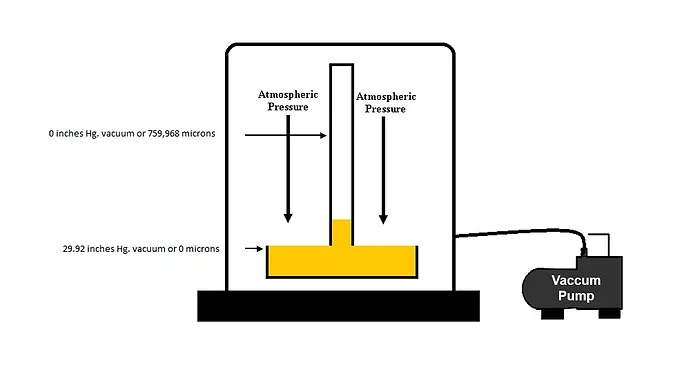
Vacuum pressure is the pressure lower than the surrounding air. It is the force exerted by gas molecules in a space. The fewer the molecules, the lower the pressure. This creates a vacuum or partial vacuum. Vacuum pressure is important in fields like physics, chemistry, and manufacturing.
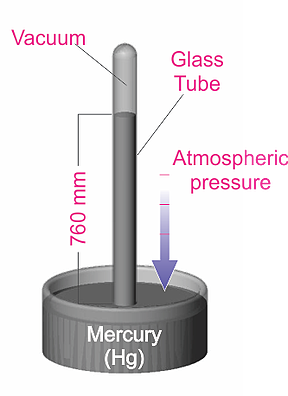
It is different from absolute pressure, which measures pressure from zero. Vacuum pressure often compares the pressure inside a container with atmospheric pressure outside.
Units Of Measurement
Vacuum pressure uses several units to express its value. Common units include:
- Torr – based on millimeters of mercury (mmHg)
- Pascal (Pa) – the SI unit of pressure
- Atmospheres (atm) – standard atmospheric pressure
- Inches of mercury (inHg) – often used in the US
Each unit helps express how much pressure is below atmospheric pressure. Understanding these units aids in reading and comparing vacuum gauges accurately.
Credit: info.teledyne-hi.com
Common Vacuum Pressure Gauges
Vacuum pressure gauges are tools that measure how much air or gas is removed from a space. They help check the level of vacuum in different equipment and processes. Various types of vacuum gauges exist, each working best in certain pressure ranges and environments.
Common vacuum pressure gauges include mechanical, thermal conductivity, and ionization gauges. Each type has unique features and uses, making them suitable for specific tasks.
Mechanical Gauges
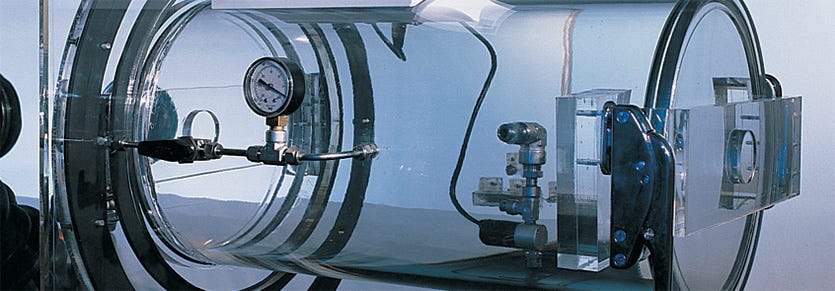
Mechanical gauges use physical parts to measure vacuum pressure. They often have a dial that shows the pressure level directly. These gauges are simple and easy to use. They work well in low to medium vacuum ranges. Common types are Bourdon tubes and diaphragm gauges. Mechanical gauges do not need power to operate. They are durable and cost-effective.
Thermal Conductivity Gauges
Thermal conductivity gauges measure vacuum by sensing heat loss. A small heated wire cools down based on gas pressure around it. Lower pressure means less cooling and higher wire temperature. This change helps calculate vacuum levels accurately. These gauges work best in medium to high vacuum ranges. They are sensitive and respond quickly. Thermal gauges need electrical power to function.
Ionization Gauges
Ionization gauges detect vacuum by ionizing gas molecules inside the gauge. They measure the electric current created by ions. The current size relates to the vacuum pressure. These gauges measure very low pressures, close to a perfect vacuum. They require a power source and are more complex. Ionization gauges are common in scientific and industrial applications.
Choosing The Right Gauge
Choosing the right gauge is essential for accurate vacuum pressure measurement. The gauge must match the vacuum system’s requirements. Picking the wrong gauge leads to incorrect readings and possible equipment damage.
Several factors affect this choice. Understanding these helps select the best gauge for your needs. Two critical aspects to consider are the pressure range and specific application requirements.
Pressure Range Considerations
Each gauge measures a specific pressure range. Ensure the gauge covers the vacuum level you expect. Using a gauge with a range too high or too low reduces accuracy.
Here are key points to check:
- Identify the lowest and highest vacuum pressures in your system.
- Choose a gauge that comfortably covers this range.
- A narrow range gauge provides better resolution and precision.
- Wide-range gauges offer flexibility but may lose detail at low pressures.
Application Specific Needs
Different applications require different gauge features. Consider the environment and how you will use the gauge. Some gauges handle harsh conditions better.
- For clean rooms, select a gauge with minimal contamination risk.
- In industrial settings, durability and resistance to chemicals matter.
- Portable gauges need to be lightweight and easy to read.
- Some applications require digital displays for quick monitoring.
- Others may need analog gauges for simplicity and reliability.
Calibration Techniques
Calibration techniques ensure vacuum pressure measurements are accurate and reliable. Without proper calibration, readings may be off, leading to errors in processes that depend on precise vacuum levels. Regular calibration helps maintain instrument performance and extends its lifespan.
Importance Of Calibration
Calibration verifies that the vacuum gauge shows the correct pressure. It prevents measurement drift caused by wear or environmental changes. Accurate vacuum readings are critical in industries like pharmaceuticals, electronics, and food packaging. Calibration builds trust in data and supports quality control.
Calibration Methods
Different methods exist to calibrate vacuum pressure gauges. The choice depends on the gauge type and required accuracy.
- Comparison with a Reference Standard:Using a well-calibrated reference gauge to compare readings.
- Dead Weight Tester:Applying known weights to create precise pressure for calibration.
- Gas Expansion Method:Using a controlled gas volume and temperature to determine pressure.
- Electronic Calibration:Simulating pressure signals electronically for sensor calibration.
Each method requires controlled conditions and trained personnel to ensure correct results. Calibration intervals depend on usage, environment, and manufacturer recommendations.
Advanced Measurement Methods
Advanced measurement methods for vacuum pressure offer you precision and reliability beyond traditional gauges. These techniques often use modern technology to provide quick, accurate readings, even in challenging environments. Understanding these options can help you choose the best tool for your specific needs and improve the quality of your work.
Optical Techniques
Optical techniques measure vacuum pressure by analyzing light behavior in a controlled environment. One popular method involves using laser interferometry, where changes in light waves indicate pressure variations.
This approach is highly sensitive and can detect extremely low pressures that other tools might miss. If you’ve ever worked in a lab, you might notice how optical methods reduce the impact of electromagnetic interference, making your readings more reliable.
Optical techniques also allow for non-contact measurement, which means you don’t risk contaminating the vacuum environment. Have you considered how this could improve your experiments or manufacturing processes?
Digital Sensors
Digital sensors use electronic components to convert vacuum pressure into readable digital signals. They often combine piezoelectric or capacitive elements with microprocessors to give you real-time data.
These sensors are compact, easy to install, and provide quick results on digital displays or connected devices. You might appreciate how they integrate with automated systems, allowing for continuous monitoring without manual checks.
Many digital sensors come with calibration features that keep your measurements accurate over time. Think about how this reduces downtime and maintenance costs in your operations.
Credit: www.terrauniversal.com
Common Challenges In Measurement
Measuring vacuum pressure is not always straightforward. You might think it’s just about connecting a gauge and reading numbers, but several challenges can affect accuracy. Understanding these common hurdles helps you get more reliable measurements and avoid costly mistakes.
Environmental Factors
Temperature and humidity can seriously impact vacuum pressure readings. For example, sudden temperature changes can cause the gauge to expand or contract, leading to false readings.
Dust and moisture in the environment can also clog sensors or interfere with their operation. Have you ever noticed inconsistent readings during different times of the day? This is often due to environmental shifts around your equipment.
Even altitude plays a role. Measuring vacuum pressure at sea level versus high elevation requires adjustments you might overlook. Are you accounting for these conditions when setting up your measurement system?
Equipment Limitations
Your gauge or sensor has a range and sensitivity that might not match the vacuum level you’re trying to measure. Using an inappropriate tool can give you misleading results.
Calibration drift is another common issue. Over time, sensors lose accuracy, especially if they aren’t recalibrated regularly. Have you checked when your equipment was last calibrated?
Additionally, some sensors react slowly to changes in pressure, making it hard to capture real-time fluctuations. This delay can be critical in processes requiring precise control.
Frequently Asked Questions
What Is Vacuum Pressure And How Is It Measured?
Vacuum pressure is the pressure below atmospheric level. It is measured using devices like vacuum gauges, which detect pressure differences. Common units include torr, pascal, and inches of mercury (inHg). Accurate measurement is essential in scientific and industrial applications.
Which Tools Are Best For Measuring Vacuum Pressure?
Common tools include mechanical gauges, Pirani gauges, and capacitance manometers. Each tool suits different vacuum ranges and accuracy needs. Selection depends on application type, pressure range, and precision required. Using the right tool ensures reliable vacuum pressure readings.
How Do Vacuum Gauges Work In Pressure Measurement?
Vacuum gauges measure pressure by detecting force exerted by gas molecules. Some use mechanical deflection, others use thermal conductivity or capacitance changes. They convert physical changes into readable values. This helps monitor and control vacuum processes effectively.
Why Is Accurate Vacuum Pressure Measurement Important?
Accurate vacuum measurement ensures system efficiency and safety. It prevents equipment damage and improves process control. Precise readings help maintain desired vacuum levels in scientific experiments and manufacturing. This leads to better product quality and energy savings.
Conclusion
Measuring vacuum pressure helps ensure machines work correctly. Using the right tools gives accurate and clear results. Regular checks keep systems safe and efficient. Understanding pressure units makes reading easier. Simple steps can prevent costly problems later. Keep learning about vacuum pressure for better control.
This knowledge supports smooth operation every day.