Have you ever wondered how vacuum cleaners suck up dirt so effortlessly? It’s all about the power of vacuum suction.
But how do you measure that power? Understanding vacuum suction isn’t just for engineers or tech enthusiasts; it can be useful for you, too, whether you’re shopping for a new vacuum or just curious about how things work. Imagine knowing exactly what makes one vacuum cleaner more powerful than another.
This knowledge can save you time, money, and hassle in the long run. Dive in, and you’ll discover how simple it is to measure vacuum suction and why it’s important for you. So, are you ready to unlock this hidden knowledge that could transform your cleaning game?
Credit: vacuumwars.com
Basics Of Vacuum Suction
Understanding the basics of vacuum suction is essential if you want to measure it accurately. Vacuum suction is all about creating a pressure difference that pulls air or liquid into a space. Knowing how it works helps you select the right tools and methods for measurement.
What Is Vacuum Suction
Vacuum suction happens when pressure inside a container is lower than the outside air pressure. This difference causes air or fluid to move toward the lower pressure area.
Think of it as a force that “sucks” objects or substances by reducing pressure. This force can be gentle, like a vacuum cleaner picking up dust, or strong, like industrial machines handling heavy materials.
You might wonder: how low does the pressure need to be to create effective suction? It depends on the application and the material being moved.
Common Applications
Vacuum suction is everywhere around you, even if you don’t notice it. Here are some common uses:
- Household devices:Vacuum cleaners and suction cups on hooks.
- Medical field:Devices for wound drainage or suction during surgeries.
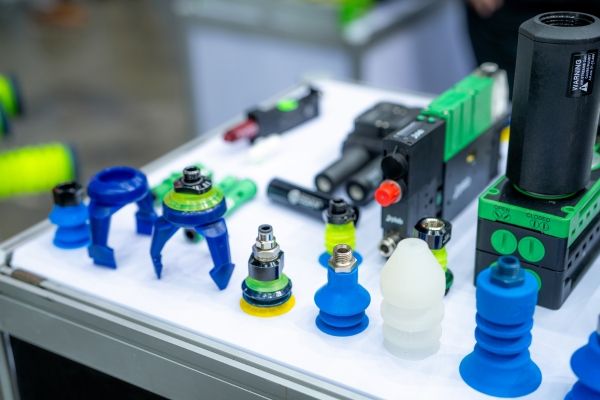
- Industrial automation:Robots using vacuum grippers to pick and place parts on assembly lines.
- Packaging:Vacuum sealing food to keep it fresh longer.
Each application requires different suction strengths and precise measurement to ensure efficiency. Have you ever tried lifting something heavy with a suction cup and felt it slip? That’s a direct example of why measuring suction correctly matters.

Credit: www.nourishedyoung.com
Key Vacuum Measurement Units
Understanding key vacuum measurement units is essential for accurate vacuum suction readings. These units help quantify how strong or weak the vacuum is. Using correct units ensures clear communication and proper device calibration. It also aids in comparing different vacuum systems effectively.
Pressure Units Explained
Vacuum pressure is measured in several units. Each unit shows pressure relative to atmospheric pressure or absolute zero pressure. Common units include:
- Pascals (Pa): The SI unit of pressure, measuring force per square meter.
- Torr: Based on millimeters of mercury, often used in science and industry.
- Bar: Equal to 100,000 Pascals, useful for larger pressure ranges.
- Inches of Mercury (inHg): Measures pressure using mercury column height.
- Millibar (mbar): One-thousandth of a bar, common in meteorology and vacuum systems.
Each unit provides a way to express vacuum levels clearly. Some units measure gauge pressure (relative to atmosphere). Others measure absolute pressure (relative to a perfect vacuum).
Choosing The Right Unit
Selecting the right unit depends on the vacuum system and its application. Industrial settings often prefer Pascals or Torr. HVAC and weather applications might use inches of mercury or millibar.
Consider these factors:
- Device specifications and calibration standards
- Ease of understanding for your audience
- Regional preferences or industry norms
- Range and precision required for your measurement
Using consistent units reduces confusion. It also improves data accuracy during vacuum system monitoring.
Tools For Measuring Vacuum
Measuring vacuum suction accurately is essential for various applications, from industrial processes to scientific research. The right tools help you monitor vacuum levels and ensure your equipment operates efficiently. Understanding these tools will empower you to make better decisions about maintenance and performance.
Vacuum Gauges Types
There are several types of vacuum gauges, each suited for different pressure ranges and uses. Some common types include:
- Mechanical Gauges:These are simple and durable, using a Bourdon tube to measure pressure. They work well for higher vacuum levels but aren’t very precise in very low pressures.
- Thermocouple Gauges:These measure vacuum by sensing heat loss from a heated wire. They are effective in medium vacuum ranges and are quite sensitive.
- Ionization Gauges:Ideal for extremely low pressures, they measure vacuum by ionizing gas molecules. They offer high accuracy but require careful handling and calibration.
Choosing the right gauge depends on your specific vacuum range and accuracy needs. Have you checked which gauge fits your equipment’s requirements?
Calibration Importance
Calibration ensures that your vacuum gauge provides accurate readings. Without regular calibration, even the best tools can give misleading data, affecting your system’s performance.
Think about a time when you trusted a gauge without calibration—did the process go smoothly? Regular calibration aligns your instrument with known standards, helping you avoid costly errors.
Set a routine for calibration based on your usage frequency and the critical nature of your vacuum measurements. This simple step can save you time and money while boosting reliability.
Techniques For Accurate Measurement
Accurate measurement of vacuum suction is key for reliable results. Precision helps maintain system performance and prevents damage. Using correct techniques ensures data reflects true vacuum levels. Small mistakes can cause large errors in readings. Understanding proper methods improves measurement quality and efficiency.
Proper Sensor Placement
Place the sensor close to the vacuum source for best results. Avoid locations with turbulence or leaks, as they distort readings. Ensure the sensor connects tightly to prevent air entry. Position sensors away from heat sources to avoid false signals. Use mounting brackets or holders to keep sensors stable during measurement.
Avoiding Common Errors
Check for leaks before starting measurements; even tiny leaks affect accuracy. Calibrate sensors regularly to maintain precision over time. Avoid rapid changes in vacuum pressure that confuse sensors. Use filters to protect sensors from dust and moisture. Record readings multiple times and average them to reduce random errors.
Interpreting Vacuum Data
Interpreting vacuum data is key to understanding suction performance. It helps identify whether the vacuum system works correctly or needs adjustment. Clear data reading prevents errors and improves system efficiency.
Analyzing Pressure Readings
Pressure readings show how strong the vacuum suction is. They are measured in units like pascals or inches of mercury. Lower pressure means better suction power. Watch for steady values; sudden changes may signal issues.
Compare readings over time to spot trends. Consistent drops could mean leaks or blockages. Use digital gauges for precise, real-time data. Record readings regularly to track system health.
Troubleshooting Tips
- Check for leaks in hoses and seals if pressure drops.
- Inspect filters for clogs that reduce suction strength.
- Ensure the vacuum pump runs smoothly without unusual noise.
- Clean or replace worn parts to restore proper pressure.
- Test the system under different loads to verify stability.
- Use a vacuum gauge to monitor exact pressure values.
Understanding vacuum data helps maintain effective suction. It saves time and avoids costly repairs. Always act on unusual readings quickly for best results.
Safety And Maintenance
Measuring vacuum suction requires careful attention to safety and maintenance. Proper handling and regular checks keep equipment working well. They also protect users from accidents and damage. Understanding how to maintain vacuum devices ensures accurate measurements every time.
Handling Equipment Safely
Always wear protective gloves and goggles when working with vacuum equipment. Handle devices gently to avoid sudden impacts. Keep electrical parts dry and clean to prevent shocks. Avoid touching moving parts during operation. Follow the manufacturer’s instructions strictly for safe use.
Routine Checks And Servicing
Inspect hoses and seals for cracks or leaks before each use. Replace worn or damaged parts immediately. Clean filters regularly to maintain suction power. Check pressure gauges for correct readings. Schedule professional servicing to ensure long-term performance and safety.

Credit: www.amazon.com
Frequently Asked Questions
What Tools Measure Vacuum Suction Effectively?
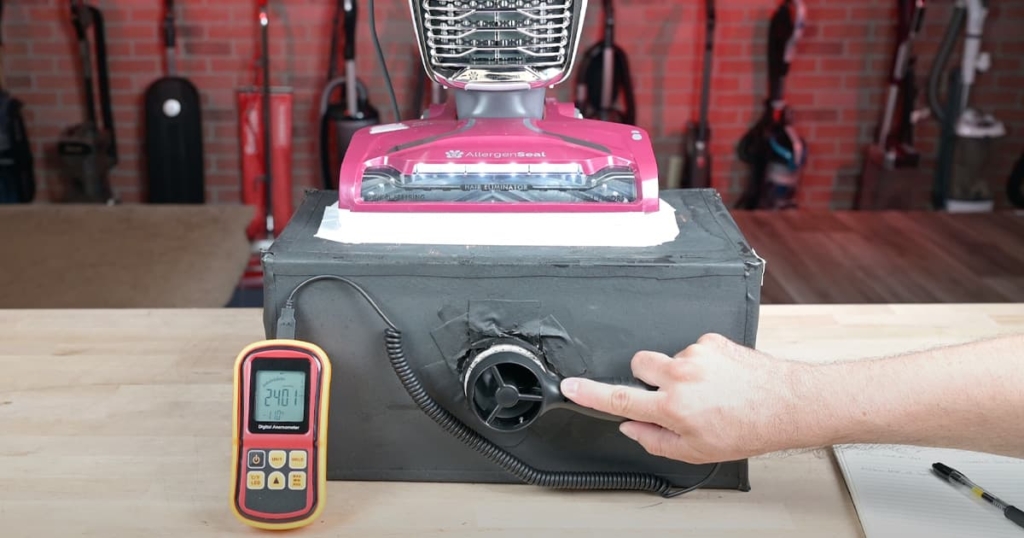
Vacuum gauges and pressure sensors measure vacuum suction accurately. They help monitor suction strength and system performance. Digital and analog gauges are common tools for precise readings.
How Is Vacuum Suction Strength Calculated?
Vacuum suction strength is calculated by measuring pressure difference. It compares atmospheric pressure to the pressure inside the vacuum. This difference indicates the suction force level.
Why Is Vacuum Suction Measurement Important?
Measuring vacuum suction ensures system efficiency and safety. It helps detect leaks or weak suction points early. Accurate measurement maintains optimal performance and prevents equipment damage.
Can Suction Cups Be Tested For Vacuum Strength?
Yes, suction cups are tested using vacuum pressure gauges. This ensures they hold firmly under specified conditions. Testing guarantees reliability in industrial and everyday applications.
Conclusion
Measuring vacuum suction helps ensure devices work correctly. Use proper tools like vacuum gauges for accurate readings. Check suction regularly to avoid performance issues. Simple steps make the process easy and clear. Understanding suction levels keeps equipment safe and efficient.
Accurate measurement saves time and prevents damage. Keep your vacuum systems running smoothly with these tips. Clear, regular checks improve results every time.