Have you ever wondered how you measure something that seems like nothing at all? Measuring vacuum might sound like a mystery, but it’s actually a fascinating process that plays a crucial role in various fields, from manufacturing to space exploration.
You might not think about it every day, but understanding how vacuum is measured can provide you with unique insights into the world around you. By diving into this topic, you’ll discover the hidden technology that ensures everything from the safety of your food packaging to the efficiency of high-tech gadgets.
Ready to uncover the secrets of vacuum measurement? Keep reading, and you’ll find out just how important this invisible force is in your daily life.
Credit: www.terrauniversal.com
Basics Of Vacuum Measurement
Understanding the basics of vacuum measurement is essential if you work with systems that involve air pressure control or require precise environmental conditions. Vacuum measurement lets you quantify how much air or gas has been removed from a space compared to normal atmospheric pressure. This knowledge can help you maintain equipment efficiency, ensure product quality, or troubleshoot issues in your setup.
What Is Vacuum Pressure
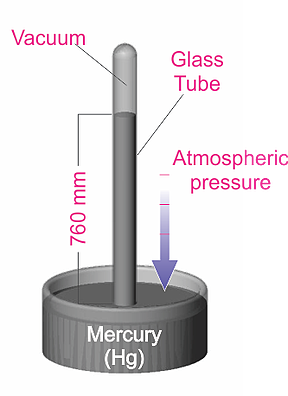
Vacuum pressure refers to the pressure in a space that is lower than the surrounding atmospheric pressure. Instead of measuring how much pressure is applied, it measures how much pressure is missing compared to the air around us.
Think of it like a partial vacuum inside a sealed container. The air pressure inside is less than outside, creating a suction effect. This difference is what vacuum pressure quantifies.
Units Of Measurement
Vacuum pressure is expressed in several units, depending on the industry or country. The most common units you will encounter include:
- Torr– Often used in scientific settings; 1 Torr equals 1 mmHg (millimeter of mercury).
- Pascal (Pa)– The SI unit of pressure; 1 Pascal equals one newton per square meter.
- Inches of Mercury (inHg)– Common in the US, especially for weather and automotive applications.
- Atmospheres (atm)– Sometimes used to express vacuum as a fraction of atmospheric pressure.
Have you noticed how different units can sometimes confuse vacuum readings? It’s important to know which unit your gauge uses and convert if necessary to avoid mistakes in your measurements.

Credit: www.amazon.com
Types Of Vacuum Gauges
Understanding the types of vacuum gauges is essential to accurately measure vacuum levels in different applications. Each type of gauge works on a unique principle, making it suitable for specific pressure ranges and environments. Choosing the right gauge can improve your measurement reliability and efficiency.
Mechanical Gauges
Mechanical gauges are straightforward devices that use physical movement to measure vacuum. One common example is the Bourdon tube gauge, which bends under pressure changes to show readings on a dial. These gauges are durable and don’t require power, making them ideal for rough conditions.
However, mechanical gauges often struggle with very low pressures and may not provide the precision needed for delicate tasks. Have you noticed how some gauges seem slower to respond? This lag happens because of the mechanical parts inside.
Electronic Gauges
Electronic gauges offer digital readings and higher accuracy compared to mechanical ones. They use sensors like piezoelectric or capacitive elements to detect pressure changes and convert them into electrical signals. This makes it easier to integrate with control systems for automated monitoring.
One practical benefit is their ability to log data over time, helping you track vacuum trends. Yet, keep in mind they require a power source and can be sensitive to electromagnetic interference. Would your setup support these requirements?
Thermal Conductivity Gauges
Thermal conductivity gauges measure vacuum by detecting heat loss from a heated wire in the vacuum environment. As pressure drops, less gas cools the wire, changing its temperature and electrical resistance. This change is translated into a vacuum measurement, particularly effective in very low-pressure ranges.
These gauges work well in clean systems but can be affected by gas composition changes. If you work with different gases, consider how this might impact your readings. Have you experienced inconsistent results with your current gauge?
Choosing The Right Gauge
Choosing the right gauge for measuring vacuum is crucial for reliable results. Different gauges suit different tasks and conditions. Picking the correct one ensures accurate readings and protects the equipment. Several factors influence this choice, such as the type of vacuum system and the environment where it operates. Understanding these elements helps select the best gauge for your needs.
Application Requirements
Identify the vacuum level you need to measure. Some gauges work better at low vacuum, others at high vacuum. Consider the system’s purpose and pressure range. Check if continuous monitoring or occasional checks are needed. Also, think about the gauge’s compatibility with the vacuum system’s materials and fluids.
Accuracy And Range
Choose a gauge with suitable accuracy for your task. Overly precise gauges may be costly and unnecessary. A gauge with a wide measurement range covers many vacuum levels. Narrow range gauges give better accuracy at specific pressures. Review the gauge’s specifications to match your measurement needs.
Environmental Factors
Consider the environment where the gauge will operate. High temperatures can affect gauge performance. Dust, moisture, or chemicals may damage some types of gauges. Select a gauge built to withstand these conditions. Also, check if the gauge requires calibration often under your environment.
Calibration Techniques
Calibration techniques are essential for accurate vacuum measurement. Proper calibration ensures the vacuum gauges provide reliable readings. It helps maintain equipment performance and safety. Understanding these techniques improves measurement quality and consistency.
Importance Of Calibration
Calibration guarantees the vacuum gauge reads correctly. It prevents errors that can affect processes and experiments. Regular calibration avoids costly downtime and repairs. It also ensures compliance with industry standards and regulations.
Calibration Procedures
Begin by comparing the vacuum gauge to a standard reference device. Use a known vacuum source with precise pressure levels. Adjust the gauge readings to match the reference values. Record all measurements and adjustments carefully. Use clean and stable equipment during calibration.
- Set the vacuum gauge to zero before starting.
- Apply known vacuum levels step-by-step.
- Note the differences and adjust the gauge accordingly.
- Repeat until the gauge reads within acceptable tolerance.
Frequency Of Calibration
Calibration frequency depends on the gauge usage and environment. High-use or critical applications need more frequent checks. A common practice is to calibrate every six months. Always follow manufacturer recommendations for the best schedule. Perform extra calibration after repairs or exposure to harsh conditions.
Common Measurement Errors
Measuring vacuum accurately is crucial for many applications. Small errors can lead to wrong readings and affect system performance. Common measurement errors often come from simple but overlooked sources. Understanding these mistakes helps improve vacuum measurement reliability.
Leakage And Contamination
Leaks in the system let air enter, causing higher pressure readings. Contaminants like dust or moisture can block sensors or damage gauges. Both issues lead to inaccurate vacuum measurements. Checking seals and cleaning equipment regularly reduces these problems.
Temperature Effects
Temperature changes affect vacuum readings significantly. Gauges can expand or contract, causing errors. Cold or hot environments alter sensor performance. Using temperature-compensated gauges or keeping the system at a stable temperature helps maintain accuracy.
Gauge Placement Issues
Where you place the vacuum gauge impacts its reading. Placing it too far from the vacuum source can give false results. Avoid locations with vibrations or strong electromagnetic fields. Position the gauge close to the measurement point for the best accuracy.
Best Practices For Accurate Readings
Accurate vacuum measurement is essential for reliable results and system efficiency. Achieving precision means paying close attention to how your tools are set up and maintained. Small errors in setup or neglecting maintenance can lead to misleading data, costing time and resources.
Proper Installation
Make sure the vacuum gauge is installed in the correct location for your application. Positioning it too close to leaks or turbulent flow can skew readings.
Use clean, dry connections and avoid tight bends or restrictions in the tubing. These can create false pressure drops that affect accuracy.
Check that seals and fittings are tight but not over-tightened, which might damage components or create leaks. Have you ever checked your gauge placement after noticing inconsistent results? It often reveals simple fixes.
Regular Maintenance
Vacuum sensors require regular cleaning and calibration to maintain accuracy. Dust, oil, or moisture buildup can block sensor ports or change sensitivity.
Schedule periodic checks against a known standard to catch drift early. Ignoring small calibration errors can cause bigger problems down the line.
Keep a maintenance log to track when and what was serviced. This habit helps identify patterns before they impact your measurements.
Data Logging And Analysis
Recording vacuum readings over time reveals trends and anomalies you might miss with spot checks. Use digital loggers or software when possible for continuous data capture.
Analyze the data regularly to spot sudden spikes or gradual shifts. These could indicate equipment wear or environmental changes affecting your system.
Have you compared your logged data with environmental conditions? Sometimes temperature or humidity can alter vacuum behavior, and awareness helps you adjust accordingly.
Advanced Tools And Technologies
Advanced tools and technologies have transformed how vacuum is measured. These tools offer high accuracy and ease of use. They help monitor vacuum levels in real-time and improve system performance. Modern devices also support remote data access and better control.
Digital Vacuum Sensors
Digital vacuum sensors provide precise vacuum readings instantly. They convert vacuum pressure into digital signals for easy interpretation. These sensors often include LCD displays for direct reading. Many models come with built-in calibration to maintain accuracy. They work well in various industries, including manufacturing and research. Digital sensors reduce errors compared to analog gauges. Their compact design fits into tight spaces easily.
Wireless Monitoring Systems
Wireless monitoring systems track vacuum levels remotely. They use wireless signals to send data to computers or mobile devices. This feature allows continuous vacuum monitoring without manual checks. Alerts can be set up to notify users of pressure changes. These systems improve safety by reducing the need for physical inspections. They also collect data for trend analysis and maintenance planning. Wireless systems work well in large or hard-to-reach areas.

Credit: www.welchvacuum.com
Frequently Asked Questions
What Tools Are Used To Measure Vacuum Pressure?
Vacuum pressure is measured using devices like vacuum gauges, manometers, and Pirani gauges. These tools detect pressure levels below atmospheric pressure. They provide precise readings for various vacuum ranges, ensuring accurate measurement in scientific and industrial applications.
How Does A Vacuum Gauge Work?
A vacuum gauge measures pressure by detecting force exerted by gas molecules. It converts this force into an electrical signal or dial reading. Different types, such as mechanical or electronic gauges, use distinct sensing methods but all provide accurate vacuum level readings.
What Units Are Used To Measure Vacuum?
Vacuum is commonly measured in units like torr, pascal (Pa), millibar (mbar), and inches of mercury (inHg). Each unit represents pressure below atmospheric levels. Choosing the right unit depends on the application and the vacuum range being measured.
Why Is Accurate Vacuum Measurement Important?
Accurate vacuum measurement ensures proper system performance and safety. It helps maintain process efficiency, prevents equipment damage, and meets quality standards. Precise vacuum control is critical in industries like manufacturing, healthcare, and research.
Conclusion
Measuring vacuum helps ensure machines work well and safely. Use the right tools for accurate and clear readings. Understand different units like pascals and millimeters of mercury. Regular checks prevent problems and save money on repairs. Keep your equipment in good shape by measuring vacuum often.
Simple steps make a big difference in results and safety. Stay consistent and careful for the best outcome every time.