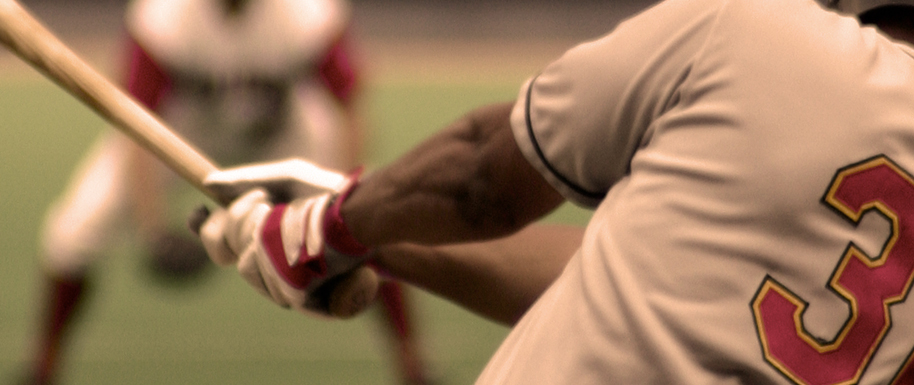
Choosing the right baseball bat can change the way you play the game. But with so many options out there, how do you know which one fits you best?
The bat you pick affects your swing, power, and even your confidence at the plate. Imagine stepping up to bat feeling sure you’ve got the perfect tool in your hands—how much better would your game be? You’ll discover simple tips and insider secrets to help you find a bat that feels like an extension of your arm.
Ready to unlock your full hitting potential? Let’s get started.
Types Of Baseball Bats
Baseball bats come in different materials and styles. Choosing the right type matters for your play.
This guide explains the main types of baseball bats to help you decide.
Wood Bats
Wood bats are the traditional choice. They offer good balance and feel. Many players prefer them for their classic touch.
- Made from ash, maple, or birch wood
- Heavier than other bats
- Can break if hit too hard
- Used in professional leagues
Metal Bats
Metal bats are popular in amateur and youth baseball. They are lighter and more durable than wood bats.
| Material | Weight | Durability | Use |
| Aluminum | Light | High | Youth & amateur leagues |
| Alloy | Light | Very high | Amateur leagues |
Composite Bats
Composite bats mix materials like carbon fiber. They give more power and less vibration.
- Made of layers of carbon and resin
- Lightweight and strong
- Usually more expensive
- Require a break-in period

Credit: www.demarini.com
Bat Length And Weight
Choosing the right baseball bat involves understanding its length and weight. Each player needs a bat that matches their size and strength.
Finding the perfect balance can improve your swing and overall performance on the field.
Choosing The Right Length
The length of a baseball bat affects your reach and swing speed. It’s important to choose a bat that suits your height and arm length.
| Player Height | Suggested Bat Length |
| Under 4’6″ | 27″-29″ |
| 4’6″ – 5′ | 29″-31″ |
| 5′ – 5’6″ | 31″-33″ |
| Over 5’6″ | 33″-34″ |
Selecting The Proper Weight
The weight of the bat impacts how quickly you can swing. A lighter bat allows for faster swings, while a heavier bat might provide more power.
- Consider your physical strength when choosing weight.
- Test different weights to find what feels comfortable.
- Ensure you can control the bat through the swing.
Balancing Length And Weight
Balancing the length and weight of a bat is crucial for optimal performance. A well-balanced bat helps improve accuracy and efficiency.
Bat Material Impact
Choosing the right baseball bat material affects how the bat lasts and performs. Different materials change the feel and power of your swing.
Knowing about material types helps you pick a bat that fits your needs and budget.
Durability Considerations
Wood bats can break easily but often offer good balance. Metal bats are stronger and last longer.
Composite bats use layered materials to resist cracks and dents better than wood or metal alone.
- Wood bats may crack or splinter on hard hits
- Aluminum bats resist dents and bending
- Composite bats reduce vibration and last longer
Performance Differences
Wood bats give a traditional feel with more feedback on contact. Metal bats offer a larger sweet spot for easier hits.
Composite bats deliver better speed and less vibration, helping players swing faster and feel less sting.
- Wood bats have a smaller sweet spot but better control
- Aluminum bats create faster ball exit speed
- Composite bats combine speed and comfort
Cost Factors
Wood bats are often cheaper but wear out faster. Aluminum bats cost more but last longer.
Composite bats tend to be the most expensive due to technology and materials used.
| Bat Material | Price Range | Typical Lifespan |
|---|---|---|
| Wood | Low to Medium | Short (breaks easily) |
| Aluminum | Medium to High | Long (resists damage) |
| Composite | High | Longest (durable layers) |

Credit: www.reddit.com
Bat Grip And Handle
The grip and handle of a baseball bat affect how well you swing and control the bat. Choosing the right grip type and handle thickness helps improve comfort and performance. This guide explains what to look for in these areas.
Paying attention to grip types, handle thickness, and overall comfort can make a big difference in your batting experience. Let’s explore each aspect in detail.
Grip Types
There are several grip types to consider. Each offers different feel and control. The right grip depends on your hand size and personal preference.
- Rubber grip:Offers a firm hold and absorbs sweat well.
- Leather grip:Feels natural and soft but may slip when wet.
- Tape wrap:Customizable thickness and texture for better control.
- Knob grip:Designed to prevent hands from slipping off the handle.
Handle Thickness
Handle thickness affects how easily you can hold and swing the bat. Thicker handles provide more power but may reduce control. Thinner handles offer better control but less power.
| Handle Thickness | Benefits | Who It Suits |
|---|---|---|
| Thin | Better control and faster swing | Younger players or those with small hands |
| Medium | Balance of power and control | Most players |
| Thick | More power but less control | Stronger players who prefer power hitting |
Comfort And Control
Comfort in your grip reduces hand fatigue and improves control. A comfortable handle lets you focus on your swing without distraction.
Tips for better comfort and control:
- Choose a grip material that feels soft but secure.
- Check if the handle has a slight taper to fit your hands.
- Use batting gloves to reduce slipping and vibration.
- Test the bat by holding and swinging it before buying.
League And Age Requirements
Choosing the right baseball bat depends on the league rules and the player’s age. Different leagues have rules about bat size, weight, and material.
Following these rules helps keep the game fair and safe for everyone. It also ensures players use bats suited for their skill level and strength.
Youth League Standards
Youth leagues often have strict bat rules to protect young players. Bats must meet specific length and weight limits. Many leagues require bats to have an approved certification mark.
These standards vary by age group and league. Using the right bat helps kids develop proper hitting skills safely.
- Most youth leagues require bats with a -10 drop weight (length minus weight)
- Bats must have USA Baseball or USSSA stamps
- Metal and composite bats are common, but wood is allowed in some leagues
- Bats usually range from 26 to 32 inches in length
High School And College Rules
High school and college baseball have strict bat rules set by governing bodies. Bats must meet standards for safety and performance. Most players use aluminum or composite bats.
Bats must have certification stamps to be legal. Wood bats are allowed but less common. Players must pick bats that fit league size and weight rules.
- High school bats must meet BBCOR certification
- BBCOR bats have a drop weight of -3
- College bats also require BBCOR certification
- Wood bats have no certification but must meet size limits
Professional Regulations
Professional baseball uses only wood bats. These bats must follow strict size and weight guidelines. Players select bats based on personal preference and league rules.
There are no certification marks needed for wood bats in the pros. Players often choose from maple, ash, or birch wood depending on feel and durability.
- Bat length can be up to 42 inches
- Bat weight varies with player preference
- Only wood bats are allowed in professional leagues
- No drop weight or certification stamps are required

Credit: www.justbats.com
Testing And Trying Bats
Picking the right baseball bat means trying many bats before you decide. Testing helps find a bat that feels good and fits your style.
Each bat can feel different when you swing it. Testing helps you see which one works best for your strength and technique.
Swinging Techniques
Try swinging the bat in different ways to check how it moves. Use your normal swing to see if the bat feels natural.
Test short swings and full swings. This helps you notice how the bat handles during quick hits and strong hits.
- Swing the bat slowly to feel the weight
- Try fast swings to test control
- Practice your usual batting stance
- Check the balance of the bat during swings
Feel And Feedback
Pay close attention to how the bat feels in your hands. A good bat feels comfortable and easy to control.
Listen to the sound when you hit a ball. Solid contact often gives a crisp, clean sound.
- Check if the bat feels too heavy or light
- Notice any vibrations when you hit the ball
- Feel if the grip is comfortable and secure
- Use feedback from coaches or teammates
Making Final Adjustments
After testing, make small changes to find the best fit. Adjust the grip size or try a different length if needed.
Check the bat’s weight and balance again. Choose the bat that feels easiest and most natural to swing.
- Try different grip tapes for better hold
- Test a slightly longer or shorter bat
- Choose the weight that helps your swing speed
- Make sure the bat fits your height and strength
Bat Maintenance Tips
Keeping your baseball bat in good shape helps it last longer. Proper care also keeps it safe to use.
This guide covers cleaning, checking for damage, and ways to extend your bat’s life.
Cleaning And Storage
Clean your bat after every use to remove dirt and debris. Use a soft cloth with warm water. Avoid harsh chemicals that may damage the bat’s finish.
- Wipe the bat dry after cleaning
- Store it in a cool, dry place
- Keep the bat away from direct sunlight
- Use a bat sleeve or cover for protection
Inspecting For Damage
Regularly check your bat for cracks, dents, or loose parts. Small damage can grow and make the bat unsafe.
| Type of Damage | Signs to Watch For |
| Cracks | Visible lines or splits on the barrel or handle |
| Dents | Areas that feel soft or uneven when touched |
| Loose Grip | Grip slipping or rotating on the handle |
Extending Bat Lifespan
Use your bat correctly to help it last longer. Avoid hitting balls that are too hard or using the bat on rough surfaces.
- Use the bat only for baseball or softball
- Do not throw or drop the bat
- Rotate bats if you play often to reduce wear
- Keep the bat dry and clean at all times
Frequently Asked Questions
How To Choose The Right Baseball Bat Length?
Pick a bat length based on your height and age. Generally, taller players need longer bats for better reach. Try different lengths to find comfort and control. Ensure the bat feels balanced and not too heavy for your swing.
What Weight Should A Baseball Bat Be?
The bat’s weight depends on your strength and hitting style. Lighter bats allow faster swings, while heavier bats generate more power. Choose a weight that feels manageable and lets you swing naturally without straining.
Which Material Is Best For A Baseball Bat?
Aluminum and composite bats offer lightweight durability and power. Wood bats provide traditional feel but may break more easily. For beginners, aluminum or composite bats are often recommended for performance and longevity.
How To Know The Right Bat Diameter?
Bat diameter usually ranges from 2 1/4 to 2 5/8 inches. Youth players typically use 2 1/4-inch barrels, while adults may prefer 2 5/8 inches for a larger sweet spot. Choose based on league rules and personal comfort.
Conclusion
Choosing the right baseball bat takes time and thought. Think about your size, strength, and skill level first. Try different bats to find what feels best in hand. Remember, a bat that fits well helps you hit better. Keep your budget in mind while picking quality materials.
Practice with your chosen bat to get comfortable. A good bat supports your growth in baseball. Take your time, and enjoy the process of finding your perfect bat. Your best hit starts with the right bat in hand.