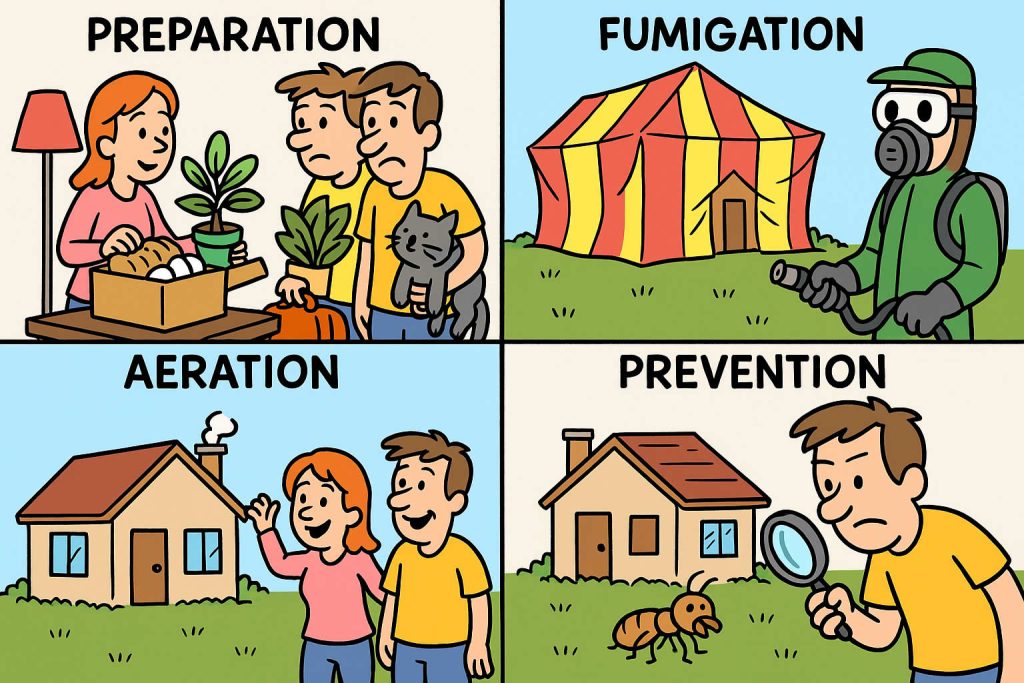
Are you worried about termites damaging your home? Preparing for termite tenting might sound overwhelming, but it doesn’t have to be.
Knowing exactly what to expect and how to get ready can save you time, stress, and even money. You’ll discover simple, clear steps to prepare your home and family for termite tenting. By following these tips, you’ll make the process smoother and protect your biggest investment.
Keep reading to learn how to get ready and feel confident throughout the entire treatment.

Credit: www.proventermitesolutions.com
Signs Of Termite Infestation
Termites can cause serious damage to your home. It is important to spot their signs early. This helps you prepare for termite tenting.
Knowing what to look for can save you time and money. Here are common signs that indicate termites may be present.
Common Indicators
Termites leave behind clues as they eat wood and build tunnels. These signs help you identify an infestation early.
- Hollow-sounding wood when tapped
- Swarmers or winged termites near windows or doors
- Discarded wings on window sills or floors
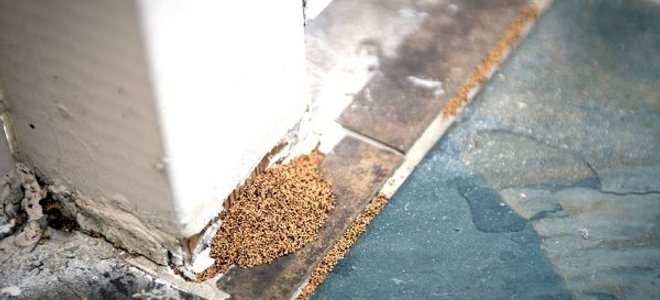
- Small piles of dirt or mud tubes on walls and foundations
- Cracked or bubbling paint on wood surfaces
- Damaged wood that looks blistered or uneven
Areas To Inspect
Termites like warm, moist places near wood. Check these areas carefully for signs of activity.
- Basements and crawl spaces
- Wooden beams and floor joists
- Around door and window frames
- Near plumbing and water leaks
- Wood piles or debris close to the house
- Exterior foundation walls and soil next to them
Regular inspection of these spots helps detect termites early. This makes preparing for tenting easier and more effective.
Scheduling The Tent Treatment
Preparing for termite tenting involves careful planning. Scheduling the tent treatment is crucial for a smooth process. You must consider the timing and coordination with professionals.
This guide will help you pick the right time and work with experts. Make sure your home is ready for the treatment.
Choosing The Right Time
Pick a time that causes the least disruption to your life. Consider work and school schedules. Plan to stay away from home for a few days.
Weather can affect the treatment. Check the forecast to avoid rain or storms. A calm, dry day is ideal for tenting.
- Choose non-busy times like holidays or weekends
- Check weather forecasts for dry conditions
- Coordinate with family members for a smooth process
Coordinating With Professionals
Talk to pest control experts early. They will guide you on the treatment process. Ask questions to understand what you need to do.
Ensure all items are removed or protected. Professionals may offer advice on what to pack or cover. Follow their instructions for safety.
- Schedule a consultation with pest control experts
- Discuss any special needs for your home
- Prepare to follow expert guidelines for safe tenting
Clearing The Home
Preparing your home for termite tenting is important to keep things safe. Clearing the home helps the treatment work well and protects your belongings.
Focus on removing items that could be harmed or get in the way during the tenting process. This makes the job easier for the pest control team.
Removing Food And Utensils
All food must be taken out of the house before tenting starts. Fumes from the chemicals can contaminate food and make it unsafe to eat.
Utensils, plates, and cooking tools should also be removed or sealed tightly. This stops any harmful residue from sticking to them.
- Take all fresh and packaged food outside
- Empty the refrigerator and freezer
- Seal cooking utensils in plastic bags
- Remove pet food and water bowls
- Do not leave any open containers with food
Packing Personal Items
Personal items like clothes, books, and toys should be packed away. This protects them from chemicals and dust during the treatment.
Use plastic bins or sealed boxes to store these items. Keep them in a safe place outside the home until the tenting is done.
- Pack clothes in airtight bags or containers
- Store books and papers in sealed boxes
- Keep toys and personal items off the floor
- Move valuables to a secure location outside
- Label boxes to find items easily later
Protecting Plants And Pets
Termite tenting uses strong chemicals to kill pests. These chemicals can harm plants and pets if not protected.
Preparing your plants and pets properly helps keep them safe during termite treatment.
Moving Outdoor Plants
Take outdoor plants away from your home before tenting starts. Chemicals can damage or kill plants.
Place plants in a shaded, safe spot. Avoid areas where chemicals might blow or drip.
- Move plants at least 20 feet from the house
- Keep plants watered to reduce stress
- Check plants for damage after the treatment
Arranging Pet Care
Pets must leave the home during termite tenting. Chemicals can be harmful to animals.
Plan a safe place for pets to stay. This could be a friend’s home or a pet boarding center.
- Remove pet food, toys, and bedding from the house
- Keep pets away from the home for at least 24 hours
- Follow pest control advice about when pets can return
Preparing Utilities And Appliances
Getting ready for termite tenting means you must prepare your home’s utilities and appliances. This helps keep them safe during the treatment.
Proper preparation avoids damage and ensures the pest control process goes smoothly.
Unplugging Electronics
Unplug all electronic devices before the tenting starts. This stops damage from chemicals or power surges.
Take out smaller devices like TVs, computers, and chargers. If you cannot remove bigger electronics, cover them with plastic sheets.
- Unplug TVs, computers, and gaming consoles
- Remove phone chargers and small appliances
- Cover large electronics with plastic wrap
- Keep devices away from walls and floors
Securing Hvac Systems
Turn off your heating, ventilation, and air conditioning (HVAC) system before tenting. This prevents chemicals from spreading inside your ducts.
Seal vents and air returns with plastic and tape. This keeps the system safe and avoids contamination during treatment.
- Switch off HVAC power supply
- Cover vents with plastic and tape
- Close all air returns tightly
- Inform your pest control team about the HVAC setup
Credit: californiatermiteandpestcontrol.com
During The Tent Treatment
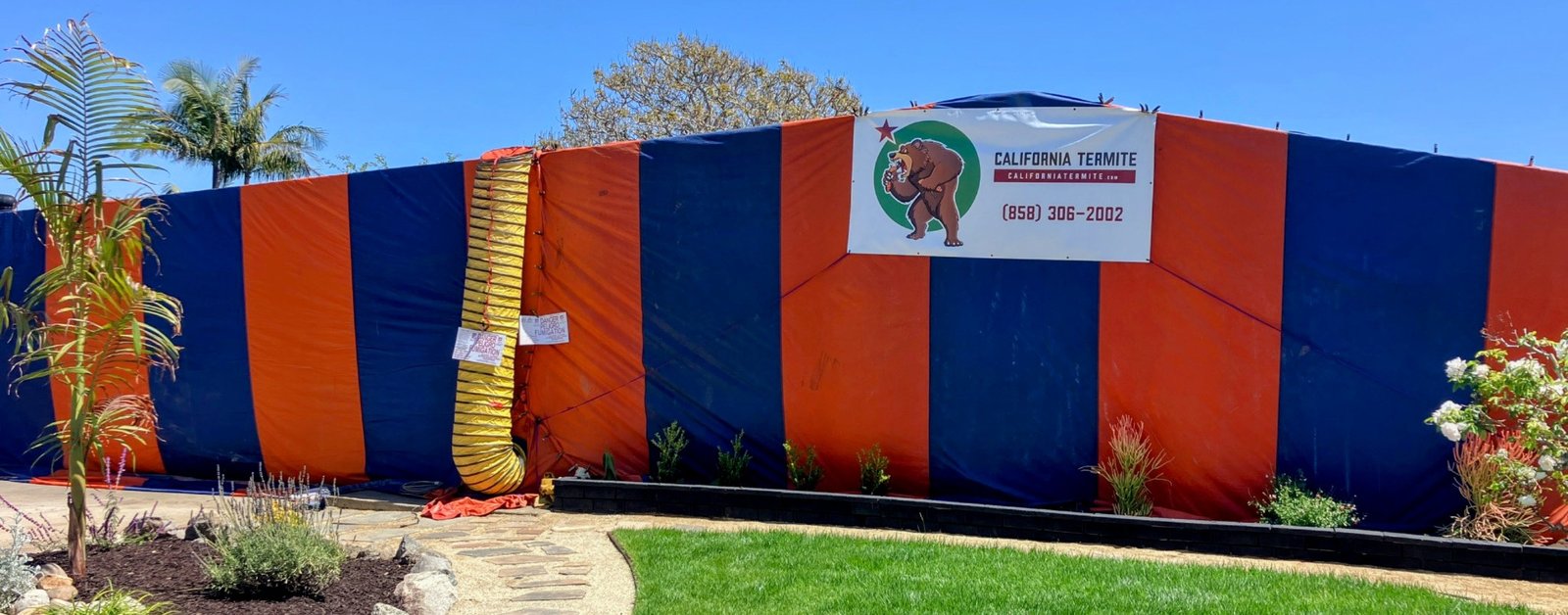
Termite tenting is a process where a home is covered with a large tent. This allows professionals to treat the home safely. During this time, it is important to know what will happen inside and outside the tent.
The treatment involves using chemicals that kill termites. You will not be able to enter the home until the treatment is complete and it is safe.
What To Expect
The home will be sealed tightly with a large tent made of plastic sheets. This keeps the chemical gas inside to kill termites. The process usually takes 24 to 72 hours.
You will need to leave your home during the treatment. The professionals will check the tent for leaks. They will also make sure the gas spreads evenly.
- The home is covered completely with a tent
- Gas is released inside the tent to kill termites
- The process lasts one to three days
- Professionals monitor the tent and gas levels
- Re-entry is allowed only after safety checks
Safety Precautions
You must leave your home during the entire treatment. Stay away until the company says it is safe to return. The gas used is harmful to people and pets.
Remove all food, plants, and pet items before tenting. Make sure windows and doors are closed and sealed. Follow all instructions given by the pest control team.
- Leave the house during treatment
- Do not enter until given permission
- Remove food and plants before tenting
- Seal all openings tightly
- Follow all professional instructions
Post-treatment Steps
After termite tenting, certain steps help ensure safety and comfort. These steps reduce risks and prepare your home for normal use.
Follow these instructions carefully to protect your family and your property after the treatment ends.
Ventilating The Home
Proper ventilation clears out chemical fumes and refreshes indoor air. Open all windows and doors as soon as the tent is removed.
- Run fans in each room to increase air flow.
- Use exhaust fans in kitchens and bathrooms.
- Keep pets and children away until the air feels fresh.
- Wait at least 24 hours before reoccupying the house.
Cleaning Procedures
Cleaning helps remove any chemical residues left after the treatment. Focus on surfaces that come into contact with skin or food.
| Area | Recommended Cleaning Method |
| Floors | Sweep and mop with mild soap and water |
| Countertops | Wipe with damp cloth and mild detergent |
| Furniture | Dust and vacuum upholstery |
| Kitchenware | Wash thoroughly before use |
Credit: www.doityourself.com
Preventing Future Infestations
Termite tenting can remove pests from your home. After treatment, you must work to stop termites from coming back. Regular care helps protect your house.
Taking simple steps keeps termites away. Learning how to check and maintain your home is important for long-term safety.
Regular Inspections
Check your home often for signs of termites. Look for mud tubes, damaged wood, or hollow sounds in wood. Early detection can stop big problems.
Hire a professional inspector at least once a year. They can find hidden termite activity. Regular inspections help catch issues early.
- Look under sinks and around pipes
- Check wooden structures and fences
- Inspect crawl spaces and basements
- Watch for small piles of wood dust
Maintenance Tips
Fix leaks and remove wood that touches soil. Termites need moisture and wood to survive. Keeping your home dry helps prevent infestations.
Keep your yard clean and remove old wood or debris. Use termite-resistant materials when building or repairing. These actions lower the chance of termites returning.
- Seal cracks in foundation and walls
- Keep gutters clean and direct water away
- Store firewood away from the house
- Trim tree branches near your home
Frequently Asked Questions
What Steps Are Involved In Termite Tenting Preparation?
Preparing for termite tenting involves removing food, plants, and pets. Secure valuables and plan for temporary relocation. Clean and ventilate after treatment.
How Long Should I Leave My Home During Termite Tenting?
You should vacate your home for 2 to 4 days. This ensures the fumigant effectively eliminates termites and dissipates safely before re-entry.
What Items Must Be Removed Before Termite Tenting?
Remove all food, medications, plants, and pets. Seal foods that can’t be removed in airtight containers to avoid contamination during fumigation.
Can I Stay Home During Termite Tenting Treatment?
No, staying home during termite tenting is unsafe. The chemicals used are toxic, requiring all occupants to leave until cleared.
Conclusion
Preparing for termite tenting helps protect your home from damage. Clear all food and water sources to keep safe during treatment. Move pets and plants outside to avoid harm. Follow all instructions from the pest control team carefully. Stay calm; the process is quick and effective.
Proper preparation leads to better results and peace of mind. Remember, a well-prepared home can stop termites for good. Take these steps seriously to protect your biggest investment. Simple actions now can save you money later.