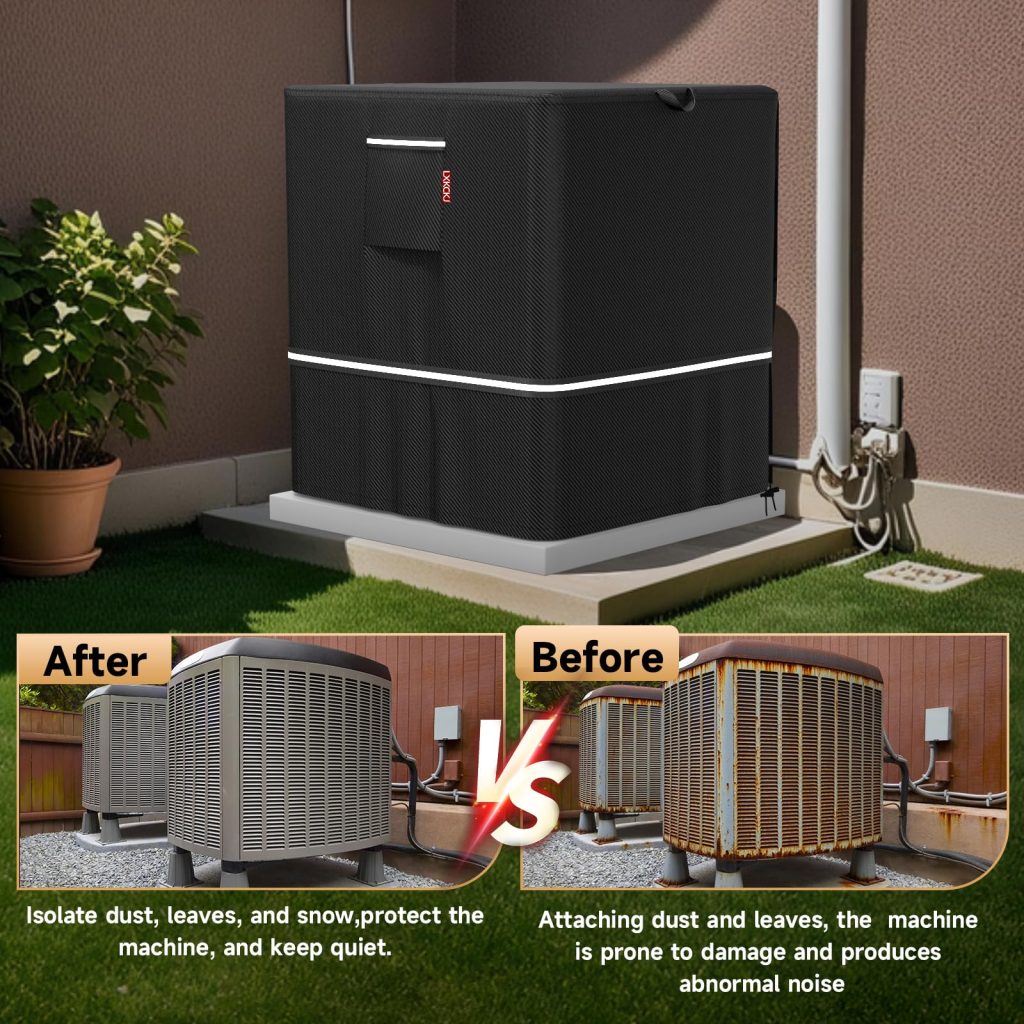
Your air conditioner works hard to keep you cool during the hot months. But when winter arrives, many people forget that your AC still needs protection.
Leaving it exposed to cold weather can cause damage and cost you more in repairs. You might wonder, how do you protect an air conditioner in the winter? This guide will show you simple, effective steps you can take to keep your unit safe and ready for next summer.
Keep reading to learn how to save your AC and avoid unnecessary expenses.
Winter Risks For Air Conditioners
Cold weather can harm air conditioners if they are not protected. Winter brings several risks that affect the unit’s parts and function.
Knowing these risks helps you take simple steps to keep your air conditioner safe during winter months.
Impact Of Cold Temperatures
Freezing temperatures can cause metal parts in the air conditioner to contract. This can lead to cracks and leaks in the system.
Cold can also thicken the oil inside the unit, making it harder for the motor to run smoothly. This may cause damage if the unit starts unexpectedly.
Damage From Snow And Ice
Snow buildup on and around the unit puts pressure on the casing and parts. Ice can form on the fan blades and block airflow.
- Weight of snow may bend or break the unit’s fins
- Ice can stop the fan from spinning properly
- Snow melting and refreezing can cause cracks
- Blocked airflow reduces efficiency and causes wear
Effects Of Moisture And Debris
Moisture can enter the unit during winter storms. It can lead to rust and electrical issues if not drained properly.
| Type of Damage | Cause | Result |
|---|---|---|
| Rust | Moisture buildup | Corrosion of metal parts |
| Electrical shorts | Water entering wiring | System failure or fire risk |
| Debris clogging | Leaves and dirt | Poor airflow and damage |
Preparing Your Air Conditioner
Protecting your air conditioner in winter helps it last longer. Preparing the unit before cold weather is important. You can avoid damage and costly repairs.
This guide covers cleaning the unit, inspecting for damage, and checking electrical parts. Follow these steps to keep your air conditioner safe in winter.
Cleaning The Unit
Start by cleaning the outside of the air conditioner. Remove leaves, dirt, and debris around it. Clear the area to allow good airflow.
- Turn off the power to the unit.
- Remove leaves and dirt from the top and sides.
- Use a garden hose to gently wash the fins.
- Let the unit dry fully before covering.
Inspecting For Damage
Check the air conditioner for any signs of damage. Look for cracks or rust on the casing. Make sure no parts are loose or broken.
| Problem | What to Do |
| Cracks in casing | Seal with waterproof tape |
| Rust spots | Clean and apply rust inhibitor |
| Loose screws | Tighten with screwdriver |
| Damaged fins | Straighten with fin comb |
Checking Electrical Components
Inspect electrical parts to prevent issues. Look at wires and connections for wear or corrosion. Ensure the power switch works properly.
Here are key points to check:
- Power cord is intact and free from cracks
- Wires are secure and not frayed
- Connections are tight and clean
- Switch turns on and off without problems
Protective Measures
Protecting your air conditioner in winter helps it last longer. Cold weather and snow can damage the unit.
Taking some simple steps keeps your air conditioner safe during winter months.
Using A Weatherproof Cover
Use a weatherproof cover to protect your air conditioner from snow and rain. Covers stop moisture from entering the unit.
Make sure the cover fits well and allows air to flow. Avoid airtight covers to prevent mold and rust inside.
- Choose a cover made of durable, waterproof material
- Secure the cover tightly to avoid wind damage
- Check the cover regularly for tears or holes
Elevating The Unit
Raise your air conditioner off the ground to keep it safe from snow buildup. Elevation prevents water damage during melting.
You can use a sturdy platform or blocks to lift the unit a few inches above the ground.
- Use waterproof materials for the platform
- Ensure the platform is stable and level
- Keep the elevation height enough to avoid snow cover
Securing Loose Parts
Check your air conditioner for any loose screws or parts before winter. Loose parts can break from wind or ice.
Tighten all screws and fastenings to keep the unit strong and stable during harsh weather.
- Inspect screws, bolts, and brackets
- Replace any worn or rusted parts
- Secure the fan and protective grills

Credit: thechillbrothers.com
Maintenance Tips During Winter
Winter can be tough on your air conditioner. Proper care helps it last longer. You can protect it by following simple steps.
Keeping your air conditioner safe in cold months saves money. Regular checks and cleaning are important. This guide shares easy tips.
Regular Inspections
Check your air conditioner often during winter. Look for signs of damage or wear. Early fixes prevent bigger problems later.
Inspect parts like the fan, coils, and wiring. Make sure nothing is loose or broken. Clean dirt and debris off the unit.
- Look for cracks or rust on the unit
- Check electrical connections for safety
- Remove leaves and dirt around the AC
- Test the unit for unusual noises
Clearing Snow And Ice
Snow and ice can block your air conditioner. Clear them away carefully to avoid damage. This keeps the unit working well.
Use a soft brush or broom to remove snow. Do not use sharp tools that can harm the surface. Check often after storms or heavy snow.
- Clear snow within 24 hours after snowfall
- Gently remove ice build-up on coils
- Keep the area around the unit free of snow
- Do not pour hot water on frozen parts
Avoiding Excessive Moisture
Too much moisture harms your air conditioner. It can cause rust and electrical problems. Keep the unit dry to protect it.
Cover the unit with a breathable cover. This stops water from getting in but lets air flow out. Avoid plastic covers that trap moisture.
- Use covers made for air conditioners
- Remove covers during sunny days to air out
- Check for water puddles near the unit
- Keep gutters and drains clear to prevent leaks
When To Call A Professional
Protecting your air conditioner in winter is important. Sometimes, you need expert help to avoid damage.
Knowing when to call a professional can save you money and keep your system working well.
Identifying Serious Issues
Some problems with your air conditioner need a professional’s attention right away. Ignoring these can cause bigger damage.
Look for signs like strange noises, leaks, or frozen parts. These issues can harm your system during winter.
- Loud or unusual sounds coming from the unit
- Visible water or refrigerant leaks
- Ice buildup on coils or pipes
- Unit not turning on or running properly
Scheduling Pre-winter Servicing
Calling a professional before winter helps keep your air conditioner safe. They check and fix small problems early.
Regular servicing includes cleaning, inspecting parts, and testing performance. This prepares the unit for cold weather.
- Clean or replace filters
- Check refrigerant levels
- Inspect electrical connections
- Test thermostat and controls
- Clear debris around the unit

Credit: www.reddit.com

Credit: kayplumbing.com
Frequently Asked Questions
How To Cover An Ac Unit For Winter?
Cover your AC unit with a breathable, waterproof cover to protect it from snow and debris. Ensure it’s securely fastened, but allow some ventilation to prevent moisture build-up. This will help maintain the unit’s condition and extend its lifespan.
Should I Remove Debris From Around The Ac?
Yes, clear any debris like leaves, branches, or dirt around the AC unit. This prevents moisture accumulation and potential damage. It also ensures that the area is clean and reduces the risk of rust or corrosion during winter months.
Is It Necessary To Turn Off The Ac Power?
Yes, turn off the AC power to prevent accidental activation during winter. This protects the unit from potential electrical issues. Locate the exterior circuit and switch it off. This simple step helps in maintaining the unit’s efficiency and safety.
How Do I Prevent Rust On My Ac?
To prevent rust, ensure the AC unit is clean and dry before winter. Apply a rust-resistant spray for added protection. Regular maintenance and inspection can also help identify potential rust spots early, ensuring the unit remains in good condition.
Conclusion
Protecting your air conditioner in winter saves money and extends its life. Cover the unit to keep out snow and ice. Clean the area around it to prevent debris buildup. Turn off the power to avoid damage during storms. Check the system regularly for any signs of trouble.
Simple care keeps your AC ready for warmer days. Don’t skip winter protection—it helps your home stay comfortable year-round. Taking small steps now avoids costly repairs later. A little effort goes a long way.