Have you ever struggled with your fishing line not sinking fast enough or casting just right? Knowing how to put a weight on a fishing line can make all the difference in catching more fish.
It’s a simple skill that can improve your fishing experience instantly. You’ll learn easy steps to add the perfect weight to your line, so you can cast farther, fish deeper, and get better results every time you’re out on the water.
Keep reading to master this essential fishing trick!
Choosing The Right Weight
Putting the right weight on a fishing line helps your bait sink properly. It also improves casting distance and control. Choosing the correct weight depends on several factors.
This guide explains the types of fishing weights and how to pick the best one for your fishing needs.
Types Of Fishing Weights
Fishing weights come in different shapes and sizes. Each type works well in specific fishing situations. Knowing the types helps you pick the best one.
- Split Shot: Small, round weights that clip onto the line easily.
- Egg Sinkers: Oval-shaped weights that let the line slide through.
- Bullet Weights: Shaped like bullets, good for casting and moving through weeds.
- Pyramid Sinkers: Pointed weights that hold well in strong currents.
- Bank Sinkers: Large weights with a flat bottom for stability.
Factors Influencing Weight Selection
Several things affect which weight you should use. These include the water type, fishing depth, and bait weight. Each factor changes how the weight performs.
- Water Current: Strong currents need heavier weights to hold bait in place.
- Depth: Deeper water requires heavier weights to reach the bottom.
- Bait Size: Larger bait needs heavier weights to sink properly.
- Fishing Rod and Line: The gear limits the maximum weight you can use.
Matching Weight To Fishing Conditions
Choose a weight that suits the weather and water conditions. Light weights work well in calm water. Heavy weights are better in rough or fast water.
- Calm Water: Use light weights for gentle sinking and natural bait movement.
- Windy Conditions: Slightly heavier weights help keep the line steady.
- Fast Currents: Heavy weights prevent the bait from drifting away.
- Shallow Water: Use lighter weights to avoid snagging on the bottom.
Preparing Your Fishing Line
Putting weight on a fishing line starts with preparing the line correctly. Preparing the line well helps you fish better and avoid problems.
Before adding weight, you must select the right line, measure and cut it, and check it for damage. These steps keep your fishing safe and strong.
Selecting The Proper Line Strength
Choose a fishing line with strength that matches the fish you want to catch. Stronger fish need thicker, stronger lines.
Too weak a line can break easily. Too strong a line may scare fish or be hard to handle.
- Light lines (2-6 lb) work for small fish like trout
- Medium lines (8-15 lb) suit bass and similar fish
- Heavy lines (20+ lb) are best for big fish like catfish
Measuring And Cutting The Line
Measure the fishing line carefully before cutting. The length depends on your fishing setup and location.
Cut the line cleanly with sharp scissors. Avoid frayed ends that can cause knots to slip.
- Use a ruler or tape to measure the line
- Allow extra length for tying knots and attaching weights
- Cut slowly and steadily for a neat edge
Checking For Line Damage
Look closely at your fishing line for cuts, cracks, or weak spots. Damaged lines can break easily when fishing.
Run the line through your fingers to feel for rough or thin areas. Replace or trim damaged parts before use.
- Check for discoloration or sun damage
- Look for knots that weaken the line
- Replace line that feels stiff or brittle
Attaching The Weight
Adding a weight to your fishing line helps your bait sink to the right depth. This guide covers simple ways to attach weights safely and effectively.
Use the right method based on the type of weight and fishing style. Below are three common ways to attach weights.
Using Slip Sinkers
Slip sinkers slide freely on the line, allowing fish to take the bait without feeling heavy resistance. To attach one, thread the sinker onto the line before tying your hook or swivel.
After the sinker, add a small bead to protect the knot from the sinker’s impact. Then, tie a swivel or hook at the line’s end. The sinker moves up and down freely on the line.
Tying With Split Shot Weights
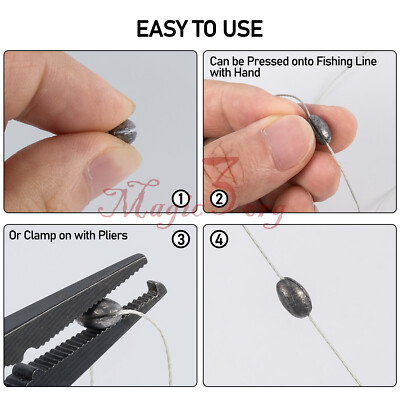
Split shot weights clamp directly onto the fishing line. They add weight without sliding, making them good for shallow water fishing.
- Pinch the split shot with pliers to open it slightly.
- Place it on the line where you want the weight.
- Squeeze the split shot closed, securing it tightly.
- Space multiple split shots evenly for balanced weight.
Securing The Weight With Knots
| Type of Knot | Use | Advantages |
|---|---|---|
| Palomar Knot | Attaching hooks and weights | Strong and easy to tie |
| Improved Clinch Knot | Tying weights or lures | Secure and reliable |
| Loop Knot | Allows weight movement | Keeps bait action natural |
Use a strong knot to attach weights that do not slide. This helps keep the weight in place and prevents line damage. Practice knots to ensure they hold well under tension.

Credit: mysterytacklebox.com
Testing The Setup
Testing your fishing line setup is key to catching fish. It helps ensure your weight stays steady and the line works well.
This guide explains how to check weight stability, adjust its position, and balance the line for better fishing.
Ensuring Weight Stability
Make sure the weight stays in place during casting and retrieval. A stable weight keeps the bait at the right depth.
- Cast your line gently and observe if the weight moves.
- Check if the knot or clip holding the weight is tight.
- Look for any slippage on the line when pulling.
- Replace or tighten knots if the weight shifts easily.
Adjusting Weight Position
Change the weight position to control bait depth and movement. Small moves can make a big difference.
| Position | Effect on Bait | When to Use |
| Close to hook | Keeps bait near bottom | Bottom fishing |
| Middle of line | Suspends bait mid-water | Mid-depth fishing |
| Far from hook | Allows more bait movement | Active bait action |
Checking Line Balance
Balanced line means the weight and bait work together smoothly. It helps with casting and bait presentation.
Use this quick test to check your line balance:
- Hold the rod and let the line hang freely.
- Watch if the line pulls the rod tip down or lifts it up.
- If the tip moves down, your weight might be too heavy.
- If the tip lifts, the weight may be too light or too far from the bait.
- Adjust weight size or position until the rod feels steady.
Tips For Different Fishing Techniques
Putting weight on a fishing line helps control bait depth and casting distance. Different fishing styles need different weight setups.
Learn how to add weights for casting, bottom fishing, and float fishing. Each technique has its own best practices.
Casting And Retrieving
Use weights to help your lure reach the right depth quickly. Too much weight makes casting hard, too little slows the lure.
- Choose a weight that matches the lure size.
- Place the weight 12 to 18 inches from the lure.
- Use split shot weights for easy adjustment.
- Remove weights if you want a slower, natural lure movement.
Bottom Fishing
Weights keep your bait near the bottom where fish often feed. The weight size depends on water depth and current strength.
| Condition | Recommended Weight |
| Calm water, shallow | 1 to 2 ounces |
| Moderate current | 3 to 5 ounces |
| Strong current, deep water | 6 ounces or more |
Float Fishing
Weights balance the float so it stands upright in the water. Proper weight helps detect bites and controls bait depth.
Tips for weighting your float:
- Attach small split shot weights below the float.
- Add weights gradually until the float sits just above water.
- Adjust weight to keep bait at the target depth.
- Too much weight sinks the float; too little makes it unstable.

Credit: www.youtube.com
Common Mistakes To Avoid
Adding weight to a fishing line helps control bait depth and casting distance. Many anglers make simple mistakes that affect their fishing success.
Knowing what not to do saves time and improves your fishing experience. Avoid these common errors for better results.
Using Incorrect Weight Sizes
Using weights that are too heavy or too light can cause problems. Heavy weights make the line sink too fast and scare fish. Light weights may not reach the right depth or cast far enough.
Choose weight sizes based on the water conditions and fishing style. Match the weight to your rod and line strength.
- Heavy weights reduce casting distance and sensitivity
- Light weights may not hold bait in place
- Use moderate weights for calm water
- Use heavier weights for strong currents or deep water
Improper Attachment Methods
Attaching the weight incorrectly can cause it to slide or fall off. This leads to lost tackle and poor fishing control. Avoid tying knots that are weak or not secure.
Use proper knots or clips to fix the weight firmly. Make sure the weight stays in place but can move if needed for certain rigs.
- Do not twist or damage the line when tying
- Check knots for tightness before casting
- Use swivel clips for quick weight changes
- Test the attachment by pulling gently on the weight
Neglecting Line Condition
Using old or damaged fishing line weakens the whole setup. The weight may cause the line to break if it has nicks or abrasion. Always inspect your line before adding weights.
Replace line that looks worn or stiff. Clean your line regularly to remove dirt and salt that reduce strength.
- Check for cracks and discoloration on the line
- Cut off damaged sections before tying weights
- Store line in a cool, dry place to avoid damage
- Replace line after heavy use or long storage

Credit: mysterytacklebox.com
Frequently Asked Questions
How To Attach A Weight To A Fishing Line?
To attach a weight, first thread the line through the weight’s hole. Secure it by tying a knot, like the clinch knot, below the weight. This ensures the weight stays in place during casting and reeling. Adjust the weight’s position according to the desired fishing depth.
What Type Of Fishing Weight Should I Use?
The type of weight depends on fishing conditions. For calm waters, use split shot weights. In faster currents, opt for egg or pyramid weights. Consider the fishing environment and target species to choose the right weight for effective fishing.
Why Is Weighting Important In Fishing?
Weighting helps sink the bait to the desired depth. It stabilizes the fishing line in currents and improves casting distance. Proper weighting ensures your bait reaches target species effectively, increasing chances of a successful catch.
Can I Fish Without Using Weights?
Yes, fishing without weights is possible. This method, called free-lining, is ideal for topwater fishing. It allows natural bait movement. However, using weights offers better control in deeper waters and strong currents. Choose based on your fishing environment and target species.
Conclusion
Adding weight to your fishing line helps control casting distance and bait depth. Choose the right weight based on water conditions and fish type. Attach it securely to avoid losing your gear. Practice tying knots to keep the weight steady.
This simple step improves your fishing experience greatly. Keep experimenting with different weights to find what works best. Enjoy more successful and fun fishing trips with proper weights on your line.