Are you ready to get your fishing gear set up but not sure how to put fishing line on a reel? This simple step can make all the difference between a smooth cast and a frustrating tangle.
Whether you’re new to fishing or just need a quick refresher, mastering this skill will save you time and help you catch more fish. Keep reading, and you’ll learn exactly how to load your reel like a pro—quickly, easily, and without the headaches.
Credit: monsterbass.com
Choosing The Right Fishing Line
Choosing the right fishing line is important for a good fishing experience. The right line helps you catch fish and protects your gear.
There are many types of fishing lines. You also need to match the line to your reel and rod. Picking the right strength is key too.
Types Of Fishing Lines
Fishing lines come in different materials. Each type has its own features and uses.
- Monofilament: Easy to handle and stretchable. Good for beginners.
- Fluorocarbon: Less visible in water and more resistant to abrasion.
- Braided: Very strong and thin. Good for heavy cover fishing.
Matching Line To Reel And Rod
Your fishing line should fit your reel’s capacity. It also must match the rod’s strength and action.
Check your reel’s spool size to know how much line it can hold. The rod’s label shows the line weight it supports.
- Spinning reels work well with lighter lines.
- Baitcasting reels handle heavier lines better.
- Use the rod’s recommended line strength for best results.
Selecting Line Strength
Line strength is measured in pounds or kilograms. It shows how much weight the line can hold before breaking.
Choose strength based on the fish you want to catch and the water conditions. Stronger lines can hold bigger fish.
- Light lines (2-8 lbs) are good for small fish.
- Medium lines (8-15 lbs) suit most freshwater fishing.
- Heavy lines (15+ lbs) work for big fish or saltwater fishing.
Preparing Your Reel
Getting your fishing reel ready is important for a good fishing experience. Follow these steps to ensure your reel is in top condition before adding new line.
Proper preparation helps prevent line tangles and ensures smooth casting. Let’s go through the essential steps to prepare your reel.
Removing Old Line
First, remove any old line from the reel. This helps prevent snags and ensures a fresh start with new line.
- Cut the knot holding the old line.
- Unwind the line carefully from the spool.
- Dispose of the old line properly to protect the environment.
Cleaning The Reel
Clean your reel to remove dirt and old residue. This helps the reel work smoothly and last longer.
Use a soft cloth to wipe away dust and grime. Avoid using harsh chemicals that could damage the reel.
Inspecting Reel Components
Check all parts of the reel for wear and tear. Look for any broken or loose pieces that might need fixing.
- Check the handle for smooth movement.
- Ensure the drag system is functioning properly.
- Look for any cracks in the reel body.
Attaching The Line To The Reel
Putting fishing line on a reel starts with attaching the line securely. This step ensures the line will not slip or tangle. It helps you cast smoothly and catch fish effectively.
Follow simple steps to attach the line properly. Focus on threading, tying, and securing the line. Each step keeps the fishing line in place for your fishing trip.
Threading The Line Through Guides
First, pull the fishing line from the spool. Pass the line through each guide on the fishing rod. Start from the tip and move down to the reel.
Threading the line through the guides keeps it aligned. It helps your casts fly straight and prevents tangles while fishing.
Tying The Arbor Knot
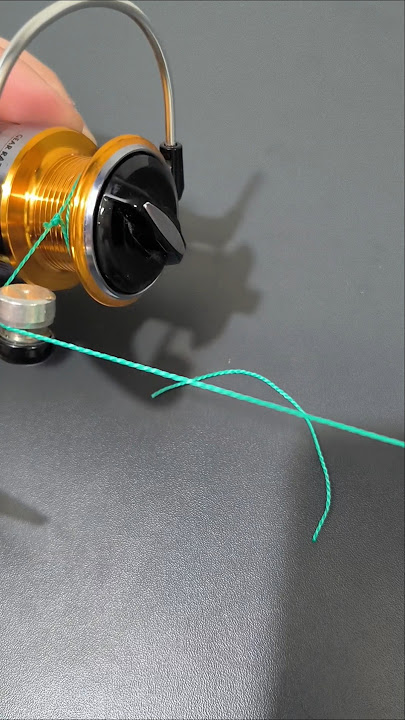
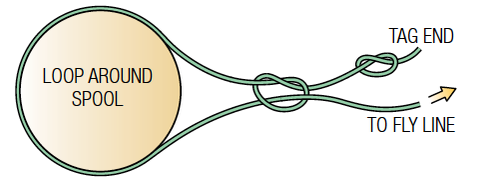
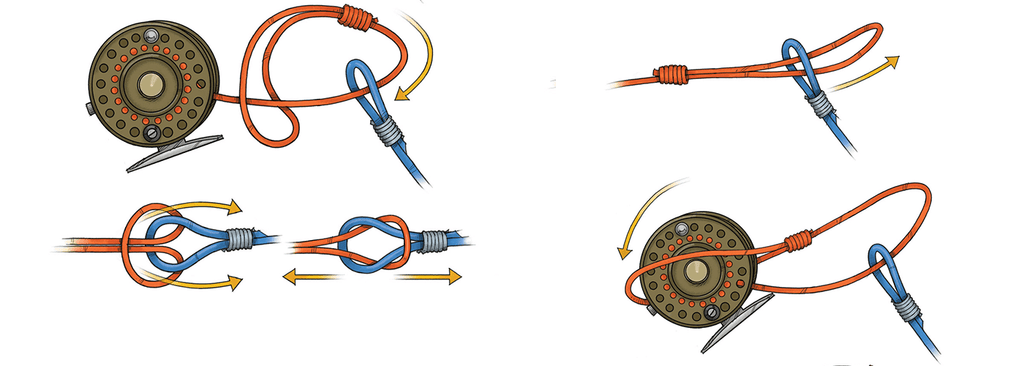
The arbor knot holds the line to the reel spool. Wrap the line around the spool and tie the knot securely. This knot is simple and strong for fishing.
Make one overhand knot around the main line. Then, tie a second overhand knot at the tag end. Pull both knots tight against the spool.
- Wrap line around spool
- Tie an overhand knot around main line
- Tie a second overhand knot at tag end
- Pull knots tight against spool
Securing The Line
After tying the arbor knot, hold the line tight. Start turning the reel handle slowly. This action wraps the line evenly on the spool.
Keep tension on the line to avoid loose coils. Fill the spool almost to the edge, but leave some space. This prevents line from slipping off during casting.

Credit: www.youtube.com
Spooling The Line
Spooling the fishing line onto a reel is an important step for fishing. It helps the line feed smoothly and prevents problems while fishing.
Correct spooling gives better casting distance and helps avoid tangles or breaks in the line.
Maintaining Proper Tension
Keep the line tight as you spool it onto the reel. Proper tension stops loose line from wrapping unevenly.
You can hold the line between your fingers or use a cloth to add friction. This keeps the line from slipping or getting slack.
- Hold the line firmly but do not pull too hard
- Keep steady pressure as you turn the reel handle
- Ask someone to help hold the spool for extra control
Filling The Reel Spool
Fill the spool with line until it is nearly full but not overfilled. Leave a small gap at the top of the spool.
Overfilling can cause line to spill off and tangle. Underfilling reduces casting distance and line capacity.
- Stop filling when the line is about 1/8 inch below the spool edge
- Check the line level often as you spool
- Make sure the line lays evenly in neat layers on the spool
Avoiding Line Twists And Tangles
Twists and tangles happen if the line is not spooled correctly. They cause knots and line damage.
To avoid twists, let the line come off the spool in the same direction it goes onto the reel.
- Place the spool so it spins freely and does not twist the line
- Use swivel connectors to reduce line twisting from lures or rigs
- Keep the line tight and smooth during spooling
Finishing Touches
After spooling your fishing line onto the reel, some final steps ensure everything works smoothly. These finishing touches help avoid problems during fishing.
Take time to check the line and reel carefully. Small adjustments make a big difference in fishing performance.
Trimming Excess Line
Cutting off extra fishing line prevents tangles and snags. Leave a small bit of line beyond the reel’s edge for tying your lure.
- Use sharp scissors or line cutters
- Cut close to the reel but not too tight
- Keep about 6 inches of line free for attaching hooks or lures
- Check for any frayed or damaged sections to trim
Checking Line Placement
Proper line placement on the spool is key for smooth casting and retrieval. The line should lay evenly without bunching.
| Check Point | What to Look For | Action Needed |
| Even Layers | Line forms smooth, tight layers | Adjust line tension or rewind if uneven |
| Line Tension | Line is snug but not too tight | Loosen or tighten drag knob |
| Spool Fill | Line fills spool to 1/8 inch from edge | Add or remove line to correct fill |
Testing The Reel Functionality
Test the reel to confirm smooth operation before fishing. This helps spot issues early.
- Turn the handle to check for smooth rotation
- Pull the line to test the drag system
- Release the line to see if it flows without catching
- Engage and disengage the bail arm to verify proper function
Credit: www.epicflyrods.com
Tips For Line Maintenance
Keeping your fishing line in good shape helps you catch more fish. Proper care makes your line last longer and work better.
Learn simple ways to take care of your line and reel. These tips protect your gear and improve your fishing experience.
When To Replace Your Line
Change your fishing line if it looks worn or damaged. Old line can break easily and cause you to lose fish.
Check your line for cracks, frays, or discoloration before each fishing trip. Replace it if you see any problems.
- Replace line after several uses or one season
- Change line if it feels rough or stiff
- Swap line after catching big fish that strain it
Storing Your Reel Properly
Store your reel in a dry, cool place to avoid rust and damage. Keep it away from direct sunlight and moisture.
Loosen the drag on your reel before storing. This helps keep the internal parts from wearing out.
- Use a reel cover or bag for protection
- Keep the reel clean and dry before storage
- Store reels vertically to avoid pressure on the line
Preventing Line Damage
Avoid rough surfaces and sharp edges to protect your line. Damage weakens the line and can cause breaks.
Check your guides and reel for burrs or scratches. Fix or replace damaged parts to keep your line safe.
- Use line conditioner to reduce friction
- Keep line tight and avoid tangles
- Rinse line with fresh water after saltwater fishing
Frequently Asked Questions
How Do You Prepare A Reel Before Spooling Fishing Line?
First, clean the reel to remove dirt or old line. Check the drag system and tighten it lightly. Secure the reel on a rod for easy handling before starting to spool the fishing line.
What Is The Best Way To Attach Fishing Line To A Reel?
Tie an arbor knot to secure the line to the reel spool. Make sure the knot is tight and trimmed. This prevents slipping and ensures smooth line winding during spooling.
How Much Fishing Line Should Be Put On A Reel?
Fill the reel spool about 1/8 inch below the spool’s lip. Avoid overfilling to prevent tangles and line damage. This allows smooth casting and reduces the risk of line breakage.
Should Fishing Line Be Spooled Under Or Over The Reel?
Spool the fishing line over the reel spool for spinning reels. For baitcasting reels, spool under the spool. This technique helps maintain proper line tension and prevents twists and tangles.
Conclusion
Putting fishing line on a reel is simple with the right steps. Start slow and keep the line tight. Avoid twists and tangles by guiding the line carefully. Check the reel and spool for any issues before you begin. Practice a few times to gain confidence.
This skill helps you enjoy fishing more. Soon, reloading your reel will feel natural and quick. Keep your gear ready for the next fishing trip. Patience and care make all the difference. Happy fishing!