Is your home air conditioner not cooling like it used to? You might need to add Freon to get it back to peak performance.
But how do you put Freon in a home air conditioner safely and correctly? If you try it the wrong way, you could damage your system or even put yourself at risk. This guide will walk you through the simple steps you need to know, so you can handle the job with confidence.
Keep reading to learn how to bring cool comfort back to your home without hassle.
Signs Your Ac Needs Freon
Low refrigerantin an air conditioner causes poor cooling. The AC may blow warm airinstead of cold. You might hear strange noises or see ice on the coils. The unit could run longer than usual but still feel hot inside. This means the system is working harder and using more energy.
Other common symptoms include higher electric billsand frequent cycling of the AC unit. A leaking refrigerant line is often the cause. This needs fixing before adding more Freon.
Maintaining proper refrigerant levelsis important. It helps the AC cool efficiently and saves energy. Low refrigerant can damage the compressor, which is costly to repair. Regular checks keep your system working well and extend its life.
Safety Precautions
Protective gearis a must when handling Freon. Wear glovesto stop skin burns. Use safety gogglesto guard eyes from splashes. A maskhelps avoid breathing harmful fumes. Long sleeves protect your arms from cold burns.
Freon can be dangerous. Handle it with care. Avoid direct contact. Work in a well-ventilated area to reduce inhaling fumes. Keep a fire extinguisher close by. Do not smoke or use open flames near Freon. Make sure to follow all safety instructionson the refrigerant label.
Tools And Materials Needed
Freon is the common name for refrigerants used in home air conditioners. The most popular types compatible with home AC units are R-22and R-410A. R-22 is older and being phased out due to environmental rules. R-410A is more eco-friendly and used in newer models. Always check your AC unit label to find the right type.
Having the right tools makes adding Freon safe and easy. You will need:
- Refrigerant gauge setto measure pressure
- Freon canisterwith the correct type
- Leak detectorto find any leaks
- Protective gloves and gogglesfor safety
- Vacuum pumpto remove air if needed
- Thermometerto check temperatures
| Equipment | Purpose |
|---|---|
| Refrigerant Gauge Set | Measures system pressure during refill |
| Freon Canister | Contains the refrigerant for the AC |
| Leak Detector | Finds leaks to prevent gas loss |
| Vacuum Pump | Removes air and moisture from system |
| Protective Gloves and Goggles | Ensures safety during handling |
| Thermometer | Checks temperature for system efficiency |
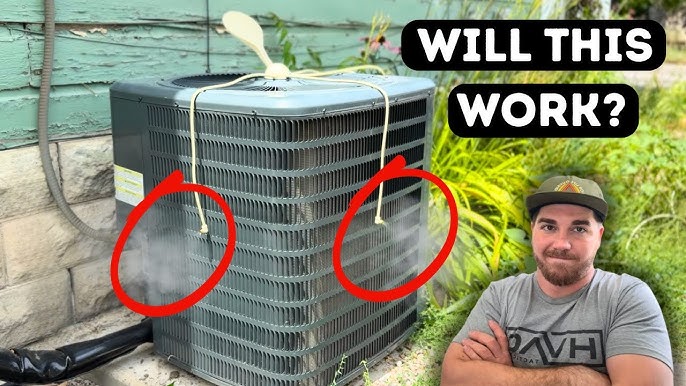
Credit: m.youtube.com
Locating The Service Valve
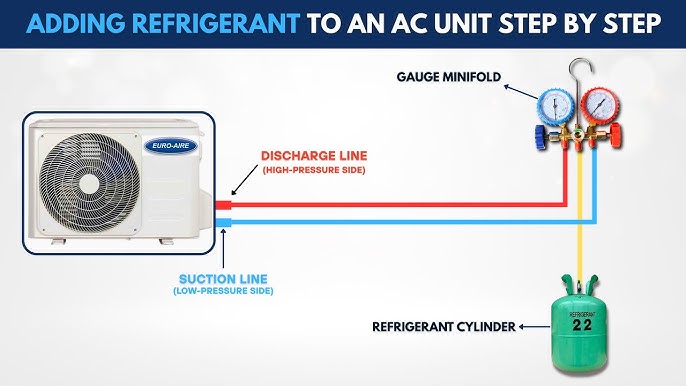
Find the service valveon the outdoor unit of the air conditioner. This valve controls the flow of Freoninto the system. The service valve usually has two ports: a high-pressure and a low-pressure port. The low-pressure portis where you connect the gauge and charging hose.
The low-pressure port is smaller and often has a cap labeled with an “L.” It is located near the suction line, which is the larger copper pipe. Always check the label or manual for exact locations on your unit.
Before adding Freon, turn off the air conditioner and disconnect power. This step keeps you safe and prevents damage. Attach the gauge set to the low-pressure port carefully. Make sure all connections are tight to avoid leaks.
Checking Refrigerant Levels
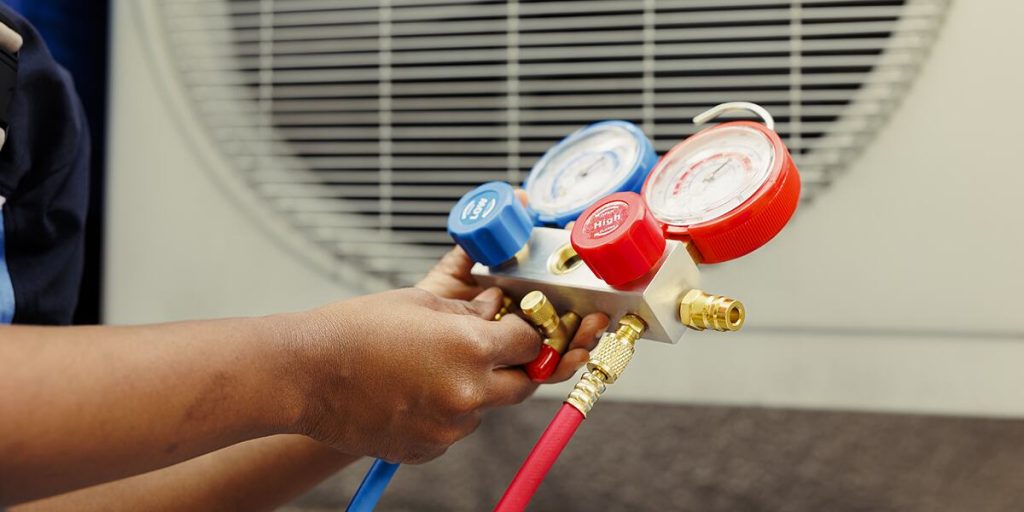
To check refrigerant levels, use a pressure gaugedesigned for air conditioners. Connect it to the service valve on the unit’s suction line. Make sure the system is running and the outdoor temperature is suitable, usually above 60°F.
Read the pressure gauge carefully. The readings show low and high side pressures. Compare these values with the manufacturer’s chart to know if the refrigerant level is correct.
| Gauge Reading | Meaning |
|---|---|
| Low pressure too low | System is low on refrigerant |
| Low pressure too high | Possible overcharge or blockage |
| High pressure too low | System may not be working properly |
| High pressure too high | Too much refrigerant or airflow issues |
Credit: www.georgiaairrepair.com
Adding Freon To The System
Attach the canister of Freon to the service valve securely. Use a proper hose and gauge set to connect. Ensure the valve is closed before connecting. Open the valve slowly to let Freon flow into the system.
- Check the pressure gauge to monitor the Freon level.
- Charge the system only in cooling mode.
- Charge slowly to avoid sudden pressure changes.
- Use manufacturer instructions for exact Freon amounts.
Overcharging can damage the air conditioner and reduce efficiency. Watch the pressure gauge carefully to prevent too much Freon. Stop charging once the recommended pressure is reached.
Testing The Ac After Charging
After charging the AC, monitor its performanceclosely. Check if the air blows cold and steady. Listen for unusual noises from the unit. Feel the temperature difference between the vents and the room air.
Use a thermometer or gaugeto check refrigerant pressure. Compare readings with the manufacturer’s recommended levels. If the pressure is too high or too low, the system may not work well.
Adjust the refrigerant carefully. Add more if the pressure is low, or release some if it is too high. Small changes can make a big difference. Always make sure the AC runs smoothly and cools the room well.
When To Call A Professional
Signs of refrigerant leaksinclude ice buildup on coils, warm air from vents, and hissing sounds near the unit. Low cooling power and higher electricity bills can also signal leaks. Refrigerant is a gas, so leaks cause pressure drops and reduce system efficiency.
Complex issues beyond DIYinvolve handling refrigerant safely and using special tools. Adding Freon requires checking system pressure and sealing leaks first. Incorrect amounts can damage the AC or void warranties.
Professional help ensures proper diagnosis and repair. They have the right tools and knowledge. Calling a professional protects your home and equipment from harm.

Credit: www.youtube.com
Frequently Asked Questions
How Do I Know When To Add Freon To My Ac?
You need to add Freon if your AC is blowing warm air. Low refrigerant levels also cause the unit to run longer. Check for ice buildup on the coils. These signs indicate a possible Freon leak or low charge.
Can I Put Freon In My Ac Myself?
Adding Freon yourself is not recommended. Handling refrigerants requires special tools and certification. Incorrect filling can damage the system or cause leaks. It’s safer and more efficient to hire a licensed HVAC technician for this task.
What Type Of Freon Does My Home Ac Use?
Most modern home AC units use R-410A refrigerant, not older R-22. Check your unit’s label or manual for the correct type. Using the wrong refrigerant can harm your AC and void warranties.
How Much Freon Should I Add To My Air Conditioner?
The exact amount depends on your AC model and size. Overcharging or undercharging can reduce efficiency and damage the system. Always follow the manufacturer’s specifications or consult a professional to determine the proper charge.
Conclusion
Adding Freon to a home air conditioner needs care and the right tools. Always check your unit’s manual first. Use safety gear and follow steps carefully. Too much or too little Freon can cause problems. If unsure, ask a professional to help.
Proper Freon levels keep your air conditioner cool and efficient. Regular maintenance helps your system last longer. Keep your home comfortable all year round. Simple actions make a big difference.