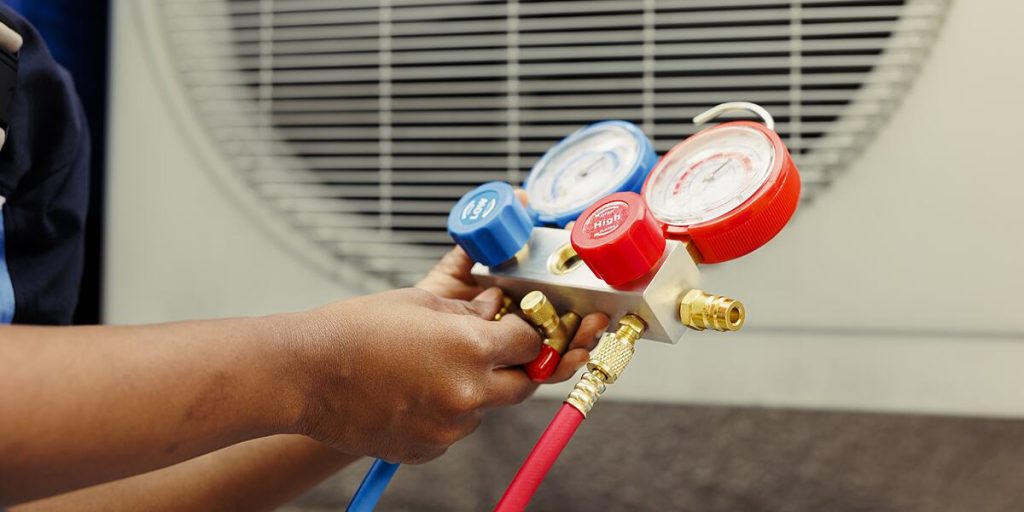
If your air conditioner isn’t cooling like it used to, it might be low on Freon. But how do you put Freon in an air conditioner safely and correctly?
You might feel unsure or worried about making a mistake that could damage your system or cost you more money. This guide will walk you through the simple steps you need to know, so you can get your AC running smoothly again.
Keep reading to learn exactly what to do—and what to avoid—when adding Freon to your air conditioner. Your comfort depends on it.
Signs Your Ac Needs Freon
Freon is an important part of your air conditioner. It helps cool the air inside your home.
If your AC is low on Freon, it will not work well. Watch for these signs to know if you need more Freon.
Reduced Cooling Efficiency
Your air conditioner may blow warm or less cold air. This happens because there is not enough Freon to cool the air properly.
- Air takes longer to cool your home
- Room temperature stays higher than usual
- AC runs longer but does not cool well
- Energy bills may increase due to extra running time
Ice Formation On Coils
Ice may form on the AC’s evaporator coils. Low Freon causes the coils to get too cold and frost to build up.
| Cause | Effect |
| Low Freon Level | Coils get too cold |
| Cold Coils | Ice forms on coils |
| Ice on Coils | Reduced cooling and airflow |
Hissing Or Bubbling Sounds
You may hear strange noises near the AC unit. Hissing or bubbling sounds can mean a Freon leak.
Signs of Freon leaks include:
- Hissing near the refrigerant lines
- Bubbling sounds from the outdoor unit
- Unusual noises when the AC runs
Safety Precautions
Adding Freon to an air conditioner requires care and attention. Safety is important to protect yourself and others.
This guide explains key safety steps to follow before and during the process.
Protective Gear
Wear proper protective gear to avoid injuries. Freon and tools can harm your skin and eyes.
- Use safety goggles to shield your eyes.
- Wear gloves that resist chemicals.
- Put on long sleeves and pants to protect your skin.
- Use a mask if you work in a poorly ventilated space.
Handling Refrigerants Responsibly
Freon is a refrigerant that can harm the environment. Handle it with care and follow rules.
| Do | Don’t |
|---|---|
| Check for leaks before adding Freon. | Release Freon into the air. |
| Use certified equipment to add refrigerant. | Mix Freon with other chemicals. |
| Store Freon in a cool, dry place. | Store near heat or flames. |
| Follow local laws for disposal. | Throw empty containers in regular trash. |
Avoiding Electrical Hazards
Air conditioners have electrical parts. Take steps to avoid shocks or fires.
- Turn off power to the air conditioner before starting.
- Use insulated tools for electrical work.
- Do not touch wires with wet hands.
- Check wires and connections for damage.
- Call a professional if unsure about wiring.
Tools And Materials Required
Adding Freon to an air conditioner needs the right tools. Using proper materials keeps the system safe.
This guide explains the basic tools and materials. They help you do the job correctly and safely.
Freon Type Identification
First, find out which Freon your air conditioner uses. Different systems need different Freon types.
Look at the label on the AC unit. It shows the correct Freon type and amount needed.
- Common types include R-22 and R-410A
- Using the wrong type can damage the system
- Check the owner’s manual if the label is missing
Manifold Gauge Set
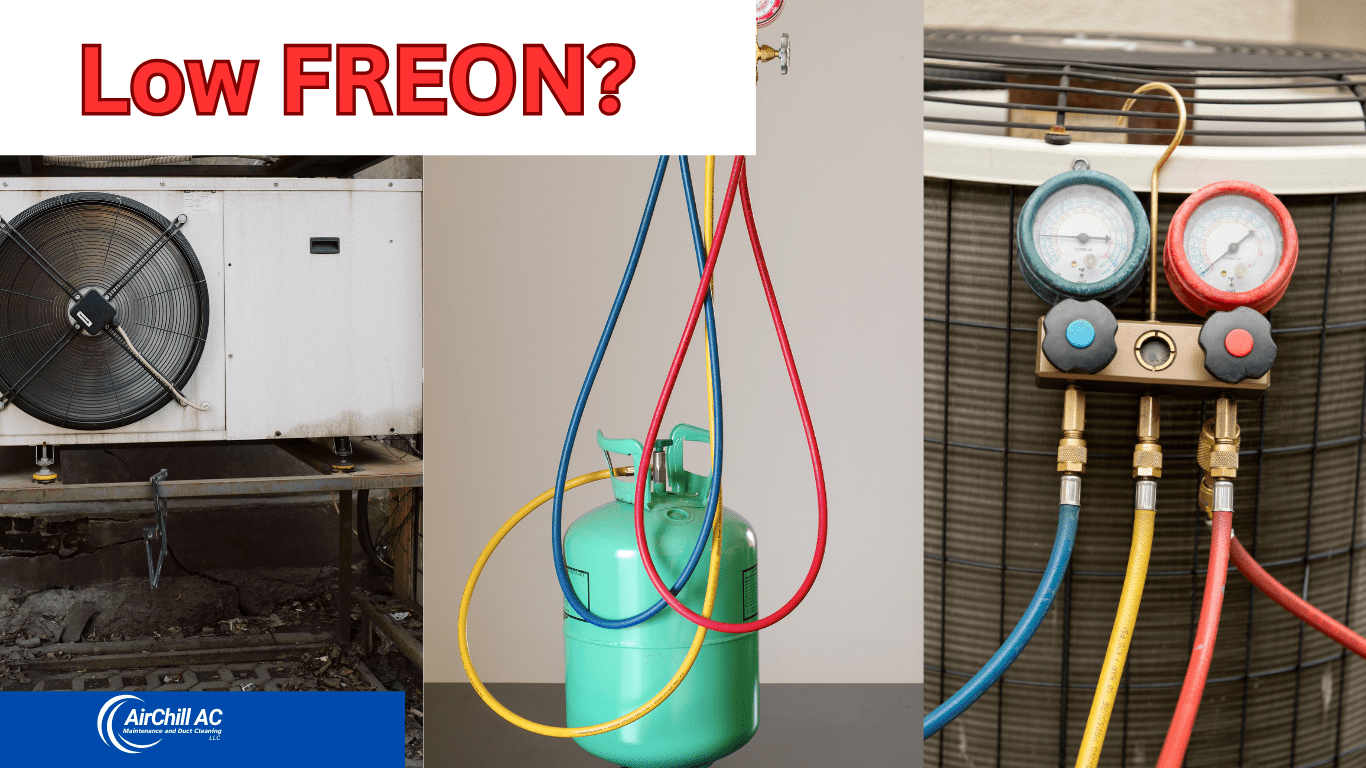
A manifold gauge set measures pressure inside the AC system. It helps control Freon flow.
The set has hoses and gauges to connect to the AC valves. Readings show if the system needs more Freon.
- Use red, blue, and yellow hoses for different connections
- Red hose connects to high-pressure port
- Blue hose connects to low-pressure port
- Yellow hose connects to the Freon tank
Vacuum Pump And Leak Detector
A vacuum pump removes air and moisture before adding Freon. Moisture can harm the AC system.
A leak detector finds any Freon leaks in the system. Fix leaks before charging the system.
- Connect the vacuum pump to the manifold gauge set
- Run the pump to clear air and moisture
- Use the leak detector to check for holes or cracks
- Repair any leaks before refilling Freon
Preparing The Air Conditioner
Before adding Freon to an air conditioner, you must prepare the unit carefully. Proper preparation ensures safety and helps the system work well.
This guide covers the key steps to get your air conditioner ready for Freon charging.
Turning Off Power Supply
Always turn off the power before working on the air conditioner. This step prevents electric shocks and protects the equipment.
Locate the main power switch or circuit breaker for the air conditioner unit. Switch it off to stop electrical flow completely.
Locating Service Valves
Service valves control the flow of refrigerant inside the air conditioner. Find these valves before connecting any tools.
- Look near the outdoor compressor unit.
- Identify the low-pressure valve, usually larger and capped.
- Locate the high-pressure valve, smaller and sometimes hidden.
- Remove valve caps carefully to avoid damage.
Connecting Manifold Gauges
Manifold gauges help measure pressure and control Freon flow. Connect them properly to avoid leaks.
| Gauge | Connection Point | Purpose |
|---|---|---|
| Low-Pressure Gauge (Blue) | Low-Pressure Service Valve | Measures suction side pressure |
| High-Pressure Gauge (Red) | High-Pressure Service Valve | Measures discharge side pressure |
| Center Hose | Freon Tank or Vacuum Pump | Transfers refrigerant or evacuates air |
Checking For Leaks
Before putting Freon in an air conditioner, check for leaks. Leaks waste refrigerant and reduce cooling power.
Finding and fixing leaks helps the air conditioner work well and saves money on repairs.
Using Leak Detector
A leak detector finds tiny holes where Freon escapes. It helps you spot leaks fast and easy.
There are different types of leak detectors. Some use UV light, others use electronic sensors.
- Turn on the air conditioner and let it run
- Use the detector near pipes, joints, and coils
- Look for signals like lights or sounds from the detector
- Mark spots where leaks show up
Repairing Found Leaks
Fix leaks quickly to keep the air conditioner safe and efficient. Small leaks can become big problems.
Use proper tools and materials to repair leaks. You may need sealants, soldering, or part replacements.
- Turn off and unplug the unit before repairs
- Clean the leak area to remove dirt and grease
- Apply sealant or solder the leak carefully
- Replace damaged parts if needed
- Test the repair with the leak detector again
Credit: airchillac.com
Evacuating The System
Evacuating the air conditioner system is a key step before adding Freon. It removes air and moisture that can damage the unit.
This process helps the system work efficiently and lasts longer. Using the right tools and methods is important.
Using Vacuum Pump
A vacuum pump pulls air and moisture out of the air conditioner lines. Connect the pump to the service port securely.
- Turn on the vacuum pump and let it run for at least 30 minutes.
- Watch the gauge to see the pressure drop below 500 microns.
- Close the valves to keep the system sealed after evacuation.
- Turn off the pump before disconnecting the hoses.
Ensuring Proper Evacuation
Proper evacuation means no air or moisture remains inside the system. Use a gauge to check pressure after pumping.
| Pressure Level | Meaning |
| Below 500 microns | Good vacuum, system ready |
| Above 500 microns | Air or moisture present, evacuate longer |
| Rising pressure after pump off | Leaks or moisture inside |
Adding Freon
Adding Freon to an air conditioner helps it cool better. It needs care and the right tools.
Follow the steps carefully to keep your system safe and working well.
Opening Low-pressure Valve
Start by locating the low-pressure valve on your AC unit. This valve controls Freon flow into the system.
Use a wrench to slowly open the valve. Open it just enough to let Freon enter without sudden pressure changes.
Monitoring Pressure Levels
Check the pressure gauge often during the refill. The pressure tells you if the Freon amount is right.
- Attach the gauge to the low-pressure valve.
- Watch the reading as Freon flows in.
- Keep the pressure within the recommended range for your AC.
- Stop adding Freon if pressure is too high.
Avoiding Overcharging
Too much Freon can harm your air conditioner and cause leaks. Avoid adding more than needed.
| Risk | Cause | Effect |
| Compressor Damage | High pressure from overcharging | System stops working |
| Leaks | Excess Freon pressure | Freon loss, environmental harm |
| Higher Energy Use | System strain | Increased electricity bills |
Testing The System
After adding Freon to your air conditioner, it is important to test the system. Testing helps ensure the unit runs efficiently and cools properly. This step checks if the Freon level is correct and the system works well.
You will test the system by running the air conditioner, checking the temperature output, and observing pressure readings. Each part gives clues about the system’s condition.
Running The Air Conditioner
Turn on your air conditioner after adding Freon. Let it run for about 10 to 15 minutes. This allows the system to stabilize and start cooling the air properly.
Listen for unusual noises and watch for any error signs. If the unit runs smoothly, it is a good sign the Freon is working well in the system.
Checking Temperature Output
Measure the temperature of the air coming out of the vents. Compare this to the temperature of the air going into the unit. This shows how well the air conditioner cools.
- Use a thermometer to check vent air temperature.
- Measure room air temperature near the intake.
- Good cooling usually means 15-20 degrees difference.
Observing Pressure Readings
Use a pressure gauge on the service valves to read the system’s pressure. These readings show if the Freon level is correct or if there is a leak.
- Check the low-pressure side for proper suction pressure.
- Check the high-pressure side for correct pressure levels.
- Compare readings with the manufacturer’s recommended values.
Final Steps
After adding Freon to your air conditioner, some important final steps remain. These steps ensure your system works safely and efficiently.
Take your time to finish these tasks carefully. This will help avoid leaks and keep your air conditioner running smoothly.
Sealing Service Valves
Once the Freon is added, sealing the service valves is crucial. This stops any gas from escaping and keeps the system sealed.
Use a wrench to tighten the valve caps securely. Make sure they are snug but avoid over-tightening, which can cause damage.
- Check valve caps for any signs of wear.
- Tighten caps with the correct tool.
- Do not use excessive force.
- Inspect for leaks after sealing.
Cleaning Tools And Area
Cleaning your tools and the workspace after adding Freon is important. This keeps your equipment in good shape and prevents dirt from entering the system.
Wipe down hoses and gauges with a clean cloth. Clear away any spilled refrigerant or debris around the air conditioner.
- Use a dry cloth to clean tools.
- Dispose of any waste properly.
- Keep the area free from clutter.
- Store tools in a safe place.

Credit: www.lochardplumbingheatingandcooling.com
When To Call A Professional
Putting Freon in an air conditioner is not a simple task. It requires special tools and skills. Sometimes, it is best to call a professional to handle it safely.
Knowing when to call an expert can save you time, money, and avoid damage to your AC system. Here are some key reasons to seek professional help.
Complex Repairs
Air conditioners can have many problems beyond low Freon levels. Some issues need complex repairs that only a trained technician can fix.
Technicians can find leaks, replace parts, and recharge Freon correctly. Handling these repairs without experience can cause more damage or waste Freon.
Regulatory Compliance
Freon is a controlled substance. Laws regulate who can buy and handle it to protect the environment. Professionals follow these rules carefully.
Hiring a certified technician ensures your air conditioner is serviced legally. They will dispose of old refrigerant safely and avoid fines.
Warranty Considerations
Many air conditioners come with warranties. Doing Freon refill yourself may void these warranties. This can cost you more if the AC breaks later.
Professionals know how to service units without voiding warranties. They use approved methods and parts to keep your warranty valid.
Credit: m.youtube.com
Frequently Asked Questions
What Is Freon And Its Purpose In Ac?
Freon is a refrigerant used in air conditioners. It absorbs heat and cools the air. It’s crucial for the cooling process. Ensuring the right Freon level maintains the efficiency of your AC. Regular checks help in optimal performance and prevent damage.
How Do I Know If My Ac Needs Freon?
Signs include the AC blowing warm air, hissing sounds, or ice on the coils. A decrease in cooling efficiency is another indicator. Regular maintenance checks can help identify Freon needs early. If you notice these signs, consider consulting a professional.
Can I Add Freon To My Ac Myself?
It’s recommended to have a professional add Freon. Handling refrigerants requires special equipment and knowledge. Incorrect handling can damage the AC and void warranties. Professionals ensure safe and accurate Freon levels for optimal performance.
What Tools Are Needed To Add Freon?
You need a refrigerant gauge and a Freon canister. Safety gear like gloves and goggles is also essential. Professional tools help in accurate Freon levels. It’s best to let a certified technician handle it for safety and efficiency.
Conclusion
Adding Freon to your air conditioner helps it cool better. Always check the system’s pressure before starting. Use the correct Freon type for your unit. Avoid overfilling, as it can damage the AC. Wear safety gear and follow instructions carefully.
If unsure, ask a professional for help. Proper care keeps your air conditioner running smoothly. Cool air feels great on hot days. Simple steps make a big difference in comfort.