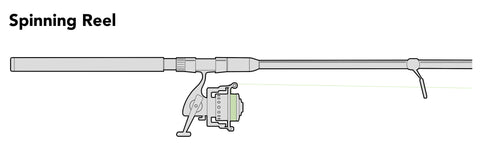
Are you ready to spend a day fishing but not sure how to put line on your fishing pole? Getting your line on right is key to having a smooth, successful fishing experience.
If you’ve ever felt frustrated with tangled lines or weak knots, you’re not alone. This guide will walk you through simple, step-by-step tips to help you load your fishing pole like a pro. Keep reading, and you’ll be casting with confidence in no time.

Credit: www.youtube.com
Choosing The Right Line
Putting the right line on your fishing pole is important for a good fishing experience. The right line helps you catch fish and avoid breaks.
Before you put line on your pole, you need to choose the best type and strength. This guide explains how to pick the right fishing line.
Types Of Fishing Line
There are three main types of fishing lines: monofilament, fluorocarbon, and braided. Each has its own uses and benefits.
- Monofilament:This line is stretchy and easy to handle. It is good for beginners and general fishing.
- Fluorocarbon:This line is almost invisible underwater. It works well in clear water and for cautious fish.
- Braided:This line is very strong and thin. It is good for heavy cover and long casts.
Line Strength And Thickness
Fishing line strength is measured in pounds, showing how much weight it can hold before breaking. Thickness also matters for casting and fish detection.
Stronger line has a higher pound test but is usually thicker. Thinner lines cast better but may break more easily.
| Line Strength (Pound Test) | Best Use | Approximate Thickness |
|---|---|---|
| 2-6 lbs | Small fish, light tackle | Very thin |
| 8-12 lbs | Medium fish, general use | Medium |
| 15-30 lbs | Large fish, heavy cover | Thicker |
Matching Line To Fishing Conditions
Choose your fishing line based on water type, fish size, and fishing style. Clear water needs less visible line. Heavy cover needs stronger line.
- Use fluorocarbon in clear water for low visibility.
- Use braided line in thick weeds or heavy cover.
- Pick lighter line for small fish and easy casting.
- Use stronger line for big fish or rough conditions.
Gathering Necessary Tools
Putting line on a fishing pole needs some simple tools. You should gather these tools before starting.
Having the right tools helps you put the line on quickly and correctly. It also stops problems later.
Fishing Pole And Reel
You need a fishing pole with a reel to hold the line. The reel helps you cast and pull the line.
Check that the reel is clean and works well. A broken reel can make it hard to put on the line.
Line Spool
The line spool holds the fishing line before you put it on the reel. Choose the right type of line for your fishing.
Make sure the line spool is full and untangled. A tangled spool can cause knots and frustration.
Additional Accessories
You may need some extra tools to help put the line on the reel. These tools make the process easier and neater.
- Scissors or line cutters to trim the line
- A pencil or rod to hold the line spool steady
- Line conditioner to reduce line memory
- Small cloth to clean the reel and pole
Preparing The Reel
Setting up your fishing pole correctly is important. Preparing the reel is the first step. This process ensures smooth casting and reeling.
Proper preparation can make your fishing experience more enjoyable. Let’s explore the key steps to get your reel ready.
Cleaning And Inspecting
Before using your fishing reel, clean it well. Check for dirt or debris. These can affect performance.
Inspect the reel for any damage. Look for cracks or worn-out parts. Replace them if needed.
- Use a soft cloth to clean the reel
- Check the line for frays or knots
- Ensure all screws are tight
Opening The Reel
Open the reel to add new fishing line. This step is simple but important. It allows you to thread the line correctly.
Refer to the reel’s manual if unsure. Follow the instructions for your specific model. This prevents mistakes.
Setting The Drag
Setting the drag is crucial for controlling the line tension. Adjust it according to the fish size you aim to catch.
A well-set drag helps in reeling in fish smoothly. Test it by pulling the line with your hand to feel the resistance.
- Loosen the drag for bigger fish
- Tighten it for smaller fish
- Test the drag regularly to ensure it’s set right

Credit: www.youtube.com
Attaching The Line To The Reel
Putting fishing line on a reel is an important first step for fishing. It helps you cast the line smoothly and catch fish better.
One key part is attaching the line securely to the reel spool. This guide shows you how to do it in three parts.
Tying The Arbor Knot
First, tie the arbor knot to fix the line to the reel spool. Wrap the line around the spool and tie a simple knot.
Make sure the knot is tight so the line does not slip off when you start fishing.
Securing The Line
- Pull the line tight after tying the arbor knot.
- Wrap the loose end of the line around the main line.
- Make two or three wraps to hold it firmly.
- Thread the loose end through the loops created.
- Pull all parts of the line to tighten the knot fully.
Checking the knot after tightening helps avoid line slipping during casting.
Trimming Excess
| What to Trim | Why It Matters |
| Excess tag end of the knot | Prevents tangling and mess |
| Any frayed or damaged line | Ensures strong line strength |
| Extra line past the reel capacity | Avoids line getting caught or tangled |
Use sharp scissors or line clippers to trim close to the knot. Keep the cut clean and neat.
Spooling The Line
Spooling the line on a fishing pole is important for smooth casting and fishing. It helps keep the line strong and ready to use.
You need to spool the line carefully to avoid problems like tangles and twists. This guide shows key points to follow.
Maintaining Line Tension
Keep the line tight while spooling to prevent loose coils. Loose line can cause knots and casting issues later.
- Hold the line with your fingers to keep it firm.
- Ask someone to hold the spool with a pencil through the center.
- Apply light pressure to the spool as the line winds.
- Check tension often to avoid slack.
Winding The Line Evenly
Wind the line in neat, even layers across the spool. Uneven winding can cause bunches and tangles.
| Tip | How to Do It |
|---|---|
| Start Slowly | Begin winding slowly to place the line properly. |
| Use Your Fingers | Guide the line side to side with your fingers. |
| Check the Spool | Stop and fix any uneven spots during winding. |
| Fill Correctly | Leave a small gap at the spool edge to avoid overfilling. |
Avoiding Twists And Tangles
Twists and tangles make fishing frustrating. Follow these tips to stop them from happening.
- Attach the line to the spool in the right direction.
- Let the line spool off the supply spool the same way it will leave the reel.
- Use a swivel to reduce line twist if needed.
- Keep the line tight to avoid loops forming.
- Stop and check for twists during spooling.
Threading The Line Through Guides
Threading the fishing line through the guides is an important step in setting up your fishing pole. It helps the line run smoothly when you cast and reel in.
Knowing how to pass the line correctly can improve your fishing experience. It also protects the line from damage.
Starting From The Tip
Begin threading the line at the tip of the fishing pole. This is the smallest guide at the very end of the rod.
Push the line through this top guide first. Then, move down the rod to the next guide.
Ensuring Smooth Flow
Make sure the line passes smoothly through each guide. Avoid twisting or tangling the line as you go.
If the line catches or rubs, it can cause friction. This friction may weaken or break the line.
- Pull the line gently but firmly
- Keep the line straight and tight
- Check for any snags along the guides
Checking Guide Alignment
Look along the rod to see if all guides line up. They should form a straight path from tip to handle.
Misaligned guides can cause the line to rub or slip off. Adjust or replace guides if needed for better alignment.
Final Line Setup
Setting up the fishing line on your pole is an important step before you start fishing. The final line setup ensures your gear works smoothly and catches fish effectively.
This guide covers tying the terminal tackle, testing line movement, and adjusting drag and tension for a perfect setup.
Tying The Terminal Tackle
The terminal tackle includes hooks, lures, or sinkers attached to the line end. Tie them securely to avoid losing fish or gear.
Use strong knots like the improved clinch knot or Palomar knot. Make sure the knot is tight and trimmed.
- Thread the line through the hook eye
- Wrap the line around itself 5-7 times
- Pass the end through the loop near the eye
- Pull tight and trim excess line
Testing Line Movement
After tying your terminal tackle, check if the line moves smoothly. This helps prevent snags and improves casting.
Pull the line gently through the guides to feel for any resistance or rough spots. Fix any tangles or twists you find.
- Hold the rod and pull the line back and forth
- Watch the line pass through each guide
- Look for smooth, even movement
- Untangle any knots or loops
Adjusting Drag And Tension
The drag system controls how much line pulls out when a fish fights. Set drag to avoid breaking the line.
Adjust tension so the line is tight but can still move. Test drag by pulling line with your hand and changing the knob.
- Start with low drag and increase slowly
- Pull line to feel resistance
- Set tension to stop line from slipping too fast
- Check drag again after catching fish
Common Mistakes To Avoid
Putting line on a fishing pole seems easy but many make mistakes. These errors can cause problems when fishing. Avoid these common mistakes to fish better.
Pay attention to how you spool the line, tie knots, and care for your fishing line. These steps help your fishing pole work well.
Overfilling The Spool
Putting too much line on the spool causes problems. The extra line can tangle or slip off. It makes casting harder and less smooth.
Fill the spool only to the right level. Leave a little space at the top so the line moves freely.
- Overfilled spools cause line tangles
- Too much line can slip off the spool
- Less space leads to poor casting
- Keep the line level just below the spool edge
Loose Knots
Loose knots can break easily or slip. This means you might lose a fish or your tackle. Make sure knots are tight and neat.
Check knots before fishing. Use proper knot-tying techniques and pull knots firmly.
- Loose knots reduce line strength
- They may slip off under pressure
- Tight knots hold fish better
- Always test knots before casting
Ignoring Line Maintenance
Old or damaged line can break easily. Sunlight and water wear down the line over time. Check your line often for cracks or frays.
Replace your fishing line regularly. Clean the line to remove dirt and salt that can weaken it.
- Damaged line breaks under stress
- Sun and water cause line damage
- Cleaning extends line life
- Replace line after heavy use or yearly
Tips For Line Longevity
Keeping your fishing line in good shape helps you catch more fish. Good care makes the line last longer and stay strong.
This guide shares simple tips to keep your fishing line working well for many fishing trips.
Proper Storage
Store your fishing pole and line in a dry place. Avoid direct sunlight to stop the line from weakening.
- Use a rod rack to keep poles off the ground.
- Keep line away from heat sources.
- Cover reels to protect from dust and dirt.
- Loosen the drag on your reel before storing.
Regular Inspections
Check your line often for damage. Look for cracks, frays, or weak spots that can break easily.
| Inspection Point | What to Look For |
| Near the reel | Fraying or loose knots |
| Along the line | Discoloration or abrasions |
| At the lure | Line damage from hooks or rocks |
Replacing Old Line
Change your fishing line after many uses or if it looks worn out. Old line loses strength and can snap easily.
- Remove the old line completely from the reel.
- Choose a line type and strength that fits your fishing style.
- Wind the new line tightly and evenly onto the reel.
- Check the line tension and adjust the drag before fishing.

Credit: sportfishinghub.medium.com
Frequently Asked Questions
How Do You Attach Fishing Line To A Pole?
Start by threading the line through the rod guides. Tie a secure knot around the reel spool, usually an arbor knot. Pull the line tight, ensuring it’s firmly attached before winding it onto the reel.
What Is The Best Way To Spool Fishing Line?
Place the reel on the rod and thread the line through guides. Maintain tension on the line while winding it evenly onto the spool. This prevents tangles and ensures smooth casting.
How Much Fishing Line Should You Put On A Reel?
Fill the reel spool to about 1/8 inch below the edge. Overfilling can cause tangles, while underfilling reduces casting distance. Always check your reel’s capacity to avoid problems.
Can You Use Any Fishing Line On A Fishing Pole?
Yes, but choose line type based on fishing style. Monofilament is versatile, braided offers strength, and fluorocarbon is nearly invisible underwater. Match line weight with rod and reel specifications.
Conclusion
Putting line on a fishing pole is simple once you know the steps. Start with a clean spool and tie the line tightly. Wind the line evenly to avoid tangles. Check your work by pulling the line gently. Good line setup helps with casting and catching fish.
Practice this skill to feel confident next time you fish. Little effort makes a big difference on the water. Ready to enjoy your fishing trip? Now you know how to put line on your pole right.