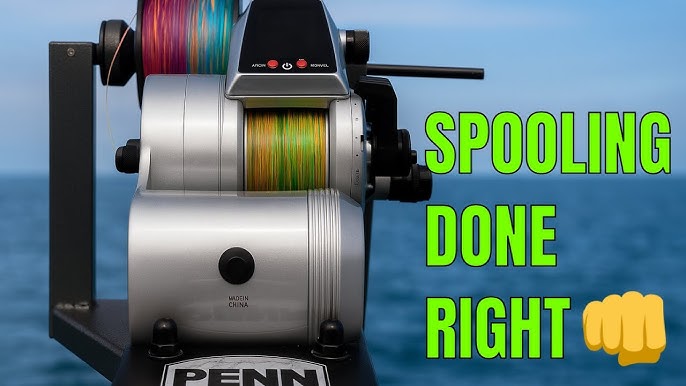
Are you struggling with putting new line on your fishing pole? It might seem tricky at first, but once you know the simple steps, it becomes quick and easy.
Getting it right means fewer tangles and more time catching fish. In this guide, you’ll discover exactly how to replace your fishing line like a pro. Keep reading, and soon you’ll feel confident setting up your pole for your next fishing trip.

Credit: www.youtube.com
Choosing The Right Line
Choosing the right fishing line helps you catch more fish. The line must fit your fishing style and gear.
Use a line that matches your rod, reel, and the fish you want to catch. This guide explains how to pick the best line.
Types Of Fishing Line
There are three main types of fishing lines: monofilament, fluorocarbon, and braided. Each has its own uses and features.
Monofilament is soft and stretches well. Fluorocarbon is harder to see underwater. Braided line is very strong and thin.
- Monofilament:Good for beginners and general fishing.
- Fluorocarbon:Great for clear water and deep fishing.
- Braided:Best for heavy cover and big fish.
Line Strength And Thickness
Line strength is called “pound test.” It shows how much weight the line can hold before breaking.
Thinner lines cast farther but may break easier. Thicker lines are stronger but may not cast as well.
- Use light line for small fish and clear water.
- Use medium strength for general fishing.
- Use heavy line for large fish and rough conditions.
Matching Line To Rod And Reel
Your fishing rod and reel have recommended line strengths. Check the labels on your gear to find the right match.
Using the correct line helps your rod and reel work well. It prevents damage and makes fishing easier.
- Match line strength to rod power (light, medium, heavy).
- Choose line thickness that fits the reel spool size.
- Check reel capacity to avoid overfilling with thick line.
Preparing Your Reel
Putting new line on a fishing pole needs good preparation. The reel must be ready to hold the new line well.
Start by checking the reel carefully. Cleaning and fixing parts help the line last longer and work better.
Removing Old Line
Take off all the old fishing line from the reel. This makes space for the new line and avoids tangles.
- Cut the old line near the reel.
- Pull the line off the spool slowly.
- Dispose of the old line safely.
Cleaning The Reel
Clean the reel to keep it working smoothly. Dirt and salt can damage the reel over time.
| Part | Cleaning Method |
| Spool | Wipe with a soft cloth |
| Handle | Use mild soap and water |
| Drag Knob | Remove dirt gently with a brush |
Checking The Drag System
The drag system controls the line tension. Check it before you put new line on the reel.
Test the drag by pulling the line:
- If it pulls too hard, loosen the drag knob.
- If it pulls too easy, tighten the drag knob.
- Adjust until the pull feels smooth and steady.
Attaching The New Line
Putting new line on a fishing pole helps you catch fish better. It is important to do it right for smooth fishing.
Attaching the new line needs care. This guide shows how to do it well on your reel.
Spooling Techniques
Spooling means winding the line onto the reel. It should be tight but smooth to avoid tangles.
Keep the line under light tension while spooling. This stops loose loops and knots.
- Place the spool of line near the reel
- Pull the line tight between fingers
- Start winding the line slowly onto the reel
- Keep even tension all the time
Tying The Line To The Reel
Attach the new line securely to the reel before spooling. Use a strong knot to hold the line.
The Arbor knot is a common choice. It ties the line to the reel spool tightly and safely.
- Wrap the line around the reel spool
- Tie an overhand knot around the main line
- Tie a second overhand knot near the tag end
- Pull both knots tight against the spool
- Trim the tag end close to the knot
Avoiding Line Twist
Line twist causes tangles and weak spots. Avoid it by proper spooling and tying.
Keep the line spool facing the right way. Let the line come off smoothly to reduce twist.
- Make sure the line spool rotates in the same direction as the reel
- Use your fingers to guide the line evenly
- Do not let the line loop or form loose coils
- Check for twists often and fix them immediately
Winding The Line Onto The Reel
Putting new line on a fishing pole means winding it onto the reel correctly. This step is important for smooth casting and reeling.
Proper winding keeps the line tight and prevents tangles or damage to the reel.
Maintaining Tension
Keep the fishing line tight while winding it on the reel. Tension stops the line from wrapping loosely or unevenly.
You can hold the line between your fingers or use a cloth to keep a steady pull.
- Hold the line firmly but do not break it
- Keep the spool turning at a steady speed
- Check tension often as you wind
Filling The Spool Properly
Fill the reel spool evenly with line. Avoid overfilling or underfilling the spool.
Leave about 1/8 inch of space from the spool edge to prevent line loss or tangles.
- Wind line in tight, even layers
- Do not stack the line too high
- Stop filling when line reaches the spool edge
Common Mistakes To Avoid
Many anglers make errors when putting new line on the reel. These mistakes cause casting problems and line damage.
- Winding the line without tension
- Overfilling or underfilling the spool
- Using the wrong type or size of line for the reel
- Not checking for twists or tangles during winding
- Failing to secure the line end after winding
Finishing Touches
Adding a new line to your fishing pole is not complete without some finishing steps. These ensure your setup stays secure and works well on your next fishing trip.
Pay close attention to how you secure the line end, test your setup carefully, and store your pole properly to keep everything in good shape.
Securing The Line End
After attaching the new line, you must secure the end tightly. This stops the line from slipping during use.
- Use a strong knot like the improved clinch knot or Palomar knot.
- Trim any excess line close to the knot to prevent tangling.
- Apply a small drop of glue or nail polish on the knot for extra hold.
Testing The Setup
Check the strength and smoothness of your new line before going fishing. This helps avoid surprises on the water.
| Test | What to Check |
| Tug Test | Make sure the knot holds under pressure. |
| Line Movement | Ensure the line moves smoothly through the guides. |
| Reel Function | Check that the reel winds and releases the line without issues. |
Storing Your Fishing Pole
Proper storage helps keep your fishing pole and line ready for use. It also extends their life.
- Keep the pole in a dry place to avoid rust and damage.
- Loosen the line tension on the reel to prevent stretching.
- Use a rod holder or rack to keep the pole straight and safe.

Credit: www.wikihow.com

Credit: www.youtube.com
Frequently Asked Questions
How Do You Start Putting Line On A Reel?
To start, attach the new line to the spool using an arbor knot. Ensure it’s secure. Then, close the bail and begin reeling in the line slowly. Keep tension on the line with your fingers to prevent tangles. Make sure the line is evenly distributed on the spool.
What Tools Are Needed For Re-spooling?
To re-spool, you need a new fishing line, scissors, and a fishing pole. Having a line spooler can make the process easier. Ensure you have a clean and organized workspace to prevent tangles. These tools will help you efficiently replace the line.
How Often Should You Change Fishing Line?
Fishing line should be changed every 6-12 months. Factors like frequency of use and environmental conditions affect longevity. Regularly inspect for frays or damage. Proper maintenance ensures optimal performance and prevents line breaks. Always follow manufacturer recommendations for specific line types.
Can You Use Any Line On Any Reel?
Not all lines are suitable for every reel. Consider the reel’s specifications and line capacity. Match the line type and strength to your fishing needs. Using the right line ensures better performance and reduces the risk of tangling. Always consult the reel’s manual for recommendations.
Conclusion
Putting new line on a fishing pole is simple and useful. Follow the steps carefully to avoid tangles and knots. Take your time and check your work often. Good line helps you catch more fish and enjoy fishing more. Practice a few times to get better and faster.
Keep your gear ready and your fishing trips fun. You will feel proud every time you use fresh, strong line. Fishing becomes easier with a well-prepared pole. Try it yourself and see the difference!