Have you ever looked at your car tires and wondered what all those numbers and letters mean? Understanding tire sizes is easier than you think, and knowing how to read them can save you money, keep you safe, and improve your car’s performance.
You’ll discover exactly what each part of a tire size means and how to find the perfect tires for your vehicle. Keep reading—you’re just a few steps away from becoming a tire size expert!
Tire Size Format
Car tire sizes have a special code printed on the sidewall. This code tells you the tire’s width, height, and other important details. Knowing how to read this code helps you pick the right tires for your car.
Each part of the code gives specific information. You can break it down into numbers, letters, and symbols. Let’s look at what each part means.
Decoding The Numbers
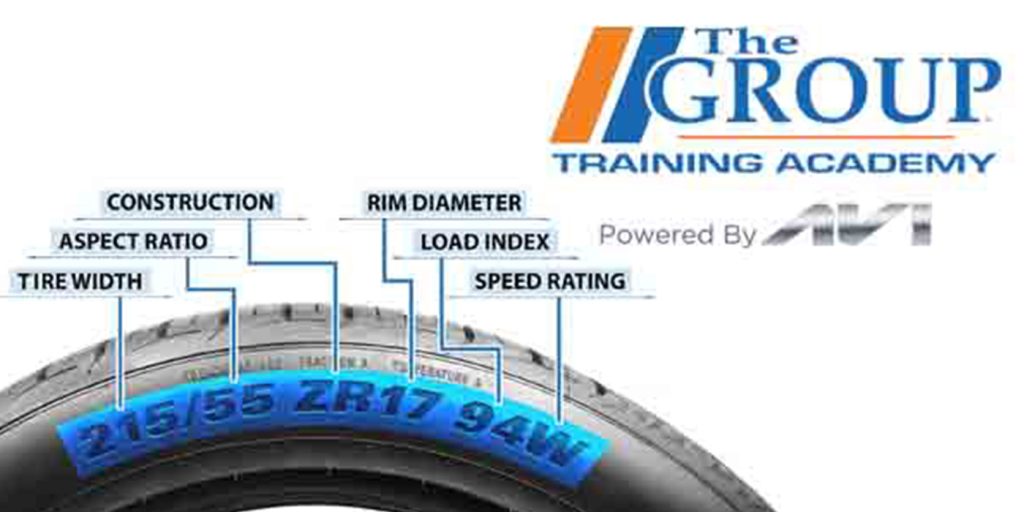
The numbers in a tire size tell you the tire’s size and measurements. Usually, the format looks like this: 205/55R16.
- 205: This number shows the tire width in millimeters.
- 55: This is the aspect ratio. It shows tire height as a percentage of the width.
- R: This letter means the tire has radial construction.
- 16: This is the wheel diameter in inches the tire fits on.
Understanding Letters And Symbols
Tire sizes also include letters and symbols that explain other features. These include load index, speed rating, and tire type.
| Letter/Symbol | Meaning | Example |
|---|---|---|
| P | Passenger tire | P205/55R16 |
| LT | Light truck tire | LT245/75R16 |
| Load Index | Maximum load the tire can carry | 94 (670 kg) |
| Speed Rating | Maximum speed the tire can handle | H (130 mph) |
Width And Aspect Ratio
Car tire sizes have numbers that tell you important details. Two key parts are the width and aspect ratio.
Knowing these helps you pick the right tires for your car and driving needs.
What Tire Width Means
Tire width is the first number in the size code. It shows how wide the tire is in millimeters.
This width is the measurement from one sidewall to the other. A wider tire can give better grip on the road.
- A number like 205 means the tire is 205 mm wide.
- Wider tires can improve handling and traction.
- Narrow tires may help with fuel efficiency.
Role Of Aspect Ratio
Aspect ratio is the second number in the tire size. It is a percentage that shows the tire’s sidewall height.
This number tells how tall the tire sidewall is compared to its width. A lower ratio means a shorter sidewall.
- Aspect ratio 55 means the sidewall height is 55% of the tire width.
- Lower aspect ratio tires often handle better but may be less comfortable.
- Higher ratios give a softer ride with more sidewall flex.
Tire Construction Type
Tire construction affects how a tire performs and lasts. It shows how the tire’s layers are built inside.
Understanding tire construction helps you pick the right tire for your car and driving style.
Radial Vs. Bias Ply
Radial and bias ply are two main types of tire construction. Radial tires have cords running across the tire from side to side. Bias ply tires have cords that run diagonally.
- Radial Tires:Cords run at 90 degrees to the direction of travel.
- Bias Ply Tires:Cords run diagonally, usually at 30 to 40 degrees.
- Radial Tires:Offer better fuel economy and longer tread life.
- Bias Ply Tires:Provide a softer ride but wear faster.
Identifying Construction Codes
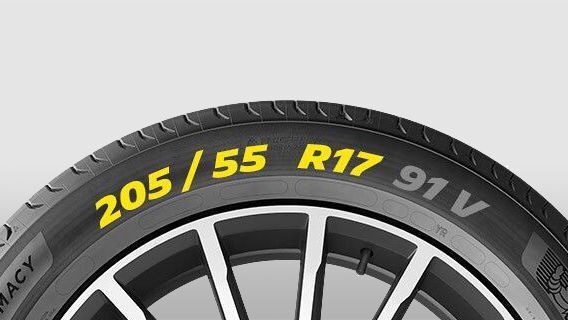
Tire construction is shown by a letter in the size code. It tells you if the tire is radial or bias ply.
| Code | Meaning |
| R | Radial tire construction |
| B | Bias ply tire construction |
| D | Diagonal ply tire construction (similar to bias ply) |
Credit: www.michelin.ca
Wheel Diameter
The wheel diameter is a key number in car tire sizes. It tells you the size of the rim the tire fits on. This size is measured in inches and appears at the end of the tire size code.
Understanding the wheel diameter helps you pick tires that fit your vehicle correctly. Using the wrong size can cause problems with handling and safety.
Finding The Rim Size
You can find the rim size by looking at the tire’s sidewall. The size looks like a number after the letter “R.” For example, in the size “205/55R16,” the 16 is the rim size in inches.
- Check the tire sidewall for the “R” number
- Note the number following the “R” — this is the rim diameter
- Make sure the rim size matches your car’s wheel specifications
Importance For Fitment
| Reason | Effect |
|---|---|
| Correct rim size | Ensures proper tire fit and vehicle safety |
| Too large rim | Tire may not seat properly, causing air leaks |
| Too small rim | Tire might slip on the rim, risking blowouts |
| Wrong size affects speedometer | Can give false speed and distance readings |
Load Index And Speed Rating
Car tire sizes include important codes that tell you about the tire’s limits. Two key parts are the load index and speed rating. They help you know how much weight the tire can hold and the fastest speed it can safely handle.
Understanding these codes helps you pick the right tires for your car. It also keeps you safe on the road by matching tires to your driving needs.
Decoding Load Capacity
The load index is a number found after the tire size on the sidewall. It shows the maximum weight the tire can carry. Each number matches a specific weight in pounds or kilograms.
Choosing a tire with the right load index is important. Using a tire with a lower load index than needed can cause tire failure and unsafe driving.
| Load Index | Max Load (lbs) | Max Load (kg) |
|---|---|---|
| 85 | 1,135 | 515 |
| 90 | 1,323 | 600 |
| 95 | 1,521 | 690 |
| 100 | 1,764 | 800 |
| 105 | 1,929 | 875 |
Understanding Speed Symbols
The speed rating is a letter found after the load index. It shows the highest speed the tire can handle safely. The letter matches a speed in miles per hour or kilometers per hour.
Using tires with a speed rating lower than your car’s top speed can cause tire damage. Always choose tires with a speed rating that meets or exceeds your driving needs.
| Speed Symbol | Max Speed (mph) | Max Speed (km/h) |
|---|---|---|
| S | 112 | 180 |
| T | 118 | 190 |
| H | 130 | 210 |
| V | 149 | 240 |
| W | 168 | 270 |
| Y | 186 | 300 |

Credit: www.youtube.com
Additional Markings
Car tires have more than just size numbers on their sidewalls. These extra markings give important information about the tire’s safety, age, and performance.
Knowing these markings helps you choose the right tire and keep your vehicle safe on the road.
Dot And Manufacturing Codes
The DOT code shows the tire meets safety standards set by the Department of Transportation. It also tells where and when the tire was made.
The last four digits of the DOT code reveal the tire’s production week and year. For example, “2319” means the tire was made in the 23rd week of 2019.
- The first two digits: Week of manufacture (01 to 52)
- The last two digits: Year of manufacture
- Letters and numbers before these digits show the factory and plant code
Treadwear, Traction, And Temperature Ratings
Tires have ratings that show how well they perform in different areas. These include treadwear, traction, and temperature resistance.
The treadwear rating tells how long the tire’s tread should last. A higher number means the tire wears slower.
| Rating | Meaning |
|---|---|
| Treadwear | Numbers like 200 or 400; higher means longer tire life |
| Traction | Grades like AA, A, B, C show tire’s grip on wet roads |
| Temperature | Grades A, B, or C indicate heat resistance at high speeds |
Traction ratings measure how well tires stop on wet surfaces. Temperature ratings show how well tires resist heat from driving fast.
Tips For Choosing The Right Tire
Choosing the right tire keeps your vehicle safe and running well. Tires come in many sizes and types. Knowing how to read tire sizes helps you pick the best fit.
Look closely at the tire numbers and letters. They tell you about width, height, and more. Use this information to match tires to your vehicle and driving needs.
Matching Tire Size To Vehicle
Always check your vehicle’s manual for tire size. The size on the tire sidewall must match the recommended size. Using the wrong size affects handling and safety.
| Tire Code | Meaning | Example |
|---|---|---|
| Width | Width of the tire in millimeters | 205 |
| Aspect Ratio | Height of sidewall as percent of width | 55 |
| Construction | Type of tire construction (R = radial) | R |
| Diameter | Wheel diameter in inches | 16 |
Considering Driving Conditions
Think about where you drive most. Tires perform differently on roads, mud, snow, or rain. Pick tires that fit your usual conditions.
- Use all-season tires for mixed weather
- Choose winter tires for ice and snow
- Pick off-road tires for rough terrain
- Select performance tires for dry, smooth roads

Credit: www.cjponyparts.com
Frequently Asked Questions
What Does The Number 205 Mean In Tire Size?
The number 205 indicates the tire’s width in millimeters. It measures the distance from sidewall to sidewall. This width affects grip, handling, and ride comfort.
How Do I Interpret The Aspect Ratio In Tire Sizes?
The aspect ratio, shown as a two-digit number, is the tire’s sidewall height as a percentage of its width. For example, 55 means the height is 55% of the width.
What Does The “r” Stand For In Tire Size?
The “R” means the tire has radial construction. Radial tires are common and offer better traction, durability, and fuel efficiency compared to bias-ply tires.
How Can I Find The Tire’s Diameter From Its Size?
The diameter is the number after the “R,” representing the wheel’s diameter in inches. For example, R16 means the tire fits a 16-inch wheel.
Conclusion
Reading car tire sizes seems tricky at first. But it gets easier. Start by understanding the numbers and letters. Each part provides important details. Width, aspect ratio, and diameter play key roles. They ensure your car runs safely. Remember, correct tire size affects performance.
It also impacts fuel efficiency. Always check your car manual for guidance. Practice makes perfect. Soon, you’ll read tire sizes with confidence. Keep learning and your skills will grow. Safe driving begins with the right tires.