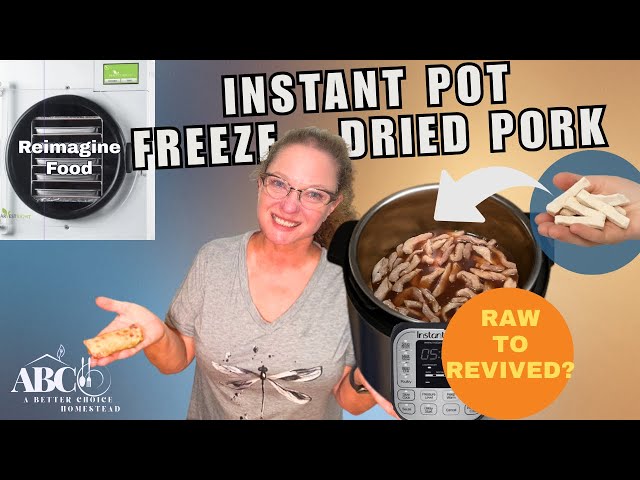
Have you ever wondered how to bring freeze-dried food back to life? Whether you’re preparing for an outdoor adventure, stocking up for emergencies, or just curious, knowing how to reconstitute freeze-dried food is a skill that can save you time and make your meals taste fresh again.
You’ll discover simple, step-by-step methods to transform those lightweight, shelf-stable packets into delicious, ready-to-eat meals. Keep reading, and you’ll never look at freeze-dried food the same way again.
Credit: www.scheels.com
Basics Of Freeze-dried Food
Understanding the basics of freeze-dried food is key before you reconstitute it. This process removes moisture from food while keeping its structure and nutrients intact. Knowing what freeze-dried food really is and its benefits will help you appreciate why rehydration is simple and effective.
What Is Freeze-dried Food
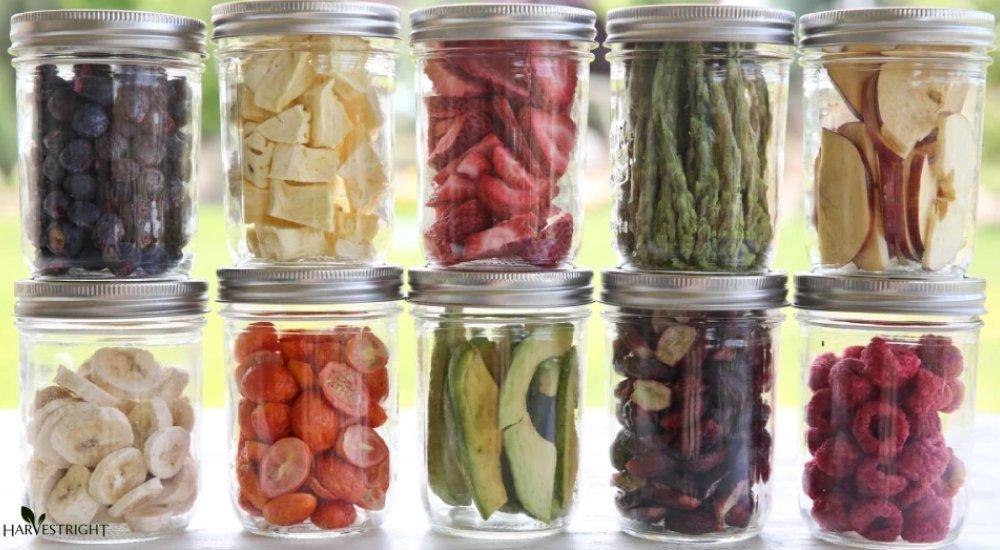
Freeze-dried food starts as fresh food that is frozen and then placed in a vacuum. This vacuum pulls out almost all the water by turning ice directly into vapor. The result is lightweight, shelf-stable food that retains much of its original flavor, texture, and nutrients.
Imagine having a bag of strawberries that weigh just a fraction of their fresh weight but taste almost the same when you add water. That’s the magic of freeze-drying. It’s not just about preservation; it’s about making food easy to store and carry without losing quality.
Benefits Of Freeze-dried Food
- Long shelf life:Freeze-dried food can last for years without refrigeration, making it perfect for emergencies and outdoor adventures.
- Lightweight and portable:Removing water reduces the weight significantly, so you can carry more food with less effort.
- Retains nutrients and flavor:Unlike some preservation methods, freeze-drying keeps most vitamins and the original taste intact.
- Easy to prepare:Simply add water, and your food is ready. This convenience saves time and effort.
Have you ever wondered why astronauts rely on freeze-dried meals in space? It’s because these benefits make freeze-dried food practical and reliable in challenging environments. What situations in your life could benefit from such convenient and nutritious food?
Credit: practicalselfreliance.com
Essential Tools For Reconstitution
Reconstituting freeze dried food requires a few essential tools. These tools help bring the food back to its original texture and taste. Using the right equipment makes the process simple and effective.
Required Equipment
- Measuring cup for accurate water measurement
- Heat source like a kettle or stove for warm water
- Mixing bowl or container to combine water and food
- Spoon or fork to stir and break up clumps
- Sealable container or plate for serving
Having these tools ready ensures smooth reconstitution. The right container keeps the food warm and fresh.
Choosing The Right Water
Water quality affects taste and safety. Use clean, fresh water free from strong odors or flavors.
Warm water speeds up rehydration but avoid boiling water. Water between 120°F and 140°F works best.
Tap water is fine if safe to drink. Bottled or filtered water improves taste for some foods.
Step-by-step Reconstitution Process
Reconstituting freeze-dried food brings it back to life. It restores texture, flavor, and nutrition. The process is simple and requires attention to detail. Follow these steps carefully for the best results.
Preparing The Food Package
Check the package for instructions. Some foods need rinsing or breaking into smaller pieces. Open the package carefully to avoid spilling contents. Use a clean bowl or container for reconstitution. Make sure the container is large enough for water and food.
Adding Water Correctly
Use clean, safe water at the right temperature. Most foods need warm or hot water, but check the package. Pour water slowly to avoid lumps. Stir gently to mix water and food evenly. Add water little by little if unsure.
Waiting Time And Temperature
Let the food sit for the recommended time. This allows the food to absorb water fully. Keep the container covered to retain heat. Use warm water to speed up rehydration. Avoid cold places during the waiting period for best texture.

Credit: hopewellheightsblog.com
Tips For Best Results
Getting the best results from reconstituting freeze-dried food depends on a few simple but crucial tips. Small adjustments can make a big difference in texture and flavor. Understanding these details helps you enjoy your meals just like fresh-cooked dishes.
Adjusting Water Amount
Start with the recommended water amount on the package, but be ready to tweak it based on your preferences. Too little water leaves the food dry and tough, while too much turns it mushy.
I once added the exact water suggested for freeze-dried scrambled eggs and found them a bit rubbery. Adding a tablespoon more water next time made them fluffier and more enjoyable.
Consider the type of food you’re rehydrating:
- Vegetables:Usually need less water since they release moisture when soaked.
- Soups and stews:Require more water to get that right consistency.
- Fruits:You might want to use less water if you prefer them firmer.
Ask yourself: how do you like the texture? Adjust the water gradually until it fits your taste.
Avoiding Common Mistakes
Many people rush the rehydration process, but patience is key. Pouring hot water right away or stirring too much can break down the food’s structure.
Avoid these pitfalls:
- Using boiling water immediately, which can overcook delicate ingredients.
- Not letting the food soak long enough, resulting in a chewy texture.
- Ignoring package instructions or using generic water amounts.
Instead, try using warm water and give the food time to absorb it fully—usually 10 to 20 minutes.
Have you ever noticed a drastic difference between quick and slow rehydration? That slow soak can bring out flavors you might miss otherwise.
Using Reconstituted Food
Using reconstituted freeze-dried food opens up a world of convenience and creativity in your kitchen. Once you’ve brought the food back to life with water, you can treat it like fresh ingredients in your favorite dishes. How you handle and store this food after reconstitution can make a big difference in taste and safety.
Cooking And Serving Ideas
Reconstituted freeze-dried vegetables work great in soups, stews, and casseroles. You can add them directly to hot water or broth to rehydrate as you cook, saving time and effort.
For fruits, try tossing them into yogurt or oatmeal for a quick breakfast boost. They also make excellent additions to smoothies or baked goods like muffins.
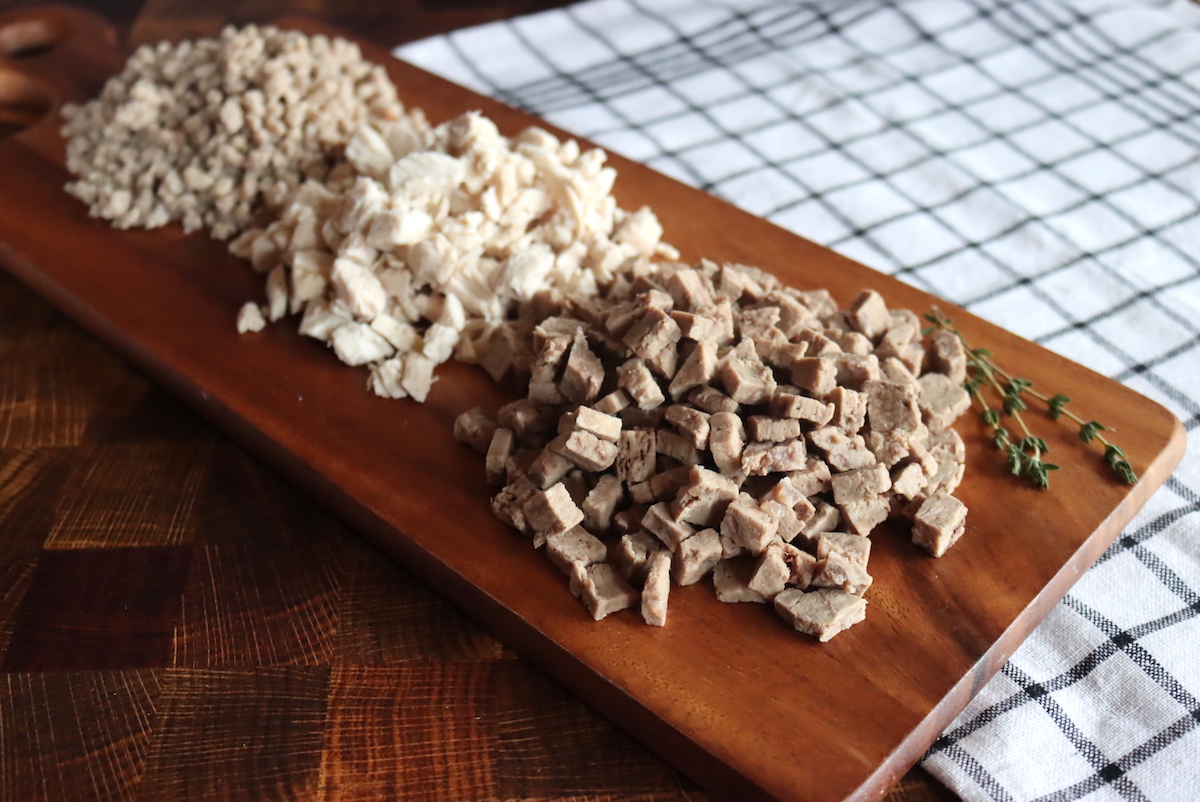
Meats and proteins often need to be fully rehydrated before use. After soaking, you can sauté, grill, or mix them into pasta sauces or stir-fries. Have you tried adding rehydrated chicken to a homemade taco? It’s surprisingly tasty and quick.
Storage After Reconstitution
Once freeze-dried food is reconstituted, it becomes perishable just like fresh food. It’s important to store it properly to avoid spoilage and foodborne illness.
- Keep it in airtight containers to prevent contamination.
- Refrigerate leftover portions promptly and consume within 24 to 48 hours.
- If you rehydrate large batches, consider freezing portions to extend shelf life.
Have you noticed how some rehydrated meals lose texture if stored too long? Eating them soon after preparation ensures the best flavor and texture. Are you ready to experiment with storing your meals this way and reduce food waste?
Troubleshooting Reconstitution Issues
Troubleshooting reconstitution issues helps improve the texture and taste of freeze dried food. Sometimes the food does not return to its original state. Small adjustments can fix common problems. Understanding these issues saves time and reduces waste.
Dry Or Hard Texture
Dry or hard texture means the food did not absorb enough water. Use these tips to fix it:
- Use warm water to speed absorption.
- Let the food soak longer than the package suggests.
- Stir or gently press the food to help water reach all parts.
- Check the water amount; add more if needed but avoid over-soaking.
Sometimes, thicker pieces take more time. Patience is key for soft results.
Off Flavors Or Odors
Off flavors or odors can happen from improper storage or water quality. Try these fixes:
- Use clean, fresh water for reconstitution.
- Rinse the food briefly before adding water to remove dust or residue.
- Store freeze dried food in airtight containers away from heat and light.
- Check expiry dates to avoid using old or stale products.
Good storage and fresh water keep flavors true and fresh.
Frequently Asked Questions
How Do You Rehydrate Freeze Dried Food?
To rehydrate freeze dried food, add the specified amount of water. Let it sit for 5 to 15 minutes. Stir occasionally for even absorption. Use hot or cold water based on the food type. Proper rehydration restores texture and flavor effectively.
What Water Temperature Is Best For Reconstituting Freeze Dried Food?
Warm or hot water is usually best for reconstituting freeze dried food. Hot water speeds up absorption and softens food quickly. However, some foods may require cold water to preserve texture. Always check package instructions for optimal temperature recommendations.
How Long Does Freeze Dried Food Take To Reconstitute?
Freeze dried food generally takes 5 to 15 minutes to reconstitute. The exact time depends on food type and water temperature. Stir occasionally to ensure even hydration. Avoid rushing the process for better texture and taste.
Can You Use Cold Water To Rehydrate Freeze Dried Meals?
Yes, cold water can be used to rehydrate freeze dried meals. It takes longer to absorb than hot water but preserves texture better. Cold water rehydration is ideal for camping or when hot water isn’t available.
Conclusion
Reconstituting freeze-dried food is simple and quick. Just add water. Let it soak for a few minutes. Stir to mix well. This method restores flavor and texture. Perfect for camping or emergencies. Easy for everyone to prepare. No special skills needed.
Freeze-dried foods last long and save space. Ideal for busy lifestyles. Enjoy tasty meals anytime, anywhere. With these steps, you can confidently rehydrate your freeze-dried food. Try it today and enjoy a fresh meal. Remember, practice makes perfect. Happy cooking!