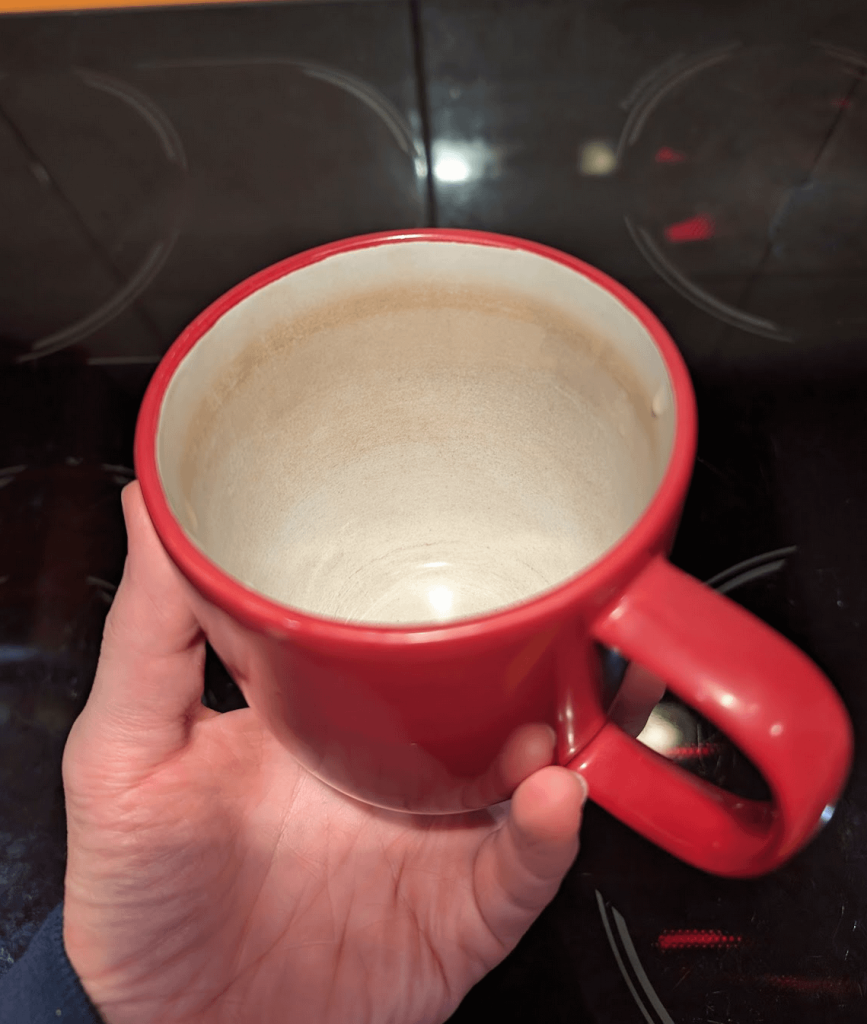
Have you ever noticed those stubborn tea stains clinging to your favorite cup? They can make your once-pristine mug look dull and dirty.
You might try scrubbing, but the marks just won’t budge. What if you could easily restore your cup’s shine without harsh chemicals or endless effort? You’ll discover simple, effective ways to remove tea stains and keep your cups looking fresh and inviting.
Keep reading—your perfect cup of tea deserves a spotless home.
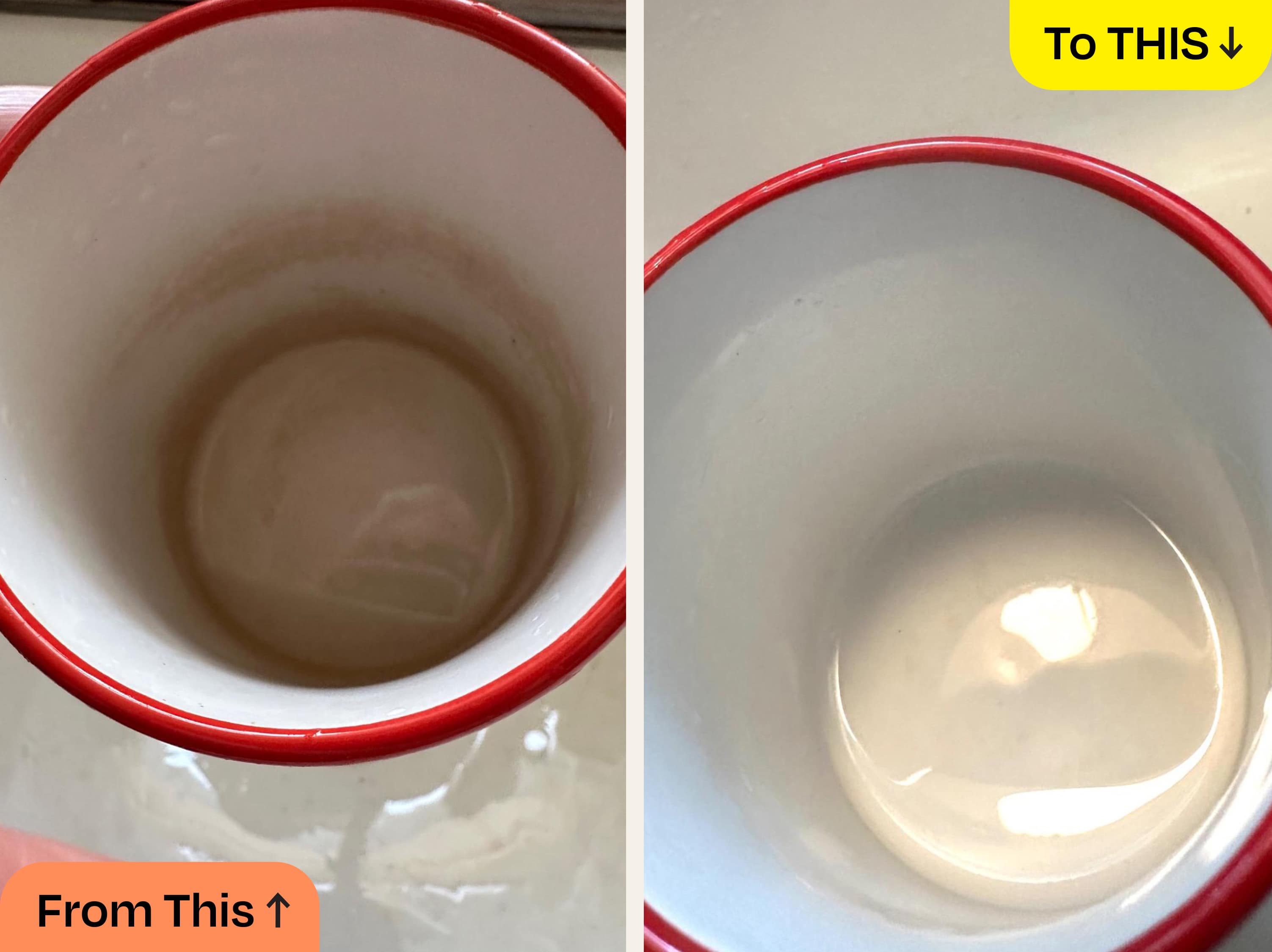
Credit: www.thekitchn.com
Causes Of Tea Stains
Tea stains on cups happen because of natural compounds in tea. These compounds stick to the cup’s surface and create marks over time.
Knowing what causes these stains helps in removing them properly and keeping cups clean.
Tannins In Tea
Tannins are natural chemicals in tea that give it a bitter taste and dark color. They are the main cause of tea stains on cups.
Porous Surfaces Of Cups
Cups with rough or porous surfaces absorb tea liquids more easily. This makes it easier for stains to form and stay on the cup.
- Ceramic cups with cracks
- Uncoated porcelain cups
- Plastic cups with micro scratches
Frequency Of Use And Cleaning
Using the same cup for tea many times without washing causes stains to build up. Tea residue hardens and sticks strongly if not cleaned well.
| Cause | Effect on Stains |
|---|---|
| Tannins | Create dark, hard-to-remove stains |
| Porous surfaces | Absorb tea, making stains stick |
| Infrequent cleaning | Allows residue to build and darken |

Credit: puracy.com
Common Household Remedies
Tea stains on cups are a common problem in many homes. They can make your cups look dirty and old.
Using simple household items, you can clean these stains easily. These remedies are safe and effective.
Baking Soda Paste
Baking soda is a mild abrasive that helps scrub away tea stains. It is gentle on cups and safe to use.
- Mix baking soda with a little water to form a thick paste.
- Apply the paste to the stained areas of the cup.
- Use a soft cloth or sponge to rub the paste gently.
- Rinse the cup with warm water and dry it.
Vinegar Soak
White vinegar is acidic and breaks down tea stains quickly. This method works well for tough stains.
| Step | Action |
| 1 | Fill the cup with equal parts white vinegar and warm water. |
| 2 | Let it soak for 15 to 30 minutes. |
| 3 | Use a sponge or brush to scrub the stains. |
| 4 | Rinse the cup thoroughly with clean water. |
Lemon Juice Method
Lemon juice has natural bleaching properties. It helps brighten your cups and remove stains.
Try this easy method:
- Cut a lemon in half and squeeze the juice into the cup.
- Rub the lemon halves directly on the stains.
- Let the juice sit for 10 minutes.
- Rinse the cup with warm water and dry it.
Using Commercial Cleaners
Tea stains on cups can be hard to remove with regular washing. Commercial cleaners are designed to break down these stubborn stains. They offer a quick and easy way to restore your cups to their clean look.
These cleaners come in different forms like powders, liquids, or gels. Choosing the right one and using it safely helps keep your cups in good condition.
Choosing The Right Cleaner
Pick a cleaner made specifically for removing stains from cups and dishes. Some cleaners work better on tea stains than others. Look for one that is safe for the material of your cup, such as ceramic or glass.
- Check the label for stain removal power
- Make sure it is safe for your cup’s material
- Avoid cleaners with harsh chemicals if possible
- Choose a product that is easy to rinse off
Safe Usage Tips
Follow the instructions on the cleaner’s packaging carefully. Using too much cleaner or leaving it on too long can damage your cups. Always rinse cups thoroughly to remove any cleaner residue.
- Wear gloves to protect your skin
- Use the cleaner in a well-ventilated area
- Do not mix different cleaning products
- Test the cleaner on a small area first
- Rinse cups completely after cleaning
Preventing Future Stains
Tea stains on cups can be hard to remove if they stay for a long time. Preventing stains helps keep cups clean and shiny.
Simple habits and quick actions stop stains from forming. These steps save time and effort later.
Regular Cleaning Habits
Cleaning cups after each use stops stains from building up. Use warm water and dish soap to wash cups well.
Try to clean cups even if you will use them again soon. This stops tea from drying and leaving marks.
- Wash cups with soap and a soft sponge
- Rinse thoroughly to remove all soap
- Dry cups with a clean towel or air dry
- Clean cups daily if used often
Quick Rinse Techniques
Rinse cups quickly right after drinking tea. This helps stop stains before they start.
Use warm water to rinse the inside of the cup well. Swirl water around and pour it out.
- Rinse cups immediately after use
- Use warm water for better cleaning
- Swirl water inside the cup to reach all areas
- Empty cups fully to dry faster
Tips For Different Cup Materials
Tea stains can spoil the look of your favorite cups. Different materials need different care to remove these stains well.
Use the right cleaning tips to keep your cups clean and safe. Below are tips for ceramic, glass, and stainless steel cups.
Ceramic Cups
Ceramic cups often hold tea stains because of their porous surface. Use gentle cleaning to avoid damage.
- Make a paste with baking soda and water.
- Apply the paste on the stain and let it sit for 10 minutes.
- Scrub gently with a soft sponge or cloth.
- Rinse with warm water and dry.
Glass Cups
Glass cups show stains clearly but clean easily. Use mild methods to avoid scratches.
| Cleaning Method | Instructions |
| White Vinegar Soak | Fill cup with vinegar and water (1:1). Soak for 30 minutes, then rinse. |
| Baking Soda Scrub | Sprinkle baking soda on a wet sponge. Rub stains gently, rinse well. |
| Lemon Juice | Rub lemon juice on stains. Let sit 5 minutes, then wash. |
Stainless Steel Cups
Stainless steel is strong but tea stains can dull its shine. Use safe cleaners to restore brightness.
Try this simple recipe to clean your stainless steel cup:
- Mix equal parts vinegar and water.
- Pour into the cup and let sit for 15 minutes.
- Scrub with a soft brush or cloth.
- Rinse thoroughly and dry with a soft towel.
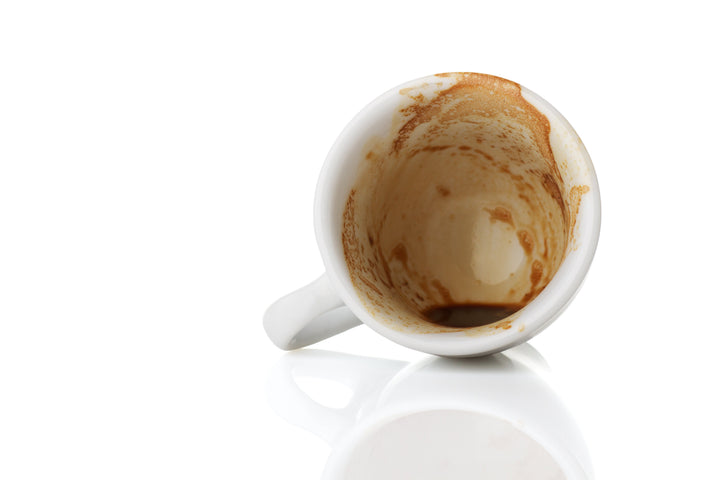
Credit: nelsonwashonline.co.uk
Frequently Asked Questions
What Causes Tea Stains In Cups?
Tea stains are caused by tannins, natural compounds found in tea. These compounds adhere to cup surfaces, especially porous materials. Over time, they create stubborn, unsightly stains. Regular cleaning and using non-porous cups can help prevent staining.
How Does Baking Soda Remove Tea Stains?
Baking soda is a mild abrasive and natural cleaner. It helps to scrub off tea stains without damaging the cup. Simply sprinkle some on a damp cloth or sponge, gently rub the stained area, and rinse thoroughly.
Can Vinegar Help Clean Tea Stains?
Yes, vinegar is effective for removing tea stains. Its acidic nature breaks down tannins in the stains. Mix equal parts vinegar and water, soak the cup, and scrub with a sponge. Rinse well afterward.
Are Commercial Cleaners Safe For Tea Stains?
Most commercial cleaners are safe and effective for tea stains. However, check the label for suitability on your cup material. Follow instructions carefully and rinse thoroughly to avoid any residue.
Conclusion
Tea stains on cups do not have to stay forever. Simple ingredients like baking soda, vinegar, or lemon work well. A little scrubbing helps remove the marks fast. Regular cleaning stops stains from building up again. Clean cups look nice and keep your drinks tasting fresh.
Try these easy steps to keep your cups bright. Small efforts bring big results. Enjoy your tea without worrying about stains.