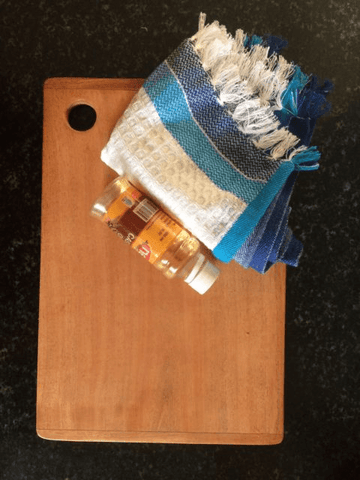
Your wooden cutting board is more than just a kitchen tool—it’s an investment that can last for years with the right care. But do you know how to season it properly?
Seasoning your wooden cutting board not only protects it from cracks and stains but also keeps it safe and ready for your next meal prep. If you want to keep your board looking fresh and performing at its best, you need to learn the simple steps to season it correctly.
Keep reading to discover how easy it is to give your cutting board the care it deserves.
Choosing The Right Oil
Seasoning a wooden cutting board keeps it strong and safe. The right oil protects the wood from water and stains.
Not all oils work well for cutting boards. Some can go bad or harm the wood. Pick food-safe oils for best results.
Food-safe Oils To Consider
Food-safe oils soak into the wood and protect it without going bad. These oils keep your board smooth and clean.
- Mineral oil is clear, odorless, and does not go rancid.
- Walnut oil is natural and safe but check for nut allergies.
- Fractionated coconut oil stays liquid and resists spoiling.
- Pure tung oil hardens well and protects against water.
- Beeswax mixed with oil adds extra protection and shine.
Oils To Avoid
Some oils can go rancid and smell bad. These oils can ruin your cutting board.
- Vegetable oils like olive, canola, and corn oil go bad quickly.
- Nut oils not labeled as food-safe may cause allergies or spoil.
- Cooking oils with additives or flavors can harm the wood.
- Baby oils and cosmetic oils are not safe for food contact.
Credit: www.thekitchn.com
Preparing The Board
Seasoning a wooden cutting board keeps it strong and safe. Proper preparation helps the oil soak in well.
Before seasoning, clean and dry the board carefully. This ensures the best results for long-lasting care.
Cleaning Before Seasoning
Remove all dirt and food particles from the board. Use gentle soap and warm water to clean it well.
- Use a soft sponge or cloth to scrub the surface
- Rinse with warm water to wash away soap
- Do not soak the board in water to avoid damage
- Wipe with a clean towel to remove extra moisture
- Check for any stains or smells and treat if needed
Drying The Surface
Dry the board completely before applying oil. Moisture can stop the oil from soaking into the wood.
| Drying Method | Details |
| Air Dry | Place the board upright in a well-ventilated area for several hours |
| Towel Dry | Use a clean, dry towel to wipe the surface thoroughly |
| Avoid Heat | Do not use a hair dryer or heater to speed up drying |
Applying The Oil
Seasoning a wooden cutting board with oil protects it from moisture and cracking. Applying oil properly helps the wood last longer and stay smooth.
Use the right technique to spread the oil evenly. This makes sure all parts of the board absorb the oil well.
Techniques For Even Coverage
Start by pouring a small amount of oil onto the board’s surface. Use a clean, soft cloth or paper towel to rub the oil in a circular motion. Cover the entire surface, including the edges and sides.
- Apply oil in small sections for better control.
- Rub oil evenly until the board looks slightly shiny.
- Wipe off any excess oil after 10–15 minutes.
- Allow the board to absorb the oil for several hours or overnight.
Amount Of Oil To Use
| Board Size | Oil Amount |
|---|---|
| Small (up to 8×10 inches) | 1 to 2 tablespoons |
| Medium (up to 12×18 inches) | 3 to 4 tablespoons |
| Large (over 18×24 inches) | 5 to 6 tablespoons |
Letting The Board Absorb Oil
Seasoning a wooden cutting board helps keep it strong and safe to use. Letting the board absorb oil is a key part of this process. The oil soaks into the wood and protects it from moisture and cracks.
It is important to give the board enough time to take in the oil. This makes the wood smooth and helps it last longer.
Ideal Absorption Time
Let the board sit for at least a few hours after applying oil. This gives the wood time to soak up the oil deep inside. For the best results, leave it overnight.
Do not rush the process by wiping off the oil too soon. The wood needs time to absorb the oil fully.
- Allow 4 to 12 hours for light absorption
- Overnight absorption is ideal for deep conditioning
- Keep the board in a dry place during absorption
Signs The Board Is Ready
The board looks darker and feels smooth when it has absorbed enough oil. It should not feel sticky or wet on the surface.
Check for these signs before using or adding more oil. This helps protect your board and keeps it in good shape.
- Wood color is richer and even
- Surface feels soft and not tacky
- No visible oil pooling on top
- Board has a slight sheen but is not shiny
Removing Excess Oil
Seasoning a wooden cutting board often involves applying oil. Too much oil can leave your board greasy. Removing this extra oil helps keep the board clean and ready for use.
Proper removal of excess oil prevents sticky surfaces and extends the life of your cutting board.
Wiping Techniques
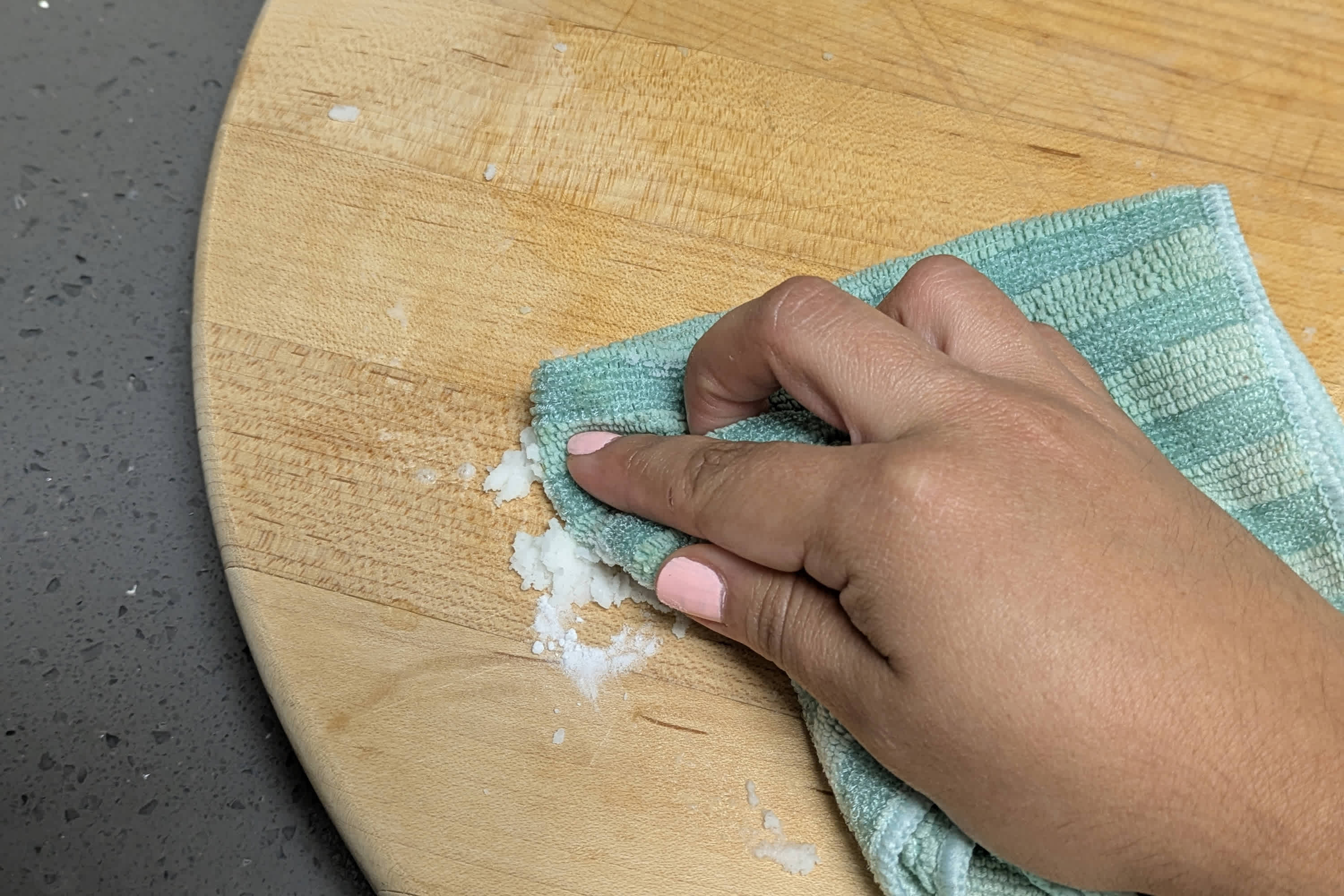
After oiling, wait about 20 minutes for the oil to soak in. Use a clean, dry cloth to wipe off the extra oil. Wipe in the direction of the wood grain to avoid rough spots.
- Use a soft cotton cloth or paper towel
- Apply gentle pressure to avoid scratching the surface
- Wipe evenly across the entire board
- Repeat wiping until no more oil comes off
Avoiding Sticky Residue
Sticky residue happens when too much oil stays on the surface. This can attract dirt and bacteria. To avoid this, remove excess oil promptly and avoid applying large amounts at once.
| Cause | Effect | Prevention |
| Excess oil left on surface | Sticky residue | Wipe off extra oil immediately |
| Using thick or heavy oils | Slow absorption | Use light mineral oil or cutting board oil |
| Applying oil too often | Build up of residue | Season only when board looks dry |
Frequency Of Seasoning
Keeping your wooden cutting board well-seasoned helps protect it from drying out. Seasoning adds a protective layer that stops cracks and warping.
How often you should season your board depends on several factors. These affect how quickly the wood loses its oils.
How Often To Oil
For most wooden cutting boards, oiling once a month is enough. If you use the board every day, you might need to oil it more often.
- Use food-safe mineral oil for best results.
- Apply oil until the board stops soaking it up.
- Let the oil sit overnight to absorb fully.
- Wipe off any excess oil before use.
Factors Affecting Frequency
| Factor | Effect on Seasoning Frequency |
| Usage | More use means oil more often |
| Climate | Dry or hot air dries wood faster |
| Cleaning | Frequent washing removes oils |
| Board Type | End grain boards need more oiling |
Check your board regularly. If it looks dry or water soaks in quickly, it is time to oil again.
Additional Maintenance Tips
Keeping your wooden cutting board in good shape takes more than just seasoning. Proper cleaning and protecting it from water damage are key steps. These tips will help your board last longer and stay safe for food.
Read on to learn how to clean your board after use and how to avoid water damage effectively.
Cleaning After Use
Clean your wooden cutting board carefully after each use to prevent bacteria and stains. Avoid harsh chemicals and soaking the board in water.
- Wipe the board with a damp cloth or sponge using mild soap.
- Rinse quickly with warm water and avoid soaking.
- Dry immediately with a clean towel to remove excess moisture.
- Let the board air dry standing upright for full drying.
- Apply a light coat of mineral oil if the board looks dry after cleaning.
Avoiding Water Damage
Water can cause wood to warp, crack, or grow mold. Use these simple rules to keep your cutting board safe from water damage.
| Action | Why It Matters |
|---|---|
| Do not soak the board in water | Prevents swelling and cracking |
| Keep the board dry after cleaning | Stops mold and bacteria growth |
| Store in a well-ventilated area | Allows full air drying to avoid dampness |
| Use food-safe oil regularly | Creates a water-resistant surface |

Credit: ca.style.yahoo.com
Common Mistakes To Avoid
Seasoning a wooden cutting board keeps it safe and durable. Many people make mistakes that harm the board.
Knowing what to avoid helps your board last longer and stay clean.
Over-oiling The Board
Putting too much oil on the board can cause problems. The wood may stay sticky or soft for days.
Excess oil does not soak in well. It can attract dust and germs, which makes the board unsafe.
- Use only a small amount of oil at a time.
- Apply oil evenly and let it soak in for hours.
- Wipe off any extra oil after 10-15 minutes.
- Season the board regularly, but not too often.
Using The Wrong Products
Not all oils or cleaners work well on wooden boards. Some can damage the wood or make it unsafe.
Avoid vegetable oils that can go bad and cause smells. Also, do not use harsh chemicals or soap to season the board.
- Use food-safe mineral oil or special cutting board oil.
- Do not use olive oil, coconut oil, or other cooking oils.
- Avoid bleach or strong detergents on the wood.
- Choose gentle cleaners made for wood cutting boards.
Credit: www.wildwood.com.au
Frequently Asked Questions
How Often Should You Season A Wooden Cutting Board?
Season your wooden cutting board every 3-4 weeks to maintain its quality. Regular seasoning prevents the wood from drying out and cracking. It also helps in creating a protective barrier against moisture and bacteria. If you use your board frequently, consider seasoning it more often.
What Oil Is Best For Seasoning Cutting Boards?
Use food-grade mineral oil for seasoning wooden cutting boards. Mineral oil is odorless, tasteless, and safe for food contact. It penetrates the wood deeply, providing effective protection. Avoid using olive or vegetable oils as they can turn rancid over time, affecting the board’s surface and your food’s taste.
Can You Use Beeswax On Cutting Boards?
Yes, beeswax is excellent for seasoning cutting boards. It adds a protective layer that repels moisture. Beeswax also enhances the board’s natural shine and smoothness. When combined with mineral oil, it offers superior conditioning. Apply a thin layer after oiling for the best results.
Why Is Seasoning Cutting Boards Important?
Seasoning prevents wood from drying and cracking, extending the board’s lifespan. It creates a protective barrier against moisture and bacteria. Proper seasoning also enhances the board’s appearance, keeping it smooth and shiny. Regular maintenance ensures your cutting board remains a reliable and safe kitchen tool.
Conclusion
Seasoning a wooden cutting board keeps it strong and safe to use. Apply oil regularly to stop the wood from drying out. Clean the board well before each treatment. This simple care helps your board last longer. It also keeps your food fresh and tasty.
A well-seasoned board looks nice and feels smooth. Take a little time each month for this easy step. Your kitchen tools will thank you!