
Setting up a fishing rod might seem tricky at first, but once you know the steps, it becomes simple and even fun. Whether you’re a beginner or just need a quick refresher, this guide will walk you through everything you need to get your rod ready.
Imagine how great it will feel to cast your line perfectly and catch that big fish. Keep reading, and you’ll learn how to set up your fishing rod quickly and confidently. Your next fishing trip is about to get a whole lot better!
Credit: www.texaskayakfisher.com
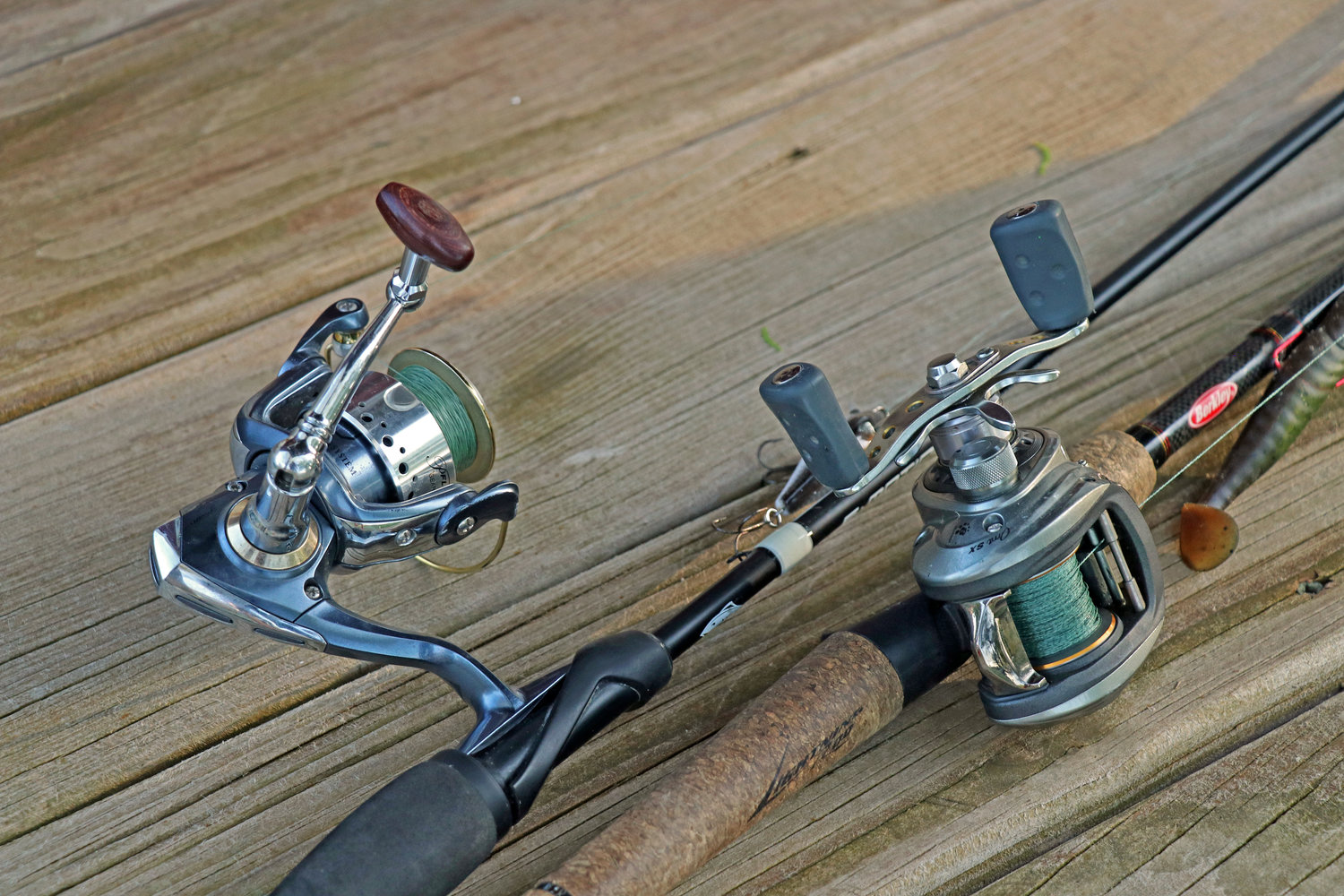
Choosing The Right Rod And Reel
Choosing the right fishing rod and reel is important for a good fishing experience. The right tools help you catch fish easily and enjoy your time outdoors.
This guide will explain how to pick a fishing rod and reel that match your needs and skills.
Types Of Fishing Rods
Fishing rods come in different types. Each type fits certain fishing styles and fish sizes.
- Spinning rods are light and easy to use for beginners.
- Baitcasting rods offer more control for experienced anglers.
- Fly rods are used for fly fishing and are flexible.
- Trolling rods are strong and used for fishing from boats.
Selecting The Best Reel
The reel holds the fishing line and helps you cast and retrieve it. Choose a reel that fits your rod and fishing style.
| Reel Type | Best For | Ease of Use |
| Spinning Reel | Light to medium fish | Easy |
| Baitcasting Reel | Heavy fish and precise casts | Moderate |
| Fly Reel | Fly fishing | Moderate |
| Spincast Reel | Beginners and kids | Very easy |
Matching Rod And Reel
Match your rod and reel by size and power. This balance helps you cast better and handle fish well.
Here are tips to match your rod and reel:
- Use a light rod with a spinning reel for small fish.
- Pair a medium rod with a baitcasting reel for bigger fish.
- Check the rod’s line weight and match it with the reel’s line capacity.
- Make sure the reel fits comfortably on the rod handle.
Gathering Essential Fishing Gear
Setting up a fishing rod is exciting and fun. You need the right gear to get started. Let’s look at what you need.
From fishing lines to hooks and bait, each piece is important. This guide will help you gather everything you need.
Fishing Line Options
Choosing the right fishing line is crucial. It connects your rod to the hook and bait.
- Monofilament: Easy to handle, good for beginners.
- Braided: Strong and durable, great for heavy catches.
- Fluorocarbon: Almost invisible in water, perfect for clear waters.
Hooks And Bait
Hooks and bait are vital for catching fish. You need the right size and type for your fishing trip.
| Hook Type | Best For |
| Circle Hook | Catch and release fishing |
| J-Hook | General purpose, many fish types |
| Trebles | Lures, multiple points of contact |
Additional Accessories
These accessories can make your fishing experience better. They help in various situations.
- Fishing net: Useful for landing your catch safely.
- Tackle box: Keeps all your gear organized.
- Fishing pliers: Handy for removing hooks and cutting lines.
Assembling Your Fishing Rod
Setting up your fishing rod is the first step before fishing. You need to put parts together carefully.
This guide helps you connect the rod sections, attach the reel, and thread the fishing line.
Connecting Rod Sections
Most fishing rods come in two or more pieces. Connect these sections by sliding the thinner end into the larger end.
Make sure the guides (small rings) line up straight. This helps the line flow smoothly when you cast.
- Hold the thicker part firmly
- Push the thinner part inside gently
- Align the guides in a straight line
- Twist slightly to secure the connection
Attaching The Reel
The reel holds your fishing line and helps you cast and retrieve it. Attach it to the rod’s reel seat.
Place the reel foot into the reel seat and tighten the locking rings or screws. Make sure the reel is secure.
- Open the reel seat on the rod
- Insert the reel foot into the seat
- Tighten the rings or screws firmly
- Check that the reel does not move
Threading The Line
After attaching the reel, thread the fishing line through the rod guides. Start from the bottom near the reel.
Pull the line through each guide until it reaches the rod tip. Tie the line to the reel spool securely.
- Open the reel bail (arm)
- Pull line from the spool
- Thread line through each guide
- Tie the line to the spool with a secure knot
- Close the reel bail

Credit: fishgenix.com
Tying Secure Knots
Setting up a fishing rod needs strong and secure knots. Knots hold your line and hook together.
Bad knots can cause the line to slip or break. Learning to tie knots well helps catch more fish.
Common Knot Types
There are many knots used in fishing. Some knots are easier, and some are stronger.
- Improved Clinch Knot – good for tying hooks to line
- Palomar Knot – very strong and easy to tie
- Loop Knot – allows bait to move freely
- Uni Knot – versatile and reliable for many uses
- Bimini Twist – creates a strong double line
Step-by-step Knot Tying
Start by threading the line through the hook eye. Leave some extra line to work with.
Wrap the tag end around the main line several times. Then pass it back through the loop near the hook.
- Thread line through hook eye
- Make 5 to 7 wraps with tag end
- Pass tag end back through loop
- Pull tag end and main line tight
- Trim excess tag end close to knot
Tips For Strong Knots
Wet the line before tightening the knot. This reduces friction and prevents damage.
Pull the knot tight slowly and evenly. Check the knot for any twists or loose parts.
- Use the right knot for the fishing type
- Practice tying knots before fishing trips
- Always trim excess line close to the knot
- Test the knot strength by pulling hard
Setting Up The Bait And Lures
Setting up your fishing rod with the right bait and lures is key to catching fish. It helps attract fish and makes your fishing experience better.
In this guide, you will learn about choosing bait, attaching lures, and using bobbers and weights to improve your fishing setup.
Choosing The Right Bait
Pick bait that matches the fish you want to catch. Different fish like different types of bait. Live bait often works well.
Here are some common bait choices:
- Worms: Good for many freshwater fish
- Minnows: Attract bigger fish like bass
- Insects: Great for trout and panfish
- Artificial bait: Useful when live bait is not available
Attaching Lures Properly
Attach lures tightly to your fishing line. Use strong knots to avoid losing the lure. Common knots include the improved clinch knot and Palomar knot.
Make sure the lure can move naturally in the water. This helps attract fish better.
- Thread the line through the lure eye
- Tie a secure knot and trim extra line
- Check the lure moves freely
Using Bobbers And Weights
Bobbers keep your bait at the right depth. They also signal when a fish bites. Weights help your bait sink faster and stay in place.
Use different sizes of bobbers and weights depending on water conditions and fish type.
- Choose a bobber size that floats your bait well
- Add split shot weights to control sinking speed
- Place weights below the bobber for better balance
Adjusting Drag And Line Tension
Setting up a fishing rod requires adjusting the drag and line tension. These settings help you control the fish and protect your gear.
Proper drag and tension make fishing easier and increase your chances of catching fish without breaking your line.
How To Set Drag
Drag controls how much resistance a fish feels when it pulls the line. Adjust it to avoid breaking the line or losing the fish.
Turn the drag knob on your reel clockwise to tighten it. Turn it counterclockwise to loosen it. Set it to about one-third of your line’s breaking strength.
- Start with a loose drag setting
- Tighten slowly while testing
- Stop tightening when the line feels strong but can still pull out
Testing Line Tension
Line tension is how tight the fishing line feels. Too tight or too loose tension can cause problems during fishing.
Pull the line gently with your hand. The line should move smoothly but not slip easily. Adjust the reel’s drag if needed.
- Pull the line to check smoothness
- Listen for clicking sounds from the reel
- Adjust drag to maintain steady tension
Maintaining Balance
Balance means having the right drag and line tension together. This helps you fight fish without breaking your rod or line.
Check drag and tension often while fishing. Change settings if the fish pulls hard or if the line feels loose.
- Keep drag tight enough to tire the fish
- Keep line tension smooth for easy casting
- Adjust both as fish behavior changes
Practicing Casting Techniques
Casting a fishing rod well takes practice and patience. It helps you place the bait where the fish are.
Start by learning the basic motions. Then work on your aim and avoid common mistakes.
Basic Casting Motions
Hold the rod firmly but not too tight. Use your wrist and elbow to move the rod smoothly.
- Pull the rod back slowly behind you.
- Pause briefly before casting forward.
- Push the rod forward in a straight line.
- Release the line at the right moment.
- Follow through with the rod after releasing.
Improving Accuracy
Good accuracy helps you catch fish in tight spots. Practice aiming at targets on land.
| Tip | How to Do It |
| Focus on a spot | Pick a target and keep your eyes on it. |
| Control your speed | Cast smoothly, not too fast or slow. |
| Adjust your stance | Stand with feet shoulder-width apart for balance. |
| Use your wrist | Fine-tune direction by small wrist movements. |
Common Casting Mistakes
Many beginners make the same errors that hurt their casting. Watch out for these.
- Holding the rod too tight and causing tension.
- Releasing the line too early or too late.
- Using jerky or rushed motions.
- Not aiming before casting.
- Ignoring wind direction and force.

Credit: www.youtube.com
Maintaining Your Fishing Rod
Taking care of your fishing rod helps it last longer and work better. Regular maintenance keeps it strong and ready for fishing trips.
Simple steps like cleaning and checking your rod can prevent damage. Good storage also protects it from wear and tear.
Cleaning After Use
Clean your fishing rod after every trip. Salt, dirt, and debris can cause damage if left on the rod.
Use fresh water and a soft cloth to wipe the rod and guides. Avoid harsh chemicals that can weaken the material.
- Rinse rod with fresh water
- Wipe with a soft cloth
- Dry completely before storing
Storage Tips
Store your fishing rod in a cool, dry place. Avoid areas with extreme heat or moisture, which can damage the rod.
Keep the rod in a case or on a rack to prevent bending. Do not lean it against walls for long periods.
- Use a rod case for protection
- Keep away from direct sunlight
- Store vertically or on a proper rack
Routine Checks
Inspect your fishing rod regularly for any damage. Look for cracks, loose guides, or worn-out parts.
Fix small problems early to avoid bigger repairs. Replace worn guides and tighten any loose fittings.
- Check rod blank for cracks
- Examine guides for wear or bends
- Tighten reel seat and fittings
- Replace damaged parts promptly
Frequently Asked Questions
How Do I Choose The Right Fishing Rod?
Choose a rod based on the fish type and fishing style. Consider rod length, power, and action for best results. Match the rod with your reel and line for optimal performance.
What Are The Basic Steps To Set Up A Fishing Rod?
Attach the reel to the rod securely. Thread the fishing line through the guides from tip to base. Tie the hook or lure to the line using a strong knot.
How Do I Spool Fishing Line Correctly?
Attach the line to the reel spool with an arbor knot. Keep tension on the line while winding it evenly onto the spool. Avoid overfilling to prevent tangles.
What Knot Should I Use To Tie My Hook?
The improved clinch knot is popular and reliable. It is easy to tie and holds well under pressure. Always moisten the line before tightening to prevent damage.
Conclusion
Setting up a fishing rod is easier than it seems. Follow each step slowly and carefully. Choose the right rod, reel, and line for your fishing. Attach the reel and thread the line through guides. Tie a strong knot to secure your hook.
Add bait or lure, then cast your line. Practice makes perfect. Enjoy the calm and patience fishing brings. Soon, you will feel confident and ready to catch fish. Keep trying and have fun on every fishing trip.