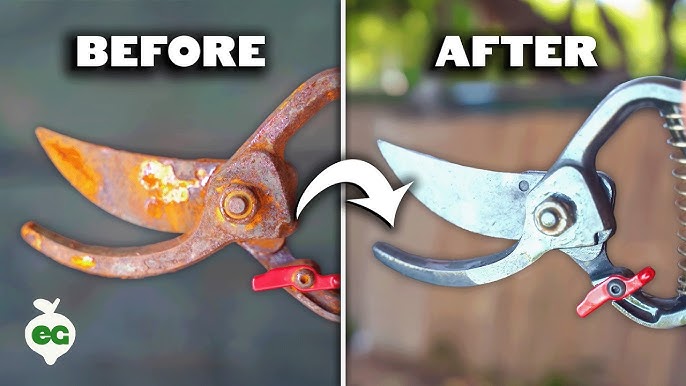
Are your hedge shears leaving jagged cuts instead of clean, crisp edges? Dull blades can make your gardening harder and damage your plants.
But don’t worry—you can easily sharpen your hedge shears yourself. Imagine slicing through branches smoothly, saving time and effort while keeping your garden looking neat and healthy. You’ll discover simple, step-by-step tips to bring your shears back to life. Ready to make your gardening tasks easier and more enjoyable?
Let’s get started!

Credit: www.youtube.com
Tools Needed
Sharpening hedge shears is easy with the right tools. Using proper tools keeps the blades sharp and safe.
Gathering the right equipment helps you do the job quickly and well. Here are the tools you will need.
Essential Sharpening Tools
You need a few basic tools to sharpen your hedge shears correctly. These tools help remove rust and sharpen the blades.
- Flat File:Used to sharpen the blade edge smoothly.
- Sharpening Stone:Polishes and refines the blade after filing.
- Wire Brush:Removes dirt and rust before sharpening.
- Lubricating Oil:Prevents rust and helps blades move smoothly.
- Cloth or Rag:Cleans blades and removes metal filings.
- Wrench or Screwdriver:Adjusts or removes blades if needed.
Safety Equipment
Sharpening blades can be dangerous without proper safety gear. Protect your hands and eyes during the process.
- Safety Gloves:Protect hands from sharp edges and metal filings.
- Safety Glasses:Shield eyes from flying particles.
- Long Sleeves:Prevent scratches on your arms.
Preparing Hedge Shears
Sharpening hedge shears starts with proper preparation. This step helps you work safely and get better results.
Cleaning and disassembling the shears makes it easier to sharpen the blades well.
Cleaning Blades
Clean the blades before sharpening to remove dirt and sap. This prevents damage and helps you see the edge clearly.
Use a cloth and soapy water or a mild cleaner. Wipe the blades carefully and dry them well to stop rust.
- Wear gloves to protect your hands
- Use a brush for stuck debris
- Dry blades with a clean towel
Disassembling For Access
Take apart the shears if you want easier access to the blades. This makes sharpening faster and safer.
Find the main bolt or screw that holds the blades together. Use the right tool to loosen it carefully.
- Keep parts organized to avoid losing them
- Note how blades fit to reassemble correctly
- Handle blades carefully to avoid cuts
Sharpening Techniques
Keeping hedge shears sharp is important. Dull blades make trimming hard and uneven. There are different ways to sharpen hedge shears.
Let’s explore different techniques for sharpening hedge shears. Learn how to use a sharpening stone, a file, and power tools.
Using A Sharpening Stone
A sharpening stone can refine the edges of your hedge shears. It is a simple tool to use.
First, clean the blades to remove dirt. Then, hold the stone at the same angle as the blade. Slide the stone along the edge in smooth motions.
- Choose the right grit stone
- Use water or oil on the stone
- Maintain a consistent angle
- Wipe blades after sharpening
Employing A File
A file is another tool for sharpening hedge shears. It is easy to handle and effective.
Secure the shears in a vice or hold them steady. Use the file along the blade’s edge, following its angle. Repeat until the edge is sharp.
- Select a flat or round file
- File in one direction
- Check sharpness after filing
- Clean the blades before use
Power Tools For Sharpening
Power tools can make sharpening faster. They are suitable for those who have experience using them.
Use a bench grinder or a rotary tool. Carefully guide the blade against the tool. Be cautious to avoid overheating the blade.
- Wear safety goggles
- Keep a steady hand
- Use light pressure
- Allow blades to cool
Maintaining Blade Angle
Keeping the correct blade angle is key to sharp hedge shears. It helps the blades cut cleanly and last longer. You need to check and keep the angle steady while sharpening.
The blade angle usually matches the original factory edge. Using the right angle makes sharpening easier and safer for your shears.
Identify The Original Angle
Look closely at the blade edge to see its original angle. Most hedge shears have an angle between 20 and 30 degrees. Use a protractor or angle guide to check it carefully.
Use The Correct Sharpening Tools
Choose a sharpening tool that helps keep the angle steady. A flat file or sharpening stone works well. Some tools have guides to hold the right angle as you sharpen.
Sharpening Technique To Maintain Angle
- Hold the blade firmly and match the original edge angle.
- Move the file or stone along the edge in one direction.
- Keep a steady hand to avoid changing the angle.
- Check the angle often during sharpening.
- Sharpen both blades evenly for a clean cut.
Common Blade Angles For Hedge Shears
| Blade Type | Typical Angle | Use |
|---|---|---|
| Bypass Shears | 20° – 25° | Clean cuts on live branches |
| Anvil Shears | 25° – 30° | Cutting dry or dead wood |
Testing Sharpness
After sharpening your hedge shears, you need to check if the blades are sharp enough. Testing sharpness helps you know if the shears will cut cleanly and easily.
There are simple ways to test sharpness without special tools. You can use a cutting test or a visual inspection to see blade condition.
Cutting Test
Use the hedge shears to cut a small branch or some grass. A sharp blade will cut smoothly without much force.
If you feel resistance or the shears tear the material, the blades need more sharpening. Try cutting different types of plants to be sure.
- Choose a thin branch or soft plant
- Cut with steady, even pressure
- Check if the cut edges are clean and smooth
- If the cut is ragged, sharpen the blades again
Visual Inspection
Look closely at the blades under good light. Sharp blades have a smooth, shiny edge without nicks or dents.
Dull blades often look rounded or rough at the cutting edge. You can also check for any metal shavings or burrs along the blade.
- Hold the blade at an angle to the light
- Look for smooth, straight edges
- Spot any chips, dents, or rough spots
- Remove burrs with a fine file or sharpening stone

Credit: www.youtube.com
Lubricating And Reassembling
After sharpening your hedge shears, you need to lubricate and reassemble them. This keeps the blades moving smoothly. It also stops rust and wear.
Lubrication and reassembly help your shears work well longer. Follow these simple steps to finish the job.
Lubricating The Shears
Use a light oil to lubricate the blades and pivot point. This reduces friction and stops rust from forming.
Apply oil sparingly and wipe off any extra. Too much oil can attract dirt and make the shears sticky.
- Put a drop of oil on the pivot bolt
- Spread oil along the blade edges
- Wipe off excess oil with a clean cloth
Reassembling The Shears
Put the blades back together carefully after lubrication. Make sure the pivot bolt is tight but not too tight.
Check that the blades open and close smoothly. Adjust the bolt if the movement feels stiff or loose.
- Align the blades properly
- Insert and tighten the pivot bolt
- Test the shears for smooth cutting action
Regular Care Tips
Keeping your hedge shears sharp helps them work better and last longer. Regular care stops rust and damage.
Simple habits after each use protect your tools. This guide shows how to clean and store shears properly.
Cleaning After Use
Remove dirt and sap from blades after every use. This keeps the blades clean and sharp for the next job.
Wipe blades with a cloth and soapy water. Dry them well to stop rust from forming on the metal.
- Use a stiff brush to clear stuck debris.
- Apply rubbing alcohol to remove sticky sap.
- Dry blades completely after cleaning.
- Lightly oil blades to prevent rust.
Storage Advice
Store hedge shears in a dry place to avoid moisture damage. Keep blades closed or locked when not in use.
Hang shears or place them in a tool rack. Avoid leaving them on the ground or outside where weather can harm them.
- Keep shears in a dry, cool area.
- Use blade covers or wrap blades with cloth.
- Check shears regularly for rust or wear.
- Sharpen blades before long storage periods.

Credit: www.angi.com
Frequently Asked Questions
How Often Should I Sharpen Hedge Shears?
Sharpen hedge shears after every few uses or when cutting feels dull. Regular sharpening maintains clean cuts and plant health.
What Tools Do I Need To Sharpen Hedge Shears?
Use a flat file, sharpening stone, or a diamond file. Also, have safety gloves and a cloth for cleaning.
Can I Sharpen Hedge Shears At Home Safely?
Yes, with proper tools and safety measures, you can sharpen shears at home. Follow step-by-step instructions carefully to avoid injury.
How Do I Know When Hedge Shears Need Sharpening?
If cuts are jagged or require extra force, your shears need sharpening. Smooth, clean cuts indicate sharp blades.
Conclusion
Sharpening hedge shears keeps your garden tools working well. Dull blades make cutting harder and damage plants. Use a file or sharpening stone for best results. Regular maintenance saves time and effort later. Clean your shears before sharpening to remove dirt.
Always wear gloves for safety during the process. A sharp pair of shears helps you trim neatly. Take care of your tools, and they will last longer. Simple steps lead to better gardening and healthier hedges. Keep sharpening often to enjoy smooth, easy cuts every time.