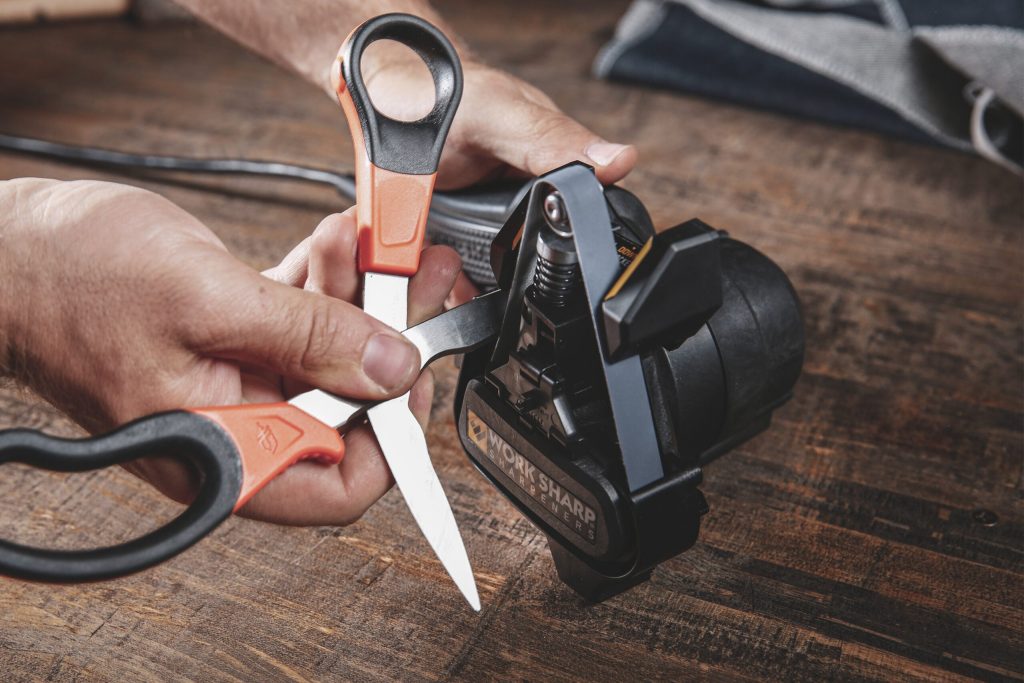
Have you ever struggled with dull shears that just won’t cut cleanly? It’s frustrating when your tools don’t work the way they should, slowing you down and making your tasks harder.
But what if you could bring your shears back to life with just a few simple steps? Sharpening your shears not only saves you money but also makes your work smoother and more precise. Keep reading, and you’ll discover easy ways to sharpen your shears quickly, so they feel like new again every time you use them.

Credit: www.youtube.com
Tools Needed
Sharpening shears requires the right tools for good results. Using proper equipment keeps your shears sharp and safe.
Gathering these tools before you start makes the process faster and easier.
Choosing The Right Sharpener
Different sharpeners work for different types of shears. Pick a sharpener that fits your shears’ blade size and shape.
Manual and electric sharpeners are common choices. Manual ones offer control, while electric sharpeners save time.
- Whetstones are good for precise sharpening.
- Sharpening rods help maintain edges between major sharpenings.
- Electric sharpeners speed up the job for many tools.
- Diamond sharpeners work well on hard steel blades.
Additional Supplies
Besides sharpeners, some extra supplies improve the sharpening process. These help clean, protect, and test your shears.
- Cleaning cloths remove dirt and oil from blades.
- Lubricant oil keeps the blades moving smoothly after sharpening.
- Safety gloves protect your hands during sharpening.
- Screwdrivers help adjust or take apart shears if needed.
Preparing Shears
Proper preparation helps sharpen shears safely and effectively. Start by getting the shears clean and ready to work on.
Cleaning and disassembling the shears make sharpening easier and better for the blades.
Cleaning The Blades
Remove dirt and sap from the blades before sharpening. This stops debris from dulling the sharpener and the blades.
- Wipe blades with a soft cloth
- Use warm soapy water to remove sticky residue
- Dry blades completely to avoid rust
- Apply rubbing alcohol for extra cleaning
Disassembling If Needed
Taking apart the shears helps you reach all blade edges. Not all shears can be disassembled, so check first.
| Part | Purpose | Tip |
| Pivot screw | Holds blades together | Use a screwdriver to loosen carefully |
| Blades | Sharpen edges individually | Keep track of blade order and position |
| Springs | Provide tension | Handle gently to avoid damage |
Sharpening Methods
Shears need to be sharp for clean cuts. Dull shears can damage plants and make your work harder. There are different ways to sharpen shears. Each method uses a different tool.
Using A Sharpening Stone
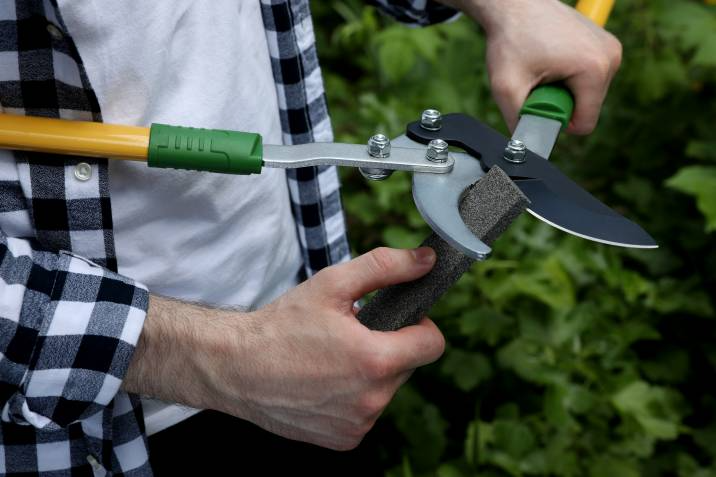
A sharpening stone is a common tool for sharpening. It is easy to use and effective. Wet the stone with water before starting.
Hold the shear blade at a slight angle. Rub it along the stone in one direction. Repeat until the blade is sharp.
Using A Sharpening Rod
A sharpening rod is another tool you can use. It is usually made of steel or ceramic. This tool helps reach the blade’s edge.
Hold the rod steady and move the blade over it. Use long strokes from base to tip. Check the sharpness as you work.
Using A Manual Sharpener
A manual sharpener is simple to use. It often has a slot for the blade. This tool is quick and handy for small jobs.
Place the blade in the slot and pull it through. Repeat this a few times. The blade should become sharper with each pull.
Credit: www.airtasker.com
Step-by-step Sharpening
Sharpening shears keeps them cutting cleanly and safely. This guide shows simple steps to sharpen your shears at home.
Follow these clear instructions to restore sharpness and extend the life of your shears.
Positioning The Blade
Hold the shear blade firmly on a flat surface. Make sure the cutting edge faces up and is easy to reach. This position helps you sharpen evenly.
Use a clamp or hold the blade steady with your hand. Avoid moving it during sharpening to keep control.
Maintaining The Angle
Keep the sharpening tool at the same angle as the blade’s edge. Usually, this angle is about 20 to 30 degrees. Consistency is key for a sharp edge.
Use a guide or marker if you need help holding the right angle while sharpening.
Even Strokes
Move the sharpening stone or tool along the blade in smooth, even strokes. Start at the base and go to the tip. Count strokes to keep them equal on both sides.
- Use light to medium pressure
- Sharpen the entire edge, not just one spot
- Switch sides regularly for balance
Checking Sharpness
Test sharpness by cutting a piece of paper or fabric. A sharp shear cuts smoothly without tearing. If it snags or feels dull, sharpen more.
Be careful when testing to avoid injury. Repeat sharpening if needed until the blade cuts cleanly.
Reassembling And Testing
After sharpening your shears, you need to put them back together carefully. This step ensures the blades work properly and stay aligned. Testing the cut helps check if sharpening was successful.
Follow the right order to reassemble the parts. Then, try cutting to see if the blades are sharp and smooth. Adjust if needed for the best results.
Putting Shears Back Together
Start by placing the blades in their original positions. Make sure the pivot screw or bolt is clean and free of debris. Tighten the screw just enough to hold the blades securely, but not too tight to block movement.
- Align the blades so they fit well without gaps
- Insert the pivot screw and tighten gently
- Check blade movement by opening and closing the shears
- Adjust tension if blades feel loose or too stiff
- Reattach any washers or springs removed earlier
Testing The Cut
Test the shears on different materials to check sharpness and alignment. Use soft paper, fabric, or thin branches to see how the blades perform. A clean, smooth cut shows good sharpening.
| Material | Expected Result | What to Do If Not |
| Paper | Clean cut without tearing | Resharpen blades or adjust tension |
| Fabric | Smooth cut with no snagging | Check blade alignment and sharpen edges |
| Thin branches | Easy cut without crushing | Tighten pivot screw or sharpen blade edge |

Credit: www.youtube.com
Maintenance Tips
Keeping your shears sharp is important for smooth cutting. Proper maintenance helps them last longer and work better.
Regular care prevents damage and keeps blades safe. Follow simple steps to maintain your shears well.
Regular Cleaning
Clean your shears after every use. Remove dirt, sap, and hair from the blades.
Use a soft cloth or brush to wipe the blades. You can also use mild soapy water if needed.
- Dry blades thoroughly to stop rust
- Apply a few drops of oil to keep blades smooth
- Check for any stuck debris between blades
Proper Storage
Store shears in a dry place to avoid rust. Keep them away from moisture and dust.
Use a protective case or cover for the blades. This prevents accidental damage and keeps them sharp.
- Keep shears in a drawer or toolbox
- Avoid dropping or banging shears
- Store with blades closed and locked if possible
When To Sharpen Again
Sharpen shears when cutting feels harder or blades snag. Dull blades can crush plants instead of cutting cleanly.
Check the blade edges for nicks or dull spots. Regular sharpening keeps your shears working well and safe to use.
- Sharpen after heavy use or every few months
- If blades slip or tear, sharpen immediately
- Use sharpening stones or professional services
Frequently Asked Questions
How Often Should You Sharpen Your Shears?
Sharpen shears every 6 to 12 months with regular use. Dull blades damage plants and reduce cutting efficiency. Frequent sharpening keeps blades sharp and extends shear lifespan.
What Tools Are Best For Sharpening Shears?
Use a sharpening stone, diamond file, or specialized shear sharpener. These tools provide precise control and restore blade edges effectively. Avoid coarse tools that may damage the blades.
Can You Sharpen Shears At Home Safely?
Yes, sharpening shears at home is safe with proper tools. Clean blades and follow step-by-step instructions carefully. Wear gloves to protect hands from sharp edges during sharpening.
How Do You Maintain Sharp Shears After Sharpening?
Clean blades after each use and lubricate pivot points. Store shears in a dry place to prevent rust. Regularly check blade alignment for optimal cutting performance.
Conclusion
Sharpening shears keeps them cutting clean and smooth. Dull blades can tear plants and make work hard. Regular sharpening saves time and effort in gardening. Use simple tools like a sharpening stone or file. Keep blades aligned and clean for best results.
Sharp shears help plants heal quickly after trimming. Try these easy steps to maintain your tools well. Your garden will thank you with healthier, neater plants.