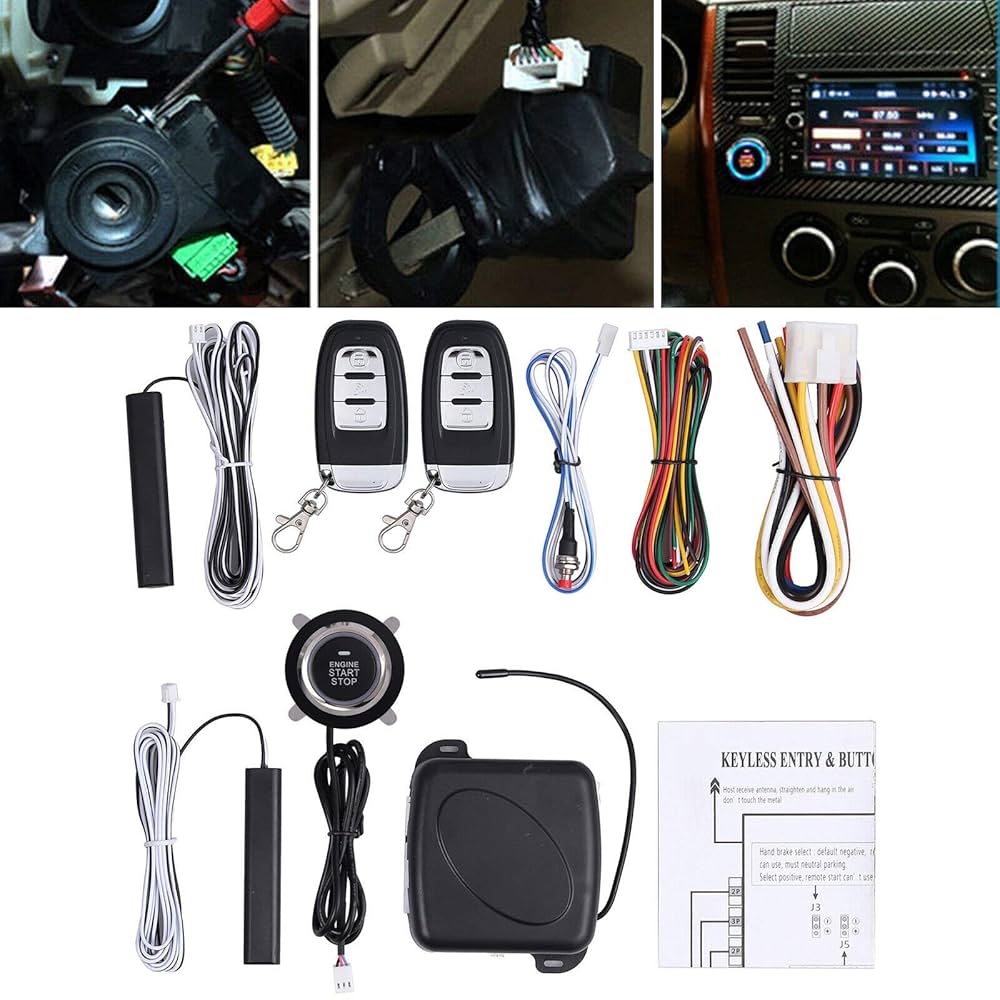
Your car alarm suddenly goes off, blaring loudly and causing a scene. It’s frustrating, embarrassing, and you want it to stop—fast.
But how do you stop a car alarm without making things worse? Whether it’s your own car or someone else’s, knowing the right steps can save you from stress and unwanted attention. You’ll discover simple and effective ways to silence that noise quickly and safely.
Keep reading, and you’ll never be caught off guard by a blaring alarm again.

Credit: www.ebay.ca
Common Causes Of Car Alarms
Car alarms can go off for many reasons. Knowing these causes helps you stop the alarm quickly.
Some problems are simple and easy to fix. Others may need more attention or repair.
Faulty Key Fob
A key fob that does not work right can trigger the alarm. It may send wrong signals to your car.
Sometimes the buttons get stuck or the fob’s battery is low. This can cause false alarms or stop you from turning it off.
- Replace the key fob battery
- Check for stuck buttons
- Use a spare key fob if available
Sensitive Sensors
Sensors detect movement or touch near your car. If they are too sensitive, they may set off the alarm easily.
Strong wind, loud noises, or even a small bump can trigger these sensors. Adjusting sensor sensitivity can help reduce false alarms.
- Check door and window sensors
- Adjust sensor sensitivity settings
- Keep the car in a quiet area if possible
Dead Battery Issues
A dead or weak car battery can cause the alarm to go off. It may also stop the alarm from turning off.
Low power can confuse the alarm system. Replacing or charging the battery often fixes the problem.
- Test the car battery regularly
- Replace old or weak batteries
- Check battery connections for corrosion
Immediate Steps To Silence The Alarm
Car alarms can be loud and annoying. Knowing how to stop the alarm quickly can help you avoid stress. There are simple actions you can take to silence the alarm fast.
Below are easy methods to stop a car alarm. These include locking and unlocking the car, using the key fob, and starting the car.
Lock And Unlock The Car
Locking and unlocking the car can reset the alarm system. This action often stops the alarm noise immediately.
- Use the car door lock to lock the car.
- Wait a few seconds.
- Unlock the car door.
- Check if the alarm has stopped.
Use The Key Fob
The key fob is the remote control for your car’s alarm. Pressing the correct button can silence the alarm quickly.
| Button | Function |
| Lock | Arms the alarm |
| Unlock | Disarms and stops the alarm |
| Alarm/Panic | Activates the alarm sound |
Start The Car
Starting the car can deactivate the alarm. The alarm system recognizes the key and stops the sound.
- Insert the key into the ignition.
- Turn the key to start the engine.
- Wait for the alarm to stop.
- If the alarm continues, try turning the key off and on again.
Checking Car Alarm Settings
Car alarms can be loud and annoying if they go off unexpectedly. Checking the settings helps you stop the alarm quickly. This guide shows how to adjust common settings.
Knowing how to change the alarm settings makes it easier to control the alarm and avoid false triggers.
Adjust Sensitivity Levels
Car alarms often have sensitivity settings. If the alarm is too sensitive, it may go off from small movements or sounds.
Lowering the sensitivity stops the alarm from sounding unnecessarily. You can usually find these settings on the alarm control panel or remote.
- Access the alarm settings menu
- Find the sensitivity option
- Reduce the sensitivity level
- Save the changes
Deactivate Panic Mode
Panic mode triggers the alarm and lights to attract attention. Sometimes it activates by mistake. Turning it off stops the alarm quickly.
You can usually deactivate panic mode using the key fob or the alarm control panel. Press the panic button again or hold the unlock button.
- Press the panic button on the remote
- Hold the unlock button to cancel
- Use the control panel to reset
Consult The Owner’s Manual
The owner’s manual contains important details about your car alarm system. It explains how to change settings and stop the alarm.
Look for the alarm section to find instructions for your specific model. The manual helps you understand all the controls and features.
- Locate the alarm section in the manual
- Follow step-by-step instructions
- Use the manual for troubleshooting
Troubleshooting Persistent Alarms
Car alarms that keep going off can be very annoying. They often signal a problem with the alarm system or the car’s security parts.
This guide helps you check common causes of persistent alarms. You can try simple fixes before calling a professional.
Inspect Door And Hood Latches
Check if the door and hood latches close fully. Sometimes dirt or damage stops them from locking properly. This can trigger the alarm repeatedly.
- Open each door and the hood
- Look for dirt, rust, or broken parts on the latches
- Clean the latches with a cloth and lubricant
- Close them firmly and listen for a solid click
- Test the alarm to see if it stops
Examine Wiring Connections
Loose or damaged wires can cause false alarms. Check the wiring near doors, hood, and alarm system for problems.
| Area | What to Check | Action |
| Door Wiring | Loose or frayed wires | Reconnect or replace wires |
| Hood Wiring | Damaged insulation or cuts | Repair or shield wires |
| Alarm Control Unit | Corrosion or loose plugs | Clean and secure connections |
Test Sensor Functionality
Sensors detect if a door or hood opens. Faulty sensors may cause the alarm to sound without reason.
Follow these tests to check sensors:
- Use a multimeter to check sensor voltage
- Tap gently on sensors to see if alarm triggers
- Replace sensors that show no response or erratic signals
When To Seek Professional Help
Car alarms can sometimes stop easily, but other times they need expert care. Knowing when to call a professional saves time and avoids damage.
Some alarm problems are too complex for simple fixes. A trained technician can diagnose and fix these issues safely.
Identifying Complex Issues
Complex alarm problems may include wiring faults, sensor errors, or control module failures. These issues often cause repeated false alarms.
- Alarm sounds randomly without reason
- Buttons on the remote fail to respond
- Repeated alarms after battery replacement
- Visible damage to the alarm wiring
Finding A Qualified Technician
Choose a technician with experience in car alarm systems. Check for certifications and good reviews before hiring.
| Qualification | Why It Matters |
| Certified Installer | Ensures proper setup and repair |
| Experience | Better problem diagnosis |
| Customer Reviews | Shows reliability and quality |
Considering Alarm System Replacement
Sometimes repair costs are high or the alarm is outdated. Replacement can be a better choice for long-term reliability.
- Frequent malfunctions despite repairs
- Old system with limited features
- High repair costs that exceed replacement price
- Difficulty finding parts for the current alarm

Credit: www.amazon.ca
Preventing Future Alarm Issues
Car alarms can be loud and annoying if they go off at the wrong time. Stopping a car alarm is important, but preventing future problems is better. You can keep your car alarm working well with simple steps.
Taking care of your alarm system helps avoid false alarms and keeps your car safe. Use these tips to stop alarm troubles before they start.
Regular Maintenance Tips
Check your car alarm often to make sure it works right. Clean the sensors and check the wiring for damage. Dirt or loose wires can cause false alarms.
Test the alarm system every few months. Replace old batteries and worn parts quickly. This keeps the alarm ready to protect your car.
- Clean sensors and alarm parts regularly
- Check wiring for loose or damaged connections
- Test the alarm monthly to ensure proper function
- Replace batteries and parts as needed
Upgrading Alarm Systems
Old alarm systems may not work well with new cars. Upgrade to a newer model for better security and fewer false alarms. New alarms have improved sensors and smarter controls.
Choose an alarm that fits your car and your needs. Some alarms connect to your phone for alerts. This helps you stop problems fast.
- Replace old alarms with modern models
- Look for alarms with advanced sensors
- Consider alarms with smartphone notifications
- Choose alarms that match your car’s make and model
Installing Backup Power Sources
Car alarms need power to work well. If the main battery dies, the alarm can fail. Installing a backup power source keeps the alarm active in emergencies.
Backup power can be a small battery or capacitor. It helps the alarm work even if the car battery is disconnected or low.
- Use a backup battery for alarm power
- Install a capacitor to keep power steady
- Backup power stops false alarms from low voltage
- Check backup power regularly for charge level

Credit: www.aliexpress.com
Frequently Asked Questions
How Can I Quickly Stop A Car Alarm From Ringing?
Press the car’s remote alarm button to deactivate the alarm immediately. If unavailable, unlock the car door with the key to stop the sound.
What Triggers A Car Alarm To Go Off Unexpectedly?
Car alarms can be triggered by vibrations, loud noises, or sensor malfunctions. Faulty wiring or low battery may also cause false alarms.
Can Disconnecting The Car Battery Stop The Alarm?
Yes, disconnecting the car battery cuts power to the alarm system. This method stops the alarm but should be a last resort.
How Do I Reset A Car Alarm System?
To reset, use the key fob to lock and unlock the car. Alternatively, consult your car manual for specific reset instructions.
Conclusion
Stopping a car alarm quickly can save you stress and noise. Try your car key or remote first. Check the manual for specific steps. Sometimes, turning the car off and on helps. Avoid pressing random buttons; stay calm and focused.
Knowing these simple tips keeps you prepared anytime. Keep your car alarm system working well with regular checks. Quiet moments are worth the effort to stop alarms fast.