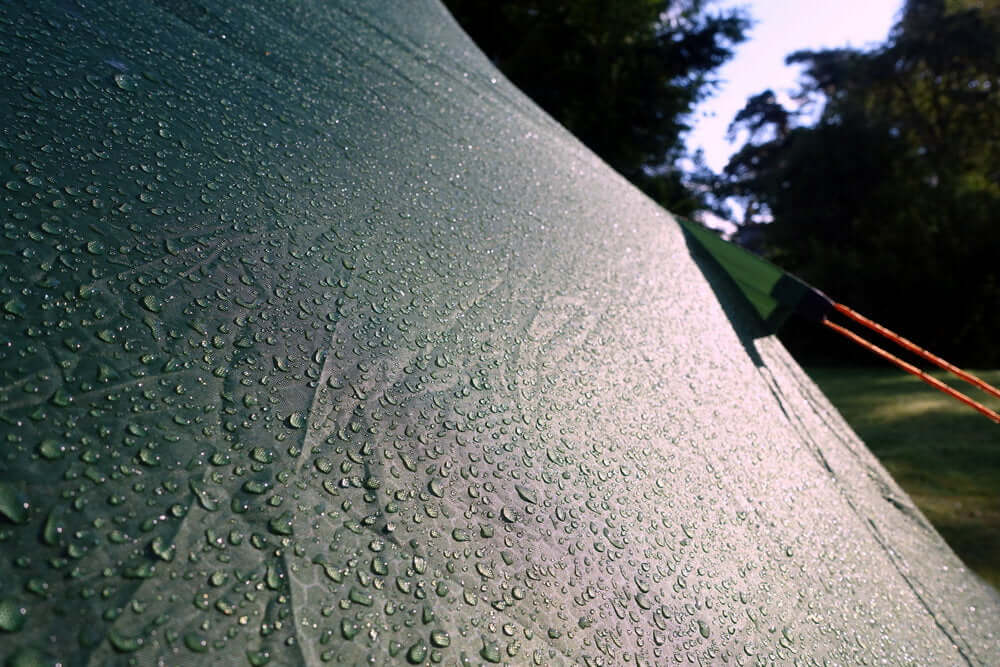
Have you ever woken up inside your tent only to find everything soaked with water? That annoying wetness comes from condensation, and it can turn your camping trip into an uncomfortable mess.
But here’s the good news: you don’t have to live with it. You’ll discover simple, effective ways to stop condensation in your tent. By the time you finish reading, you’ll know exactly how to keep your tent dry and cozy, no matter where you camp.
Ready to enjoy a drier, more comfortable outdoor experience? Let’s dive in.

Credit: www.ultramarxl.com
Causes Of Tent Condensation
Condensation inside a tent happens when moisture collects on the fabric. This moisture often comes from different sources inside and outside the tent. Understanding these causes helps to reduce dampness and keep the tent dry.
Many factors like moisture inside the tent, temperature changes, and poor airflow cause condensation. Each factor plays a role in how much water builds up inside your shelter.
Moisture Sources Inside The Tent
People inside the tent release moisture through breathing and sweating. Wet clothes, shoes, and gear also add moisture to the air. Cooking or boiling water inside the tent increases humidity too.
- Human breath and sweat
- Wet clothing and gear
- Cooking or boiling water inside
- Snow or rain brought in accidentally
Temperature Differences
When warm air inside the tent meets the cold tent walls, moisture turns into water droplets. This happens especially at night when outside temperatures drop. The difference in temperature causes condensation to form quickly.
| Condition | Effect on Condensation |
|---|---|
| Warm, humid air inside | Increases condensation on cold walls |
| Cold outside temperatures | Causes tent walls to cool and moisture to condense |
| Nighttime drop in temperature | Leads to more water droplets forming |
Poor Ventilation Effects
Without good airflow, moist air stays trapped inside the tent. This trapped moisture increases condensation. A lack of vents or blocked openings makes it hard for air to move and dry the tent interior.
- Trapped humid air builds up inside
- Vents blocked by gear or rainfly
- Little or no fresh air circulation
- Increased moisture on tent walls and ceiling

Credit: www.reddit.com
Choosing The Right Tent
Stopping condensation in a tent starts with choosing the right one. The right tent helps keep you dry and comfortable.
Consider the materials, ventilation, and design when selecting a tent. These features play a big role in reducing condensation.
Materials That Resist Condensation
Some materials are better at reducing condensation. Look for tents made from breathable fabrics.
These fabrics help moisture escape, keeping the inside dry. Nylon and polyester are common choices.
- Nylon: Lightweight and water-resistant
- Polyester: Durable and quick-drying
- Canvas: Natural and breathable
Ventilation Features To Look For
Ventilation is key to reducing condensation. Choose tents with good airflow features.
These features help air circulate, taking moisture away. Mesh panels and roof vents are helpful.
- Mesh panels: Allow air to move freely
- Roof vents: Release warm air and moisture
- Windows: Provide extra airflow
Tent Design And Shape
The design and shape of your tent can affect condensation levels. Dome-shaped tents are a popular choice.
They help water run off easily, reducing moisture buildup. Look for tents with a rainfly for extra protection.
- Dome shape: Allows water to run off
- Rainfly: Adds an extra layer against moisture
- A-frame: Offers good stability and airflow
Setting Up Your Tent To Minimize Moisture
Condensation in tents happens when warm air meets cold surfaces. It creates moisture inside your tent. Setting up your tent correctly helps reduce this problem.
Good setup keeps you dry and comfortable. Use these tips to stop condensation before it starts.
Picking An Ideal Campsite
Choose a campsite that drains water well. Avoid low spots where water collects after rain. Look for flat ground with good air flow.
Stay away from dense bushes or trees that trap moisture. Open areas with some breeze help dry out your tent.
- Pick high ground if possible
- Avoid areas near lakes or rivers
- Check for smooth, firm soil
- Choose spots with natural wind flow
Proper Tent Orientation
Face your tent door away from the wind. This stops cold air from blowing inside. It also helps keep rain out.
Position the tent so air can move freely around it. This reduces moisture build-up. Open vents and windows if your tent has them.
- Place door opposite to strong wind
- Use natural wind to dry tent walls
- Keep vents open for airflow
Using Footprints And Ground Sheets
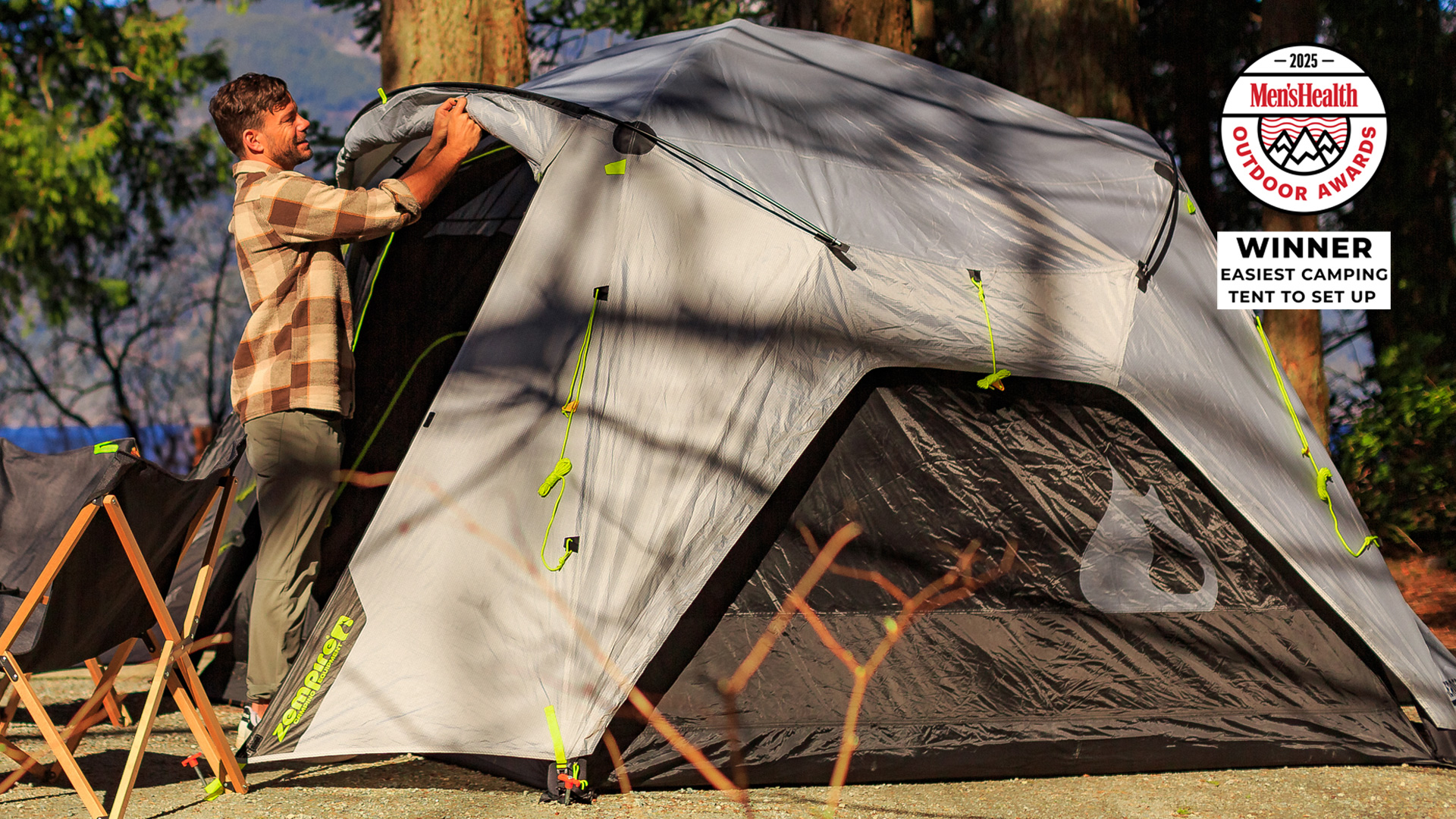
Lay a footprint or ground sheet under your tent. This adds a barrier between the ground and tent floor. It stops moisture from seeping in.
Make sure the ground sheet is smaller than the tent floor. This prevents water from collecting under the tent edges. Keep it dry and clean.
- Use waterproof footprints or ground sheets
- Keep them smaller than the tent base
- Remove dirt and water before setup
Credit: zempire.ca
Improving Tent Ventilation
Condensation happens when warm, moist air meets cold surfaces inside a tent. It makes the tent wet and uncomfortable. Good ventilation helps stop condensation by letting moist air escape.
Improving ventilation means letting fresh air flow through the tent. This reduces moisture and keeps the inside dry.
Opening Vents And Doors Strategically
Open vents and doors to allow air to move freely. Keep vents open even during cold nights to reduce moisture build-up.
Open doors on opposite sides to create a cross breeze. This helps air flow and removes damp air faster.
- Open vents at the top and bottom of the tent
- Keep at least two openings opposite each other
- Use door openings to increase airflow when safe
Using Mesh Panels
Mesh panels let air enter while keeping bugs out. They are great for fresh air without opening the tent fully.
Use tents with mesh panels on windows and doors to improve ventilation. This helps reduce moisture inside the tent.
- Choose tents with mesh on all sides
- Keep mesh panels open during warm weather
- Cover mesh with rain flaps in wet weather
Avoiding Sealed Environments
Do not keep the tent fully sealed. Sealed tents trap moist air inside, causing condensation.
Leave small openings even in bad weather. This helps air move and reduces dampness inside the tent.
- Never close all vents and doors tightly
- Use rain covers that allow some airflow
- Check for air leaks that can block ventilation
Managing Humidity Inside The Tent
Condensation in tents forms when moist air hits cooler surfaces. Managing humidity helps reduce this moisture buildup. Keeping the inside dry makes camping more comfortable.
Simple habits can lower humidity inside your tent. These include handling wet gear, controlling breathing moisture, and careful cooking or heating.
Drying Wet Gear Outside
Wet clothes and equipment release moisture into the tent air. Drying them outside keeps humidity lower inside. Use these tips to dry gear effectively:
- Hang wet clothes on a line or tree branch away from the tent.
- Use a tarp or rainfly to protect gear from rain while drying.
- Remove wet boots and place them outside or under a shelter.
- Keep wet items in a separate waterproof bag if drying outside is not possible.
Reducing Breathing Moisture
Breathing adds moisture to tent air. Limit this by improving ventilation. Open vents or doors slightly to let moist air escape. Avoid sealing the tent completely.
Sleeping with a light breathable layer reduces sweat. Use moisture-wicking sleeping bags and liners to help absorb breath moisture.
Cooking And Heating Tips
Cooking inside the tent adds steam and humidity. Follow these rules to reduce moisture from cooking and heating:
| Tip | Reason |
|---|---|
| Cook outside the tent | Steam stays outside, reducing indoor humidity |
| Use a stove with a proper vent or chimney | Removes moisture and fumes safely |
| Avoid boiling water inside the tent | Boiling creates high humidity levels |
| Do not use open flames for heating inside | Increases moisture and risk of fire |
Additional Tips To Keep Your Tent Dry
Condensation inside a tent can make your camping experience uncomfortable. Keeping your tent dry helps you stay warm and enjoy your trip.
Here are some extra tips to reduce moisture and keep your tent dry during your outdoor adventure.
Using Moisture Absorbers
Moisture absorbers can reduce dampness inside your tent. These products soak up water vapor from the air.
Place moisture absorbers in your tent corners or near sleeping areas to help keep the space dry.
- Use silica gel packs or charcoal bags
- Replace or recharge absorbers regularly
- Avoid placing absorbers directly on fabric to prevent damage
Regularly Wiping Down Surfaces
Wipe down tent walls and floors to remove moisture build-up. This stops condensation from turning into wet spots.
Use a dry cloth or towel each morning and evening to keep surfaces dry. This simple habit improves comfort inside your tent.
- Focus on areas near sleeping bags and gear
- Check for water droplets on the ceiling and walls
- Dry off wet spots before going to sleep
Packing And Storage Advice
Properly packing and storing your tent prevents mold and bad smells. Make sure your tent is dry before packing it away.
Store your tent in a cool, dry place to keep it fresh and ready for your next trip.
- Shake out dirt and debris before packing
- Air dry your tent fully after use
- Store in breathable bags, not plastic
- Check tent fabric for damage before storage
Frequently Asked Questions
How Can Ventilation Reduce Condensation In A Tent?
Proper ventilation allows moist air to escape your tent. Open windows and vents to improve airflow. This reduces moisture buildup and keeps the tent interior dry, preventing condensation from forming.
Does Tent Location Affect Condensation Levels?
Yes, pitching your tent in shaded, damp areas increases condensation risk. Choose a breezy, elevated spot to promote airflow. Avoid low-lying areas where cold air and moisture settle.
Can A Rainfly Cause More Condensation Inside?
A tightly sealed rainfly can trap moisture inside. Ensure some gaps for ventilation to allow damp air to escape. Proper rainfly setup balances weather protection and airflow to reduce condensation.
How Does Body Moisture Contribute To Tent Condensation?
Humans release water vapor through breathing and sweat. This moisture accumulates inside the tent, raising humidity levels. Using ventilation and breathable tent fabrics helps minimize condensation caused by body moisture.
Conclusion
Stopping condensation in your tent keeps you dry and comfortable. Ventilate your tent well to let moisture escape. Use a rainfly properly to reduce dampness inside. Avoid cooking or drying wet clothes inside the tent. Place your tent on dry, well-drained ground.
These simple steps help prevent water buildup. Enjoy your camping without worrying about damp gear. A dry tent makes your outdoor experience better. Stay warm, stay dry, and sleep peacefully under the stars.