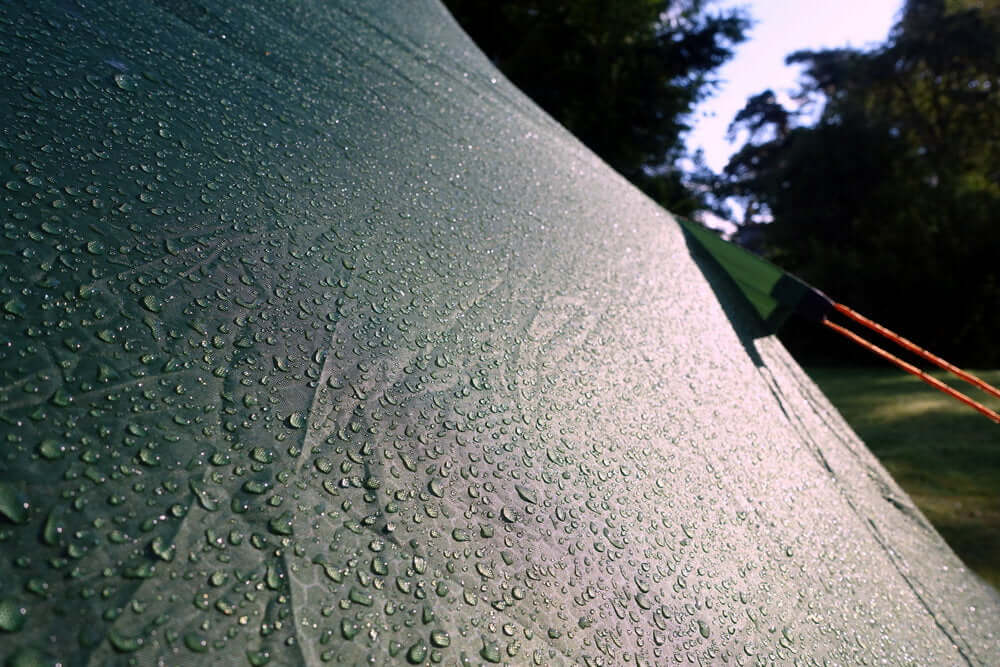
Have you ever woken up inside your tent only to find it covered in tiny drops of water? That annoying wetness is condensation, and it can turn your cozy campsite into an uncomfortable, soggy mess.
But what if you could stop that moisture from building up in the first place? Imagine waking up dry, comfortable, and ready to enjoy your day without worrying about damp gear or chilly air. You’ll discover simple, effective ways to stop condensation in your tent—so you can make the most of every outdoor adventure.
Keep reading to learn the easy steps that will keep your tent dry and your camping experience much better.

Credit: www.reddit.com
Causes Of Tent Condensation
Condensation in a tent happens when moisture builds up on the walls or ceiling. This can make the tent wet and uncomfortable.
Knowing what causes condensation helps you keep your tent dry and cozy during camping trips.
Moisture Sources Inside The Tent
Moisture comes from many things inside your tent. Breathing, sweating, and wet clothes add water vapor to the air.
Even cooking or storing wet gear inside the tent raises humidity and causes condensation.
- Breathing and sweat from campers
- Wet clothes and shoes
- Cooking or boiling water inside
- Storing damp gear or towels
Temperature Differences
When warm, moist air inside the tent touches cold tent walls, condensation forms. Cold air holds less moisture.
At night, outside temperatures drop. This cools the tent fabric and causes moisture in the air to turn into water droplets.
- Warm air inside meets cold tent walls
- Nighttime cold lowers tent surface temperature
- Moisture in warm air changes to water
Poor Ventilation Effects
Without good airflow, moist air stays trapped inside the tent. This causes humidity to rise quickly.
Ventilation helps remove wet air and bring in fresh air. Lack of vents or closed windows makes condensation worse.
- Trapped moist air raises humidity
- No vents or closed openings block airflow
- Good ventilation reduces condensation risk

Credit: www.ultramarxl.com
Selecting The Right Tent
Choosing the right tent helps reduce condensation inside. Condensation can make your gear wet and cold.
This guide covers materials and ventilation features to look for in a tent. These choices help keep your tent dry.
Materials That Reduce Condensation
Tent fabrics and coatings affect how much moisture stays inside. Breathable materials help water vapor escape.
- Choose tents made with breathable fabrics like nylon or polyester.
- Look for tents with waterproof but breathable coatings.
- Avoid tents with non-breathable plastic or vinyl walls.
- Double-wall tents with mesh inner layers allow better airflow.
Ventilation Features To Look For
Good ventilation reduces moisture buildup inside your tent. Vents and mesh panels are key features.
| Feature | Purpose |
| Mesh windows | Allow air in, keep bugs out |
| Adjustable vents | Control airflow based on weather |
| Rainfly with vent openings | Ventilate without letting rain in |
| Doors with mesh layers | Improve cross ventilation |
Effective Ventilation Techniques
Condensation in a tent makes the inside wet and uncomfortable. Good ventilation stops moisture build-up. This helps keep the tent dry and fresh.
Using the right ventilation methods improves airflow. This lowers humidity and reduces fog on tent walls.
Using Mesh Panels And Vents
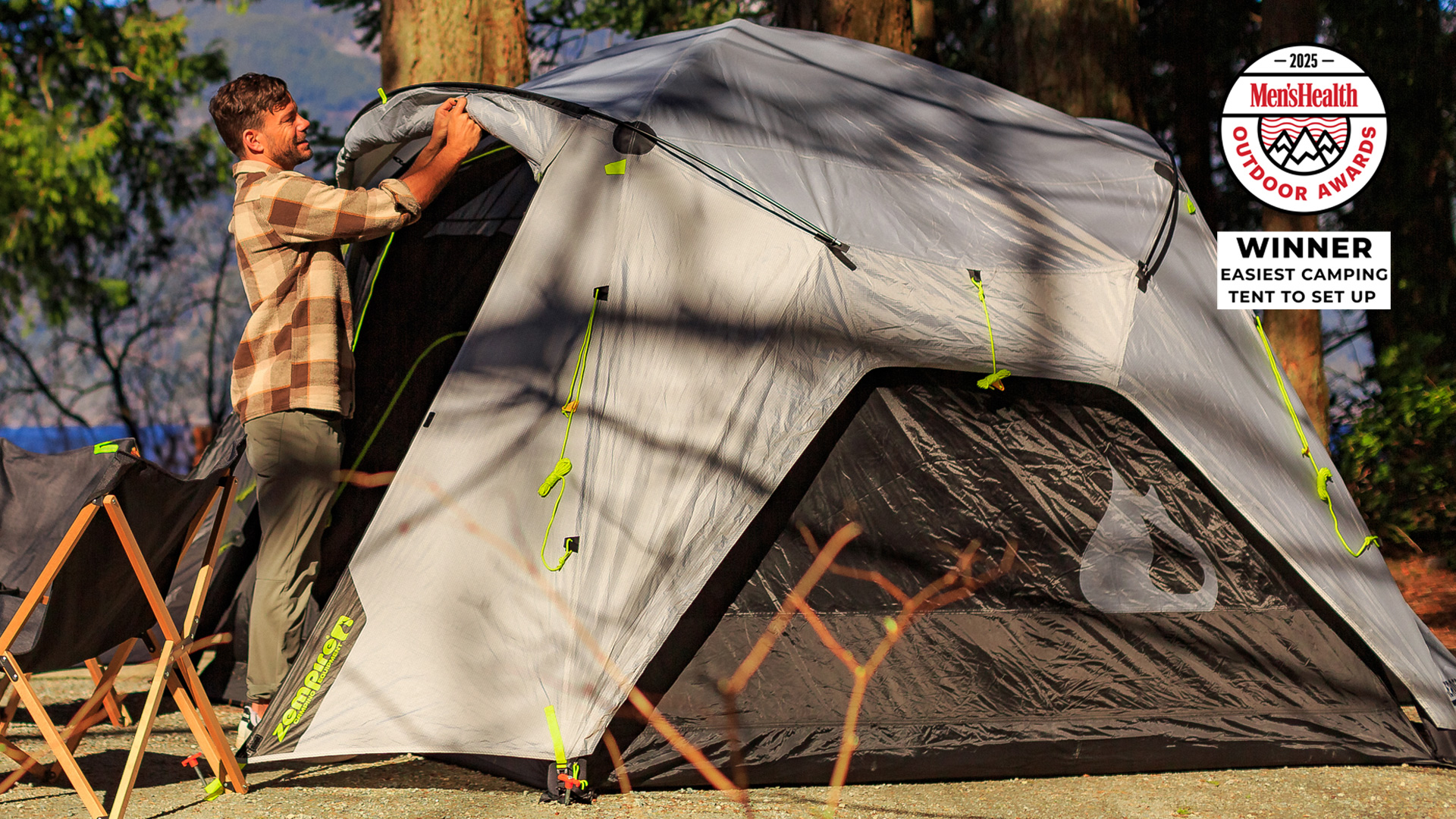
Mesh panels let air flow while keeping bugs out. Vents allow warm, moist air to escape the tent. Open mesh windows on the sides or roof to improve air movement.
- Keep mesh panels open during the night.
- Use vents near the top of the tent for warm air to exit.
- Close solid fabric doors if it is very cold outside.
- Check vents regularly to avoid blockage from rain or snow.
Positioning Tent Openings
Place tent openings to catch natural wind. This increases fresh air flow inside. Face doors or windows away from strong winds to reduce cold drafts.
| Tip | Description |
| Face openings | Point tent doors where wind is mild for steady airflow |
| Use cross-ventilation | Open opposite sides to let air pass through tent |
| Avoid low spots | Set tent on higher ground to reduce damp air entry |
| Adjust openings | Open and close vents to control air as weather changes |
Credit: zempire.ca
Managing Moisture Inside The Tent
Condensation happens when warm air meets cold surfaces inside a tent. This creates water droplets on the tent walls. Managing moisture helps keep your tent dry and comfortable.
You can reduce condensation by controlling wet gear and the moisture you breathe out. These steps help keep the air inside the tent less humid.
Drying Wet Gear Outside
Wet clothes and gear release moisture inside the tent. Keep them outside to stop extra humidity. Use a sheltered spot or hang items on a line if possible.
Keep gear off the tent floor. This stops moisture from soaking into the groundsheet. Use a tarp or drying rack if you have one.
- Hang wet clothes on a tree or rope
- Use a vestibule to store damp gear
- Keep boots outside or in a boot bag
- Shake off snow or rain before entering
Minimizing Breathing Moisture
Breathing adds moisture to the air inside the tent. Try to reduce this by keeping the tent ventilated. Open vents or doors slightly to let humid air escape.
Limit the number of people inside the tent. More people means more moisture from breath. Use a tent size that fits your group comfortably.
- Keep tent vents open when possible
- Use mesh panels for airflow
- Avoid cooking inside the tent
- Wear dry clothes to reduce sweat
Camp Setup Tips To Prevent Condensation
Condensation inside a tent can make camping uncomfortable. Moisture builds up when warm air meets cold surfaces. You can reduce this by setting up your camp carefully.
Choosing the right place to pitch your tent and using ground tarps or footprints helps keep your tent dry and free of dampness.
Choosing The Right Location
Pick a spot that helps reduce moisture inside your tent. Avoid low areas where cold air and water gather. Look for a place with good airflow to dry out moisture.
- Set up on higher ground to avoid water pooling
- Choose a site with natural wind flow to keep air moving
- Avoid pitching under trees that drip water
- Clear away wet leaves and grass before setting your tent
Using Ground Tarps And Footprints
Placing a tarp or footprint under your tent stops ground moisture from soaking through. It also protects the tent floor from damage. Make sure the tarp is smaller than the tent base to prevent water from collecting underneath.
| Type | Benefit | Tip |
| Ground Tarp | Blocks moisture from wet ground | Use a tarp slightly smaller than your tent |
| Footprint | Fits tent floor perfectly | Buy one made for your tent model |
Additional Expert Tricks
Condensation inside a tent can make your camping trip uncomfortable. It happens when warm air meets cold surfaces. Using extra tricks can help reduce this moisture.
These tips go beyond basic ventilation and tent setup. They focus on tools and products that improve air flow and stop dampness.
Using Ventilation Accessories
Ventilation accessories help air move inside the tent. They lower humidity and stop water from forming on walls.
Items like mesh panels, vent covers, and small fans work well. They keep fresh air flowing without letting bugs in.
- Mesh panels increase airflow while keeping insects out
- Vent covers direct air without letting rain enter
- Battery-powered fans move air to reduce dampness
- Window vents add extra openings for air exchange
Applying Anti-condensation Sprays
Anti-condensation sprays form a thin layer on tent walls. This layer stops water from building up as droplets.
These sprays are easy to apply and dry quickly. They help keep the tent fabric dry and prevent mold growth.
- Spray evenly on the inside of the tent walls
- Let the spray dry before setting up the tent fully
- Reapply the spray after several uses or heavy rain
- Use sprays made for outdoor fabrics only
Frequently Asked Questions
How Can I Reduce Tent Condensation?
To reduce tent condensation, ensure proper ventilation by opening vents and doors. Use a breathable rainfly and avoid cooking inside. Keep wet gear outside and choose a campsite with good airflow. Always set up your tent in a dry area, away from water sources to minimize moisture.
Why Does My Tent Get Wet Inside?
Tents get wet inside due to condensation from breath and humidity. Warm, moist air inside meets the cool tent surface, causing water droplets to form. Proper ventilation, airflow, and reducing moisture sources help minimize this issue. Regularly airing out your tent can also prevent excess moisture buildup.
What Materials Help Prevent Tent Condensation?
Breathable fabrics and materials help prevent tent condensation. These materials allow moisture to escape, reducing the chance of water buildup inside. A well-ventilated rainfly also aids in moisture control. Always opt for tents with mesh panels and vents for improved airflow and reduced condensation risk.
How Does Weather Affect Tent Condensation?
Weather significantly affects tent condensation levels. Cold nights increase condensation as warm air inside meets cool surfaces. Humidity can also elevate moisture levels inside the tent. Choosing a campsite that has good airflow and avoiding camping in low-lying areas can help mitigate weather-related condensation issues.
Conclusion
Condensation in a tent can make camping uncomfortable. Keep air flowing by opening vents and doors. Use a rainfly properly to reduce moisture inside. Avoid cooking or breathing directly inside the tent. Dry wet clothes outside before sleeping. These small steps help keep your tent dry.
Enjoy a cozy, condensation-free camping trip every time. Simple actions make a big difference in comfort and safety. Stay dry, stay happy.