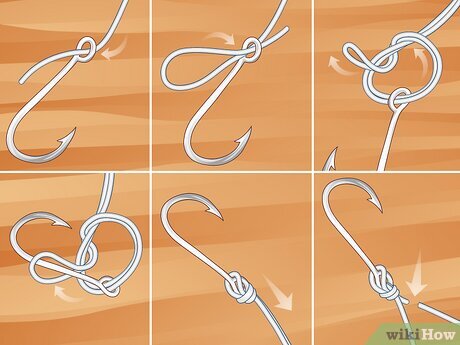
You’ve got your fishing gear ready, but do you know how to tie a fishing line to a hook the right way? This simple skill can make all the difference between landing a big catch or losing it at the last moment.
If your knot slips or comes undone, your whole effort could go to waste. But don’t worry—once you learn the best techniques, tying your line will become quick and easy. Keep reading, and you’ll discover step-by-step tips that will boost your confidence and improve your fishing success every time you cast.
Choosing The Right Hook And Line
Choosing the right hook and line is important for fishing success. The correct gear helps catch fish more easily and keeps the line strong.
Understanding different hooks and lines makes tying the fishing line to the hook easier and more effective.
Types Of Fishing Hooks
Fishing hooks come in many shapes and sizes. Each type works best for certain fish and fishing styles.
- J-Hooks:Classic shape, good for many fish types.
- Circle Hooks:Designed to hook fish in the mouth.
- Treble Hooks:Three hooks on one shank, used with lures.
- Siwash Hooks:Long shank hooks, good for bait fishing.
- Aberdeen Hooks:Thin wire, ideal for live bait.
Selecting The Appropriate Fishing Line
Fishing lines vary by material, strength, and stretch. Choose a line that fits your fishing method and target fish.
| Line Type | Strength | Stretch | Best Use |
|---|---|---|---|
| Monofilament | Medium | High | General fishing, beginners |
| Fluorocarbon | High | Low | Clear water, stealth fishing |
| Braid | Very High | Low | Heavy cover, strong fish |

Credit: www.ohero.com
Preparing The Line And Hook
Tying a fishing line to a hook starts with good preparation. This helps the knot hold tight and last longer.
Preparing the line and hook carefully makes fishing easier and more successful.
Cutting The Line To Length
Cut the fishing line to the right length before tying it to the hook. Too short makes it hard to tie.
Leave enough line to make several wraps around the hook’s eye for a strong knot.
- Use sharp scissors or a line cutter.
- Cut a length of about 12 to 18 inches.
- Check the line for any weak spots before cutting.
Moistening The Line
Moisten the line before tightening the knot. This reduces friction and prevents damage to the line.
Use water or saliva to wet the line. This helps the knot slide and tighten smoothly.
Simple Knots For Fishing
Knowing how to tie a fishing line to a hook is important. Simple knots are easy to learn and can improve your fishing success.
Here are some popular knots that will help you secure your hook. They are easy to tie and reliable for any fishing trip.
Improved Clinch Knot
The Improved Clinch Knot is a favorite among anglers. It is strong and perfect for attaching a line to a hook.
To tie this knot, thread the line through the hook eye. Twist the line around itself 5-7 times, then pass it through the first loop near the hook.
- Thread line through hook eye
- Twist 5-7 times
- Pass through first loop
- Tighten and trim excess line
Palomar Knot
The Palomar Knot is simple yet very strong. It is great for braided lines and ensures a secure hold on the hook.
Start by doubling the line and passing it through the hook eye. Tie an overhand knot with the doubled line, then pass the hook through the loop.
- Double the line
- Pass through hook eye
- Tie an overhand knot
- Pass hook through loop
- Pull tight
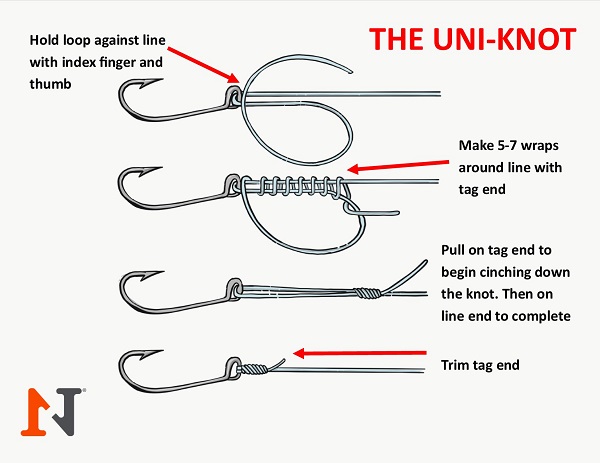
Uni Knot
The Uni Knot is versatile and works for many types of fishing. It is easy to tie and adjust, making it a popular choice.
To create this knot, run the line through the hook eye. Form a loop and wrap the line around the standing line 6 times, then pull tight.
- Run line through hook eye
- Form a loop
- Wrap 6 times around standing line
- Pull tight
Credit: n1outdoors.com
Step-by-step Knot Tying
Tying a fishing line to a hook is an essential skill for anglers. A strong knot keeps the hook in place and helps catch fish more easily.
This guide shows you how to tie a secure knot in simple steps. Follow carefully for the best results.
Threading The Line Through The Hook Eye
Start by passing the end of the fishing line through the eye of the hook. Pull enough line through to work with comfortably.
Making Loops And Wraps
Create a small loop by doubling back the line alongside the main line. Wrap the loose end around both lines several times to build strength.
- Hold the hook and line steady.
- Make 5 to 7 tight wraps around both lines.
- Keep the wraps close and neat.
- Pass the loose end through the loop near the hook eye.
Tightening And Securing The Knot
Pull both the main line and the loose end slowly to tighten the knot. Make sure the coils snug up evenly around the hook eye.
| Action | Tip |
|---|---|
| Pull main line | Use steady, firm pressure |
| Pull loose end | Hold gently to avoid slipping |
| Check knot | Look for tight coils and no gaps |
| Trim excess line | Leave about 1/4 inch for safety |
Tips For Knot Strength And Durability
Tying a fishing line to a hook must be strong and last long. A good knot keeps your catch safe and stops line breakage.
Use simple steps to make sure your knot holds well. These tips help improve knot strength and durability.
Checking Knot Tightness
After tying the knot, pull it tight slowly. The knot should not slip or loosen. A tight knot is less likely to fail.
Check if the knot is snug against the hook eye. If it moves, retie the knot for better hold.
Trimming Excess Line
Cut the extra line close to the knot. Leaving too much line can cause tangles and weaken the knot.
Use sharp scissors or clippers. Cut about 1-2 mm from the knot for best results.
- Too long excess line may catch on weeds
- Too short cut may cause knot slipping
- Keep a small tail for safety
Testing The Knot Before Fishing
Test the knot by pulling hard on the line. It should hold firm without stretching or breaking.
If the knot loosens or slips, tie it again. Testing helps avoid losing fish during your trip.
Common Mistakes To Avoid
Tying a fishing line to a hook seems simple. But many make small errors that cause problems.
These mistakes can cause the knot to slip or break. Avoid these common errors to fish better.
Using The Wrong Knot
Not all knots work well with every fishing line or hook. Using the wrong knot weakens your setup.
Some knots slip or break easily under pressure. Choose a knot that fits your line type and size.
- The Improved Clinch Knot works for most lines
- Palomar Knot is strong for braided lines
- Loop knots allow more hook movement
Failing To Moisten The Line
Dry knots create friction that weakens the line. Always moisten the line before tightening the knot.
Using water or saliva helps the knot tighten smoothly. This prevents the line from breaking too soon.
Not Securing The Knot Properly
Tying a loose knot can cause the hook to fall off. Make sure the knot is tight and neat.
After tying, pull the line slowly to test the knot. Trim any excess line close to the knot for safety.
- Pull the tag end to snug the knot
- Keep loops tight and neat
- Trim excess line to avoid snags

Credit: www.youtube.com
Frequently Asked Questions
How Do You Tie A Fishing Line To A Hook Securely?
To tie a fishing line securely, use the improved clinch knot. Pass the line through the hook eye, wrap it around five times, thread it back through the loop, then tighten. This knot is strong, reliable, and easy to tie for all anglers.
What Is The Easiest Knot To Tie A Fishing Hook?
The Palomar knot is the easiest for tying a fishing hook. It involves doubling the line, passing it through the hook eye, tying an overhand knot, and pulling the loop over the hook. It’s quick and maintains high strength for fishing.
Why Is Knot Strength Important When Tying Fishing Hooks?
Knot strength is crucial because it prevents line breakage and lost fish. A strong knot holds the hook securely during casting and fighting fish. Choosing the right knot ensures durability and improves your catch rate on every fishing trip.
Can You Tie A Fishing Line To Any Hook Type?
Yes, you can tie fishing lines to any hook type. Different knots work better with specific hook styles, but the improved clinch and Palomar knots are versatile. Adjust your knot technique slightly depending on the hook size and fishing conditions.
Conclusion
Tying a fishing line to a hook is simple with practice. Choose a strong knot and pull tight. This helps keep your hook secure while fishing. Use clean, smooth motions to avoid tangles. Try different knots to see what works best.
With patience, your fishing skills will improve. Enjoy your time by the water and catch fish with confidence. Keep practicing, and soon it will feel natural. Fishing becomes more fun when your gear works well. Now, you are ready to tie your line like a pro.