Are you struggling to tie your fishing line to your reel the right way? Getting this step wrong can cost you a great catch or even lose your line in the water.
But don’t worry—learning the proper technique is easier than you think. In this guide, you’ll discover simple, clear steps to secure your line quickly and confidently. Keep reading to master this essential skill and make every fishing trip more successful.
Credit: n1outdoors.com
Choosing The Right Fishing Line
Choosing the right fishing line is important for a good fishing experience. The line affects your casting, hook setting, and fish fighting.
There are different types of fishing lines made for various fishing styles and conditions. Picking the best one helps you catch more fish and avoid line breaks.
Types Of Fishing Line
Fishing lines come in three main types. Each has unique features and uses. Knowing their differences helps you select the best line for your reel.
- Monofilament:Easy to handle and good for beginners. It stretches and is affordable.
- Fluorocarbon:Nearly invisible underwater and sinks fast. It resists abrasion well.
- Braid:Very strong and thin. It has no stretch and casts far.
Line Strength And Test
Line strength is measured by its test weight in pounds. This shows how much weight the line can hold before breaking.
| Test Weight (lbs) | Use For |
| 2-6 | Small fish like panfish or trout |
| 8-12 | Medium fish like bass or walleye |
| 15-30 | Large fish like catfish or pike |
| 30+ | Big game fish like tuna or marlin |
Line Diameter And Casting
Thinner lines cast farther and are less visible to fish. Thicker lines are stronger but may reduce casting distance.
Here are some tips for choosing line diameter:
- Match line diameter to your reel’s spool capacity.
- Use thinner lines for clear water and shy fish.
- Pick thicker lines for rough water or heavy cover.
Essential Knot Types
Tying fishing line to a reel is an important skill for every angler. Using the right knot ensures your line stays secure and strong.
This guide explains three essential knots: Arbor Knot, Uni Knot, and Improved Clinch Knot.
Arbor Knot
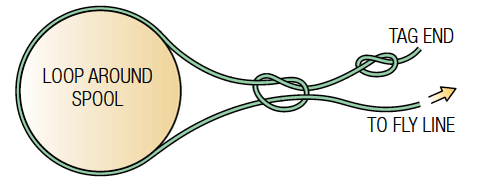
The Arbor Knot is used to tie the fishing line to the reel spool. It is simple and strong, making it ideal for this purpose.
- Wrap the line around the spool.
- Tie a simple overhand knot around the standing line.
- Make a second overhand knot at the tag end.
- Pull both knots tight against the spool.
Uni Knot
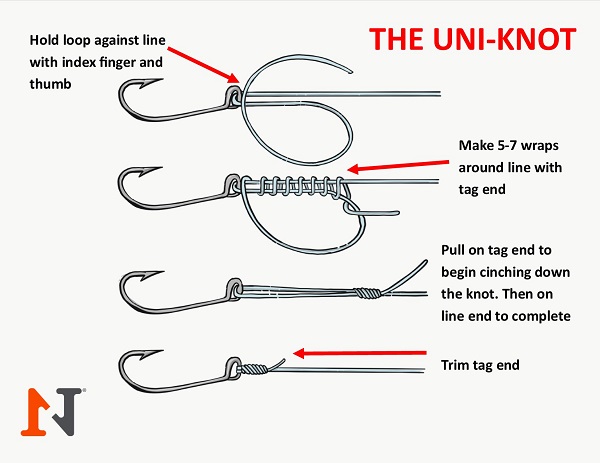
The Uni Knot is versatile and easy to tie. It works well for attaching line to the reel or connecting two lines.
- Pass the line through the reel eye.
- Double back and make a loop alongside the standing line.
- Make 5 to 7 wraps with the tag end around the loop and standing line.
- Pull the tag end to tighten the coils.
- Slide the knot down to the reel eye and pull the standing line.
Improved Clinch Knot
The Improved Clinch Knot is popular for securing the line to hooks, lures, and swivels. It is strong and reliable.
| Step | Action |
|---|---|
| 1 | Thread the line through the hook eye. |
| 2 | Wrap the tag end around the standing line 5 to 7 times. |
| 3 | Pass the tag end through the small loop near the eye. |
| 4 | Then pass it through the big loop just made. |
| 5 | Moisten the knot and pull the tag end and standing line tight. |
Preparing The Reel
Preparing the reel is an important step before tying fishing line. A clean and ready reel helps the line spool correctly. This prevents tangles and line damage.
Two key tasks to prepare the reel are cleaning the spool and checking the line capacity. Each task ensures smooth fishing and better line performance.
Cleaning The Spool
Remove old line and dirt from the spool. Use a soft cloth to wipe it clean. Check for any damage or rough spots on the spool surface.
- Remove all old fishing line
- Wipe spool with a dry cloth
- Use mild soap and water if very dirty
- Dry the spool completely before use
- Inspect for cracks or damage
Checking The Line Capacity
Know your reel’s line capacity before tying new line. It helps you avoid overfilling or underfilling. Check the spool or reel body for capacity details.
| Line Type | Capacity (yards) | Recommended Test Strength (lbs) |
|---|---|---|
| Monofilament | 150 | 8-12 |
| Fluorocarbon | 120 | 10-14 |
| Braid | 200 | 15-30 |

Credit: www.youtube.com
Tying The Arbor Knot
The arbor knot is a simple way to tie fishing line to a reel. It holds the line tight on the reel spool.
This knot is strong and easy to tie, making it popular with anglers of all levels.
Creating The First Loop
Start by wrapping the fishing line around the reel spool. Make a loop by crossing the tag end over the main line.
The first loop forms the base of the knot. Keep the loop loose enough to work with.
- Wrap the line around the reel spool.
- Cross the tag end over the main line to make a loop.
- Hold the loop gently without tightening yet.
Securing The Knot
Take the tag end and tie a simple overhand knot around the main line. Pull the knot tight against the spool.
Wet the line before tightening to reduce friction. Pull slowly until the knot is snug and secure.
- Make an overhand knot with the tag end around the main line.
- Wet the line to protect it.
- Pull the knot tight against the reel spool.
- Trim the excess tag end close to the knot.
Attaching The Line To The Reel
Attaching the fishing line to the reel is the first step in preparing your fishing gear. Doing it right helps you catch fish without problems.
This guide explains how to thread the line and tighten the knot securely to the reel.
Threading The Line
Start by passing the fishing line through the rod guides toward the reel. Make sure the line is free of twists.
Next, open the bail arm on the reel. This allows the line to wrap around the spool easily.
- Uncoil enough line to work with
- Pass line through all guides
- Open the reel’s bail arm
- Bring the line to the spool
Tightening The Knot
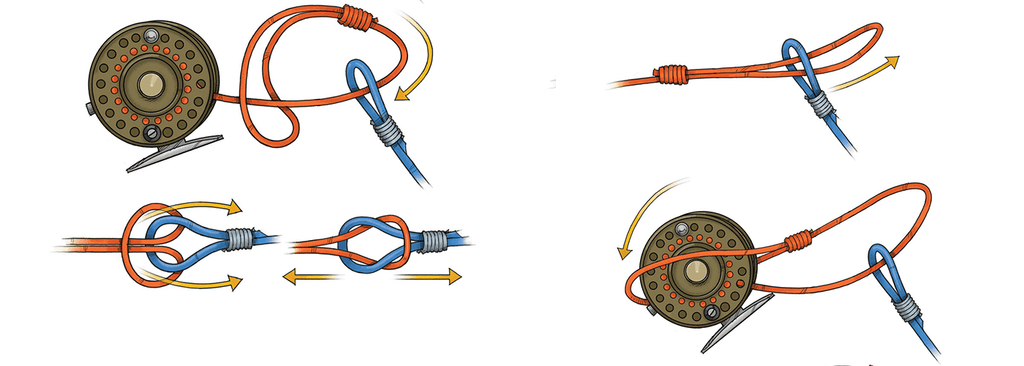
Tie the fishing line to the reel spool using a strong knot. The Arbor knot is simple and reliable.
After tying, pull the line tight slowly. This keeps the knot snug against the spool and stops slipping.
- Make a loop around the spool
- Tie a simple overhand knot
- Make a second overhand knot on the tag end
- Pull the line tight to secure
Testing The Knot
Tying the fishing line to the reel is only the first step. Testing the knot ensures it holds strong under pressure. A well-tested knot prevents line slips and lost fish.
Knowing how to check the knot strength and the reel’s smooth function helps you fish with confidence. Below are key tips for testing your knot and reel setup.
Checking The Knot Strength
After tying the knot, pull the line tight to check its strength. The knot should not slip or loosen. Testing the knot keeps your fishing line secure during a catch.
- Hold the line firmly near the knot.
- Pull the line with steady force.
- Look for any slipping or loosening.
- If the knot slips, retie it using a stronger knot.
- Repeat the test until the knot holds firm.
Ensuring Smooth Reel Function
A smooth reel lets the line flow easily during casting and retrieving. Test the reel by turning the handle and watching the line movement. Check for snags or rough spots.
| What to Check | Signs of Trouble | Fix |
|---|---|---|
| Handle Rotation | Stiff or jerky movement | Lubricate reel or service bearings |
| Line Flow | Line sticks or tangles | Adjust drag or spool tension |
| Noise | Grinding or rattling sounds | Clean and oil reel parts |
Common Mistakes To Avoid
Tying fishing line to a reel may seem simple but many make errors. These mistakes reduce fishing success and cause line damage.
This guide covers two common problems to help you avoid trouble while setting up your reel.
Overlapping Lines
Overlapping lines happen when the line does not spool evenly on the reel. This causes tangles and weak spots.
- Do not let the line twist as you spool it.
- Keep tension steady and even while winding.
- Make sure the line lays flat side by side.
- Avoid adding too much line at once to prevent piling.
- Check the spool direction matches the reel’s turn.
Improper Knot Tension
Tying knots too loose or too tight weakens the line connection. The knot may slip or break under pressure.
| Knot Issue | Effect | How to Fix |
| Too Loose | Line slips and knot unties easily | Pull the knot tight and test with a firm tug |
| Too Tight | Line weakens and may snap at knot | Tighten knot firmly but avoid crushing the line |
| Uneven Tightening | Knot becomes unbalanced and weak | Pull each knot part evenly and slowly |
Tips For Maintaining Your Fishing Line
Keeping your fishing line in good shape helps you catch fish better. It also makes your gear last longer.
Simple care steps prevent line damage and improve your fishing experience.
Regular Line Inspection
Check your fishing line often for cracks, nicks, or weak spots. These can cause breaks while fishing.
- Run your fingers gently along the line to feel for damage.
- Look for discoloration or rough areas under good light.
- Cut off any damaged sections before you fish again.
- Replace the line if it looks worn out or old.
Proper Storage Techniques
Storing your fishing line correctly keeps it strong and ready to use. Avoid heat and direct sunlight.
| Storage Tip | Why It Matters |
|---|---|
| Keep line in a cool, dry place | Prevents weakening from heat and moisture |
| Store line on the reel or spool | Keeps line from tangling and twisting |
| Avoid tight bends or kinks | Maintains line strength and smooth casting |
| Use a sealed container for spares | Protects line from dust and dirt |
Credit: www.epicflyrods.com
Frequently Asked Questions
How Do I Start Tying Fishing Line To A Reel?
Begin by threading the line through the reel’s spool hole. Wrap the line around the spool twice. Tie a secure knot such as the Arbor knot to fasten the line tightly. Trim excess line and ensure it’s firmly attached before winding.
What Is The Best Knot For Attaching Line To Reel?
The Arbor knot is the best choice. It’s simple, strong, and holds the line securely on the spool. This knot prevents slipping and ensures smooth casting. It’s ideal for all fishing line types and reels.
How Much Fishing Line Should I Attach To The Reel?
Attach enough line to fill about 1/8 inch below the spool edge. This prevents overfilling, which can cause tangles. Proper line amount ensures smooth casting and reduces line damage during retrieval.
Can I Tie Fishing Line To Any Reel Type?
Yes, you can tie fishing line to spinning, baitcasting, or spincast reels. The process is similar, but knot placement and line threading may vary slightly. Always follow your reel’s instructions for best results.
Conclusion
Tying fishing line to a reel is simple with practice. Use the right knot and wrap the line tightly. Check for twists or loose ends before you start fishing. A secure line helps catch more fish and avoids frustration. Keep your gear ready and enjoy your time on the water.
Small steps make a big difference in fishing success. Try this method next time you prepare your reel. You will feel more confident and ready to fish.