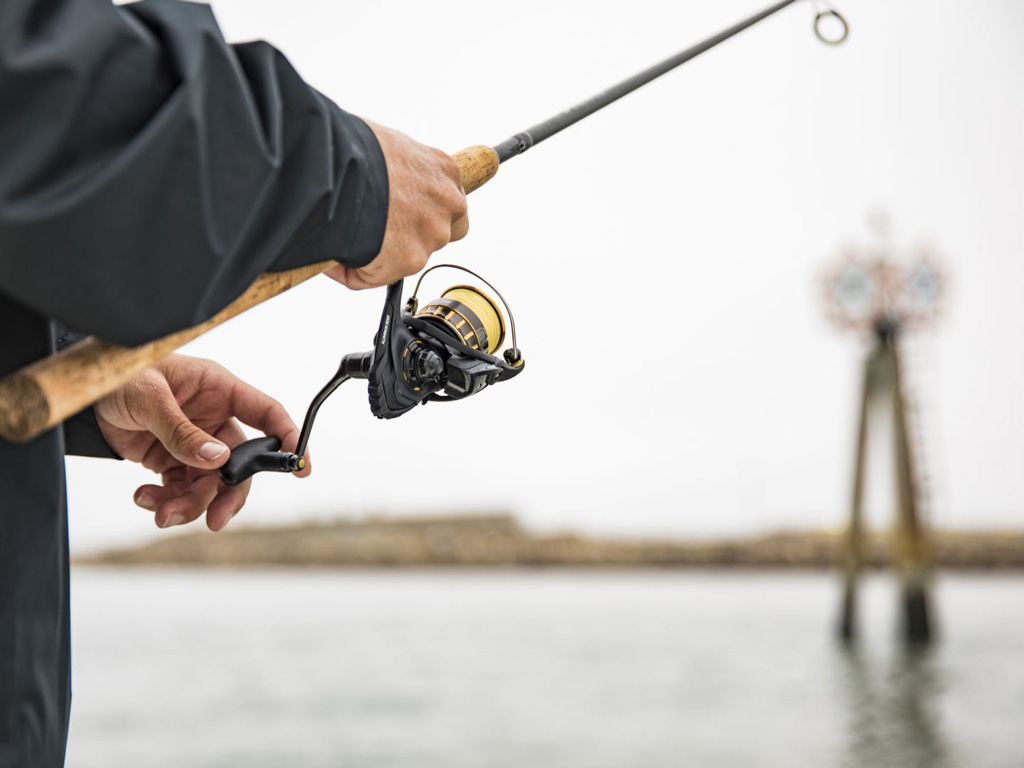
Have you ever wondered how to use a fishing rod but felt unsure where to start? You’re not alone.
Whether you’re planning a relaxing day by the water or aiming to catch your first big fish, knowing the basics can make all the difference. In this guide, you’ll discover simple, clear steps to handle your fishing rod with confidence.
By the end, you’ll be ready to cast your line and enjoy the thrill of fishing like a pro. Keep reading—you’re closer than you think to mastering the art of fishing!

Credit: fishingbooker.com
Choosing The Right Fishing Rod
Choosing the right fishing rod helps you catch fish easier. It also makes fishing more fun and less tiring.
This guide explains how to pick a fishing rod by looking at rod types, fish species, and rod size.
Types Of Fishing Rods
Fishing rods come in many types. Each type suits different fishing styles and environments. Knowing the types helps you pick the best one for your needs.
- Spinning Rods: Good for beginners and light lures.
- Baitcasting Rods: Offer control for experienced anglers.
- Fly Rods: Used for fly fishing with special flies.
- Trolling Rods: Made for fishing behind a moving boat.
- Surf Rods: Long rods for casting far from shore.
Matching Rod To Fish Species
Different fish need different rods. Small fish need light rods. Big fish need strong rods. Match your rod to the fish you want to catch.
| Fish Species | Recommended Rod Type | Rod Power |
|---|---|---|
| Trout | Spinning or Fly Rod | Light to Medium |
| Bass | Baitcasting or Spinning Rod | Medium |
| Catfish | Spinning or Baitcasting Rod | Medium to Heavy |
| Salmon | Spinning or Fly Rod | Medium to Heavy |
| Marlin | Trolling Rod | Heavy |
Considerations For Rod Length And Power
Rod length changes how far you can cast and how much control you have. Power tells how strong the rod is. Choose length and power based on your fishing style.
- Rod Length:Short rods (5-7 feet) give control. Long rods (8-12 feet) help with long casts.
- Rod Power:Light power is for small fish. Medium power fits most fish. Heavy power is for big fish.
- Action:Fast action rods bend near the tip. Slow action rods bend along the whole rod.

Credit: fishgenix.com
Selecting The Proper Reel And Line
Choosing the right reel and line is important for successful fishing. Different types suit different fishing styles.
Understanding how to set up these tools will help you catch more fish.
Spinning Vs Baitcasting Reels
Spinning reels are great for beginners. They are easy to use and handle light lines well.
Baitcasting reels are for more experienced anglers. They offer better control for heavy lines and lures.
- Spinning reels: Easy to learn, good for light lines.
- Baitcasting reels: More control, ideal for heavy lines.
Line Types And Strengths
Lines come in different types like monofilament, fluorocarbon, and braided. Each has its own strengths.
| Line Type | Strength |
| Monofilament | Stretchy and versatile |
| Fluorocarbon | Invisible underwater |
| Braided | Strong and durable |
Setting Up The Reel On The Rod
Attaching the reel to the rod is simple. First, align the reel foot with the rod seat. Tighten the locking mechanism to secure it.
Assembling The Fishing Rod
Assembling a fishing rod correctly is important for a good fishing experience. It helps the rod work well and last longer.
This guide shows simple steps to put your fishing rod together. Follow each part carefully.
Attaching The Reel
Start by attaching the reel to the rod’s reel seat. Make sure it fits tightly to avoid wobbling during use.
Turn the locking rings or screws to secure the reel in place. Check if the reel handle is on your dominant side.
Threading The Line Through Guides
Take the fishing line from the reel spool and pull it through each guide on the rod. Start at the bottom near the reel.
- Push the line through the first guide closest to the reel.
- Continue threading the line through each guide until you reach the tip.
- Make sure the line runs smoothly and is not twisted.
Tying The Right Knots
Tying strong knots keeps your bait or lure secure on the line. Use knots that are easy to learn and hold well.
| Knot | Use |
| Improved Clinch Knot | Securing the hook to the line |
| Palomar Knot | Attaching lures or swivels |
| Uni Knot | Joining two lines or tying to tackle |
Mastering Casting Techniques
Using a fishing rod well means learning how to cast your line properly. Casting helps you place your bait where fish are likely to bite.
Different casting styles work better in different situations. Practice these three common casts to improve your fishing skills.
Basic Overhead Cast
The overhead cast is the most common fishing cast. It sends the line straight ahead and far out into the water.
Hold the rod with your dominant hand and pull the line back over your shoulder. Then swing the rod forward smoothly and release the line.
- Keep your wrist firm during the cast
- Release the line when the rod points at your target
- Practice to control distance and accuracy
Sidearm Cast
The sidearm cast is useful when you need to avoid obstacles above you. It sends the line low and fast across the water.
Hold the rod at your side and swing it horizontally. Release the line when the rod is pointing toward your target.
- Use a smooth, controlled swing
- Keep your elbow close to your body
- Good for casting under trees or low branches
Roll Cast For Tight Spaces
The roll cast works well in small areas with little room to swing the rod back. It uses the water’s resistance to help cast the line.
Start with the line on the water. Lift the rod slowly, then flick it forward to roll the line out over the water. Release the line as the rod moves forward.
- Keep the line tight during the cast
- Use a smooth, forward motion
- Ideal for fishing near banks or bushes
Tips For Accurate Casting
Casting a fishing rod well takes practice and focus. Accuracy helps you place the bait where fish are likely to be. This guide shares tips to improve your casting skills.
Learn how to choose the best spot, control your casting distance, and adjust for weather to catch more fish.
Choosing The Right Casting Spot
Look for places where fish gather. These include near rocks, underwater plants, or shaded areas. Avoid open water with no cover. Casting near these spots increases your chances of catching fish.
- Cast close to structures like logs or rocks
- Look for water currents that bring food
- Aim for shaded or deeper water areas
- Avoid casting where the water is very clear and empty
Controlling Casting Distance
Control how far you cast by adjusting your rod and line. Too far can scare fish, too short may not reach them. Practice helps find the right distance for each spot.
| Rod Position | Effect on Distance |
| Low angle | Shorter cast |
| High angle | Longer cast |
| Fast rod movement | Greater distance |
| Slow rod movement | Shorter distance |
Adjusting For Wind And Weather
Wind and weather affect your cast. Strong wind can push your line off target. Rain or cold may change fish behavior. Adjust your angle and strength to keep accuracy.
Tips for wind adjustment:
- Cast against the wind for better control
- Use heavier lures in strong wind
- Shorten your cast if wind is very strong
- Wait for calm weather if possible
Handling And Retrieving The Line
Using a fishing rod well means knowing how to handle the rod and retrieve the line correctly. This helps you catch fish more often and enjoy fishing safely.
Good line handling keeps your gear in shape and stops the line from tangling. It also helps you notice when a fish bites and respond fast.
Detecting Bites And Setting The Hook
Watch the fishing line or rod tip closely for any movement. Small twitches or pulls can mean a fish is biting.
When you feel a bite, quickly but gently lift the rod to set the hook in the fish’s mouth. This helps hold the fish on the line.
- Keep your line tight but not too tight
- Look for sudden jerks or pulls on the line
- Lift the rod smoothly to set the hook
- A firm but gentle lift works best
Proper Line Retrieval Methods
Reel in the line steadily and smoothly. Avoid jerky or fast pulls that can scare the fish or break the line.
Keep the rod tip up while retrieving. This keeps tension on the line and helps control the fish.
- Turn the reel handle at a steady pace
- Pause if the fish pulls hard to avoid line break
- Use the rod to guide the fish toward you
- Keep your line tight but avoid snapping
Landing The Fish Safely
Bring the fish close to shore or boat before trying to lift it out. Use a net if you have one.
Lift the fish gently by the body to avoid hurting it or yourself. Keep the line steady until the fish is secure.
- Use a net to catch the fish if possible
- Hold the fish firmly but gently
- Keep the rod and line steady during landing
- Handle the fish with wet hands to protect its skin
Maintaining Your Fishing Gear
Taking care of your fishing rod and reel helps them last longer. Proper maintenance keeps your gear working well each time you fish.
Simple steps like cleaning, inspecting, and storing your gear right can prevent damage and save money.
Cleaning And Storage Tips
After fishing, rinse your rod and reel with fresh water. This removes dirt, salt, and grime that can cause damage.
Dry your gear completely before storing it. Keep rods and reels in a cool, dry place away from sunlight.
- Use a soft cloth to wipe down the rod and reel
- Remove the reel and clean it separately
- Store rods horizontally or in a rod rack
- Avoid leaning rods against walls to prevent warping
Regular Inspection And Repairs
Check your fishing gear often for signs of wear or damage. Look at the guides, reel seat, and line for cracks or rust.
Fix small problems early to avoid bigger issues. Replace damaged parts or tighten loose screws as needed.
- Inspect guides for cracks or bent rings
- Check reel handle and drag system for smooth operation
- Replace worn-out fishing line regularly
- Tighten screws and fittings on the rod and reel
Extending The Life Of Your Rod And Reel
Use your gear gently and avoid rough handling. Proper use helps prevent damage and wear over time.
Keep your fishing gear clean and dry after every trip. Regular care protects it from rust and corrosion.
- Use rod covers during transport
- Avoid dropping or banging your gear
- Lubricate reel parts with recommended oils
- Store gear away from extreme heat or cold

Credit: fishgenix.com
Frequently Asked Questions
How Do You Properly Hold A Fishing Rod?
Hold the rod firmly but relaxed with your dominant hand. Place your other hand near the reel. Keep your grip comfortable for better control and less fatigue during fishing.
What Is The Best Way To Cast A Fishing Rod?
Start with the rod tip low, then smoothly swing it backward and forward. Release the line at the right moment to send the bait far into the water.
How Do You Choose The Right Fishing Rod?
Select a rod based on the fish type and fishing location. Consider rod length, power, and action to match your fishing style and target species.
When Should You Reel In The Fishing Line?
Start reeling when you feel a bite or catch. Keep the line tight and reel steadily to avoid losing the fish.
Conclusion
Using a fishing rod takes practice and patience. Start with simple casts and learn each step. Choose the right bait and watch your line carefully. Enjoy the quiet time by the water. Fishing can be relaxing and fun for all ages.
Keep trying, and you will improve with time. Remember, every catch brings a new lesson. Fishing is about enjoying nature and the moment. So grab your rod, head outside, and give it a try.