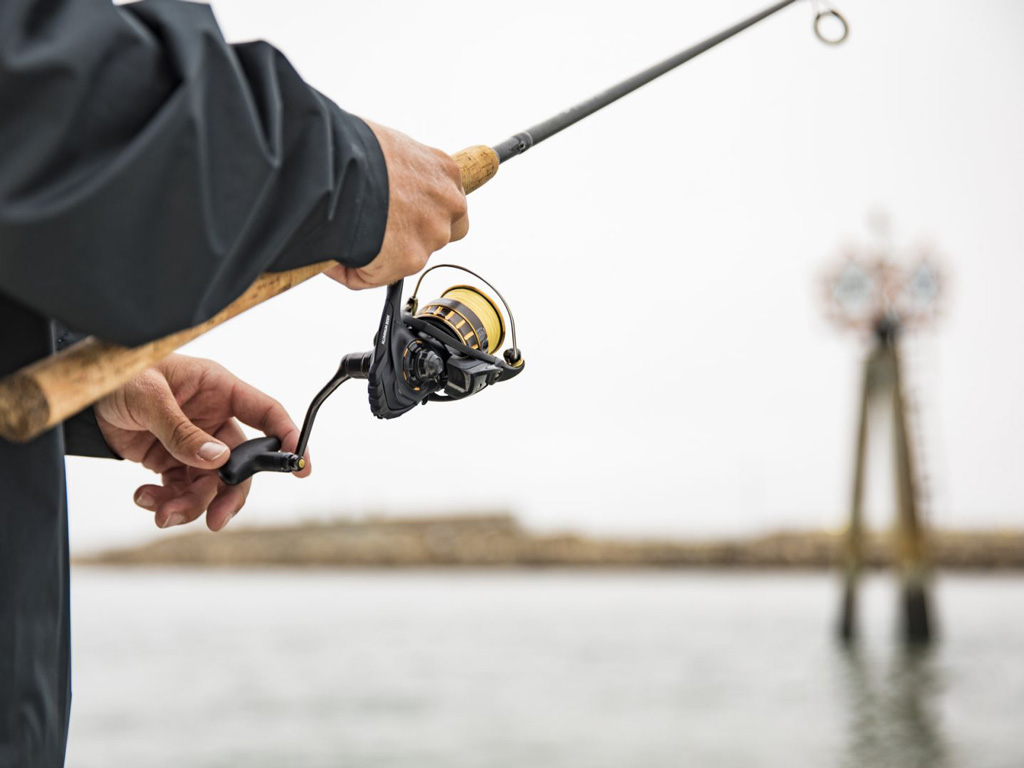
Are you ready to catch your first big fish but unsure how to use a fishing rod? You’re not alone.
Learning the basics of handling a fishing rod can feel tricky at first, but once you get the hang of it, fishing becomes an exciting and relaxing experience. In this guide, you’ll discover simple steps to cast, reel, and control your rod like a pro.
Keep reading, and soon you’ll be ready to enjoy every moment by the water with confidence.

Credit: fishgenix.com
Choosing The Right Fishing Rod
Using the right fishing rod makes fishing easier and more fun. It helps you catch the fish you want.
There are many rods to choose from. Pick one that fits your fishing style and the fish you want.
Types Of Fishing Rods
Fishing rods come in different types. Each type suits a certain fishing method or water condition.
- Spinning rods are good for beginners and light fishing.
- Baitcasting rods offer more control for experienced anglers.
- Fly rods are used for fly fishing in rivers and streams.
- Trolling rods work well for fishing from a moving boat.
Selecting Based On Fish Species
Choose a rod that matches the size and strength of the fish you want to catch. Bigger fish need stronger rods.
- Light rods work for small fish like trout or panfish.
- Medium rods suit bass or walleye.
- Heavy rods are best for large fish like catfish or pike.
Material And Build Quality
Fishing rods are made from different materials. The material affects strength and weight.
- Fiberglass rods are tough and flexible but heavier.
- Graphite rods are light and sensitive but can be more fragile.
- Composite rods mix fiberglass and graphite for balance.
Check the rod’s guides and handle. Good quality parts last longer and feel better to use.
Essential Fishing Gear
Using a fishing rod needs the right gear. Good equipment makes fishing easier and fun.
This guide explains key parts of fishing gear. Learn about reels, lines, hooks, baits, and lures.
Fishing Reels Explained
A fishing reel holds and releases the line. It helps you cast and catch fish smoothly.
There are different types of reels: spinning, baitcasting, and spincast. Each works best for certain fishing styles.
- Spinning reels are easy for beginners and work well for light lines.
- Baitcasting reels offer more control for stronger fish.
- Spincast reels are simple and good for kids or casual fishing.
Fishing Line Options
The fishing line connects your rod to the hook. Choose a line that suits the fish size and water type.
Lines come in three main types: monofilament, fluorocarbon, and braided. Each has strengths and uses.
- Monofilament line is stretchy and good for beginners.
- Fluorocarbon line is nearly invisible underwater and sinks fast.
- Braided line is very strong and has low stretch.
Hooks, Baits, And Lures
Hooks catch the fish. Choose the right size and shape for your target fish.
Baits and lures attract fish. Baits are natural, like worms. Lures are fake and mimic prey.
- Common hook types: J-hooks, circle hooks, treble hooks.
- Natural baits include worms, minnows, and insects.
- Lures come as spinners, jigs, plugs, and soft plastics.
Setting Up Your Fishing Rod
Setting up your fishing rod correctly makes fishing easier and more fun. It helps you cast the line well and catch fish better.
Follow simple steps to prepare your rod before you start fishing. This guide covers attaching the reel, threading the line, and tying knots.
Attaching The Reel
First, attach the reel to the rod. Place the reel foot into the reel seat on the rod handle. Tighten the reel seat ring to hold the reel firmly. Make sure it does not move or wobble.
Threading The Line
Next, thread the fishing line through the guides on the rod. Start from the tip and work your way to the reel. Pull the line through each guide carefully to avoid tangles.
- Open the reel’s bail arm.
- Pass the line through each guide from the rod tip to the reel.
- Attach the line to the reel spool.
- Close the bail arm and wind the line onto the spool.
Tying Knots
Tying strong knots is important to keep the hook or lure attached. Use simple knots that hold well under pressure.
| Knot | Use | Key Tip |
|---|---|---|
| Improved Clinch Knot | Attaching hook to line | Wrap line 5-7 times |
| Palomar Knot | Strong hook attachment | Keep loop loose before tightening |
| Loop Knot | For lures needing free movement | Leave a loop for action |
Casting Techniques For Beginners
Using a fishing rod starts with learning how to cast the line. Good casting helps you catch more fish. It takes practice to get comfortable with the movements.
This guide explains simple casting techniques you can use as a beginner. Try each one to see what works best for you.
Basic Casting Method
Hold the rod with your dominant hand and the reel with your other hand. Pull the line back with your index finger. Then swing the rod forward smoothly and release the line.
Keep your eyes on the spot where you want the lure to land. Practice this movement slowly at first. Speed will come as you get more comfortable.
- Grip the rod firmly but not too tight
- Use your wrist and forearm for the swing
- Release the line at the right moment
- Follow through with the rod after casting
Overhead Cast
The overhead cast is the most common style. Lift the rod above your head and pull the line back. Swing the rod forward in a smooth arc and let the line fly out.
This cast is good for long distances and open spaces. It needs room behind you to avoid hitting anything. Keep your arm straight and use your wrist to guide the rod.
- Stand with feet shoulder-width apart
- Lift the rod slowly above your head
- Swing the rod forward in one motion
- Release the line just before the rod points forward
Sidearm Cast
The sidearm cast is done with the rod moving sideways. Hold the rod low and to the side. Swing the rod parallel to the ground and release the line.
This cast works well when you have low branches above you. It allows the line to fly under obstacles. Use your wrist to control the speed and direction.
- Stand with your side facing the target
- Keep the rod low, near your waist
- Swing the rod sideways smoothly
- Release the line at the right time for distance
Fishing Tips And Tricks
Using a fishing rod can be fun and rewarding. Knowing some basic tips helps catch more fish.
Learn how to read water, pick the best spots, and time your trips well for better results.
Reading Water And Fish Behavior
Fish like to stay where they find food and safety. Look for signs of fish activity in the water.
Watch for ripples, bubbles, or jumping fish. These signs show where fish may be feeding.
- Check water currents and temperature changes
- Look near rocks, plants, or logs for hiding spots
- Observe bird activity as they may hunt fish
Choosing The Best Fishing Spot
Pick spots where fish feel safe and can find food easily. Different fish like different places.
Try areas with underwater structures like rocks or weeds. Shallow water near deep spots is good too.
- Look for shade under trees or docks
- Fish often gather near drop-offs or ledges
- Check local fishing reports for popular spots
Timing Your Fishing Trip
Fish are more active at certain times. Plan your trip when fish are likely to bite.
Early morning and late evening are usually best. Overcast days can also be good for fishing.
- Avoid fishing during the hottest midday hours
- Check the tide schedule if fishing in saltwater
- Fish often feed before and after rain

Credit: fishingbooker.com
Handling And Reeling In Fish
Using a fishing rod to catch fish involves careful handling and good technique. Knowing how to detect bites and reel in fish helps you have a better fishing experience.
This guide covers the key skills needed for handling and reeling in fish effectively.
Detecting A Bite
Detecting a bite means noticing when a fish takes the bait. Pay close attention to your rod tip and line tension. Small movements or twitches often signal a bite.
- Watch the rod tip for sudden jerks or dips
- Feel for a tug on the line with your fingers
- Listen for any unusual sounds from your reel
- Stay alert and keep your rod steady
Proper Hook Set
Setting the hook means pulling the rod to catch the fish securely. You must act quickly but with control to avoid losing the fish or tearing the hook free.
- Hold the rod firmly but not too tight
- Lift the rod tip sharply upward or sideways
- Apply steady pressure to embed the hook
- Keep the line tight after setting the hook
Reeling Techniques
Reeling in fish requires smooth and steady movements. Use the right technique to avoid breaking the line and to bring the fish closer safely.
| Technique | Description | Tip |
| Slow and Steady | Turn the reel handle at a consistent speed | Prevents fish from pulling line out |
| Pumping Rod | Lift rod up, then reel in as you lower it | Helps tire the fish |
| Letting Line Out | Let fish pull line when it fights hard | Avoids snapping the line |
| Final Pull | Gently pull fish toward shore or boat | Use net or hands carefully |
Maintenance And Storage
Keeping your fishing rod in good shape helps it last longer. Proper care makes your fishing trips more enjoyable.
Storing your gear safely protects it from damage. Regular checks can find problems early before they get worse.
Cleaning Your Rod And Reel
After fishing, rinse your rod and reel with fresh water. This removes salt, dirt, and debris that cause damage.
Use a soft cloth to wipe everything dry. Avoid harsh chemicals that can harm the equipment.
- Rinse rod guides and reel parts gently
- Dry all parts thoroughly to prevent rust
- Apply light oil to reel moving parts
- Store clean and dry to avoid mold
Storing Equipment Safely
Store your fishing rod in a cool, dry place away from direct sunlight. Heat and moisture can weaken materials.
Use a rod rack or holder to keep it straight. Avoid leaning it against walls or leaving it on the floor.
- Keep rods upright on racks
- Cover reels to keep dust out
- Use protective sleeves for rods
- Avoid heavy items on stored gear
Regular Inspection
Check your fishing rod and reel before and after each use. Look for cracks, rust, or loose parts.
Fix small issues early to stop bigger problems. Tighten screws and replace worn guides or line as needed.
- Inspect rod guides for cracks or bends
- Check reel for smooth operation
- Tighten any loose screws or fittings
- Replace damaged line regularly

Credit: fishgenix.com
Frequently Asked Questions
How Do You Hold A Fishing Rod Correctly?
Hold the fishing rod with your dominant hand near the reel. Use your other hand to support the rod’s base. Keep a firm but relaxed grip to maintain control and comfort during casting and reeling.
What Is The Best Way To Cast A Fishing Rod?
Start by opening the reel’s bail and holding the line with your finger. Swing the rod backward, then forward smoothly. Release the line at the right moment to cast the bait accurately.
How Do You Reel In A Fish Properly?
Keep the rod tip up and reel steadily. Use a smooth, consistent motion to avoid slack line. Adjust the drag to prevent the line from breaking when the fish pulls hard.
When Should You Set The Hook With A Fishing Rod?
Set the hook quickly when you feel a strong tug or bite. Pull the rod upward firmly to embed the hook in the fish’s mouth, ensuring a secure catch.
Conclusion
Using a fishing rod is simpler than it seems. Start by choosing the right rod for your needs. Practice casting in open spaces. Keep your grip firm, but relaxed. Focus on timing and technique. Remember to be patient and enjoy the process.
Fishing can be both fun and rewarding. With practice, you’ll improve over time. Fishing brings peace and connection to nature. So, grab your rod, head to your favorite spot, and cast away. Enjoy the calm and thrill of fishing!