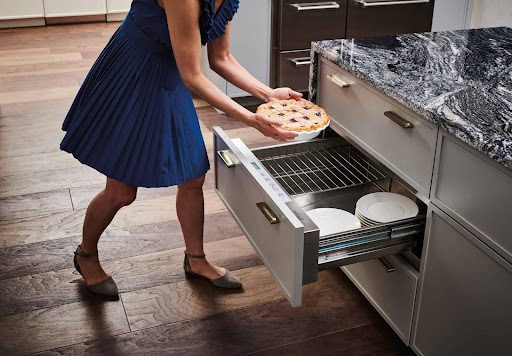
Have you ever wished your meals could stay warm and ready, without drying out or losing flavor? A warming drawer can do just that, making your cooking experience smoother and more enjoyable.
Whether you’re hosting guests or simply want your food at the perfect temperature, knowing how to use a warming drawer can change the way you prepare and serve meals. You’ll discover easy tips and tricks to get the most out of your warming drawer, so your food stays delicious and ready exactly when you want it.
Keep reading—you’ll wonder how you ever cooked without one!
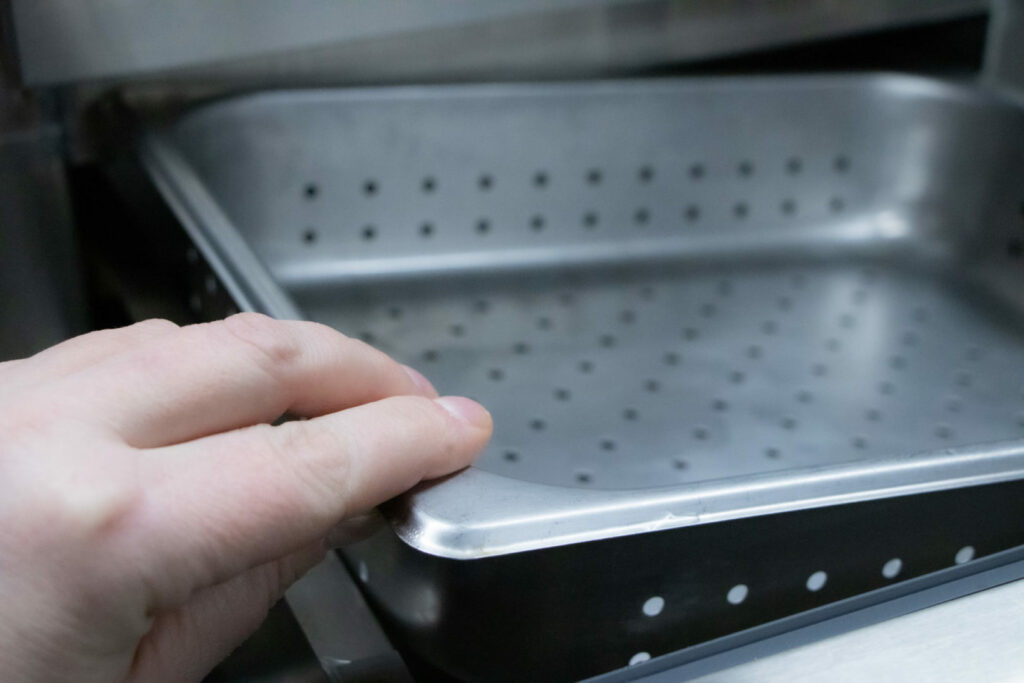
Credit: foodservice.winstonind.com
Choosing The Right Warming Drawer
A warming drawer keeps food warm until you are ready to serve. It is a useful kitchen tool for busy cooks and large families.
Choosing the right warming drawer helps you cook and serve food better. Consider your needs before buying one.
Types Of Warming Drawers
Warming drawers come in different types. Each type offers different features and uses.
- Standard warming drawers keep food warm at a steady temperature.
- Proofing drawers help dough rise by providing gentle heat.
- Combination drawers can warm food and proof dough.
- Some models have humidity control to keep food moist.
Capacity And Size Considerations
Warming drawers come in various sizes. Choose one that fits your kitchen and cooking needs.
Think about how much food you want to keep warm at once. Larger drawers hold more dishes but need more space.
- Small drawers fit under ovens or counters and save space.
- Large drawers hold big plates, pans, or multiple dishes.
- Check the drawer’s interior dimensions before buying.
Installation Options
You can install warming drawers in different places in your kitchen. Choose the best spot for easy use.
Some drawers fit under your oven. Others install in lower cabinets or kitchen islands.
- Built-in drawers blend with your kitchen design.
- Slide-in models require a specific cabinet size.
- Check power outlet location before installation.
- Professional installation may be needed for some models.
Credit: foodservice.winstonind.com
Setting The Ideal Temperature
Using a warming drawer correctly keeps food warm and ready. Setting the right temperature is important for the best results.
The warming drawer can keep food warm without cooking it more. Understanding how to set the temperature helps avoid dry or cold food.
Temperature Ranges Explained
Warming drawers usually have a temperature range from 80°F to 200°F. Each range suits different types of food and purposes.
- Low range (80°F-140°F): Keeps food warm without cooking.
- Medium range (140°F-170°F): Good for slow cooking or keeping food at serving temperature.
- High range (170°F-200°F): Suitable for warming plates or quick heat.
Adjusting For Different Foods
Different foods need different temperatures to stay fresh and tasty. Adjust the drawer’s heat based on the food you want to keep warm.
- Soups and stews: Use medium temperature to keep them hot without drying.
- Breads and pastries: Use low to medium heat to keep them soft.
- Cooked meats: Keep at medium or high temperature to maintain warmth and safety.
- Vegetables: Use low heat to avoid overcooking.
Avoiding Overheating
Overheating food can dry it out or change its texture. Set the drawer to the right temperature and check food often.
- Use lower settings for delicate foods.
- Don’t keep food in the drawer too long.
- Check food moisture and texture regularly.
- Use a timer if your warming drawer has one.
Techniques For Warming Food
A warming drawer helps keep food ready to serve at the right temperature. It is useful in many cooking and baking tasks.
Using a warming drawer correctly can improve your kitchen experience. It keeps food warm without drying it out or overcooking.
Keeping Cooked Meals Warm
Set the warming drawer to a low temperature to keep meals warm. Avoid high heat to prevent food from drying or overcooking.
- Place cooked dishes in heat-safe containers.
- Cover food loosely with foil to keep moisture.
- Check temperature regularly to keep food safe.
- Use the warming drawer to keep plates warm too.
Thawing Frozen Items
The warming drawer can gently thaw frozen food. Use a low setting to keep food safe and even in texture.
| Food Item | Recommended Setting | Thaw Time |
| Frozen bread | Warm (around 90°F) | 15-20 minutes |
| Frozen vegetables | Low (around 100°F) | 30-40 minutes |
| Frozen meat (small cuts) | Low (around 100°F) | 1-2 hours |
Proofing Dough
A warming drawer provides a cozy spot for dough to rise. Keep the temperature steady to help yeast activate.
- Set drawer to a low heat, about 80°F to 90°F.
- Place dough in a covered bowl to prevent drying.
- Check dough every 20 minutes for rising progress.
- Use the drawer until dough doubles in size.
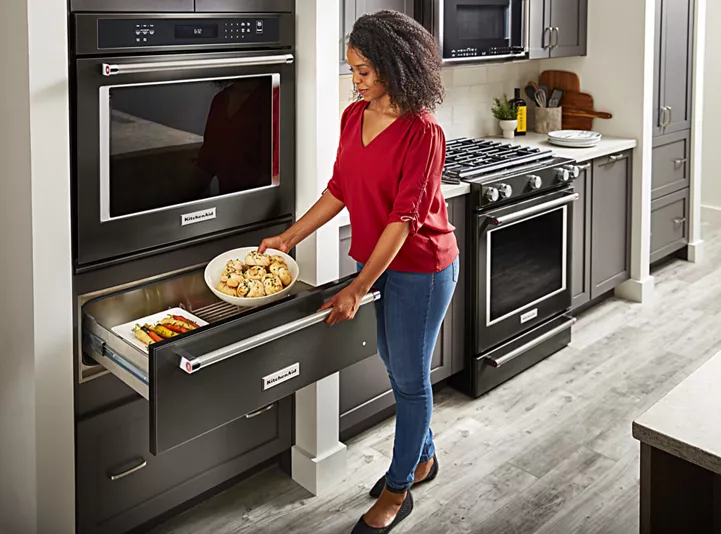
Credit: www.kitchenaid.com
Enhancing Meal Timing
Using a warming drawer helps keep food hot and ready to serve. It supports better meal timing in busy kitchens.
This tool is useful for managing multiple dishes and serving food at the perfect temperature.
Coordinating Multiple Dishes
A warming drawer allows you to keep different dishes warm while you finish cooking others. This helps serve all food together.
- Place cooked dishes in the warming drawer to keep them hot.
- Use separate sections to avoid mixing flavors.
- Adjust temperature settings for each type of dish.
- Check food regularly to prevent over-drying.
Serving Hot Food On Time
Keeping food hot until serving time means meals taste fresh and delicious. The warming drawer helps maintain the right temperature.
| Food Type | Recommended Temperature |
| Vegetables | 140°F (60°C) |
| Meat | 160°F (71°C) |
| Bread | 150°F (65°C) |
| Soups | 165°F (74°C) |
Using The Timer Feature
The timer feature lets you set how long the drawer stays warm. This helps you plan meal serving times better.
- Set the timer before placing food inside.
- Choose the correct warming temperature.
- Remove food when the timer ends to serve immediately.
- Repeat as needed for multiple meal courses.
Maintenance And Cleaning Tips
A warming drawer keeps your food warm and ready to serve. Clean it often to keep it working well. Dirt and grease can build up and cause problems.
Proper care extends the life of your drawer. Follow simple steps to clean and fix common issues.
Routine Cleaning Methods
Regular cleaning helps your warming drawer stay fresh. Use mild soap and warm water for daily cleaning.
- Turn off and unplug the drawer before cleaning
- Remove any food crumbs or spills inside the drawer
- Use a soft cloth with mild detergent to wipe the surfaces
- Clean the racks separately and dry them well
- Do not use harsh chemicals or abrasive pads
- Allow the drawer to dry completely before use
Preventing Odor Build-up
Odors can develop if food spills are left inside. Cleaning often stops smells from forming.
| Cause | Prevention |
|---|---|
| Leftover food particles | Clean drawer after each use |
| Moisture build-up | Leave drawer open for air to dry |
| Strong-smelling foods | Use sealed containers inside the drawer |
| Infrequent cleaning | Schedule deep cleaning monthly |
Troubleshooting Common Issues
If your warming drawer stops heating or works oddly, check these tips.
- Ensure the drawer is plugged in and power is on
- Check the temperature settings and adjust if needed
- Look for any food debris blocking the heating element
- Reset the drawer by turning it off and on after a few minutes
- Consult the user manual if problems continue
Safety Precautions
Warming drawers are helpful kitchen tools. They keep food warm until served. Safety is important when using them.
Follow these precautions to avoid accidents. Keep your family and home safe.
Avoiding Burns And Injuries
Warming drawers can get very hot. Always use oven mitts when handling items.
Be careful when opening the drawer. Hot steam can escape and cause burns.
- Use dry oven mitts to handle hot dishes
- Open the drawer slowly to prevent steam burns
- Keep face and hands away from the drawer’s opening
Proper Use Guidelines
Only use the warming drawer for its intended purpose. Do not use it for cooking food.
Always check the manual for specific instructions. Each model may have different guidelines.
- Do not store anything flammable inside the drawer
- Only place heat-safe dishes inside
- Keep the drawer closed when not in use
Child Safety Measures
Children should not play near the warming drawer. Keep them at a safe distance.
Teach children about the dangers of hot surfaces. Supervise them in the kitchen at all times.
- Install child safety locks if available
- Educate children on kitchen safety rules
- Keep the drawer turned off when not in use
Frequently Asked Questions
What Is The Primary Use Of A Warming Drawer?
A warming drawer keeps food warm until serving time. It prevents food from drying out and maintains ideal serving temperature without cooking it further.
How Do You Set The Temperature On A Warming Drawer?
Temperature settings vary by model, usually adjustable via a dial or digital control. Set it between 85°F and 200°F depending on food type and desired warmth.
Can A Warming Drawer Cook Or Just Keep Food Warm?
A warming drawer mainly keeps food warm but can also proof dough. It is not designed for full cooking but can gently heat certain dishes.
How Long Can Food Stay Safely In A Warming Drawer?
Food can stay warm safely for up to two hours. Longer times risk bacterial growth, so avoid leaving food in the drawer overnight.
Conclusion
Using a warming drawer makes meal times easier and more flexible. It keeps food warm without drying it out. You can prepare dishes ahead and serve them hot when ready. This tool saves time and reduces stress in the kitchen.
Try different settings to see what works best for your meals. A warming drawer fits well in many kitchens and helps keep dishes fresh. Enjoy warm food anytime with simple steps and little effort. It’s a helpful addition for busy homes and small gatherings.