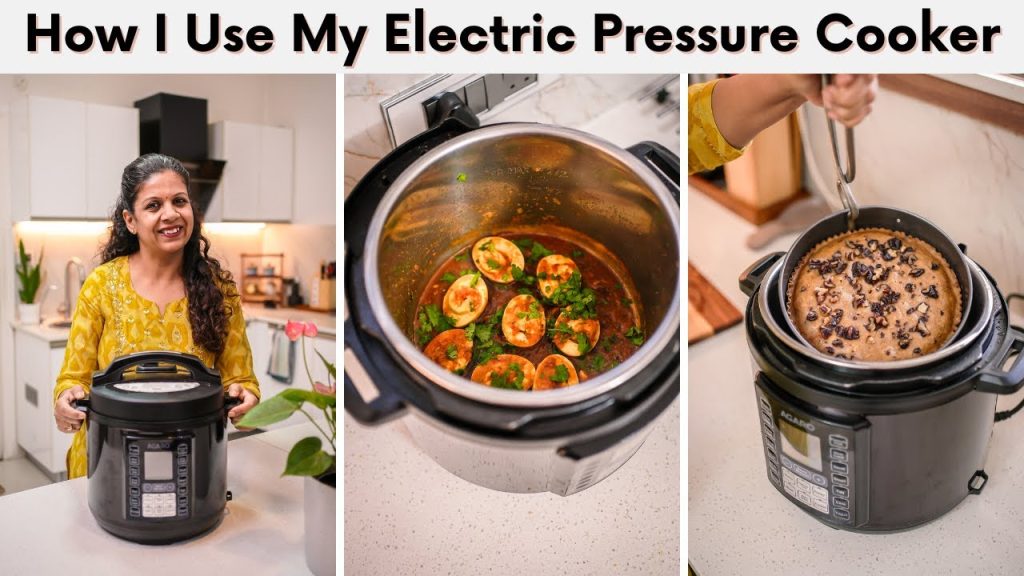
Are you curious about how to make cooking faster and easier? An electric pressure cooker might be exactly what you need.
Imagine preparing meals that usually take hours in just a fraction of the time, all while locking in flavor and nutrients. If you’ve ever wondered how to use this handy kitchen tool, you’re in the right place. This guide will walk you through simple steps to get started, so you can enjoy delicious meals without the hassle.
Keep reading, and you’ll soon be cooking smarter, not harder.

Credit: instantpot.co.nz
Getting Started With Your Electric Pressure Cooker
Electric pressure cookers help you cook meals faster. They use steam and pressure to cook food evenly.
Before using your cooker, learn the basics. This guide covers choosing a model, parts, and safety tips.
Choosing The Right Model
Pick a pressure cooker that fits your kitchen and cooking style. Size matters for how much food you want to cook.
- Small (3-4 quarts) for 1-2 people
- Medium (5-6 quarts) for families of 3-5
- Large (7+ quarts) for big groups or meal prep
- Look for easy-to-use controls
- Check if it has multiple cooking settings
Essential Parts And Accessories
Your electric pressure cooker has key parts. Knowing these helps you use it safely and well.
| Part | Function |
| Inner Pot | Holds food and liquids |
| Lid with Sealing Ring | Keeps pressure inside cooker |
| Pressure Valve | Controls steam release |
| Control Panel | Set cooking time and mode |
| Steam Rack | Keeps food above liquid |
Safety Tips Before Use
Follow safety rules to avoid accidents. Check your cooker before each use.
- Read the instruction manual carefully
- Check the sealing ring for cracks or wear
- Make sure the pressure valve is clean and moves freely
- Never overfill the cooker; follow max fill lines
- Use enough liquid to create steam
- Keep hands and face away from the steam vent
- Place cooker on a stable, flat surface
Preparing Ingredients For Pressure Cooking
Preparing your ingredients the right way helps your electric pressure cooker work well. It makes sure food cooks evenly and tastes good.
This guide covers how to cut, add liquids, and layer ingredients before cooking.
Proper Cutting And Portioning
Cut ingredients into pieces that cook evenly. Large chunks take longer to cook. Small pieces may turn mushy.
- Cut vegetables into similar sizes
- Slice meat into uniform portions
- Trim excess fat to avoid splatter
- Use smaller pieces for quick cooking
Liquid Requirements
Pressure cookers need liquid to create steam. Without enough liquid, food may burn or the cooker won’t seal.
| Type of Food | Minimum Liquid Needed |
| Vegetables | 1 cup (240 ml) |
| Rice and Grains | 1.5 to 2 cups (360-480 ml) |
| Meats | 1 to 1.5 cups (240-360 ml) |
| Soups and Stews | At least 1 cup (240 ml) |
Layering Ingredients Correctly
Place ingredients in the pot so they cook evenly. Dense foods go at the bottom. Delicate items stay on top.
- Pour liquid first to cover the bottom
- Add root vegetables and meats next
- Place quick-cooking vegetables on top
- Avoid stirring before cooking starts
Setting Up Your Cooker
Using an electric pressure cooker is simple and saves time. Setting it up correctly helps you cook safely and get tasty meals.
Before you start cooking, you need to add the right ingredients, seal the lid properly, and choose the correct cooking program.
Adding Ingredients And Liquid
Put your food and enough liquid inside the cooker. The liquid creates the steam that cooks the food fast.
- Place solid ingredients at the bottom or in a steaming basket.
- Pour at least one cup of liquid like water, broth, or juice.
- Do not fill the cooker more than two-thirds full to avoid overflow.
- Avoid thick sauces or pastes for the liquid to prevent burning.
Sealing The Lid
Close the lid firmly to keep the pressure inside. Check the sealing ring and steam valve before cooking.
| Step | Action |
| 1 | Place the lid on the cooker aligning the arrows. |
| 2 | Turn the lid until it locks in place. |
| 3 | Make sure the steam valve is set to “Sealing”. |
| 4 | Check the silicone ring for cracks or dirt. |
Selecting Cooking Programs
Most electric pressure cookers have preset programs for different foods. Use the program that fits your recipe for best results.
- Press the “Menu” or “Cook” button to view programs.
- Choose the type of food or cooking style, like rice, meat, or soup.
- Adjust the cooking time if needed using the “+” or “-” buttons.
- Start the cooker by pressing the “Start” or “Pressure Cook” button.
Cooking Process And Timing
Using an electric pressure cooker helps cook food quickly and evenly. Knowing the cooking process and timing is key to good results.
This guide explains how to adjust cooking time, use manual and pre-set modes, and use the keep warm function.
Adjusting Cooking Time For Different Foods
Different foods need different cooking times in the pressure cooker. Adjust the time based on the food’s texture and size.
- Vegetables like carrots and potatoes cook in 5 to 10 minutes.
- Meats such as chicken or beef need 20 to 40 minutes.
- Grains and beans usually take 15 to 30 minutes.
- Seafood cooks quickly, often within 3 to 5 minutes.
Manual Vs Pre-set Modes
Electric pressure cookers offer manual and pre-set cooking modes. Manual mode lets you set exact time and pressure.
Pre-set modes are ready-made settings for common foods. They use recommended times and pressure levels.
| Mode | Description | Best For |
| Manual | User sets time and pressure | Custom recipes, special foods |
| Pre-set | Automatic time and pressure | Rice, soup, meat, beans |
Using The Keep Warm Function
The keep warm function keeps food hot after cooking finishes. It helps maintain temperature until you are ready to eat.
- Activate keep warm right after cooking ends.
- Use it for up to 10 hours depending on the cooker.
- Helps food stay fresh without overcooking.
Releasing Pressure Safely
Using an electric pressure cooker requires careful pressure release. This step is important for safety and to avoid burns. There are two main ways to release pressure.
Knowing how and when to release pressure helps your food cook properly. It also keeps you safe from hot steam and spills.
Natural Pressure Release
Natural pressure release means letting the cooker cool down on its own. The pressure drops slowly inside the pot without opening any valves. This method is gentle on food.
This process takes time, usually 10 to 30 minutes. It is best for dishes that benefit from extra cooking and resting inside the pot.
Quick Pressure Release
Quick pressure release uses the valve to let steam out fast. You open the steam release handle or button to release the pressure immediately. This method is faster but needs caution.
- Use a tool or oven mitt to avoid burns.
- Keep your face and hands away from the steam.
- Release steam slowly if your cooker allows it.
- Use quick release only for foods that do not foam or splatter.
When To Use Each Method
| Pressure Release Method | Best For | Time Needed |
| Natural Release | Meats, stews, grains | 10-30 minutes |
| Quick Release | Vegetables, seafood, quick-cook foods | Less than 5 minutes |
Choosing the right method depends on your recipe and food type. Natural release keeps food moist. Quick release stops cooking quickly to keep texture.
Cleaning And Maintenance Tips
Keeping your electric pressure cooker clean helps it work well for a long time. Regular maintenance prevents problems and keeps your food tasting great.
Learn how to clean the inner pot and lid, care for seals and valves, and fix common issues easily.
Cleaning The Inner Pot And Lid
Always remove the inner pot after cooking and wash it with warm, soapy water. Avoid using harsh scrubbers to protect the pot’s surface.
The lid needs gentle cleaning too. Take off the sealing ring and wash it separately. Wipe the lid with a soft cloth and dry all parts well before reassembling.
Maintaining Seals And Valves
Seals and valves keep the cooker safe and working correctly. Check them often for cracks or dirt. Clean these parts carefully to avoid damage.
- Remove the sealing ring and wash with warm water.
- Inspect the steam release valve for blockages.
- Clean the float valve gently with a soft brush.
- Replace any worn or damaged seals immediately.
Troubleshooting Common Issues
| Problem | Possible Cause | Solution |
| Pressure not building | Sealing ring damaged | Replace sealing ring |
| Steam leaking | Valve blocked | Clean valve carefully |
| Cooker won’t start | Power issue | Check power connection |
| Food burns | Not enough liquid | Add proper amount of water |
Tips For Perfect Meals Every Time
Electric pressure cookers save time and make cooking easier. Using them well helps you get tasty meals every time.
Follow simple tips to cook safely and get the best flavors. This guide covers filling, recipe changes, and flavor ideas.
Avoiding Overfilling
Do not fill your pressure cooker too full. Overfilling can block the pressure valve and cause problems.
Leave space for steam and food to expand. Usually, fill only two-thirds full for most foods.
- Fill only half full for foods that expand, like rice or beans
- Keep liquids above the minimum level but below the max fill line
- Check your cooker’s manual for exact limits
Adjusting Recipes For Pressure Cooking
Pressure cooking changes cooking time and liquid needs. You must adjust recipes to fit this method.
Use less liquid than usual because less evaporates during pressure cooking. Cut cook times by about two-thirds.
- Reduce liquids by about 25% compared to stovetop cooking
- Shorten cooking times for meats and vegetables
- Use natural release to finish cooking gently
Experimenting With Flavors
Try different spices and herbs to find your favorite flavors. Pressure cooking blends tastes quickly and well.
Add strong spices at the start and delicate herbs near the end to keep their taste fresh.
- Use garlic, ginger, and onions for strong base flavors
- Add fresh herbs like parsley or cilantro after cooking
- Try different spice mixes for variety
Credit: extension.msstate.edu

Credit: modernistcuisine.com
Frequently Asked Questions
What Is An Electric Pressure Cooker?
An electric pressure cooker is a kitchen appliance that cooks food quickly. It uses steam pressure to increase the boiling point of water, reducing cooking time. It features programmable settings for different recipes, enhancing convenience and versatility in meal preparation.
How Do You Set Cooking Time?
To set cooking time, select a cooking program or manual mode on your electric pressure cooker. Use the “+” and “-” buttons to adjust the time according to your recipe’s requirements. Once set, the cooker will automatically adjust pressure and temperature.
Is It Safe To Use An Electric Pressure Cooker?
Yes, electric pressure cookers are safe when used correctly. They have safety features like pressure release valves, locking lids, and temperature sensors. Always follow the manufacturer’s instructions and avoid overfilling to ensure safe operation.
Can You Cook Frozen Food In It?
Yes, you can cook frozen food in an electric pressure cooker. It efficiently defrosts and cooks food in a shorter time. Ensure to adjust cooking time as frozen food takes longer. Always check the internal temperature to confirm it is fully cooked.
Conclusion
Using an electric pressure cooker saves time and effort in cooking. It cooks food quickly and keeps flavors rich. Just follow the steps carefully for best results. Always check the seal and pressure settings before starting. Clean the cooker well after use to keep it safe.
Enjoy delicious meals with less hassle every day. This simple tool can make cooking easier and faster. Try different recipes to see how versatile it is. Cooking with an electric pressure cooker fits any busy lifestyle.