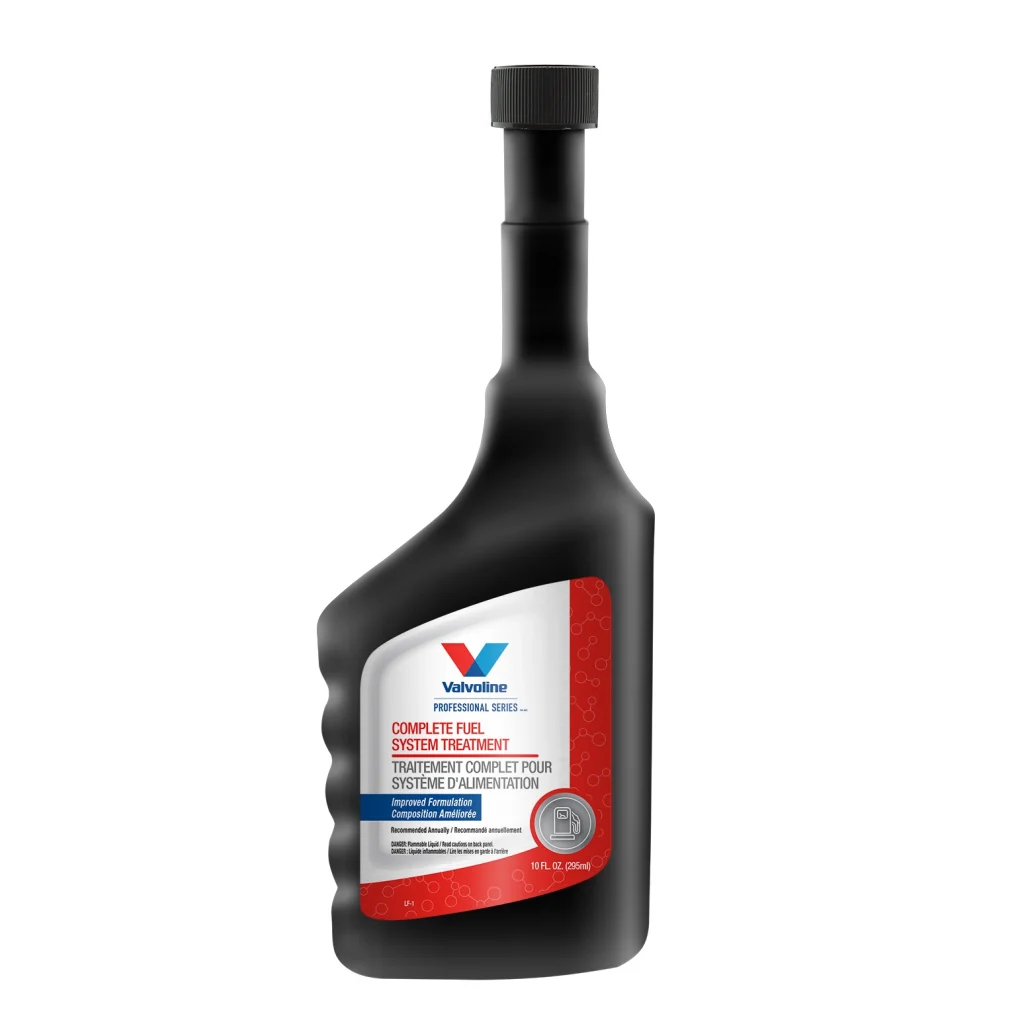
If you want your car’s engine to run smoothly and save money on fuel, using a fuel system cleaner might be exactly what you need. But how do you use it the right way?
You might have heard about these cleaners but aren’t sure when or how to apply them. This guide will show you simple steps to get the best results and keep your engine healthy. Keep reading to learn how this small addition can make a big difference in your car’s performance.

Credit: www.youtube.com
Choosing The Right Fuel System Cleaner
Using a fuel system cleaner helps keep your engine running smoothly. It removes deposits that reduce fuel efficiency.
Picking the correct cleaner can save your engine from damage and improve performance.
Types Of Fuel System Cleaners
There are several types of fuel system cleaners designed for different parts of the system.
- Injector Cleaners:Clean fuel injectors to improve spray and combustion.
- Carburetor Cleaners:Remove gum and varnish from carburetor parts.
- Intake Valve Cleaners:Target carbon buildup on intake valves.
- Complete System Cleaners:Work on the entire fuel system including injectors and valves.
Factors To Consider Before Buying
Choosing a fuel system cleaner depends on your vehicle’s needs and the cleaner’s features.
| Factor | What to Check |
| Fuel Type | Gasoline or diesel cleaners fit different engines |
| Vehicle Age | Older engines may need stronger formulas |
| Type of Cleaner | Injector, carburetor, or full system cleaner |
| Ease of Use | Some add directly to fuel, others require manual cleaning |
| Safety | Check if the cleaner is safe for your engine and fuel system |
When To Use Fuel System Cleaner
Fuel system cleaner helps keep your engine running smoothly. It removes deposits from fuel injectors and intake valves. Using it at the right time can improve fuel efficiency and performance.
Knowing when to use fuel system cleaner can save you money on repairs. It also reduces harmful emissions from your vehicle.
Signs Your Vehicle Needs Cleaning
Watch for these signs that show your fuel system may need cleaning soon.
- Engine hesitation or misfires during acceleration
- Lower fuel efficiency than usual
- Rough idling or stalling
- Difficulty starting the engine
- Black or dark exhaust smoke
- Check engine light turns on
Recommended Cleaning Intervals
Fuel system cleaning schedules depend on your car and driving habits. Here is a general guide to help you decide when to clean.
| Mileage Interval | Recommended Action |
|---|---|
| Every 10,000 miles | Check fuel system condition |
| Every 15,000 to 30,000 miles | Use fuel system cleaner for maintenance |
| Over 30,000 miles | Consider professional fuel system cleaning |
Preparing Your Vehicle
Using a fuel system cleaner can help keep your engine running smoothly. Before adding the cleaner, prepare your vehicle properly. This ensures the product works well and safely.
Preparation involves checking your fuel level and following safety rules. These steps protect you and your vehicle during the cleaning process.
Checking Fuel Levels
Check your fuel tank before adding the cleaner. Most fuel system cleaners work best when added to a nearly full tank. This helps the cleaner mix evenly with the fuel.
- Fill your tank close to full before use
- Read product instructions for recommended fuel amount
- Do not overfill the tank beyond the fuel gauge limit
Safety Precautions
Safety is important when handling fuel system cleaners. These products contain chemicals that need careful use. Follow these tips to stay safe.
| Safety Tip | Description |
| Work in a well-ventilated area | Prevents inhaling harmful fumes |
| Avoid open flames | Fuel and cleaners are flammable |
| Wear gloves | Protects skin from irritants |
| Keep away from children | Prevents accidental ingestion or contact |
| Follow product instructions | Ensures correct and safe use |
Adding Fuel System Cleaner
Fuel system cleaner helps keep your engine clean and running well. It removes dirt and buildup inside the fuel system.
Adding fuel system cleaner is easy. You just pour it into your fuel tank before filling up with gas.
Step-by-step Guide
First, read the instructions on the fuel system cleaner bottle. Each product may have different amounts to use.
Next, open your car’s fuel tank. Pour the correct amount of cleaner directly into the tank.
- Check the cleaner bottle for the right dose
- Pour cleaner into the empty fuel tank
- Fill the tank with gas immediately after
- Drive the car normally to spread the cleaner
Common Mistakes To Avoid
Do not add the cleaner to a full tank. It may not mix well with the fuel.
Avoid using too much cleaner. Overuse can damage your engine parts.
- Never skip reading the instructions
- Do not add cleaner when the tank is full
- Use only the amount recommended
- Don’t mix different brands of cleaner
Driving After Adding Cleaner
Using a fuel system cleaner helps keep your engine clean. After adding the cleaner, driving the car is important to get the best results.
Driving moves the cleaner through the fuel system. This allows it to break down deposits and improve performance.
Optimal Driving Conditions
Drive under normal conditions for the cleaner to work well. Avoid short trips that do not let the engine warm up fully.
Try to keep steady speeds and avoid heavy acceleration. This helps the cleaner reach all parts of the fuel system.
- Drive on highways or open roads
- Keep engine temperature normal
- Maintain steady speed around 40-60 mph (65-95 km/h)
- Avoid stop-and-go traffic if possible
How Long To Drive
Drive for at least 20 to 30 minutes after adding the cleaner. This time allows the cleaner to flow through the entire fuel system.
Longer drives can improve cleaning results. If possible, take a 30-minute drive on the highway to help the product work fully.
- Minimum drive time: 20 minutes
- Recommended drive time: 30 minutes or more
- Longer drives help clean fuel injectors and valves better

Credit: www.fuellogic.net
Benefits Of Regular Fuel System Cleaning
Keeping your fuel system clean is important for your vehicle. Dirt and deposits can build up over time. This can cause problems with how your car runs.
Using a fuel system cleaner regularly helps keep the engine parts clean. It improves how your car uses fuel and runs smoothly.
Improved Fuel Efficiency
A clean fuel system allows your engine to burn fuel better. This helps your car use less fuel for the same distance.
- Removes deposits from fuel injectors and intake valves
- Ensures proper fuel spray and mix with air
- Reduces fuel waste and improves mileage
Reduced Emissions
Cleaning the fuel system lowers harmful gases from your car. This helps protect the environment and keeps the air cleaner.
| Pollutant | Effect of Cleaning |
| Carbon monoxide | Decreases emissions |
| Hydrocarbons | Reduces unburned fuel |
| Nitrogen oxides | Lowers production due to better combustion |
Enhanced Engine Performance
A clean fuel system helps the engine run smoothly. It avoids rough idling and misfires that cause poor performance.
- Smoother acceleration
- More power output
- Longer engine life
Troubleshooting Fuel System Cleaner Issues
Using a fuel system cleaner can improve engine performance and fuel efficiency. Sometimes, problems may happen during or after use.
Knowing how to fix these issues helps keep your vehicle running smoothly and avoids damage.
What To Do If Problems Arise
If you notice trouble after using a fuel system cleaner, follow these tips to help fix the issue.
- Check the fuel system cleaner instructions carefully to ensure correct use.
- Inspect the fuel filter and replace it if clogged.
- Make sure the fuel tank is not contaminated with dirt or water.
- Run the engine for a few minutes to let the cleaner work fully.
- Use fresh fuel to avoid mixing problems.
When To Seek Professional Help
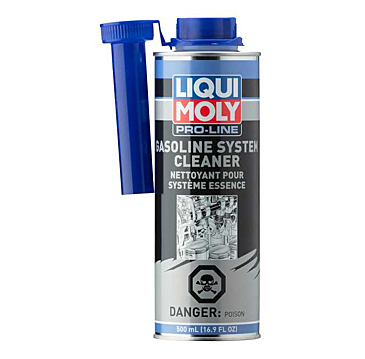
If problems continue after trying basic fixes, it is best to consult a mechanic. Certain issues need expert attention.
| Problem | Possible Cause | When to See a Professional |
| Engine sputtering | Fuel injector clog | If cleaning does not stop sputtering |
| Car won’t start | Fuel pump failure | Immediately |
| Loss of power | Blocked fuel lines | If power does not return after cleaner use |
| Check engine light | Sensor or system error | When light stays on after driving |
Credit: www.liqui-moly.com
Frequently Asked Questions
What Is A Fuel System Cleaner?
A fuel system cleaner is a chemical additive for your vehicle’s fuel tank. It helps remove deposits and residues from fuel injectors and carburetors. This ensures smoother engine performance and improved fuel efficiency. Regular use can prevent engine issues and enhance vehicle longevity.
How Often Should You Use Fuel System Cleaner?
It’s recommended to use a fuel system cleaner every 3,000 to 5,000 miles. However, check your vehicle’s manual or consult a mechanic for specific guidance. Regular use helps maintain optimal engine performance and prevents deposit buildup.
Can Fuel System Cleaner Improve Engine Performance?
Yes, a fuel system cleaner can enhance engine performance. It removes harmful deposits from the fuel system. This leads to smoother acceleration and better fuel efficiency. Regular use helps maintain engine health and performance.
Is Fuel System Cleaner Safe For All Vehicles?
Most fuel system cleaners are safe for gasoline engines. However, always check the product label for compatibility with your vehicle type. Consult your vehicle’s manual or a mechanic if unsure. Using the wrong cleaner can damage your engine.
Conclusion
Using fuel system cleaner helps keep your engine running smoothly. It removes dirt and buildup inside fuel injectors. This improves fuel efficiency and reduces engine knocking. Add the cleaner to your gas tank as instructed. Regular use can prevent costly repairs later.
Always follow the product directions carefully. Clean fuel systems mean better car performance. Simple steps lead to a healthier engine. Try it today for a smoother drive.