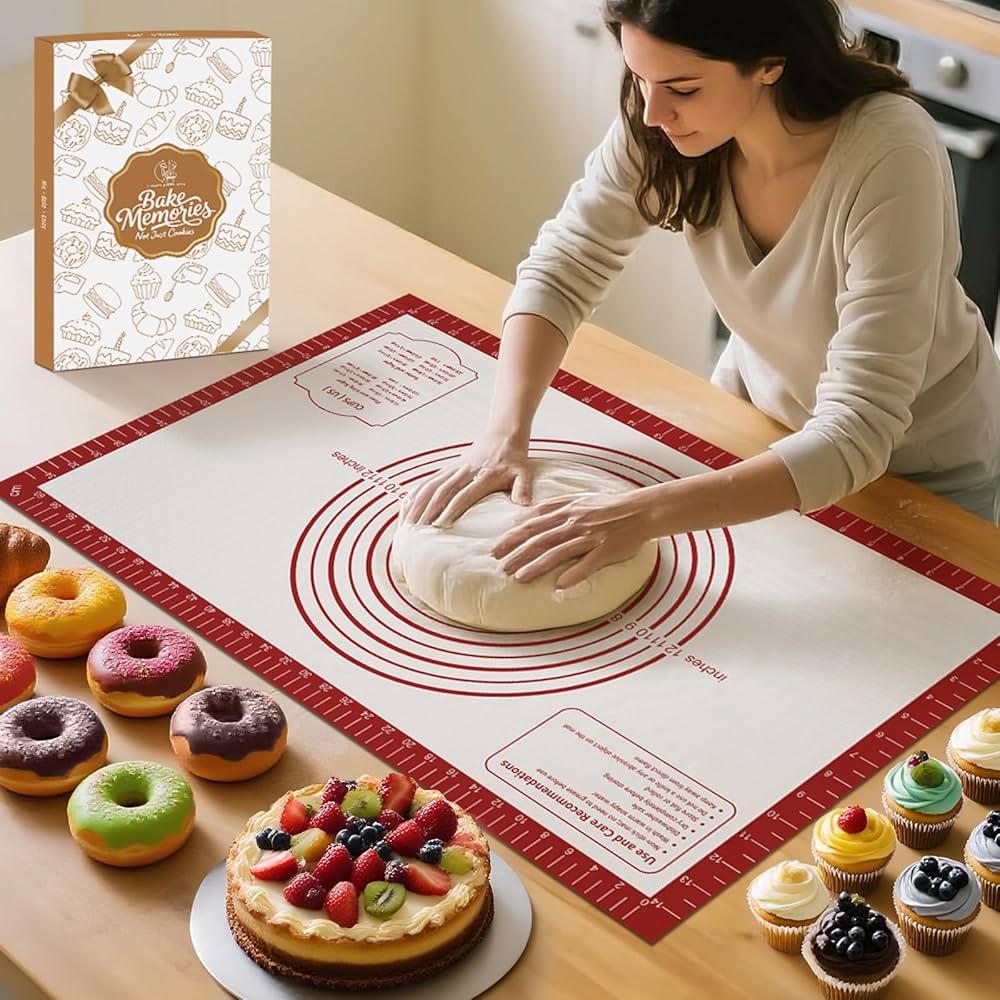
Are you tired of scrubbing burnt pans or dealing with messy baking trays? Silicone baking sheets could be the simple solution you’ve been looking for.
They make baking cleaner, easier, and even healthier. But how do you use silicone baking sheets the right way to get the best results every time? You’ll discover practical tips and tricks that will change the way you bake. Keep reading, and your kitchen game is about to get a serious upgrade.
Benefits Of Silicone Baking Sheets
Silicone baking sheets are a popular choice in kitchens. They offer many advantages over traditional baking mats and parchment paper.
These sheets make baking easier and cleaner. They also help create better results in cooking.
Non-stick Surface
Silicone baking sheets have a smooth, non-stick surface. This stops food from sticking during baking. You can remove cookies and pastries easily without breaking them.
Non-stick sheets reduce the need for extra oils or sprays. This helps keep food healthier and lowers cleanup time.
Even Heat Distribution
Silicone sheets spread heat evenly across the baking surface. This ensures your food cooks at the same rate. It prevents hot spots that can burn or undercook parts of your food.
With even heat, baked goods come out consistent in texture and color. This makes your recipes more reliable.
Reusable And Eco-friendly
Silicone baking sheets can be used many times. They last longer than single-use parchment paper or foil. This lowers waste in your kitchen.
Reusing these sheets helps protect the environment. You do not need to throw them away after one use. This makes them a green choice for baking.
Easy Cleanup
Cleaning silicone baking sheets is simple. Food residue does not stick tightly, so washing takes less effort. Many sheets are dishwasher safe for quick cleaning.
Because they are non-stick and flexible, you can wipe or rinse them easily. This saves time in the kitchen after baking.
Choosing The Right Silicone Baking Sheet
Silicone baking sheets make baking easier and cleaner. Picking the right one helps you bake better treats.
Look at size, thickness, material quality, and heat resistance before buying. Each factor affects your baking results.
Size And Thickness
Choose a size that fits your baking tray perfectly. Too small or too big can cause uneven baking or mess.
- Measure your baking sheets before buying
- Thicker sheets last longer and prevent warping
- Thin sheets heat faster but may tear easily
- Standard sizes fit most ovens and trays
Material Quality
High-quality silicone is flexible, non-stick, and safe for food. Avoid sheets with fillers or low-grade materials.
| Material Feature | Benefits |
| 100% Pure Silicone | Durable, non-stick, easy to clean |
| Food Grade | Safe for cooking and baking |
| Reinforced Fiberglass | Improves strength and heat distribution |
| Low-Grade Silicone | May smell, stick, or wear out fast |
Heat Resistance
Check the maximum temperature the sheet can handle. Baking requires heat resistance to avoid damage.
Typical heat resistance levels:
- Up to 428°F (220°C): Good for most home baking
- Up to 480°F (250°C): Suitable for roasting and high-heat baking
- Over 500°F (260°C): Best for professional kitchens
Preparing Silicone Baking Sheets For Use
Silicone baking sheets are a great tool for baking. They are reusable and easy to clean. Before using them, you need to prepare them properly.
This guide will help you get your silicone baking sheets ready for baking. Follow the steps below to make sure they work well.
Cleaning Before First Use
Clean your silicone baking sheet before using it for the first time. This removes any dust or factory residue. Use warm water and mild soap to wash it gently.
- Rinse the sheet with warm water
- Apply mild dish soap
- Use a soft sponge to clean both sides
- Rinse thoroughly to remove all soap
- Dry with a clean towel or air dry
Proper Placement On Baking Trays
Place the silicone baking sheet flat on your baking tray. Make sure it covers the tray evenly. Do not fold or crease the sheet as it can damage it.
| Tip | Reason |
|---|---|
| Place sheet flat and smooth | Ensures even baking and prevents warping |
| Use trays that fit the sheet size | Prevents overhang and messes in the oven |
| Avoid sharp edges on trays | Protects the silicone from cuts or tears |
| Do not fold or bunch up the sheet | Maintains the sheet’s shape and durability |

Credit: shop.kpkitchen.eu
Baking With Silicone Sheets
Silicone baking sheets are a great tool for baking. They provide a non-stick surface that helps food cook evenly.
You can use silicone sheets for cookies, pastries, and other baked goods. They are reusable and easy to clean.
Adjusting Temperature And Time
Silicone baking sheets can handle high temperatures but may need slight adjustments. Lower the oven temperature by 10 to 20 degrees Fahrenheit for best results.
Check your food a few minutes earlier than usual. Silicone sheets can cook faster because they hold heat well.
- Reduce temperature by 10-20°F (5-10°C)
- Start checking food 2-3 minutes early
- Use an oven thermometer for accuracy
Using With Different Recipes
Silicone sheets work well for many recipes like cookies, bread, and roasted vegetables. They prevent sticking and burning.
For sticky dough or caramel, silicone sheets make cleanup easier. You can also use them for rolling out dough evenly.
- Use for cookies, pastries, and bread
- Perfect for roasting vegetables
- Good for sticky or sugary recipes
- Helps roll out dough without sticking
Avoiding Common Mistakes
Do not cut or use sharp knives on silicone sheets. This can damage the surface and reduce their lifespan.
Do not use silicone sheets under the broiler. High direct heat can melt or warp the sheet.
- Never cut directly on the sheet
- Avoid using under the broiler
- Clean gently with warm soapy water
- Do not use abrasive cleaners or scrubbers
Maintaining And Cleaning Silicone Baking Sheets
Silicone baking sheets are easy to use and last a long time. To keep them in good shape, you need to clean and store them properly.
Good care helps prevent stains and odors. It also keeps your sheets safe for baking.
Washing Techniques
Wash silicone baking sheets with warm, soapy water after each use. Use a soft sponge to avoid damage.
Rinse well to remove all soap. Dry the sheet with a clean towel or air dry it before storing.
- Use mild dish soap
- Avoid abrasive scrubbers
- Rinse thoroughly
- Dry completely before storage
Removing Stains And Odors
To remove stains, make a paste of baking soda and water. Rub it gently on the sheet and let it sit for a few hours.
For odors, soak the sheet in vinegar and water for about 30 minutes. Then wash and dry it well.
- Use baking soda paste for stains
- Soak in vinegar solution for odors
- Rinse and dry after treatment
- Repeat if needed
Storage Tips
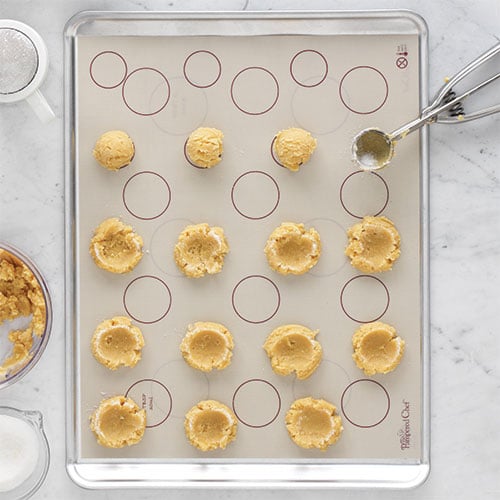
Store silicone baking sheets flat or rolled up. Avoid folding them to prevent creases or damage.
Keep them in a dry place away from direct sunlight. This helps keep the sheets flexible and clean.
- Store flat or rolled, not folded
- Keep in a cool, dry place
- Avoid direct sunlight
- Make sure sheets are dry before storing
Credit: www.pamperedchef.com
Troubleshooting Baking Issues
Silicone baking sheets are handy for many recipes. They help bake evenly and clean up is easy.
Sometimes, baking problems still happen. This guide covers common issues and how to fix them.
Sticky Or Burnt Baked Goods
Sticky baked goods may mean the silicone sheet is dirty or worn out. Burnt edges happen if the oven is too hot.
Clean sheets well before use. Avoid baking at temperatures higher than the sheet’s limit, usually 450°F (230°C).
- Wash sheets with warm soapy water after each use
- Check for residue that can cause sticking
- Use parchment paper for very sticky recipes
- Lower oven temperature if edges burn
Warping Or Damage
Silicone sheets can warp if placed too close to heating elements. Damage happens if folded or cut.
Keep sheets flat on baking trays. Do not fold or use sharp tools on them. Store flat or rolled gently.
- Place sheets in the middle oven rack
- Avoid direct contact with heating coils
- Do not cut or use knives on the sheet
- Store rolled or flat to keep shape
Preventing Slippage
Sometimes silicone sheets slide on trays. This can cause uneven baking or spills.
To stop slipping, make sure trays are dry and clean. Place a light layer of flour or oil under the sheet if needed.
- Use clean, dry baking trays
- Lightly dust trays with flour for grip
- Use a small amount of cooking spray if needed
- Press sheets firmly on trays before baking
Creative Uses Beyond Baking
Silicone baking sheets are not just for baking cookies or roasting vegetables. They have many uses that can help in the kitchen and for crafts.
These flexible, non-stick mats make many tasks easier and cleaner. Let’s explore some creative ways to use them beyond baking.
Freezing And Candy Making
Silicone baking sheets work great for freezing small items. They keep food from sticking and are easy to clean.
They also help when making candies. The non-stick surface means candy won’t stick or burn easily.
- Freeze herbs or fruit pieces on the sheet for easy storage
- Pour melted chocolate or candy mixtures to cool and harden
- Use the sheet to shape candies or chocolate pieces
- Easy cleanup after sticky candy making
Rolling Dough
Rolling dough on silicone sheets is simple and mess-free. The dough won’t stick, so you need less flour.
The flexible sheet also helps transfer rolled dough to pans without tearing.
- Roll cookie or pie dough directly on the sheet
- Lift and move dough easily without it breaking
- Clean surface means less cleanup after rolling
Craft Projects
Silicone baking sheets protect your table during craft projects. Their non-stick surface works well with glue, paint, and clay.
You can also use them as a surface for shaping or drying craft materials.
- Use as a work surface for hot glue or paint
- Shape and dry clay or resin pieces without sticking
- Protect tables from spills and messes
- Easy to clean after crafting

Credit: www.youtube.com
Frequently Asked Questions
What Are Silicone Baking Sheets Used For?
Silicone baking sheets are versatile kitchen tools used for baking, roasting, and freezing. They provide a non-stick surface, ensuring easy food release. They’re perfect for baking cookies, roasting vegetables, and even freezing items like fruit. They’re reusable and eco-friendly, making them a sustainable choice for home bakers.
How Do You Clean Silicone Baking Sheets?
To clean silicone baking sheets, rinse them with warm soapy water. Use a soft sponge to remove any residue. Avoid abrasive cleaners or scrubbers as they can damage the surface. For stubborn stains, a paste of baking soda and water can be applied and gently scrubbed.
Are Silicone Baking Sheets Safe To Use?
Yes, silicone baking sheets are safe for oven use. They’re heat-resistant up to around 450°F (232°C). Ensure they’re food-grade and free from BPA and other harmful chemicals. They don’t release any odors or flavors, keeping your food safe and tasting great.
Can You Use Silicone Baking Sheets In The Oven?
Silicone baking sheets are designed for oven use, handling temperatures up to 450°F (232°C). They’re ideal for baking cookies, pastries, and roasting vegetables. Always ensure they lay flat on a baking tray to avoid any mishaps in the oven.
Conclusion
Silicone baking sheets make baking easier and cleaner. They stop food from sticking and save on oil or butter. You can use them for cookies, roasting, and even rolling dough. They are easy to clean and last a long time.
Just remember to avoid sharp knives on them. Using silicone sheets helps you bake with less mess and fuss. Try them for your next baking project and enjoy the simple benefits.