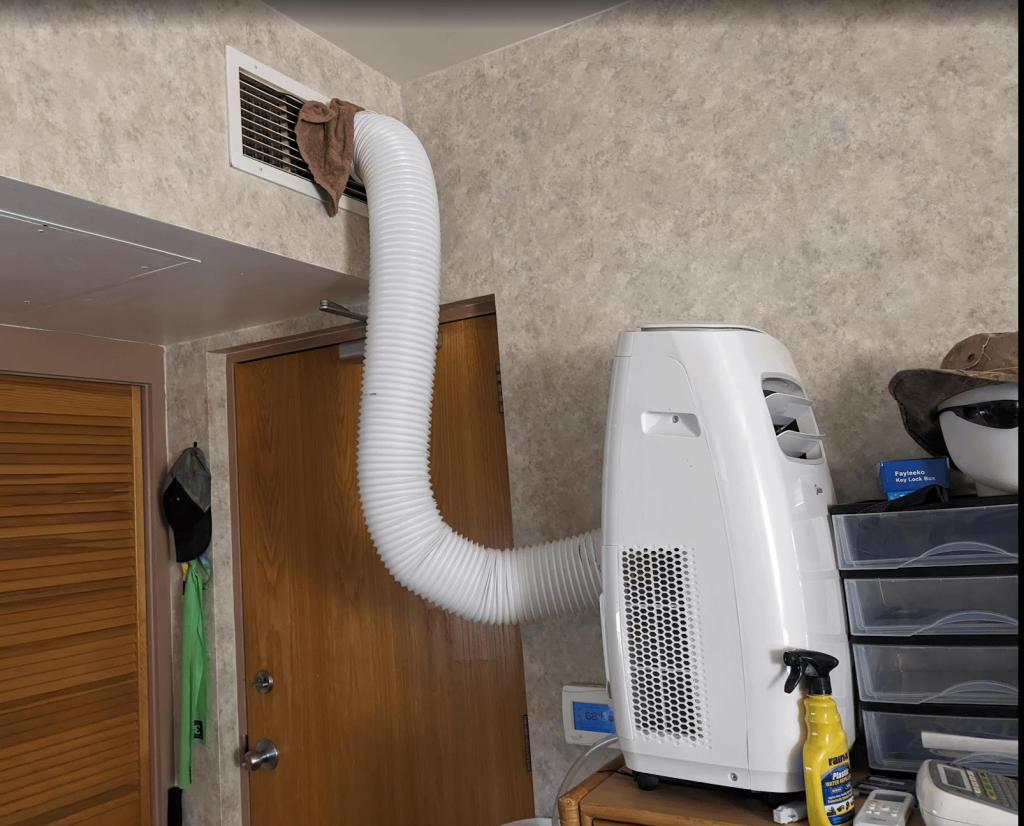
Are you struggling to figure out how to vent your portable air conditioner? You’re not alone!
Many people find themselves puzzled by the process, unsure of where to start. It’s more than just a task—it’s the key to transforming your space into a cool, comfortable haven. Without proper ventilation, your air conditioner can’t perform efficiently, leaving you hot and bothered.
But don’t worry; you’ve come to the right place. This guide will walk you through the simple steps to vent your portable AC unit effectively, ensuring you enjoy every breeze it has to offer. Ready to unlock the secret to a cooler home? Let’s dive in and make your summer a breeze!
Choosing The Right Location
Finding the best spot for your portable air conditioner helps it work well. The right location makes your room cool faster and saves energy.
Consider where to place the unit before setting it up. This helps avoid problems like poor airflow or heat build-up.
Near A Window Or Door
Place the air conditioner close to a window or door for venting. This allows the hot air to exit outside easily.
Make sure the window or door is easy to open and fits the vent hose securely. Avoid spots where the hose has to bend sharply.
- Choose a window with good access
- Check for a tight vent hose fit
- Keep the hose straight without kinks
Avoiding Heat Sources
Do not place the air conditioner near heat sources like ovens or direct sunlight. Heat can make the unit work harder.
Keep the unit away from lamps, heaters, or other devices that produce heat. This helps keep the room cooler and saves energy.
- Keep away from ovens and stoves
- Avoid direct sunlight on the unit
- Do not place near lamps or heaters
Ensuring Proper Airflow
Make sure there is enough space around the air conditioner. Good airflow helps the unit cool the room well.
Avoid placing the unit too close to walls or furniture. Leave room for air to move freely in and out of the unit.
- Leave at least 20 inches of space around the unit
- Do not block air vents or exhaust
- Keep the area clean and free of dust

Credit: www.amazon.ca
Gathering Venting Materials
To vent a portable air conditioner properly, you need the right materials. These parts help remove hot air from the room.
Gathering all venting supplies before installation makes the process easier and faster.
Vent Hose And Adapter
The vent hose carries the hot air from the air conditioner to the outside. The adapter connects the hose to the unit and the window kit.
- Make sure the hose is the right length to reach the window.
- Check that the adapter fits your air conditioner model.
- Use flexible hoses for easy placement and bending.
Window Kit Components
The window kit holds the vent hose in place and closes gaps in the window opening. This kit usually includes a panel, brackets, and screws.
| Component | Purpose |
|---|---|
| Panel | Blocks the open window space to keep air outside |
| Brackets | Secure the panel and hose adapter to the window frame |
| Screws | Hold the parts firmly in place |
Sealing Tape And Tools
Sealing tape prevents air leaks around the window kit and hose connections. You will also need basic tools like a screwdriver and scissors.
- Use weatherproof sealing tape for a tight seal.
- Have a screwdriver ready to fix screws and brackets.
- Keep scissors handy to cut tape and open packaging.
Installing The Vent Hose
Vent hoses remove hot air from your portable air conditioner. Installing the hose correctly helps your AC work well. This guide shows how to connect and secure the vent hose.
Follow simple steps to connect the hose to the unit, extend it to the window kit, and hold it firmly in place.
Connecting To The Air Conditioner
Start by locating the exhaust port on your portable AC unit. This is where the vent hose will attach. Make sure the unit is off before you begin.
Fit the hose end over the exhaust port. It should slide on easily. Some units use a twist-lock or clamps to hold the hose.
- Align the hose with the exhaust port
- Push the hose firmly onto the port
- Use clamps or twist to secure it if needed
Extending To The Window Kit
Next, connect the other end of the vent hose to the window kit. The window kit allows hot air to escape outside your home.
Adjust the hose length so it reaches the window without kinks. Avoid stretching the hose too far or bending it sharply.
- Attach hose end to the window kit connector
- Keep the hose straight and smooth
- Extend only as much as needed to reach the window
Securing The Hose In Place
Secure the vent hose to prevent it from moving or falling off. Use clips or brackets if your AC kit includes them.
Make sure the hose stays tight at both the AC unit and window kit ends. This keeps hot air from leaking back inside.
- Use clips or brackets to hold the hose
- Check that connections are tight and sealed
- Keep the hose free from sharp bends or damage

Credit: www.youtube.com
Setting Up The Window Kit
Setting up the window kit is an important part of venting a portable air conditioner. The kit allows hot air to exit through the window while keeping your room sealed.
This guide explains how to measure and adjust the panels, fit the kit in the window, and seal any gaps.
Measuring And Adjusting Panels
First, measure the width of your window opening. The panels in the window kit are adjustable to fit different window sizes.
- Use a tape measure to get the exact width of the window.
- Extend or shorten the panels to match this width.
- Make sure the panels slide smoothly and lock in place.
Fitting The Kit In The Window
Place the adjusted window kit into the open window. The panels should fill the gap and hold the exhaust hose in place.
| Window Type | Panel Position | Notes |
|---|---|---|
| Sliding Window | Horizontal | Panels slide to fit width |
| Double-Hung Window | Vertical | Panels adjust to height |
| Casement Window | Side Opening | May need custom fitting |
Secure the panels so they do not move. Check that the exhaust hose connects tightly to the kit.
Sealing Gaps To Prevent Air Leaks
After fitting the kit, look for any gaps between the panels and the window frame. Air leaks reduce cooling efficiency.
- Use weather stripping or foam tape along the edges.
- Press the seal firmly to close all gaps.
- Check both inside and outside the window.
- Replace seals if they wear out over time.
Final Checks For Efficient Venting
Proper venting helps your portable air conditioner work well. It removes hot air from the room to keep it cool.
Before using your unit, check the venting setup carefully. This ensures the best cooling and saves energy.
Ensuring Tight Connections
Make sure all vent pipes and adapters fit tightly. Loose parts cause warm air to leak back inside.
- Check that the vent hose is fully connected to the unit.
- Secure the hose to the window kit without gaps.
- Tighten any clamps or fasteners to avoid air leaks.
- Use weather stripping to seal small openings around the window.
Checking For Obstructions
Look inside the vent hose and window kit for blockages. Obstructions reduce airflow and cooling power.
| Common Obstructions | Effect |
| Dirt or dust buildup | Blocks airflow |
| Kinks or bends in hose | Restricts air movement |
| Objects near vent opening | Stops hot air exit |
| Insect nests or debris | Clogs vent |
Testing Airflow And Cooling
Turn on the air conditioner and feel the airflow from the vent hose. It should be strong and steady.
- Place your hand near the vent hose exit to check airflow.
- Listen for unusual sounds like whistling or rattling.
- Check if the room temperature drops within 15 to 20 minutes.
- Adjust the vent or hose if airflow is weak or uneven.

Credit: www.reddit.com
Tips For Maintaining Vent Efficiency
Keeping your portable air conditioner vent working well helps your room stay cool. Proper vent maintenance stops air leaks and saves energy.
Use these simple tips to keep the vent hose and window kit in good shape. This keeps the air flowing smoothly.
Regular Hose Inspection
Check the vent hose often for cracks or holes. A damaged hose can let hot air back inside. Look for tears and loose connections.
- Inspect the entire hose length every month
- Seal small cracks with heat-resistant tape
- Replace the hose if damage is too large
- Make sure the hose fits tightly on both ends
Cleaning The Window Kit
The window kit holds the vent hose in place and blocks air leaks. Clean it regularly to remove dust and dirt buildup.
| Cleaning Task | Frequency |
| Wipe window kit frame with damp cloth | Every 2 weeks |
| Check and clear debris in vent openings | Monthly |
| Inspect seals for cracks and reseal if needed | Every 3 months |
Avoiding Kinks And Bends
Keep the vent hose straight and avoid sharp bends. Kinks reduce airflow and make the air conditioner work harder.
- Place the unit close to the window to shorten the hose
- Use hose supports to keep it straight if needed
- Do not stretch the hose too far or compress it
- Make gentle curves instead of sharp angles
Frequently Asked Questions
How Do You Vent A Portable Air Conditioner Properly?
To vent a portable air conditioner, connect the exhaust hose to the unit. Secure the other end to a window kit. Ensure the window is closed tightly around the kit to prevent air leaks. This setup allows hot air to exit efficiently.
Can I Vent A Portable Ac Without A Window?
Venting a portable AC without a window is challenging. You can use a sliding door vent kit or vent through a wall or ceiling. Ensure proper sealing to avoid hot air re-entering the room, which reduces cooling efficiency.
What Is The Best Window For Venting A Portable Ac?
The best window for venting is a sliding or sash window. These windows allow easy installation of the vent kit. Avoid casement windows as they are harder to seal properly around the exhaust hose.
How Long Should The Exhaust Hose Be For Venting?
Keep the exhaust hose as short as possible, ideally under 5 feet. Longer hoses reduce cooling efficiency by restricting airflow. Avoid sharp bends or kinks to maintain proper ventilation.
Conclusion
Venting a portable air conditioner helps it work better and cool your space. Use the right vent kit and place the hose properly. Keep the window closed around the vent to stop hot air from coming in. Regularly check for leaks or blockages in the vent hose.
Proper venting saves energy and keeps your room comfortable. Simple steps make a big difference in cooling. Follow these tips to enjoy cool air all summer long.