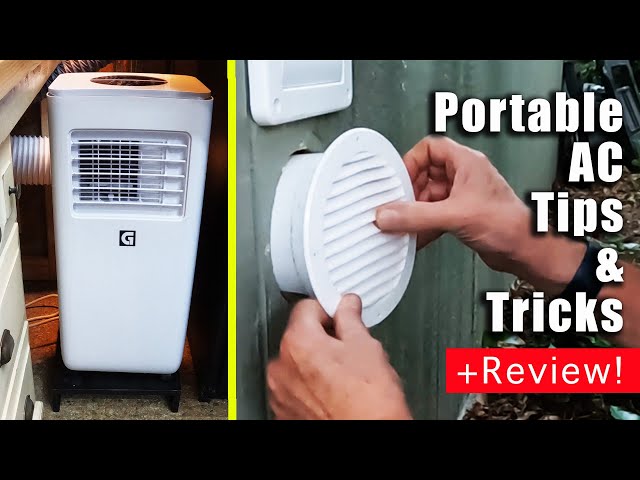
Are you struggling to keep your room cool with a portable air conditioner? One simple step can make all the difference: proper venting.
If you don’t vent your portable AC correctly, it won’t work efficiently, leaving you frustrated and sweating. But don’t worry—venting is easier than you think. You’ll discover exactly how to vent your portable air conditioner the right way, so you can enjoy cool, fresh air without any hassle.
Keep reading, and you’ll be cooling your space like a pro in no time.

Credit: www.dreo.com
Choosing The Right Location
Finding the best spot for your portable air conditioner is important. It ensures efficient cooling and energy use.
Consider factors like window access and room layout. Proper venting is essential for optimal performance.
Near A Window Or Door
Place the air conditioner close to a window or door. This allows easy venting of hot air outside.
- Ensure the window is easy to open
- Use the vent hose to direct air outside
- Check for secure hose attachments
Avoiding Obstructions
Keep the area around the air conditioner clear. Obstructions can block airflow and reduce efficiency.
| Obstruction Type | Impact on Airflow |
| Furniture | Blocks vents |
| Curtains | Restricts air circulation |
| Wall Hangings | Limits air movement |
Selecting A Venting Kit
Venting a portable air conditioner is important to remove hot air. Choosing the right venting kit makes this job easier. It also helps the unit work better.
Many venting kits are available. Each type fits different needs and spaces. Knowing your options helps you pick the best one.
Types Of Venting Kits
Venting kits come in several styles. Each type has parts that help remove warm air outside. Here are common types:
- Window Kit:This kit uses a panel that fits in a window opening. It has a hole for the exhaust hose.
- Sliding Door Kit:Made for sliding doors. It usually has adjustable panels to fill the open space.
- Wall Vent Kit:Installed through a hole in the wall. It is more permanent and needs proper sealing.
- Ceiling Vent Kit:Used in rooms with ceiling vents. It directs warm air outside through ceiling openings.
Compatibility With Your Unit
Not all venting kits fit every portable air conditioner. Check the size and type of your unit before buying a kit. Look for these features:
| Feature | Why It Matters |
| Exhaust Hose Diameter | Must match the hose size to connect well and avoid leaks. |
| Window or Door Size | Kit panels must fit your window or door opening precisely. |
| Unit Exhaust Location | Some units have top or rear exhausts that need specific hose routing. |
| Kit Material | Durable materials resist heat and weather, lasting longer. |
Preparing The Window
Venting a portable air conditioner needs a clear and clean window. The window must fit the venting kit to work well.
Getting the window ready helps the air conditioner cool your room better. It also keeps bugs and dust out.
Cleaning The Window Area
Clean the window and the frame before installing the vent. Dirt or dust can block the vent or damage the seal.
Use a damp cloth to wipe all parts of the window area. Remove old paint or sticky residues if needed.
- Wipe the glass and window sill
- Clean the window frame and tracks
- Remove any debris or cobwebs
- Check for cracks or damage
Adjusting Window Panels
Most vent kits fit into sliding or double-hung windows. Adjust the panels to fit the vent properly.
Open the window enough to place the vent panel. Then close the window to hold the panel tight and secure.
- Slide the window open to the right size
- Fit the vent panel into the open space
- Close the window to hold the panel firmly
- Use foam strips to seal any gaps

Credit: www.reddit.com
Installing The Exhaust Hose
Portable air conditioners need to vent hot air outside. The exhaust hose removes this hot air from the unit. Proper installation of the exhaust hose is important for good performance.
This guide explains how to connect the exhaust hose to the unit and attach it to the window kit. Follow these steps to set up your portable air conditioner correctly.
Connecting To The Unit
Start by attaching one end of the exhaust hose to the air conditioner. Most units have a round vent where the hose fits. Make sure the hose fits tightly to avoid leaks.
Secure the hose by twisting it onto the vent or using the clamp that came with your unit. A tight connection keeps hot air from leaking back into the room.
- Locate the exhaust vent on the portable AC
- Align the hose end with the vent opening
- Twist or push the hose firmly onto the vent
- Use a clamp or locking ring if provided
- Check for a snug fit without gaps
Attaching To The Window Kit
Attach the other end of the exhaust hose to the window kit. The window kit fits in your window and lets hot air escape outside. Place the kit in the window first.
Insert the hose end into the hole in the window kit. Secure it well so no air can come back inside. Adjust the window kit to close the gap around the hose.
- Install the window kit in your open window
- Place the exhaust hose end into the kit’s hole
- Push or twist the hose to secure it
- Close the window tightly around the kit
- Seal any gaps with foam or tape if needed
Securing The Venting System
Portable air conditioners need proper venting to work well. Securing the venting system stops air leaks.
A tight vent keeps hot air outside and cool air inside. This helps your room stay comfortable.
Sealing Gaps
Check for gaps around the vent hose and window adapter. Small gaps let warm air enter your room.
Use silicone caulk or foam sealant to close these gaps. This stops air leaks and improves cooling.
- Inspect all edges around the vent
- Apply sealant carefully to fill gaps
- Let the sealant dry before using the AC
Using Weather Stripping
Weather stripping adds an extra layer to block air leaks around the vent. It is soft and easy to install.
Attach weather stripping to the window frame or vent panel. Press it firmly for a tight seal.
- Choose weather stripping made for windows
- Clean the surface before applying
- Replace worn weather stripping regularly
Alternative Venting Options
Portable air conditioners need to vent hot air outside. This stops the room from getting too warm.
There are different ways to vent these units. You can try options beyond the usual window venting.
Through Wall Venting
Through wall venting sends hot air outside by making a hole in your wall. This is a long-term solution.
This option keeps your window free and looks neat. It also works well in rooms without windows.
- Drill a hole slightly larger than the vent hose
- Seal the edges to stop air leaks
- Use a vent kit designed for wall installation
- Make sure the vent points away from your home
Using Sliding Doors
You can vent portable ACs through sliding doors by using special vent kits. These kits fill the gap in the door.
This method works well if you have a sliding glass door. It does not require drilling holes or damage.
- Open the sliding door slightly
- Place the vent panel in the door gap
- Attach the vent hose to the panel
- Close the door gently to hold the panel in place
Maintaining Efficient Venting
Vent portable air conditioners properly to keep them working well. Good venting moves hot air outside and cools your room.
Regular care of the vent hose helps your air conditioner last longer. It also stops problems like leaks and blockages.
Regular Hose Cleaning
Clean the vent hose often to remove dust and dirt. A clean hose lets air flow freely, which keeps the unit efficient.
Disconnect the hose and wipe the inside with a damp cloth. Check for any blockages or damage while cleaning.
- Remove dust buildup inside the hose
- Check for any holes or cracks
- Dry the hose completely before reconnecting
Checking For Leaks
Leaks in the vent hose reduce cooling power. They let hot air back into the room and waste energy.
Inspect the hose and connections for gaps or tears. Seal small holes with tape made for air ducts.
- Look at hose joints and window adapters
- Use heat-resistant tape to fix small leaks
- Replace the hose if damage is severe

Credit: www.amazon.com
Frequently Asked Questions
How Do You Vent A Portable Air Conditioner Properly?
To vent a portable air conditioner, connect the exhaust hose to the unit. Place the other end in a window vent kit. Ensure the hose is as straight and short as possible to maximize efficiency and prevent heat from re-entering the room.
Can I Vent A Portable Ac Through A Wall?
Yes, you can vent a portable AC through a wall. Install a wall vent kit that fits the exhaust hose. Make sure the vent allows hot air to escape outside without leaks or obstructions for optimal cooling performance.
What Happens If A Portable Ac Is Not Vented?
If not vented, hot air stays inside, reducing cooling efficiency. The unit will work harder, increasing energy use and wear. Proper venting removes hot air, ensuring your portable AC cools the room effectively.
Are Window Kits Necessary For Venting Portable Acs?
Yes, window kits are essential for venting portable ACs. They secure the exhaust hose to the window, sealing gaps to prevent hot air from entering. This setup improves cooling efficiency and keeps your room comfortable.
Conclusion
Venting a portable air conditioner keeps your room cool and fresh. Use the right window kit to guide hot air outside. Seal gaps to stop warm air from coming in. Keep the hose straight and short for best airflow. Regularly check and clean the vent to avoid blockages.
Proper venting helps the unit work efficiently and saves energy. Follow these simple steps for a comfortable, cool space all summer.