You’ve invested in a good sleeping bag, and you want it to last through many adventures. But how do you wash sleeping bags without damaging them?
If you’ve ever wondered whether you should toss it in the washing machine or hand wash it, you’re not alone. Cleaning your sleeping bag the right way keeps it fresh, comfortable, and ready for your next trip. Keep reading, and you’ll discover simple, effective steps to clean your sleeping bag safely—so it feels just like new every time you unzip it.

Credit: www.halfwayanywhere.com
Choosing The Right Washing Method
Washing your sleeping bag properly keeps it clean and lasts longer. Picking the right washing method depends on the bag’s material and care label.
Some sleeping bags work well in a machine, but others need gentle hand washing. Read the label before you start.
Machine Washing Tips
Use a front-loading washing machine if possible. It is gentler on the sleeping bag than a top-loader.
Wash your sleeping bag on a gentle cycle with cold water. Use a mild detergent made for delicate fabrics.
- Close all zippers and Velcro to protect the fabric
- Do not use bleach or fabric softener
- Rinse twice to remove all soap
- Use a large capacity washer to avoid compressing the bag
Hand Washing Steps
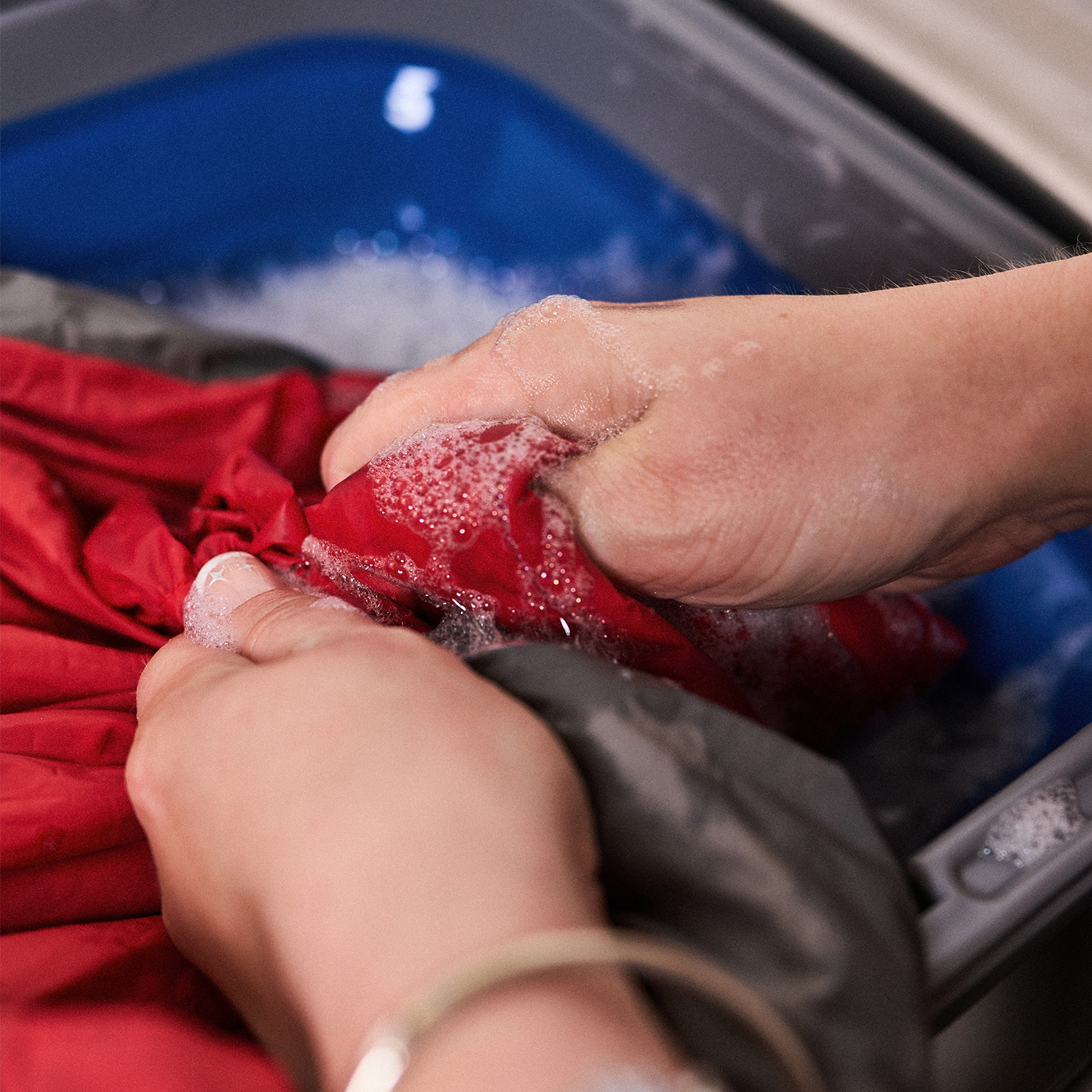
Fill a bathtub or large basin with cold water. Add a small amount of gentle detergent.
Submerge the sleeping bag and gently squeeze the water through the fabric. Avoid wringing or twisting.
- Let the bag soak for 15-30 minutes
- Rinse thoroughly with clean cold water
- Press out excess water by rolling the bag in a towel
- Air dry flat or hang in a shaded area
Preparing Your Sleeping Bag
Washing a sleeping bag starts with good preparation. This helps keep it safe and clean. Preparing well saves time and effort later.
Follow simple steps before washing. These steps protect your sleeping bag’s fabric and filling. They also improve cleaning results.
Checking Care Labels
Look at the care label on your sleeping bag. It shows the best way to wash it. Some bags need hand washing. Others can go in a machine.
Labels also tell you what water temperature to use. Avoid hot water if the label warns against it. Follow all instructions closely to avoid damage.
Removing Dirt And Debris
Clear off dirt and debris before washing. This keeps your washing machine clean and helps the bag wash better. Use a soft brush or cloth.
- Shake out loose dirt outside.
- Brush off mud or dried spots gently.
- Use a vacuum cleaner with a brush tool for deep cleaning.
- Check inside the bag for small stones or leaves.
Securing Zippers And Straps
Zip up all zippers fully before washing. This stops the zipper teeth from breaking or catching other fabric. Fasten all straps tight too.
| Item | Reason to Secure |
|---|---|
| Zippers | Prevent fabric damage and zipper breaks |
| Straps | Keep bag compact and avoid tangling |
Selecting Suitable Detergents
Washing your sleeping bag needs care and the right detergent. The detergent must clean well without harming the bag’s fabric or insulation.
Choosing the right detergent helps keep your sleeping bag soft and warm. It also makes your bag last longer.
Avoiding Harsh Chemicals
Harsh chemicals can damage your sleeping bag’s fabric and reduce its insulation power. Avoid detergents with bleach, fabric softeners, and strong fragrances.
These chemicals can break down the fibers and make the bag less effective at keeping you warm. Always read the detergent label before buying.
- Do not use bleach or chlorine
- Avoid fabric softeners and dryer sheets
- Skip detergents with strong perfumes
- Choose gentle, mild detergents instead
Using Specialized Cleaners
Specialized cleaners are made just for outdoor gear like sleeping bags. They clean well and protect the materials and insulation.
These cleaners keep your sleeping bag’s loft and water resistance intact. They also help maintain the bag’s breathability and softness.
- Look for cleaners labeled for down or synthetic sleeping bags
- Use the recommended amount of cleaner
- Follow the product instructions carefully
- Use cleaners that do not leave residue
Drying Techniques
Drying sleeping bags properly keeps them fresh and fluffy. It also helps keep the insulation working well.
There are two common ways to dry sleeping bags: air drying and using a dryer. Each way has tips to follow for best results.
Air Drying Best Practices
Air drying is gentle and safe for all sleeping bags. It takes longer but helps keep the bag’s shape and warmth.
- Hang the bag in a dry, shaded place to avoid sun damage.
- Spread the bag flat or hang it loosely to let air move freely.
- Flip and shake the bag every few hours to dry evenly.
- Avoid damp or humid areas that slow drying and cause mildew.
- Allow enough time for the bag to dry completely before storing.
Using A Dryer Safely
Dryers can speed up drying but need careful use to protect the bag’s material and insulation.
| Tip | Details |
| Set Dryer to Low Heat | High heat can melt or damage the fabric and filling. |
| Add Dryer Balls | Helps keep the insulation fluffy and stops clumps. |
| Check Bag Often | Stop the dryer to fluff the bag by hand every 20 minutes. |
| Remove When Slightly Damp | Finish drying air drying to avoid overheat damage. |
| Use a Large Dryer | Gives the bag space to move and dry evenly. |
Maintaining Loft And Insulation
Keeping your sleeping bag fluffy after washing helps keep it warm. Loft means the fluffiness that traps heat inside.
Good insulation depends on the sleeping bag’s loft. Washing can reduce loft if not done right.
Fluffing After Wash
Fluffing restores the sleeping bag’s loft after washing. It helps air out the insulation material inside.
- Shake the sleeping bag gently to loosen the fibers.
- Use a large dryer on low heat with clean tennis balls inside.
- Check often and break up any clumps by hand.
- Allow the bag to dry completely before storing.
Preventing Clumping
Clumping reduces the sleeping bag’s ability to keep you warm. You can stop clumps from forming during washing and drying.
| Tip | How It Helps |
| Use gentle wash cycle | Protects the fibers from tangling |
| Rinse thoroughly | Removes detergent that causes clumps |
| Dry with dryer balls | Breaks up clumps in insulation |
| Store loosely | Prevents compression and new clumps |
Frequency Of Washing
Knowing how often to wash your sleeping bag keeps it clean and lasting longer. Washing too much can wear it out fast.
It is best to wash your sleeping bag only when needed. Dirt, sweat, and smells show when it is time.
Signs It’s Time To Wash
You should wash your sleeping bag if it looks or smells dirty. Stains, dust, and odors mean it needs cleaning.
Also wash it if you used it many times without airing it out. Bugs or mold can grow if it stays damp.
- Visible dirt or stains on the fabric
- Strong body or musty odors
- Sleeping bag feels sticky or greasy
- Used many nights in a row
- Stored while still damp or wet
Balancing Cleanliness And Wear
Washing your sleeping bag too often can reduce its warmth and damage the fabric. Clean it only when needed.
To keep it fresh longer, air your sleeping bag after every use. Spot clean small stains instead of washing fully.
- Air out your sleeping bag after each use
- Spot clean dirt and stains with a damp cloth
- Use gentle washing methods when needed
- Follow care instructions on the label
- Store in a dry, cool place to avoid mold
Storage Tips Post-cleaning
After washing your sleeping bag, proper storage keeps it safe. Good storage helps keep the insulation fluffy and effective.
Storing your sleeping bag the right way can make it last longer and stay comfortable for your next trip.
Proper Folding And Packing
Fold or roll your sleeping bag loosely before storing. Avoid tight packing as it can damage the insulation.
- Lay the sleeping bag flat and fold gently.
- Use a large cotton or mesh storage sack instead of a tight stuff sack.
- Keep the sleeping bag in a cool, dry place away from direct sunlight.
- Make sure it is completely dry to prevent mold and mildew.
Avoiding Compression Damage
Compression over time can harm the sleeping bag’s loft and warmth. Avoid storing it compressed for long periods.
| Storage Method | Effect on Sleeping Bag |
| Hanging loosely | Maintains loft and shape |
| Large storage sack | Allows insulation to breathe |
| Tightly stuffed stuff sack | Compresses insulation and reduces warmth |
| Compressed for months | Can cause permanent damage |
Credit: www.ellis-brigham.com
Handling Stains And Odors
Sleeping bags can get dirty from outdoor use. Stains and smells may build up over time. Cleaning them properly keeps them fresh and ready.
It is important to focus on removing spots and odors before washing the whole bag. This saves time and protects the material.
Spot Cleaning Techniques
Spot cleaning removes small stains without washing the entire sleeping bag. Use gentle tools and cleaners to avoid damage.
Start by brushing off dirt. Then apply a mild soap or cleaner to a soft cloth. Dab the stain gently. Avoid scrubbing hard.
- Use cold water to avoid setting stains
- Test cleaner on a small area first
- Blot the stain, do not rub
- Rinse with a damp cloth after cleaning
- Let the spot dry fully before storing
Deodorizing Methods
Odors can come from sweat, moisture, or storage. Deodorizing helps keep your sleeping bag smelling fresh.
Use natural and safe options to remove smells. Avoid harsh chemicals that may harm the fabric or insulation.
- Air out the bag in sunlight for several hours
- Sprinkle baking soda inside and let it sit overnight
- Use a fabric spray designed for outdoor gear
- Store the sleeping bag dry and loose to prevent odors
Common Mistakes To Avoid
Washing sleeping bags needs special care. Some mistakes can damage them or reduce their warmth.
Knowing what not to do helps keep your sleeping bag clean and safe for many trips.
Using Bleach Or Fabric Softener
Do not use bleach or fabric softener on sleeping bags. These chemicals can harm the fabric and insulation.
Bleach breaks down the fibers and causes color fading. Fabric softeners leave a coating that reduces warmth.
- Bleach weakens the material
- Softener reduces loft and insulation
- Both can cause permanent damage
Overloading The Washer
Putting too many items or a heavy sleeping bag in a washer can cause problems. The bag may not get clean.
Overloading puts stress on the washer and the sleeping bag. It can tear fabric or damage the filling.
- Use a large front-loading washer if possible
- Wash the sleeping bag alone or with light items
- Give the bag room to move in the washer
:quality(100))
Credit: www.ellis-brigham.com
Frequently Asked Questions
How Often Should You Wash A Sleeping Bag?
Wash your sleeping bag after every 3 to 4 uses or if it gets dirty. Frequent washing can damage insulation, so spot cleaning is recommended between washes.
What Is The Best Method To Wash Sleeping Bags?
Use a front-loading washing machine with gentle detergent. Avoid top loaders with agitators to prevent fabric damage. Hand washing is also effective for delicate bags.
Can You Use Regular Detergent On Sleeping Bags?
No, use a mild, non-detergent soap designed for outdoor gear. Regular detergents can strip natural oils and reduce insulation effectiveness.
Should Sleeping Bags Be Air Dried Or Machine Dried?
Air dry your sleeping bag by laying it flat or hanging in shade. If using a dryer, choose low heat with tennis balls to fluff insulation.
Conclusion
Washing your sleeping bag keeps it fresh and lasts longer. Use gentle soap and cold water for best care. Avoid harsh detergents that can damage the fabric. Always dry your bag fully before storing it away. Taking small steps can protect your gear on every trip.
Clean bags mean better comfort and warmth at night. Remember, simple care makes your adventures safer and more fun. Keep your sleeping bag ready for your next outdoor escape.