Your sleeping bag is your trusty companion on every adventure, keeping you warm and cozy through the night. But have you ever wondered how to properly wash it without ruining its insulation or fabric?
If you want to keep your sleeping bag fresh, clean, and long-lasting, knowing the right washing techniques is key. You’ll discover simple, effective steps to clean your sleeping bag safely—so you can enjoy your next trip without worrying about dirt, odor, or damage.
Let’s dive in and make sure your sleeping bag stays in top shape!

Credit: www.halfwayanywhere.com
Choosing The Right Washing Method
Cleaning your sleeping bag keeps it fresh and extends its life. Picking the correct washing method matters a lot. Different bags need different care.
Knowing how to wash your sleeping bag helps avoid damage. Let’s look at the best ways to clean it safely and effectively.
Machine Wash Vs. Hand Wash
Machine washing is quick but can be rough on sleeping bags. Hand washing takes more time but is gentler. Choose based on your bag’s condition and material.
- Machine wash works well for synthetic bags with sturdy fabric.
- Use a front-loading washing machine to avoid damage.
- Hand wash is best for delicate or down-filled bags.
- Use mild soap and cold water for hand washing.
- Always rinse thoroughly to remove soap residue.
Assessing Material And Fill Type
Check the sleeping bag’s label for fabric and fill type. This info guides you on washing and drying methods. Down and synthetic fills need different care.
| Material | Fill Type | Recommended Washing Method | Drying Tips |
| Nylon or Polyester | Synthetic | Machine wash, gentle cycle | Air dry or low heat tumble dry |
| Nylon or Polyester | Down | Hand wash or machine wash, delicate cycle | Low heat tumble dry with tennis balls |
| Cotton or Canvas | Any | Hand wash recommended | Air dry flat |
Preparing Your Sleeping Bag
Washing a sleeping bag starts with good preparation. Taking time to prepare helps keep it safe and clean.
Proper prep protects the fabric and filling. It also makes washing easier and more effective.
Checking For Damage
Look over your sleeping bag before washing. Find any tears, holes, or broken parts.
Fix small rips or holes with patches or sewing. Large damage may need professional repair.
- Check seams for loose threads
- Look for holes in the fabric
- Inspect the zipper for damage
- Examine the filling for clumps or damage
Removing Loose Dirt And Debris
Before washing, remove dirt and debris from your sleeping bag. This stops dirt from spreading during wash.
Shake the bag outside to get rid of dust and leaves. Use a soft brush or cloth for stuck-on dirt.
- Shake bag outside to remove loose dirt
- Brush off mud and dust gently
- Spot clean stains with mild soap
Closing Zippers And Fasteners
Zip up all zippers and close all fasteners before washing. This prevents damage to the bag and washer.
Check that sliders move smoothly. Fasten Velcro strips and snaps to keep them secure.
- Close all zippers completely
- Secure Velcro strips and snaps
- Check for any stuck or broken zippers
Machine Washing Tips
Washing your sleeping bag in a machine helps keep it clean and fresh. It saves time and uses less effort.
Use the right steps to avoid damage. Follow tips on detergents, cycles, and spin settings.
Selecting Detergents
Choose a detergent made for delicate fabrics or outdoor gear. Avoid strong chemicals that harm insulation.
Do not use bleach or fabric softeners. They can break down the sleeping bag’s materials.
- Use mild liquid detergent
- Look for detergents labeled for down or synthetic fills
- Avoid powder detergents to prevent residue
Choosing The Right Cycle
Pick a gentle or delicate cycle on your washing machine. It cleans without rough movements.
Cold or warm water is best. Hot water can damage the fabric and fill inside the bag.
- Use gentle or delicate cycle
- Choose cold or warm water, not hot
- Skip heavy-duty or normal cycles
Handling Spin Settings
Set the spin speed to low or medium. High speeds can harm the sleeping bag’s structure.
Low spin speed helps remove water gently. It also protects the insulation inside the bag.
- Choose low or medium spin speed
- Avoid high spin settings
- Consider extra rinses to remove detergent fully
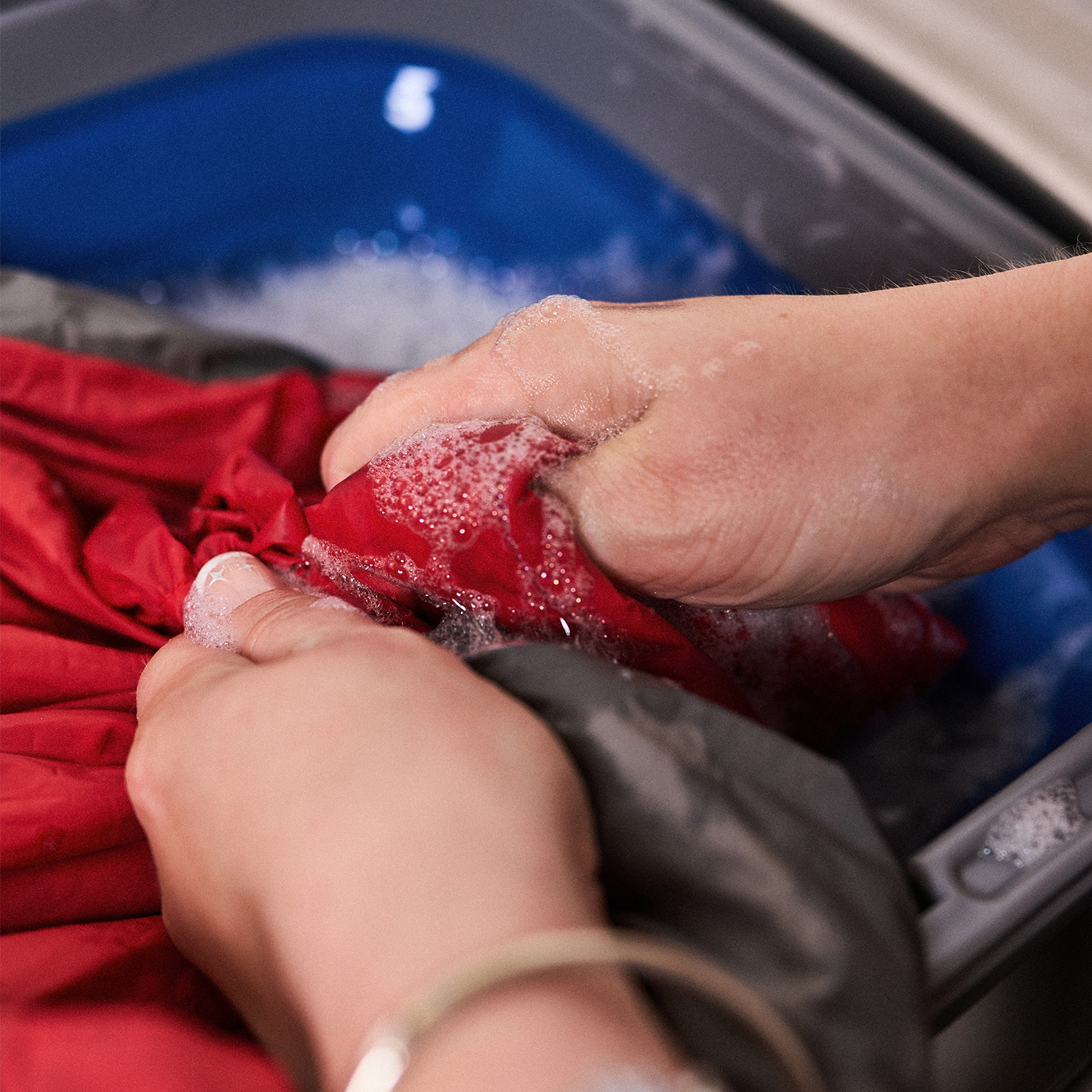
Hand Washing Techniques
Washing sleeping bags by hand keeps them safe and clean. It uses gentle care to avoid damage.
This method is perfect for delicate fabrics and down-filled bags. You need some time and patience.
Preparing A Cleaning Solution
Use a large tub or bathtub to mix warm water with a gentle cleaner. Avoid harsh detergents or bleach.
- Fill tub with water between 30-40°C (86-104°F).
- Add a small amount of mild soap made for down or delicate fabrics.
- Stir to dissolve the soap completely.
- Make sure the solution is not too soapy to prevent residue.
Gentle Scrubbing Techniques
Place the sleeping bag in the water and press it gently. Avoid rubbing hard or twisting the fabric.
| Action | Reason |
| Press and squeeze | Helps remove dirt without damage |
| Use soft brush or cloth | Clears stubborn spots gently |
| Do not wring or twist | Prevents fabric tearing and filling clumping |
Rinsing Thoroughly
Drain the soapy water and refill the tub with clean, cool water. Rinse the sleeping bag by pressing it several times.
- Repeat rinsing until no soap remains.
- Gently press out water, do not wring.
- Use a clean towel to soak extra water if needed.
Drying Methods For Sleeping Bags
Drying your sleeping bag properly helps keep it warm and fluffy. Using the right drying method protects its materials and shape.
Different materials need different care. This guide explains safe drying tips for your sleeping bag.
Air Drying Tips
Air drying is gentle and safe for all sleeping bags. Choose a clean, dry place with good airflow.
Keep the sleeping bag spread out or hang it loosely. Avoid direct sunlight to prevent fabric damage.
- Use a clothesline or drying rack
- Turn the bag occasionally to dry evenly
- Keep it away from heat sources like radiators
- Allow enough time to dry completely
Using A Dryer Safely
Dryers can speed up drying but need careful use. Choose a low heat or air fluff setting to protect the bag.
Add clean tennis balls or dryer balls to help keep the insulation fluffy. Check the sleeping bag’s care label first.
- Use low or no heat settings
- Remove the bag before it feels hot
- Use dryer balls to prevent clumping
- Pause drying to shake and fluff the bag
Avoiding Common Drying Mistakes
Some drying mistakes can damage your sleeping bag. Avoid these to keep your bag in good shape.
- Do not dry in direct sunlight for long
- Avoid high heat that melts synthetic fibers
- Don’t fold or compress the bag when wet
- Never use fabric softener or bleach
- Do not rush drying; a damp bag may smell
Maintaining Freshness Between Washes
Sleeping bags need care to stay fresh without frequent washing. Washing too often can harm insulation and fabric. Using simple habits can keep them clean longer.
Focus on good storage, liners, and spot cleaning. These methods help maintain freshness and extend the life of your sleeping bag.
Proper Storage Solutions
Store your sleeping bag in a dry, cool place. Avoid tight compression bags for long storage. Use a large breathable sack or hang it to keep loft and freshness.
- Keep away from direct sunlight to prevent fabric damage
- Ensure the storage area is dry to stop mold growth
- Use a loose cotton storage sack instead of a tight stuff sack
- Hang the sleeping bag if possible to maintain loft
Using Liners And Covers
Liners protect your sleeping bag from dirt and sweat. They reduce the need for washing. Liners come in different materials like cotton or silk.
| Type of Liner | Benefits |
| Cotton | Soft and breathable, easy to wash |
| Silk | Lightweight and moisture-wicking |
| Fleece | Extra warmth in cold weather |
Spot Cleaning Techniques
Spot cleaning keeps your sleeping bag fresh without full washing. Use mild soap and water for small stains. Avoid harsh scrubbing to protect fabric.
- Mix mild soap with warm water
- Use a soft cloth or sponge to dab the stain
- Rinse the cleaned spot gently with water
- Let the sleeping bag dry completely before storing
Troubleshooting Washing Issues
Washing sleeping bags can be tricky. Some problems may appear after cleaning.
Knowing how to fix these problems helps keep your bag fresh and comfy.
Dealing With Odors
Sleeping bags may keep bad smells even after washing. This usually happens if dirt or sweat stays inside the fibers.
- Use a gentle detergent that fights odors.
- Add a cup of white vinegar to the rinse cycle to kill smells.
- Air dry the bag in fresh sunlight to remove lingering odors.
- Store the bag dry and loose to prevent smells from building up again.
Handling Stubborn Stains
Stains on sleeping bags need special care. Treat stains before washing for best results.
| Stain Type | Pre-Treatment | Washing Tip |
| Grease | Apply dish soap directly | Use warm water wash |
| Dirt | Brush off dry dirt first | Use gentle cycle |
| Blood | Soak in cold water | Use enzyme detergent |
Addressing Clumping And Lumps
Clumps happen when the filling sticks together. This reduces warmth and comfort.
- After washing, use clean tennis balls in the dryer to break up lumps.
- Shake the bag often while drying to spread the filling evenly.
- If clumps remain, hand-fluff the filling to separate it.
- Store the bag loosely to keep the filling from compressing.
Credit: www.ellis-brigham.com

Credit: alpkit.com
Frequently Asked Questions
How Often Should You Wash A Sleeping Bag?
Wash your sleeping bag after every 3-5 uses or when it smells or looks dirty. Frequent washing can damage insulation, so spot clean when possible.
Can You Machine Wash All Sleeping Bags?
Most synthetic sleeping bags can be machine washed on a gentle cycle. Down bags need special care with mild detergent and low spin speed.
What Detergent Is Best For Washing Sleeping Bags?
Use a mild, non-detergent soap designed for outdoor gear. Avoid regular detergents, bleach, or fabric softeners as they harm insulation and fabric.
Should You Dry Or Air Dry A Sleeping Bag?
Air drying is safest to preserve insulation and fabric. Use a large dryer on low heat if air drying isn’t possible, adding clean tennis balls to fluff.
Conclusion
Washing your sleeping bag keeps it clean and fresh for every trip. Use gentle soap and cool water to protect its materials. Always dry it completely before storing to avoid mold and bad smells. Small care steps extend your sleeping bag’s life and comfort.
Clean bags help you sleep better outdoors. Take time to follow these easy washing tips. Your adventures will thank you.