Winter is coming, and your window air conditioner needs some care before the cold sets in. If you leave it outside without protection, it can get damaged or stop working properly next summer.
But don’t worry—winterizing your window air conditioner is easier than you think. You’ll learn simple steps to protect your unit from harsh weather and save money on repairs. Keep reading to find out how to keep your air conditioner safe all winter long.

Credit: thefurnaceoutlet.com
Why Winterize Your Ac
Winterizing your window air conditioner helps avoid damagecaused by cold weather. Water left inside can freeze and break parts. Covering the unit keeps out snow, ice, and debris. This protection extends the life of your AC.
Saving energy costs is another benefit. A sealed unit stops cold air from entering your home. This keeps your house warmer and reduces heating bills. Proper winterization means less work for your heater.
When To Start Winterizing
Winterizing a window air conditioner should be done before cold weather starts. The ideal timingis after the last use in fall but before the first frost. This helps prevent damage from freezing temperatures.
Weather considerationsplay a big role. Wait until outside temperatures stay below 60°F (15°C) at night. This ensures the unit is no longer needed for cooling. Also, avoid winterizing during rainy or snowy days to keep the process dry and effective.
- Check local weather forecasts for frost dates.
- Prepare the unit on a dry, calm day.
- Complete winterizing before heavy snow arrives.
Gathering Necessary Tools
Gathering the right tools is essential for winterizing your window air conditioner. Protective covers help shield the unit from snow, rain, and dust. These covers come in various materials, like plastic or fabric, to suit different climates.
Cleaning supplies are also important. Use a soft cloth, mild detergent, and a brush to remove dirt and debris. Cleaning prevents mold and keeps the unit ready for use next summer.
- Protective Covers:Durable, water-resistant, and easy to install.
- Cleaning Supplies:Soft cloth, mild soap, small brush, and vacuum.
Step-by-step Winterizing Process
Turn offthe unit and unplugit from the power source. This stops any electrical risks and prepares the unit for removal.
Removethe air conditioner carefully from the window. Handle it gently to avoid damage to the unit or window frame.
Cleanall parts with a soft cloth and mild detergent. Remove dust, dirt, and any debris inside and outside the unit.
Drythe unit completely to prevent mold and rust. Let it air dry or use a dry cloth for faster results.
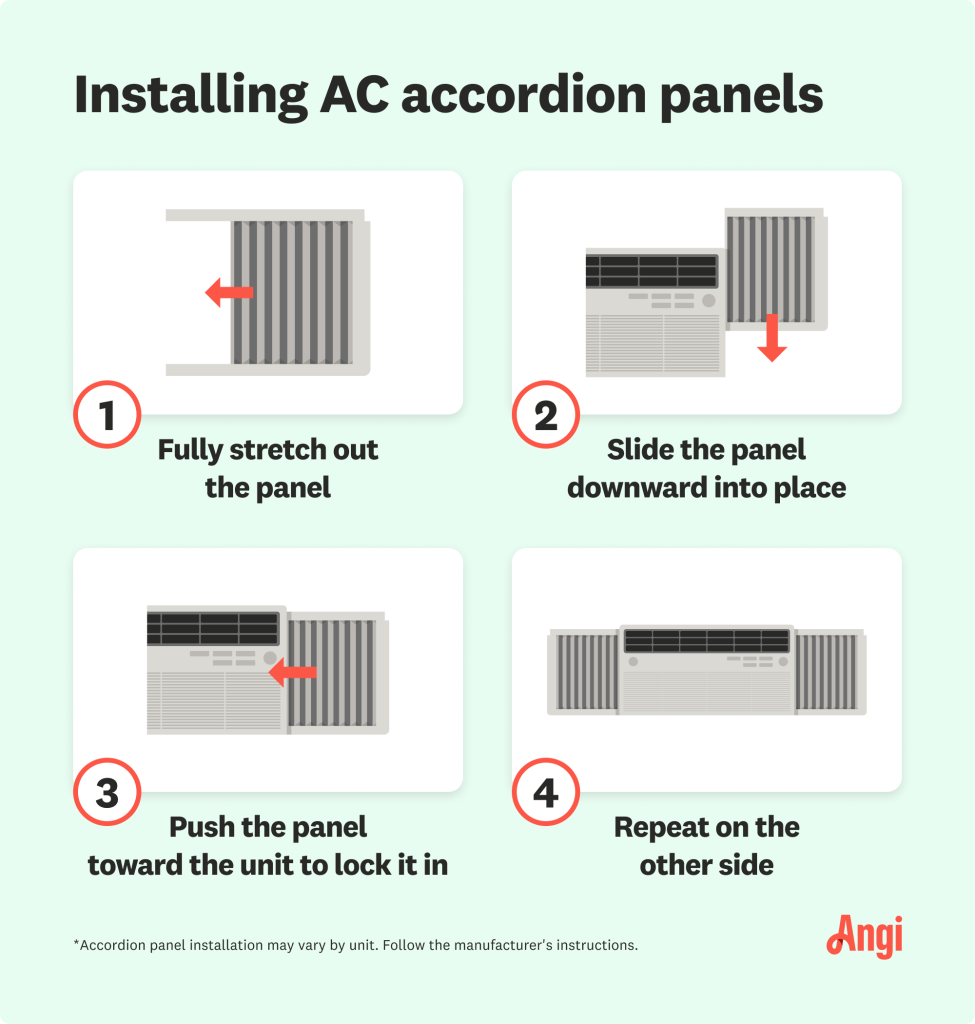
Apply sealantsaround the window frame to block cold air and moisture. This keeps your home warm and protects the unit.
Use insulation coversdesigned for window air conditioners. These covers protect the unit from winter weather and help save energy.
Storage Tips For Off-season
Choose a dry and cool placeto store your window air conditioner. Avoid spots that get direct sunlightor have high humidity. A garage or basement often works well.
Keep the unit off the floorto prevent water damage. Use a shelf or sturdy table. Position the air conditioner upright, like how it sits in the window. This helps protect the internal parts from damage during storage.
Cover the air conditioner with a cloth or plastic sheetto keep dust and dirt away. Do not seal it tightly, as some air circulation is needed to avoid mold growth.
Common Mistakes To Avoid
Ignoring moisturecan cause serious damage to your air conditioner. Water left inside can freeze and crack parts. It also leads to mold and bad smells. Always remove moisture before storing the unit.
Skipping cleaningleaves dirt and dust inside. This dirt can block airflow and reduce efficiency. Clean the filters, coils, and outside. A clean unit works better and lasts longer.
Improper coveringlets dust and pests enter the air conditioner. Use a proper, breathable cover to protect it. Avoid plastic covers that trap moisture and cause rust.
Preparing For Next Summer
Check the air conditioner’s filterfirst. Clean or replace it for better airflow. Look for any damageor cracks on the unit’s body. These can cause air leaksand reduce efficiency.
Examine the cord and plugfor any signs of wear. Make sure the drain holesare clear to avoid water buildup. Test the unit briefly to see if it runs smoothly.
- Check the filter for dirt and clean it.
- Inspect the unit’s body for cracks or holes.
- Look at the power cord and plug for damage.
- Clear any blocked drain holes.
- Run the unit to ensure proper operation.

Credit: thefurnaceoutlet.com

Credit: www.youtube.com
Frequently Asked Questions
How Do You Prepare A Window Ac For Winter?
First, unplug and remove the unit carefully. Clean the filters and coils thoroughly. Cover it with a weatherproof cover to prevent moisture and debris damage.
Should You Remove The Window Ac During Winter?
Removing the AC is ideal for better insulation. It prevents drafts and saves energy. However, if removal is difficult, proper sealing and covering can protect the unit.
How Do You Seal A Window Ac For Winter?
Use foam insulation or weatherstripping around the unit edges. Seal gaps with caulk or tape. This keeps cold air out and maintains indoor warmth.
Can Winterizing A Window Ac Extend Its Lifespan?
Yes, winterizing protects the unit from moisture, dust, and cold damage. Proper care prevents corrosion and mechanical issues, ensuring better performance and longer lifespan.
Conclusion
Winterizing your window air conditioner protects it during cold months. Clean the unit and remove any debris first. Cover it with a weatherproof cover to keep out moisture. Seal gaps around the unit to stop cold air and pests. Store any removable parts inside to avoid damage.
These simple steps save money and extend your unit’s life. Ready for next summer with less hassle. Taking care now means less repair later. Easy to do and worth the effort.