Have you ever wondered how your home stays warm and cozy during chilly days? Understanding how a boiler heating system works can give you the power to keep your space comfortable and efficient.
Whether you’re curious about saving on energy bills or just want to know what’s behind that steady warmth, this guide will break it down for you in simple terms. By the end, you’ll see your heating system in a whole new light—and maybe even spot ways to make it work better for you.
Let’s dive in and uncover the magic inside your boiler heating system.

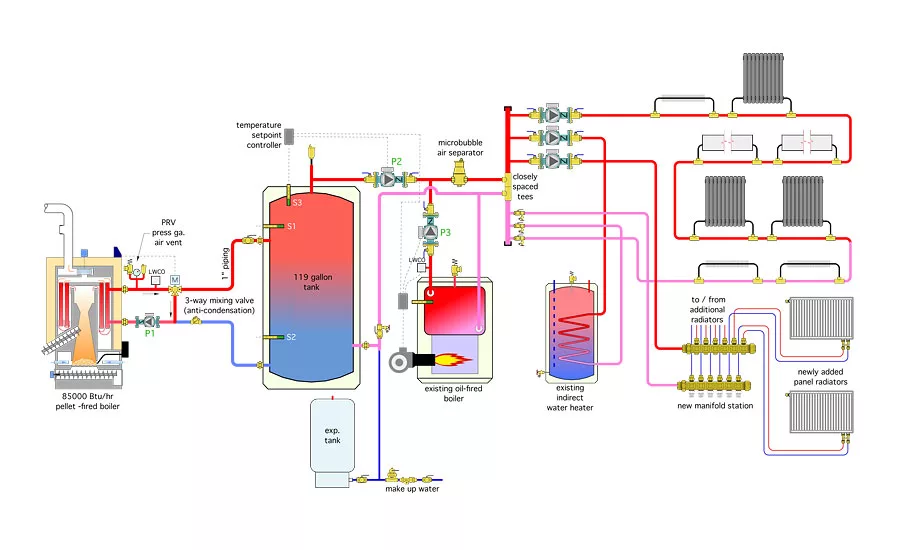
Credit: www.dedietrich-heating.com
Boiler Heating Basics
A boiler heating system warms your home by heating water. This hot water or steam moves through pipes to heat radiators or underfloor heating. Boilers use fuel to create heat efficiently.
Understanding the parts and types of boilers helps you know how they work. This guide explains key components and common boiler types.
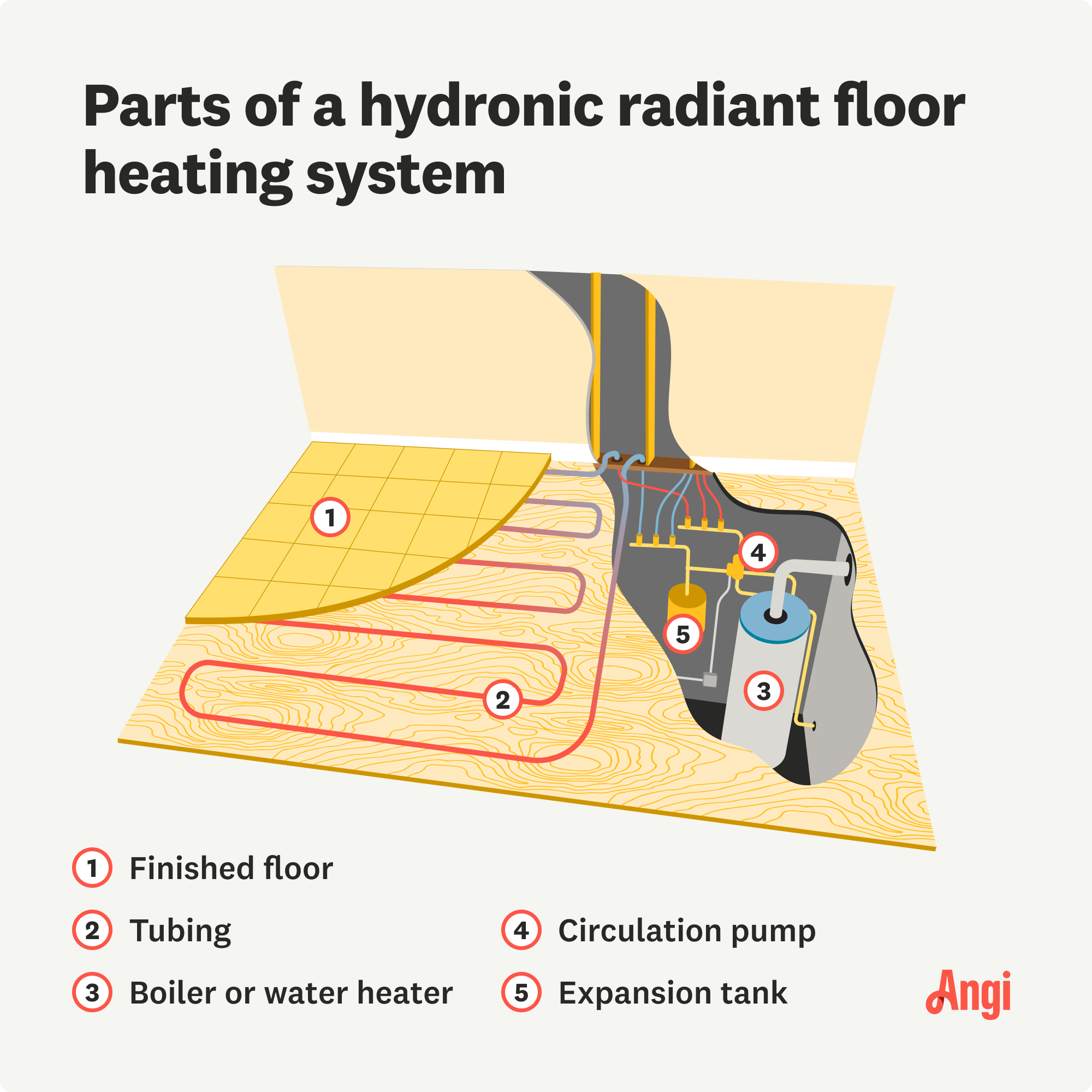
Key Components
Boilers have several important parts that work together to heat your home. Each part has a special role in the heating process.
- Burner:Burns fuel to create heat.
- Heat Exchanger:Transfers heat from the burner to the water.
- Circulator Pump:Moves hot water through pipes.
- Thermostat:Controls the temperature by turning the boiler on or off.
- Expansion Tank:Absorbs extra water pressure from heating.
- Flue:Removes gases safely outside.
Types Of Boilers
There are different boilers designed for various heating needs. Each type has unique features.
| Type | Description |
| Combi Boiler | Heats water on demand without a tank. Good for small homes. |
| System Boiler | Uses a tank for hot water storage. Works well for larger homes. |
| Conventional Boiler | Has separate tanks for hot water and heating. Common in older houses. |
Credit: www.angi.com
Heat Generation Process
A boiler heating system creates heat that warms up a building. It uses fuel and turns it into heat energy. This process happens inside the boiler unit.
The heat generation process has two main parts. First, fuel burns to make heat. Second, the heat moves to the water or air used to warm the space.
Fuel Combustion
Fuel combustion is the burning of fuel to produce heat. Boilers use fuels like natural gas, oil, or coal. The fuel mixes with air and burns inside the boiler’s combustion chamber.
- The fuel burns and releases heat energy.
- Burning creates hot gases called flue gases.
- Flue gases transfer heat to the boiler’s water or heat exchanger.
- Proper air and fuel mix is important for clean burning.
- Exhaust gases leave the boiler through a chimney or vent.
Heat Transfer Methods
Heat moves from the burning fuel to the water or air in the boiler. There are three main heat transfer methods. These are conduction, convection, and radiation.
| Method | Description |
| Conduction | Heat moves through solid metal parts of the boiler. |
| Convection | Heat transfers by moving hot gases or liquids inside the boiler. |
| Radiation | Heat radiates as infrared waves from the hot surfaces. |
Water Circulation System
A boiler heating system uses water to move heat through your home. The water circulation system moves hot water from the boiler to the rooms.
This system helps keep your house warm by sending hot water through pipes and radiators. It then returns cooler water back to the boiler to reheat.
Pipes And Radiators
Pipes carry hot water from the boiler to radiators in each room. Radiators give off heat to warm the air around them.
After the water cools down, it travels back through the pipes to the boiler. This cycle keeps repeating to keep the house warm.
- Pipes connect the boiler and radiators
- Radiators spread heat into rooms
- Water cools down as it moves through radiators
- Cooled water returns to the boiler to heat again
Pump Operation
The pump moves water through the pipes and radiators. It keeps water flowing so heat spreads evenly in the home.
The pump works quietly and uses little energy. If the pump stops, water stops moving and rooms can get cold.
- Pump pushes hot water through the system
- Ensures even heat distribution
- Operates quietly and efficiently
- Stops working means no heat circulation
Credit: www.enel.it
Thermostat And Controls
The thermostat and controls guide the boiler heating system. They help keep rooms at the right temperature. The system turns on and off based on settings.
These parts make sure the home stays warm and safe. They adjust heat and protect the system from damage.
Temperature Regulation
The thermostat senses the room temperature. It sends signals to the boiler to start or stop heating. This keeps the temperature steady and comfortable.
- Set your desired temperature on the thermostat.
- The thermostat checks the room’s current temperature.
- If the room is cold, the boiler turns on to heat water.
- When the room warms up, the boiler shuts off.
- This cycle repeats to keep the room cozy.
Safety Features
Controls also include safety tools to avoid accidents. They stop the boiler if there is a problem or danger.
| Safety Feature | Function |
|---|---|
| Pressure Relief Valve | Releases extra pressure to prevent explosions |
| Temperature Limit Switch | Turns off boiler if water gets too hot |
| Flame Sensor | Detects flame and shuts off fuel if flame is lost |
| Automatic Shutoff | Stops system during electrical faults or leaks |
Common Boiler Issues
Boiler heating systems keep homes warm by heating water. This hot water flows through pipes to radiators or underfloor heating.
Like any machine, boilers can have problems. Knowing common issues helps you act fast and stay safe.
Signs Of Trouble
Boilers show warning signs before they stop working. Spotting these signs early can save money and prevent damage.
- The boiler makes strange noises like banging or whistling
- Radiators do not get warm or heat unevenly
- Water leaks appear around the boiler or pipes
- The boiler pressure is too low or too high
- The pilot light keeps going out or won’t light
- The boiler turns on and off too often
- There is a strange smell near the boiler
Maintenance Tips
Regular care keeps boilers working well and lasts longer. Follow these simple maintenance tips for safety and comfort.
- Check the pressure gauge monthly to keep it in the right range
- Bleed radiators to remove trapped air for better heat
- Inspect the boiler and pipes for leaks or rust
- Keep the area around the boiler clean and free of clutter
- Schedule an annual service by a qualified heating engineer
- Test carbon monoxide alarms regularly for safety
Energy Efficiency Tips
Boiler heating systems use water or steam to warm your home. Saving energy helps lower bills and reduces waste.
Small changes can improve how well your boiler works. Learn easy tips to make your system more efficient.
Upgrading Your System
Older boilers often use more energy than newer models. Upgrading to a modern boiler can save money and energy.
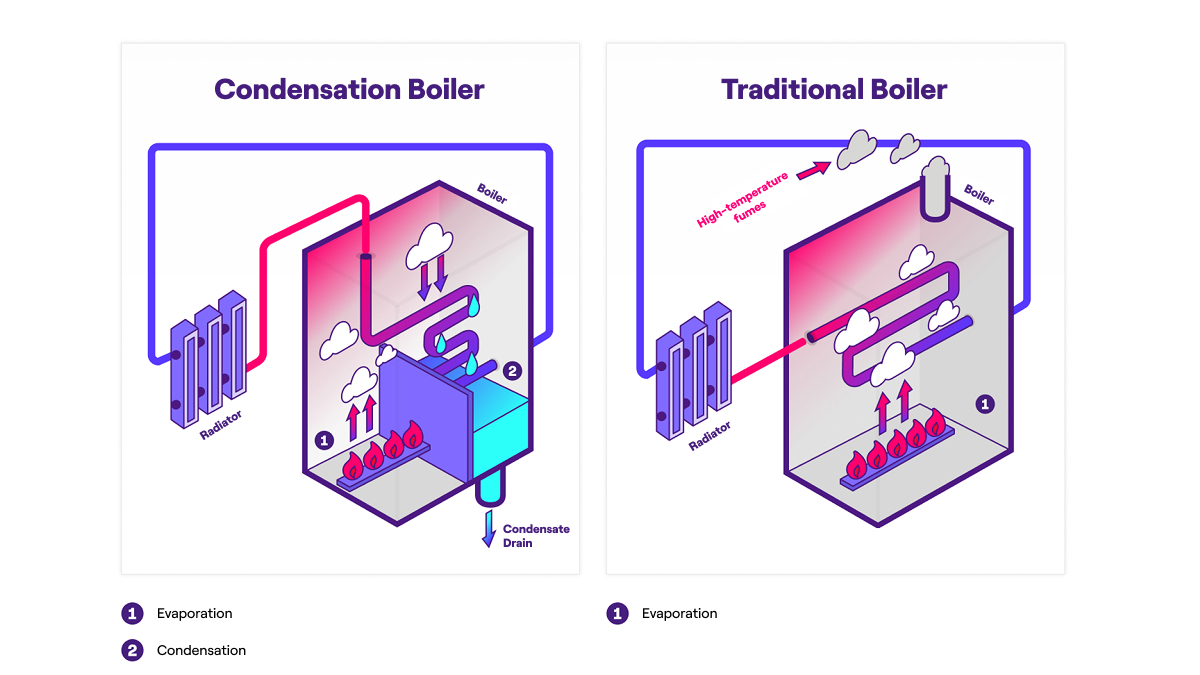
Look for boilers with a high efficiency rating. Condensing boilers use heat better and waste less fuel.
- Choose boilers with an energy efficiency label
- Consider a condensing boiler for better heat use
- Use a programmable thermostat to control heating
- Regularly maintain your boiler for best performance
Insulation Benefits
Good insulation keeps warm air inside your home. It helps your boiler use less energy to keep rooms warm.
Seal gaps around windows and doors. Add insulation to walls, floors, and ceilings to reduce heat loss.
- Use weatherstripping on doors and windows
- Install foam or fiberglass insulation in walls
- Add pipe insulation to prevent heat loss
- Check attic and basement insulation levels
Frequently Asked Questions
How Does A Boiler Heating System Generate Heat?
A boiler heats water using gas, oil, or electricity. The heated water turns into steam or hot water. This heat transfers through pipes to radiators, warming your home efficiently and evenly.
What Are The Main Components Of A Boiler System?
A boiler system includes a burner, heat exchanger, pump, expansion tank, and controls. The burner heats water, the pump circulates it, and controls regulate temperature and pressure for safe operation.
How Is Heat Distributed In A Boiler Heating System?
Heat is distributed via pipes carrying hot water or steam. Radiators or underfloor systems release heat into rooms. This method ensures consistent warmth throughout the building.
What Types Of Boilers Are Commonly Used In Homes?
Common boilers include combi, system, and conventional boilers. Combi boilers provide instant hot water. System boilers use a separate water tank. Conventional boilers have a hot water cylinder and cold water tank.
Conclusion
A boiler heating system moves heat through water or steam. It warms your home by sending hot water to radiators or pipes. The boiler heats water using gas, oil, or electricity. This process keeps rooms cozy during cold months. Regular maintenance helps the system work well and last longer.
Understanding how it works can help you use it wisely. Stay warm and save energy by knowing your boiler’s basics. Simple, reliable heat for your comfort every day.