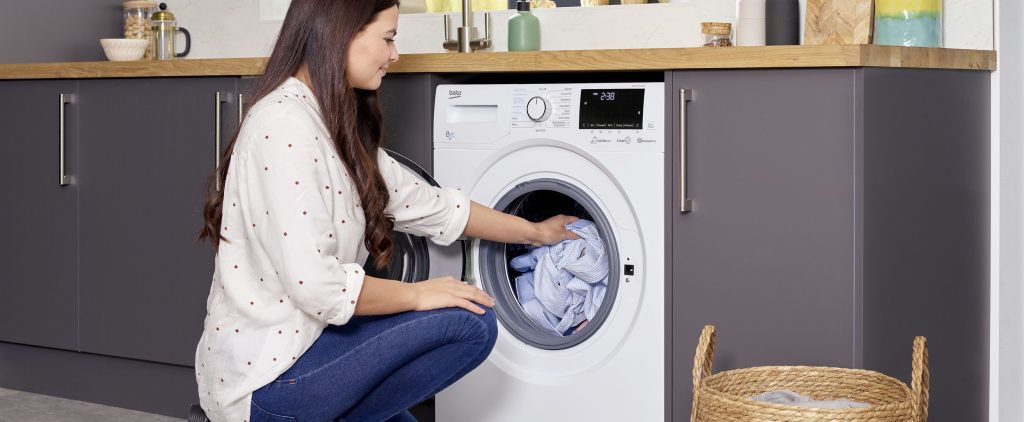
Have you ever wondered how a combination washer and dryer actually works? If you’re tired of juggling two machines and want to save space, this single appliance might be just what you need.
But understanding how it cleans and dries your clothes in one go can be a bit confusing. You’ll discover the simple magic behind these machines and learn how they make laundry easier for you. Keep reading, because by the end, you’ll see why a combo washer-dryer could be the perfect addition to your home.
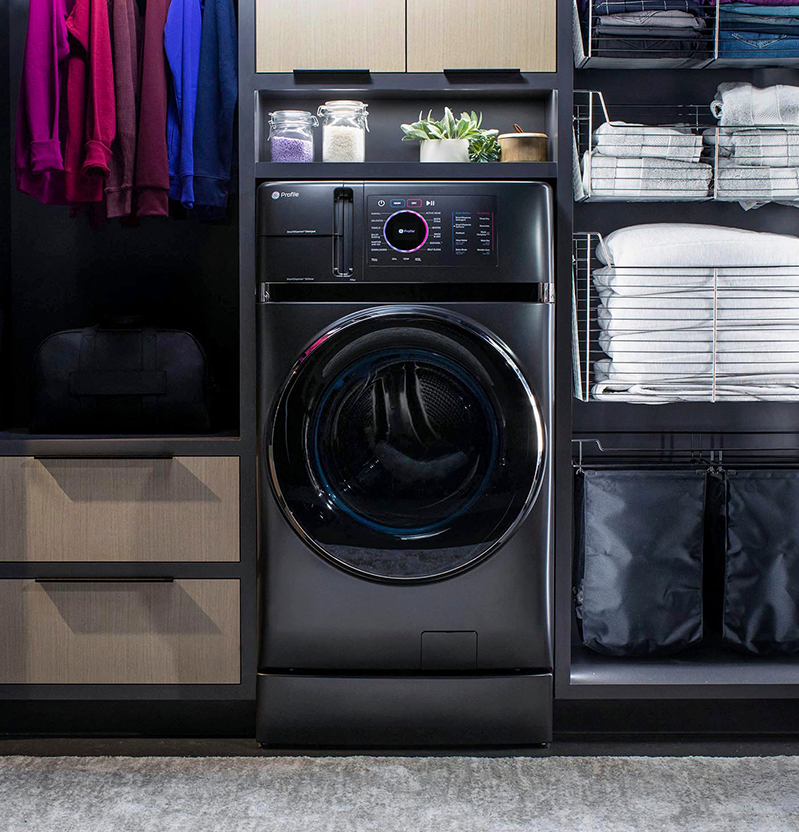
Credit: blog.yaleappliance.com
How Combination Washers And Dryers Operate
Combination washers and dryers are appliances that wash and dry clothes in one unit. They save space by combining both functions.
These machines use clever designs to handle washing and drying without needing two separate devices.
Basic Components
A combination washer and dryer has key parts that work together to clean and dry clothes. The drum holds the clothes during washing and drying.
The water inlet lets water in, while the drain removes dirty water. Heating elements warm the air for drying. Motors spin the drum for washing and drying.
- Drum for holding clothes
- Water inlet and drain system
- Heating elements for drying
- Motor to spin the drum
- Control panel to set cycles
Washing Cycle Process
The washing cycle starts by filling the drum with water. The machine adds detergent to clean the clothes.
The motor spins the drum gently to wash the clothes. Dirty water drains out after the wash, and the drum spins fast to remove excess water.
- Fill drum with water and detergent
- Spin drum to wash clothes
- Drain dirty water
- Spin drum fast to remove water
Drying Cycle Process
After washing, the machine heats air inside the drum. Warm air dries the clothes by removing moisture.
The drum spins slowly to let air reach all clothes. The machine vents out wet air or uses a condenser to collect water. The drying stops when clothes are dry.
- Heat air inside the drum
- Spin drum slowly to dry clothes
- Remove wet air or collect water
- Stop drying when clothes are dry
Types Of Combination Washer-dryers
Combination washer-dryers save space by washing and drying clothes in one machine. They come in several types based on how they dry clothes. Each type has its own way of removing moisture.
Understanding these types helps you choose the right model for your home and laundry needs.
Vented Models
Vented models dry clothes by blowing hot air through the drum. The moist air exits through a vent or duct outside the house. These machines need an external vent to work properly.
They are usually less expensive but require space for vent installation. You must place them near an outside wall.
Condenser Models
Condenser models do not need an external vent. They use a heat exchanger to cool the moist air and turn the water into liquid. The water drains out or collects in a container.
- No vent installation needed
- Can be placed anywhere in the home
- Usually cost more than vented models
- May use more energy to dry clothes
Heat Pump Models
Heat pump models recycle heat to dry clothes. They use a pump to move warm air inside the machine. This method uses less energy than vented or condenser types.
| Feature | Heat Pump Models |
|---|---|
| Energy Use | Low |
| Drying Time | Longer than others |
| Placement | No vent needed |
| Cost | Higher initial price |
Space And Energy Efficiency
Combination washers and dryers save space by joining two machines into one. They help people with small homes or apartments.
These machines also use energy wisely. They dry and wash clothes without using too much power or water.
Compact Design Benefits
Combination washer and dryer units have a small footprint. They fit in tight places like closets or corners easily.
This design frees up room for other uses. It also reduces the need for extra hookups and plumbing.
- Fits small apartments and condos
- Combines washing and drying in one spot
- Reduces clutter and saves floor space
- Easy to install in limited areas
Energy Consumption Comparison
Combo units use less energy than separate machines. They run cycles that combine washing and drying efficiently.
Using one machine means less electricity for motors and heaters. The dryer part heats only as needed to save power.
| Type | Energy Use per Load (kWh) |
|---|---|
| Separate Washer + Dryer | 4.5 |
| Combination Washer-Dryer | 3.2 |
Water Usage Insights
Combination machines use water carefully. They reuse water during cycles to reduce waste.
These units also adjust water levels based on the load size. This saves water compared to older machines.
- Recycles rinse water for washing
- Uses sensors to match water amount to clothes
- Reduces water use by up to 30% compared to older washers
Key Features To Consider
Choosing a combination washer and dryer needs thought. These machines save space by washing and drying clothes in one unit. It is important to know what features suit your needs best.
Understanding the key features helps you pick the right model. This guide covers capacity, cycle options, and maintenance requirements.
Capacity And Load Size
The size of the drum decides how much laundry you can do at once. Larger capacity means fewer loads but needs more space and water.
| Capacity (Cubic Feet) | Recommended Load Size |
| 1.5 – 2.0 | Small families or singles |
| 2.1 – 2.5 | Couples or small families |
| 2.6 and above | Larger families or heavy laundry |
Cycle Options And Settings
Different cycles help clean various fabrics well. Look for machines with multiple wash and dry settings.
- Delicate cycles for fragile clothes
- Quick wash for lightly soiled items
- Heavy-duty for tough stains
- Eco modes to save water and energy
- Customizable drying times
Maintenance Requirements
Regular care extends the machine’s life. Some models need more upkeep than others.
Maintenance tips include:
- Clean the lint filter after every dry cycle
- Run a cleaning cycle monthly to remove detergent buildup
- Check hoses and connections for leaks
- Use recommended detergents to avoid damage
Common Challenges And Solutions
Combination washer and dryer units save space by washing and drying clothes in one machine. They are handy but come with some challenges. Knowing these challenges helps users get better results.
This guide covers common issues like cycle time, performance limits, and troubleshooting tips. Each section explains the problem and offers simple solutions.
Cycle Duration
Combination units take longer to finish a full wash and dry cycle than separate machines. This is because the machine switches between washing and drying in one drum.
Longer cycles can be inconvenient, especially for busy households. Knowing the typical cycle length helps plan laundry times better.
- Most cycles last between 2 to 4 hours.
- Drying takes more time than a standalone dryer.
- Heavy or large loads increase cycle duration.
- Using quick wash or dry settings can shorten time.
Performance Limitations
Combination washers and dryers have limits on load size and drying ability. They may not clean or dry very large or heavy items well.
Users should avoid overloading the machine and choose the right cycle for their laundry type to improve results.
- Do not exceed the recommended load size.
- Use the machine for everyday clothes, not bulky items.
- Dry smaller loads for better drying performance.
- Clean filters regularly to keep the machine efficient.
Troubleshooting Tips
Combination units may face issues like poor drying, error codes, or water drainage problems. Simple fixes often solve these problems without calling a technician.
Regular maintenance and knowing basic troubleshooting steps help keep the machine running smoothly.
- Check and clean lint filters after each use.
- Make sure the water drain hose is not clogged.
- Use the correct amount of detergent to avoid build-up.
- Reset the machine by turning it off and on if error codes appear.
- Refer to the user manual for specific error code meanings.
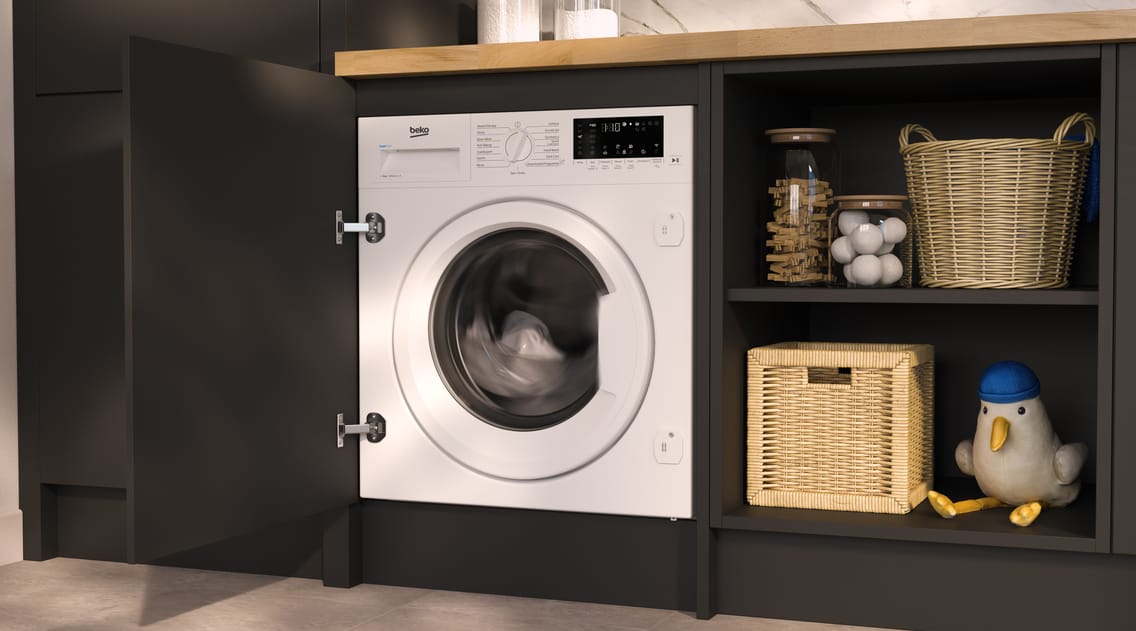
Credit: www.beko.co.uk
Choosing The Right Combination Washer-dryer
Combination washer-dryers save space and offer convenience. They wash and dry clothes in one machine.
Choosing the right model depends on your household needs, budget, and brand preferences. Let’s explore these factors.
Assessing Household Needs
Consider the size of your family and laundry habits. A larger family may need a bigger capacity machine.
- Small families: Look for compact models.
- Large families: Opt for higher capacity units.
- Frequent washers: Check for quick wash cycles.
Budget Considerations
Budget is a key factor in selecting a washer-dryer. Prices vary based on features and capacity.
| Type | Estimated Cost |
| Basic Model | $600 – $800 |
| Mid-range Model | $800 – $1200 |
| High-end Model | $1200 – $2000 |
Brand And Warranty Factors
Brands offer different features and reliability. Check for warranties to ensure long-term support.
Research customer reviews online to understand brand reputation. A good warranty can offer peace of mind.
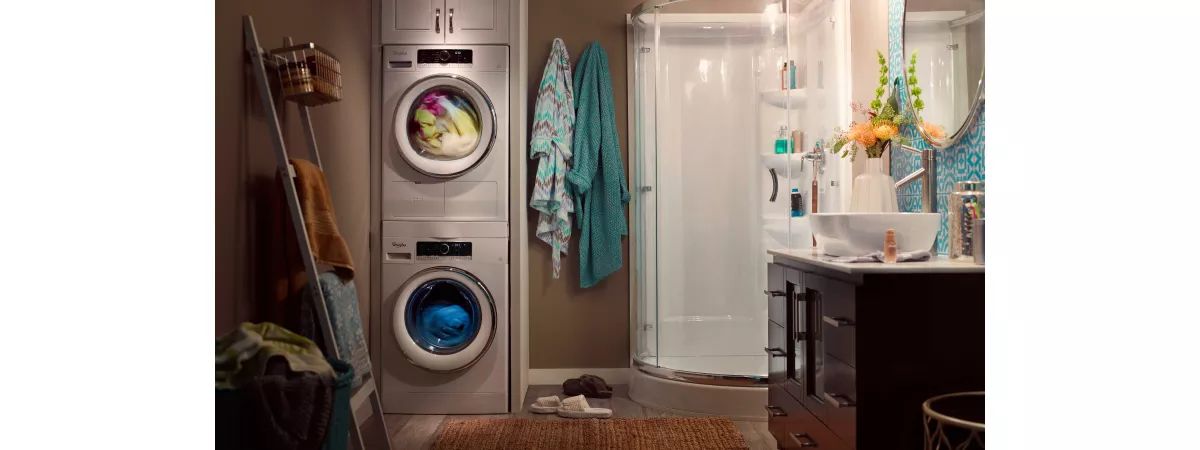
Credit: www.whirlpool.ca
Frequently Asked Questions
How Does A Combination Washer And Dryer Save Space?
A combination washer and dryer combines washing and drying in one unit. It saves space by eliminating the need for separate machines. This is ideal for small homes, apartments, or places with limited laundry areas.
Can A Combo Washer And Dryer Handle Large Loads?
Combo units are designed for moderate loads, typically smaller than separate machines. They work best for small to medium laundry loads. For very large items, a separate washer and dryer may be more efficient.
How Long Does A Combo Washer And Dryer Cycle Take?
Combo machines usually take longer than separate units. Wash and dry cycles combined can last from 1. 5 to 3 hours. The extended time is due to the machine performing both functions in one cycle.
Are Combo Washer And Dryers Energy Efficient?
Yes, most combo washers and dryers are energy efficient. They use less water and electricity compared to running separate machines. This helps reduce utility bills and environmental impact.
Conclusion
A combination washer and dryer saves space and time. It cleans and dries clothes in one machine. You can wash small loads without moving clothes. The machine uses less water and energy. It fits well in apartments or small homes.
Maintenance is simple if you follow instructions. Choosing the right model matters for your needs. This appliance offers convenience for everyday laundry tasks. Consider it if you want a compact laundry solution. It makes laundry easier and more efficient overall.