Imagine cooking in your kitchen without the intrusive presence of a bulky range hood hanging overhead. Sounds refreshing, right?
That’s where a downdraft cooktop comes into play. Have you ever wondered how it manages to pull away smoke and steam without a traditional vent? This innovative appliance not only elevates your kitchen’s aesthetics but also offers efficient ventilation in a clever, space-saving design.
As you read on, you’ll discover the fascinating mechanics behind this modern kitchen marvel and why it might just be the perfect addition to your home. Prepare to be amazed by the simplicity and efficiency of downdraft cooktops, and find out how they can transform your cooking experience.
Downdraft Cooktop Basics
The basics of a downdraft cooktop might surprise you with their clever design and space-saving benefits. Unlike traditional cooktops that rely on overhead ventilation, downdraft cooktops pull smoke and odors downwards. This unique setup helps keep your kitchen air clear without the need for bulky hoods.
Key Components
A downdraft cooktop typically includes three main parts working together smoothly:
- Cooktop surface:Where you place your pots and pans for cooking.
- Downdraft vent:Located near the back or side, this vent pulls the air downward.
- Exhaust system:Channels the captured smoke and steam away, either outside your home or through filters.
Each component plays a vital role in maintaining clean air without interrupting your kitchen’s design. Have you ever struggled with limited space above your stove? This setup might be the solution you didn’t know you needed.
How It Differs From Traditional Vents
Traditional vents sit above the cooktop, drawing smoke upward. This often requires a large hood that takes up space and can block sight lines in your kitchen.
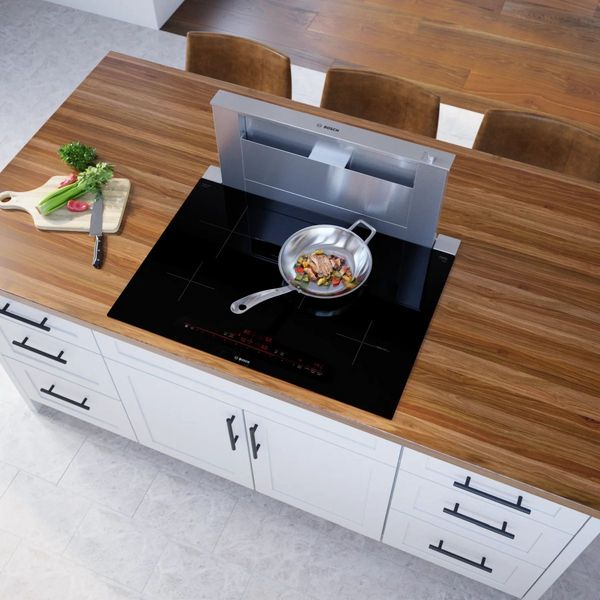
In contrast, downdraft vents pull air downward, hidden within the counter or cabinetry. This means no bulky hoods and a more open kitchen feel.
However, downdraft systems may have less power than overhead vents and sometimes struggle with very heavy smoke. Would you trade a bit of vent strength for a sleeker kitchen look?

Credit: linarie.com.au
Mechanics Of Airflow
Understanding the mechanics of airflow in a downdraft cooktop helps you appreciate how it keeps your kitchen air fresh. This system pulls smoke, steam, and odors downward, rather than letting them rise. The way air moves through the cooktop involves several key steps that work together seamlessly.
Air Intake Process
The process starts right at the cooktop surface. When you cook, the downdraft vent pulls air down through slots or grates near the burners.
This downward pull captures smoke and fumes before they spread across your kitchen. Unlike traditional overhead vents, it captures air right where it’s produced.
Filtration System
Once the air is drawn in, it passes through filters designed to trap grease and particles. Most downdraft cooktops use metal mesh filters that you can easily clean.
Some models include charcoal filters to reduce odors, ensuring the air released back into your kitchen smells fresh. The filters need regular maintenance to keep airflow strong and effective.
Exhaust Methods
After filtration, the air is either expelled outside through ductwork or recirculated back into the kitchen. External venting is more effective at removing heat and moisture.
If your kitchen setup limits vent installation, recirculation with charcoal filters is a practical alternative. Knowing your exhaust option helps you plan for installation and upkeep.
Installation Considerations
Installing a downdraft cooktop requires careful planning. It involves more than just placing the unit on your countertop. Proper installation ensures the cooktop works well and keeps your kitchen safe.
Consider the space needed for the downdraft system and how it fits your kitchen design. The vent must pull air efficiently without blocking other appliances or storage areas. Planning ahead avoids costly adjustments later.
Space Requirements
Downdraft cooktops need extra room below the countertop for the vent system. This space allows the vent to rise and draw smoke down effectively.
- Check cabinet depth and height before buying.
- Allow space for vent ductwork behind or under cabinets.
- Reserve room for electrical connections and controls.
Without enough space, the vent may not work properly. It could also limit storage options or damage nearby cabinets.
Compatibility With Kitchen Layouts
Downdraft cooktops work best in certain kitchen setups. They suit islands or peninsulas where a traditional hood is hard to install.
- Ideal for open kitchens with good airflow.
- May not fit well in small kitchens with tight cabinet space.
- Check if the vent can connect to existing ductwork or needs new paths.
Plan your kitchen design to ensure the downdraft fits without disrupting the flow. Consider how the vent system affects your cooking area and seating arrangements.
Efficiency Benefits
Understanding the efficiency benefits of a downdraft cooktop can change how you view your kitchen setup. These cooktops pull air directly down and out, which can improve your cooking environment in several practical ways. Let’s break down how this design helps with air quality, energy usage, and noise levels.
Improved Air Quality
Downdraft cooktops capture smoke, steam, and odors right at the source. This prevents them from spreading throughout your kitchen and home. You won’t have to worry about lingering smells or greasy buildup on walls and cabinets.
Imagine cooking a spicy meal without your whole house smelling like it for hours. This direct extraction keeps the air fresher and healthier for you and your family.
Energy Savings
Because downdraft cooktops pull air downwards and vent it efficiently, they often require less power than traditional overhead hoods. This means you can reduce your energy consumption without sacrificing ventilation quality.
Using less energy helps lower your utility bills and reduces your environmental footprint. Have you noticed your kitchen feels cooler while cooking with a downdraft system? That’s because heat doesn’t rise as much, cutting down on air conditioning use in warmer months.
Noise Reduction
Downdraft systems typically operate more quietly than ceiling-mounted hoods. The fan is often installed under the counter or in cabinetry, muffling the sound. This lets you cook and chat without raising your voice.
Consider how much more enjoyable meal prep is when you don’t have to compete with loud exhaust fans. A quieter kitchen can make cooking less stressful and more social.
Maintenance Tips
Maintaining a downdraft cooktop ensures it works efficiently and lasts longer. Regular care keeps the system clean and prevents issues. Focus on cleaning filters and troubleshooting common problems to keep your cooktop in top shape.
Cleaning Filters
Filters trap grease and smoke from cooking. Clean them often to avoid clogging and odors. Remove filters carefully following the manufacturer’s guide. Soak them in warm, soapy water for 15-20 minutes. Use a soft brush to scrub away grease gently. Rinse with clean water and dry completely before reinstalling. For metal filters, some models allow dishwasher cleaning. Check instructions to avoid damage.
Troubleshooting Common Issues
Downdraft cooktops can face common problems. Sometimes, the fan may not start or work at low speed. Check for blockages or dirty filters first. Ensure power supply and switches function properly. Strange noises often mean debris caught inside the fan. Turn off the unit and inspect carefully. If smoke or odors linger, clean filters and ducts thoroughly. Persistent issues may require professional help to avoid damage.

Credit: www.jennair.com
Comparing Downdraft To Overhead Venting
Downdraft and overhead venting are two popular options for kitchen ventilation. Each has distinct advantages and challenges. Understanding their differences helps in choosing the right system for your cooking space. The choice affects kitchen layout, air quality, and cooking comfort.
Performance Differences
Overhead vents pull smoke and steam upward. They work well in open kitchens with enough space above the cooktop. Downdraft vents draw air down through the cooktop surface. They are often less powerful but more discreet. Overhead vents tend to clear air faster and handle strong cooking odors better. Downdraft vents perform best with low to medium cooking tasks. They may struggle with heavy smoke or grease.
Aesthetic Impact
Downdraft venting keeps sightlines clear. No bulky hoods block the view or ceiling space. This creates a modern, sleek kitchen look. Overhead vents can be large and visually dominant. They often serve as a kitchen focal point. Some designs blend well with cabinetry, but others may feel heavy. Downdraft vents offer minimal visual disruption. Ideal for kitchens with limited space or open concepts.
Cost Factors
- Installation of overhead vents often requires ductwork in ceilings or walls.
- Downdraft systems usually need complex plumbing below the cooktop.
- Overhead vent setups can be costly due to structural changes.
- Downdraft units may cost more upfront but save space.
- Energy use varies; overhead vents often use stronger fans.
- Maintenance costs depend on filter type and cleaning frequency.
Popular Models And Features
Downdraft cooktops have grown in popularity due to their sleek design and effective ventilation. Many models offer unique features that enhance cooking and kitchen aesthetics. These cooktops blend function and style, fitting well into modern kitchens.
Choosing the right model means understanding the brands and technologies behind them. This section highlights popular models and the features they offer, helping you find the perfect fit.
Top Brands
- Bosch:Known for quiet operation and strong suction power.
- GE Appliances:Offers reliable models with easy controls and good air filtration.
- KitchenAid:Combines powerful ventilation with stylish design.
- JennAir:Premium build quality with advanced air cleaning features.
- Thermador:High-end models with innovative airflow systems and sleek finishes.
Innovative Technologies
- Perimeter Ventilation:Draws smoke and steam from the cooktop edges for better capture.
- Automatic Sensors:Detect smoke or heat levels and adjust fan speed.
- Quiet Operation:Advanced motors reduce noise during use.
- Retractable Vents:Pop up only when needed, keeping the cooktop surface clean.
- Multi-Speed Fans:Allow precise control over ventilation strength.
- Easy-to-Clean Filters:Removable and dishwasher-safe for convenience.
User Experiences
User experiences with downdraft cooktops reveal a mix of convenience and challenges. Many users appreciate the sleek design and the way it saves space. The built-in ventilation helps reduce smoke and odors efficiently. Cooking areas stay cleaner, which is a big plus for busy kitchens.
Some users find the noise level of the fan higher than expected. Others mention that cleaning the vent can be tricky and requires regular attention. Overall, the feedback highlights both practical benefits and areas for improvement.
Pros And Cons
- Pros:Saves overhead space, effective smoke removal, modern look.
- Cons:Can be noisy, requires frequent cleaning, may reduce countertop space.
- Pros:Easy to use controls, good for open kitchen layouts.
- Cons:Some models have weaker suction, not ideal for heavy cooking.
Real-life Testimonials
| User | Feedback |
|---|---|
| Emma, Home Chef | “Love how it clears steam fast. Keeps my kitchen fresh.” |
| Mark, Small Apartment Owner | “Great for tight spaces. Wish it was a bit quieter.” |
| Lily, Family Cook | “Cleaning the vent is a bit hard but worth it.” |
| David, Cooking Enthusiast | “Looks modern and works well for light cooking.” |
Credit: www.spencerstv.com
Frequently Asked Questions
What Is A Downdraft Cooktop And How Does It Work?
A downdraft cooktop has a built-in ventilation system below the cooking surface. It pulls smoke, steam, and odors down through vents, filtering and expelling them. This design eliminates the need for an overhead range hood, saving space and improving kitchen aesthetics.
Are Downdraft Cooktops Effective In Removing Cooking Fumes?
Yes, downdraft cooktops efficiently remove fumes by drawing them downward. However, their performance depends on proper installation and fan power. They work best with flat cookware and low-profile pots. For heavy smoke, additional ventilation may be needed.
Can Downdraft Cooktops Replace Traditional Range Hoods?
Downdraft cooktops can replace traditional hoods in kitchens with space limitations. They offer a sleek look and direct ventilation. However, they might not match the power of high-end range hoods, especially for heavy cooking or grilling.
What Are The Benefits Of Using A Downdraft Cooktop?
Downdraft cooktops save overhead space and enhance kitchen design. They reduce noise since fans are below the counter. Maintenance is easier with accessible filters. Plus, they help keep kitchen air cleaner by efficiently removing smoke and odors.
Conclusion
A downdraft cooktop pulls smoke and steam down through vents. This keeps your kitchen air clean and fresh. It works quietly and saves space. You get better cooking comfort without a big hood above. Many people like its neat, modern look.
Understanding how it works helps you choose the right cooktop. It fits well in small kitchens or islands. Simple to use and easy to clean. A smart choice for many home cooks.