Imagine cooking your favorite meal and keeping your kitchen fresh and odor-free without the need for complicated ductwork. Sounds too good to be true?
It’s not! A ductless range hood offers you this convenience and more. But how does a ductless range hood work its magic? You might be curious about the mechanics behind this modern kitchen marvel and how it can transform your cooking space.
We’ll demystify the inner workings of ductless range hoods and why they might be the perfect addition to your kitchen. Stick around to discover how this appliance can elevate your culinary experience while maintaining the air quality in your home.
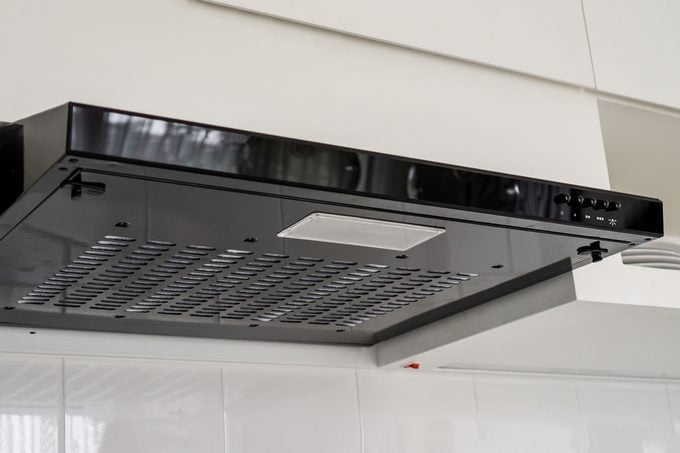
Credit: www.familyhandyman.com
Ductless Range Hood Basics
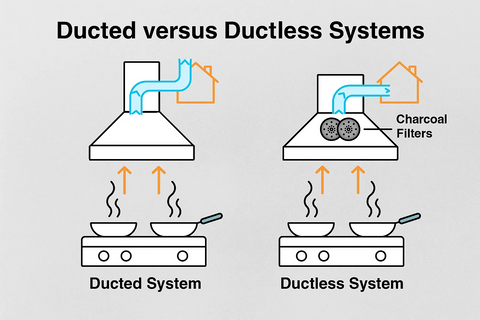
Ductless range hoods work differently than traditional vented models. Instead of pushing smoke and odors outside, they filter and recirculate the air back into your kitchen. Understanding the basics can help you decide if this type fits your cooking space and lifestyle.
Key Components
The heart of a ductless range hood is its fan, which pulls in cooking fumes and airborne grease. This fan is usually powered by a motor that controls the speed, so you can adjust how much air it moves.
Next, the filters capture grease, smoke, and odors before the air is sent back into the room. The quality and type of these filters directly affect how well the hood cleans your kitchen air.
Finally, the hood has a lighting system. It brightens your cooking area, making it easier to see what you’re doing. This is a small but important feature that improves your cooking experience.
Types Of Filters
Filters are the most crucial part of a ductless range hood because they clean the air without venting outside. There are two main types:
- Grease Filters:Usually made from metal mesh, these traps grease particles. They need regular cleaning to keep working effectively.
- Charcoal Filters:These remove odors and smoke by absorbing them. Charcoal filters wear out and must be replaced periodically.
Some hoods combine both filters to manage grease and odors simultaneously. Have you checked your current hood’s filter system lately? Proper maintenance can make a big difference in kitchen air quality.

Credit: www.searshomeservices.com
Air Circulation Process
The air circulation process in a ductless range hood is essential to keep your kitchen fresh and clean without venting outside. It manages cooking odors, smoke, and grease by cycling air through the system efficiently. Understanding how this process works can help you maintain better air quality and get the most out of your kitchen appliance.
How Air Is Drawn In
The range hood pulls air directly from your cooking area using a powerful fan. This fan creates suction that captures smoke, steam, and particles rising from your stove. You might notice how quickly it clears the air when frying or boiling, thanks to this immediate intake.
Placement matters here—air is drawn in through the hood’s canopy, which is positioned close to the cooking surface. This proximity ensures that contaminants don’t spread far before being captured, making your kitchen environment healthier.
Filtration Mechanism
Once the air is drawn in, it passes through several filters designed to trap grease, smoke, and odors. Most ductless hoods use a combination of metal mesh or baffle filters and activated charcoal filters.
- Metal mesh or baffle filters:These catch grease and larger particles, preventing buildup inside the unit.
- Activated charcoal filters:These absorb odors and smaller contaminants, neutralizing kitchen smells effectively.
Cleaning or replacing these filters regularly is crucial. If you’ve ever noticed a lingering smell despite running the hood, the filters might be clogged and need attention.
Air Recirculation
After filtration, the cleaned air is recirculated back into the kitchen instead of being vented outdoors. This makes ductless hoods ideal for kitchens without external venting options.
But have you wondered if recirculating air really makes a difference? The answer lies in the quality of the filters and how often they are maintained. High-quality filters and timely replacements help maintain fresh air without the need for external ducts.
This recirculation also means less heat loss and energy waste, which can be a bonus if you live in colder climates or want to keep your kitchen temperature steady.
Benefits Of Ductless Range Hoods
Ductless range hoods offer several benefits that suit many kitchens. They clean the air without needing outside vents. These hoods use filters to trap smoke, grease, and odors. Ideal for apartments and homes without ductwork, they bring convenience and efficiency.
Choosing a ductless hood means enjoying cleaner air and simpler installation. Below are key advantages of using ductless range hoods in your kitchen.
Installation Flexibility
Ductless range hoods do not require external vents or ductwork. They fit easily in kitchens with limited space or no walls outside. You can place them almost anywhere above your stove. This makes kitchen remodeling easier and faster. No need for major construction or costly vent installation.
Energy Efficiency
These hoods use recirculation to clean air, saving energy. They do not lose heated or cooled air to the outside. This helps maintain your home’s temperature better. The fans are usually energy-saving models. This reduces electricity use and lowers bills.
Cost Savings
Ductless hoods are cheaper to install than ducted models. No need for long vents or wall openings cuts costs. Maintenance is simpler and less expensive. You only replace or clean filters regularly. This keeps your kitchen fresh without high expenses.
Limitations To Consider
Ductless range hoods offer convenience and easy installation. Still, they have some limits that users should know. Understanding these helps in making the right choice for your kitchen.
Filter Maintenance
Ductless hoods use filters to clean the air. These filters catch grease, smoke, and odors. They need regular cleaning to work well. Most filters can be washed with warm water and soap. Some require replacement after several months. Neglecting filter care reduces air cleaning power. It can cause bad smells and poor air flow. Keeping filters clean ensures the hood lasts longer and works properly.
Effectiveness Compared To Ducted Hoods
Ductless hoods recirculate air after filtering it. They do not remove air outside. This limits how well they clear strong odors and smoke. Ducted hoods vent air outside, removing heat and moisture. This often makes ducted models more effective. Ductless hoods suit small kitchens or places without ductwork. They may not work as well for heavy cooking. Consider your cooking style before choosing a ductless hood.
Choosing The Right Model
Choosing the right ductless range hood can change your kitchen experience dramatically. It’s not just about picking a stylish model; it’s about matching the hood to your cooking habits and kitchen size. This ensures that your space stays fresh without wasting energy or creating too much noise.
Size And Capacity
The size of your range hood should match the width of your cooktop. A hood that’s too small won’t capture all the smoke and odors. If you have a 30-inch stove, go for a 30-inch hood or slightly wider for better coverage.
Capacity is measured in cubic feet per minute (CFM), indicating how much air the hood can move. If you cook often or use high heat, choose a higher CFM to clear the air quickly. For light cooking, a lower CFM may be enough and saves energy.
Noise Levels
No one wants a range hood that sounds like a jet engine. Check the decibel (dB) rating before you buy. Models under 60 dB are generally quiet enough for most kitchens.
Sometimes quieter models cost a bit more, but the peace and quiet during meal prep are worth it. Think about when you cook—would a noisy hood disrupt conversations or concentration?
Additional Features
Look for features that make your life easier. Some hoods come with LED lighting, which brightens your cooking area and saves electricity.
Others offer multiple fan speeds, allowing you to adjust airflow based on what you’re cooking. A filter indicator can remind you when it’s time to clean, keeping your hood efficient and fresh.
Would you prefer a remote control for convenience, or is a simple manual switch enough? Deciding what extras matter to you helps narrow down the best choice.
Maintaining Efficiency
Keeping your ductless range hood running efficiently requires regular attention. Dirt, grease, and wear can reduce its ability to filter air properly. You might notice less airflow or persistent cooking odors if maintenance is neglected. How often do you check your kitchen appliances for peak performance?
Regular Filter Replacement
Filters trap grease and smoke, so they clog quickly. Replace charcoal or carbon filters every 3 to 6 months, depending on your cooking frequency. Metal mesh filters need washing every month to prevent buildup.
Ignoring filter replacement can cause your hood to work harder, increasing energy use and noise. Keep a schedule or set reminders on your phone to stay on top of this simple task. Your kitchen will smell fresher and your hood will last longer.
Cleaning Tips
Grease and dust reduce efficiency and can even cause odors. Clean the exterior and fan blades regularly using warm soapy water or a degreaser. Avoid harsh chemicals that could damage the finish.
Remove filters before cleaning to reach all parts easily. Dry everything completely before reassembling to prevent mold growth. Have you noticed how a clean hood improves your cooking experience?
Troubleshooting Common Issues
If your hood’s suction feels weak, check if filters are clogged or improperly installed. Strange noises might indicate loose parts or motor problems. Addressing these early can save you costly repairs.
Try resetting the unit by unplugging it for a few minutes if it stops working suddenly. If problems persist, consult the manual or contact a professional. What small issues have you overlooked that affected your appliance’s performance?

Credit: www.searshomeservices.com
Frequently Asked Questions
What Is A Ductless Range Hood?
A ductless range hood filters and recirculates air without external venting. It uses charcoal filters to remove odors and grease, improving kitchen air quality efficiently.
How Does A Ductless Range Hood Remove Odors?
It traps odors using activated charcoal filters. These filters absorb smells and grease particles, cleaning the air before recirculating it back into the kitchen.
Are Ductless Range Hoods Energy Efficient?
Yes, ductless range hoods save energy by recycling air instead of venting outside. They require less installation work and reduce heat loss from your kitchen.
Can A Ductless Range Hood Replace A Ducted One?
Ductless hoods work well in kitchens without external vents. However, they may be less effective at removing moisture and smoke compared to ducted systems.
Conclusion
A ductless range hood removes smoke and odors from your kitchen. It uses filters to clean the air. The fan then recirculates fresh air back into the room. These hoods are easy to install and work well in many homes.
They help keep your kitchen air clear without needing extra ducts. Choosing the right model depends on your cooking habits and space. Understanding how it works helps you make a smart choice. Clean filters regularly to keep it working well.
A ductless range hood can improve your kitchen’s comfort and air quality.