Have you ever wondered how you can heat your home without turning up the thermostat or paying high energy bills? A passive solar heating system might be the answer you’re looking for.
It uses the sun’s natural energy to keep your space warm, saving you money and helping the environment. Curious about how it works and whether it could fit your home? Keep reading to discover the simple science behind passive solar heating and how you can make the most of this smart, eco-friendly solution.

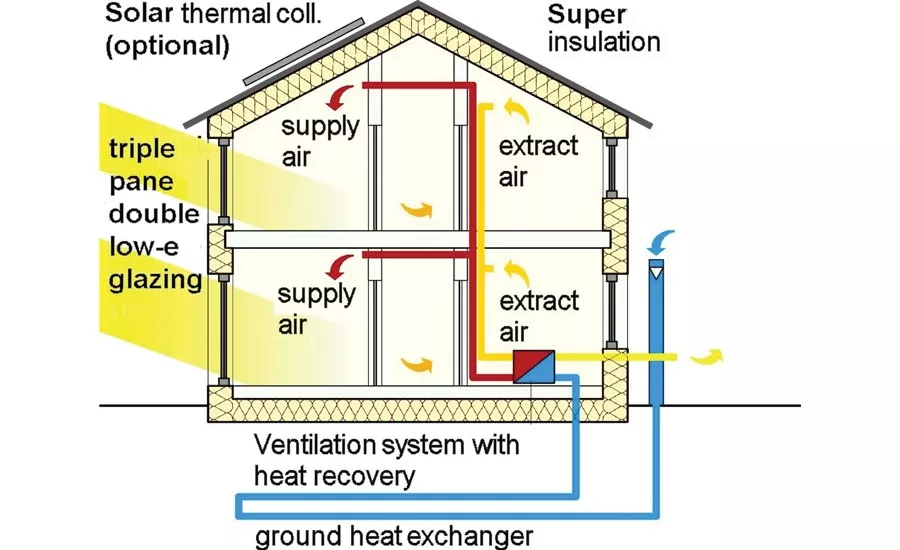
Credit: gmohotwater.com
Principles Of Passive Solar Heating
Passive solar heating uses the sun’s energy to warm buildings naturally. It does not need machines or fuel.
This system captures sunlight, stores heat, and spreads warmth inside the home.
Solar Energy Capture
Solar energy capture is the first step in passive solar heating. It collects sunlight through windows or walls.
South-facing windows usually gather the most sunlight in the northern hemisphere. Dark surfaces inside absorb the light.
- Windows let sunlight enter the building
- Dark floors and walls absorb solar heat
- Sunlight heats the building during the day
Heat Storage Methods
Heat storage keeps warmth inside after the sun goes down. Materials absorb heat and release it slowly.
Common storage materials are concrete, brick, or water. These hold heat well and keep rooms warm longer.
- Concrete floors or walls store heat
- Water tanks hold and release warmth
- Thermal mass balances indoor temperature
Heat Distribution Techniques
Heat distribution moves stored warmth throughout the building. It helps keep all rooms cozy.
Warm air can travel by natural airflow or through materials that conduct heat. Good design spreads heat evenly.
- Natural airflow circulates warm air
- Walls and floors conduct heat to rooms
- Vents or openings help move air gently
Key Components Of The System
A passive solar heating system uses the sun’s energy to warm a building. It works without fans or pumps. The system has a few important parts that help collect and store heat.
Each part plays a role in keeping the building warm during cold weather. Understanding these parts helps you see how the system saves energy.
South-facing Windows
South-facing windows let sunlight enter the building. They capture the sun’s heat during the day. The best windows face true south to get the most light.
These windows should be large enough to collect heat but well-made to avoid losing heat at night.
Thermal Mass Materials
Thermal mass materials absorb heat from sunlight during the day. They store this heat and release it slowly when it gets cooler.
Common materials include concrete, brick, and stone. These materials help keep indoor temperatures steady.
- Absorb heat in the daytime
- Release heat during the night
- Reduce temperature swings
Insulation And Air Sealing
Insulation keeps the heat inside the building. It stops warm air from escaping. Good air sealing blocks drafts and cold air leaks.
Together, insulation and air sealing help the system work efficiently by holding heat indoors for longer periods.
Design Strategies For Efficiency
Passive solar heating uses the sun’s energy to warm buildings. This system needs smart design to work well all year.
Good design lowers heating costs and keeps indoor spaces comfortable. Key strategies focus on how the building uses sunlight and air flow.
Building Orientation
The direction a building faces affects how much sunlight it gets. South-facing walls get the most sun in the northern hemisphere.
Position your building to maximize sun exposure in winter and reduce it in summer. This helps keep heat inside when it is cold.
- Face main living areas south
- Limit windows on the north side
- Use thermal mass on sunlit walls
- Avoid shadows from trees or buildings
Window Placement And Size
Windows let sunlight into the building. Larger windows on the south side capture more heat in winter.
Use smaller windows on the north side to reduce heat loss. Place windows where sunlight can warm floors and walls inside.
- Use double or triple glazing for better insulation
- Place windows to allow sunlight deep inside
- Balance window size for light and heat gain
- Avoid large windows on east and west sides
Shading And Ventilation
Shading blocks too much sun in summer to keep buildings cool. Proper ventilation helps remove hot air and bring in fresh air.
Use shading devices like overhangs or trees to block high summer sun. Ventilate spaces to avoid overheating and improve air quality.
- Install roof overhangs sized for summer sun angle
- Plant deciduous trees for seasonal shading
- Use vents or windows to create air flow
- Open windows at night to cool the building
Types Of Passive Solar Heating Systems
Passive solar heating uses the sun’s energy to warm buildings without machines. It saves energy by using natural heat sources.
There are three main types of passive solar heating systems. Each type uses sunlight differently to heat indoor spaces.
Direct Gain Systems
Direct gain systems let sunlight enter a room through windows. The sunlight heats the floor and walls inside directly.
The heated surfaces store the heat and release it slowly. This keeps the room warm even when the sun goes down.
- Sunlight passes through south-facing windows
- Floors and walls absorb and store heat
- Heat radiates into the room over time
- Simple and cost-effective design
Indirect Gain Systems
Indirect gain systems collect heat in a special wall or surface first. Then, the heat moves slowly into the living space.
A common example is a Trombe wall. It is a dark wall behind glass that absorbs sunlight and warms up.
- Heat is absorbed by a wall or floor behind glass
- Warmth moves through the wall into the room
- Heat release happens over many hours
- Keeps indoor temperature steady
Isolated Gain Systems
Isolated gain systems heat a separate space first. The warm air or heat then flows into the main room.
Sunrooms or solar greenhouses often act as isolated gain areas. They collect heat and share it with the house.
- Sun heats a separate room or space
- Warm air moves to the main living area
- Can use vents or fans to move heat
- Good for adding heat without big changes
Benefits Of Passive Solar Heating
Passive solar heating uses sunlight to warm homes naturally. It reduces the need for traditional heating systems.
This method saves energy, helps the environment, and lowers heating costs.
Energy Savings
Passive solar heating cuts down on electricity and fuel use. It absorbs and stores heat through windows and walls.
- Uses sunlight instead of electricity or gas
- Keeps homes warm with natural heat
- Reduces energy bills in colder months
- Requires little maintenance or extra power
Environmental Impact
Using passive solar heating lowers carbon emissions. It helps fight climate change by reducing fossil fuel use.
| Impact | Passive Solar Heating | Traditional Heating |
|---|---|---|
| Carbon Emissions | Low | High |
| Energy Source | Renewable (Sunlight) | Non-renewable (Gas/Electricity) |
| Air Quality | Improves | May Pollute |
Cost Effectiveness
Passive solar systems lower heating costs over time. They use simple building designs to save money.
- Reduces monthly heating bills
- Has low installation and upkeep costs
- Increases property value by improving energy efficiency
Common Challenges And Solutions
Passive solar heating systems use sunlight to warm buildings naturally. They save energy but face some common challenges. Understanding these issues helps keep the system efficient.
This article explains three main challenges: overheating control, heat loss prevention, and maintenance tips. Each section offers practical solutions.
Overheating Control
Too much heat can make rooms uncomfortable in sunny weather. Managing this heat is important to keep indoor temperatures balanced.
- Use shading devices like blinds or awnings to block excess sunlight.
- Install operable vents or windows to let hot air escape.
- Apply reflective films on glass to reduce heat gain.
- Plant deciduous trees outside windows for natural shade in summer.
Heat Loss Prevention
Heat can escape during cold nights or cloudy days. Reducing heat loss keeps the home warm and cuts energy costs.
| Method | Description |
| Insulation | Use thick insulation in walls and roof to trap heat inside. |
| Thermal Curtains | Close curtains at night to keep warmth from escaping through windows. |
| Double-Glazed Windows | Install windows with two glass layers to reduce heat transfer. |
| Seal Gaps | Fix cracks around doors and windows to block cold air leaks. |
Maintenance Tips
Regular upkeep ensures the system works well. Neglecting maintenance can cause problems and lower efficiency.
- Clean solar collectors and windows to maximize sunlight absorption.
- Check for cracks or damage in walls and glazing materials.
- Inspect vents and seals to ensure proper airflow and airtightness.
- Trim nearby trees or plants that may block sunlight.
- Schedule annual professional inspections to spot hidden issues early.
Integrating Passive Solar Heating In Modern Homes
Passive solar heating uses sunlight to warm a house naturally. It saves energy by reducing heating needs.
Modern homes can use passive solar systems in many ways. Planning is key for good results.
Retrofit Options
Older homes can add passive solar heating without full remodeling. Simple changes help capture sunlight.
Adding south-facing windows and thermal curtains improves heat gain. Using thermal mass stores warmth for night.
- Install larger windows on south walls
- Use heavy curtains to keep heat inside
- Add stone or brick floors to store heat
- Seal drafts to keep warm air inside
New Construction Considerations
Building a new home allows full design for passive solar heating. This improves energy use and comfort.
Design should focus on window placement, insulation, and thermal mass. Roof overhangs help control sunlight in summer.
- Place most windows facing south
- Use high-quality insulation in walls and roof
- Add floors or walls that absorb heat
- Design roof eaves to block summer sun
Combining With Other Technologies
Passive solar heating works well with other home heating systems. It reduces energy use and keeps rooms warm.
Pairing with solar panels or efficient heaters improves comfort. Smart thermostats help manage temperature easily.
- Use solar electric panels for power needs
- Add a backup heater for cold days
- Install smart thermostats for control
- Use ceiling fans to spread warm air
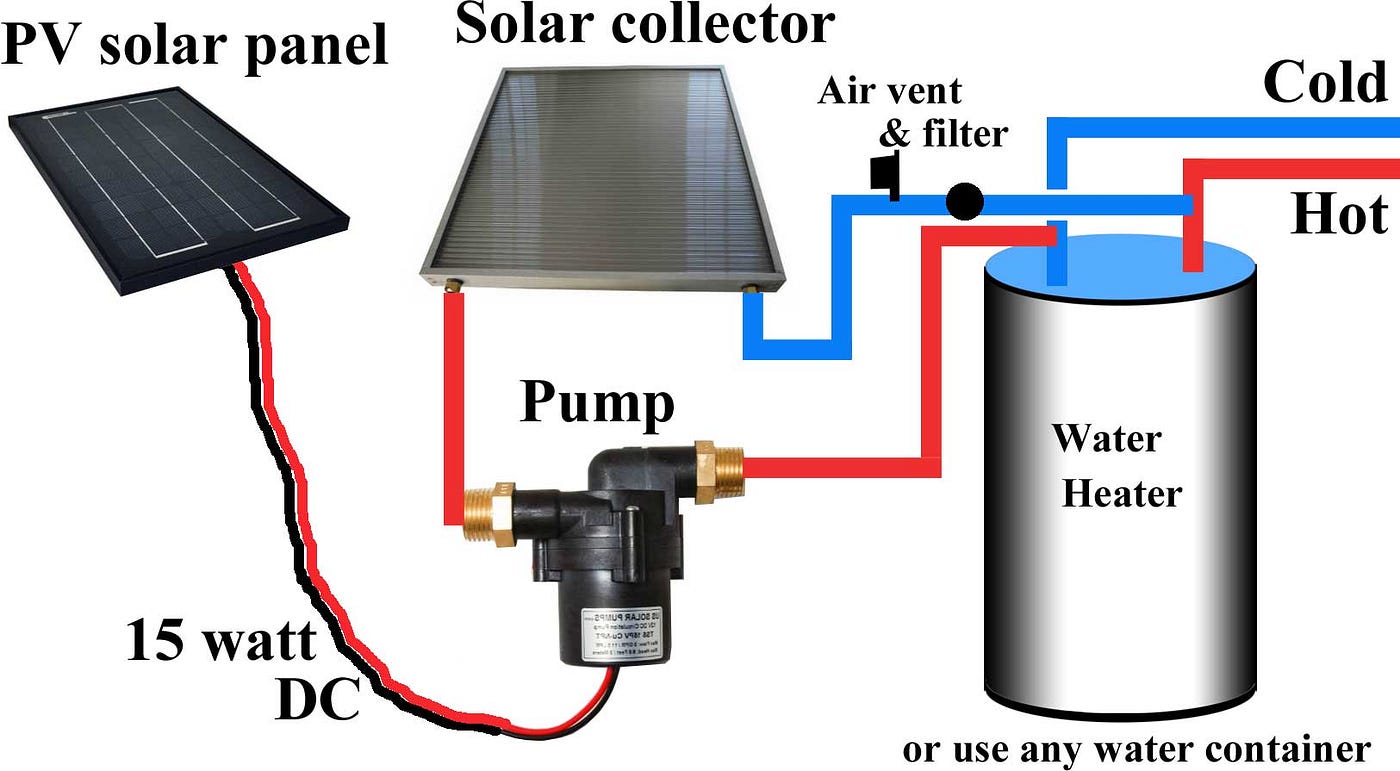
Credit: medium.com

Credit: www.researchgate.net
Frequently Asked Questions
What Is Passive Solar Heating?
Passive solar heating uses the sun’s energy to naturally heat spaces. It involves strategic design elements like windows and materials that absorb and store heat. This system reduces reliance on conventional heating methods, making it energy-efficient and environmentally friendly.
How Do Passive Solar Systems Save Energy?
Passive solar systems capture and store solar energy, reducing the need for conventional heating. They use design features like south-facing windows and thermal mass materials. This allows homes to maintain comfortable temperatures with minimal energy use.
What Materials Are Used In Passive Solar Heating?
Materials like concrete, brick, and stone are commonly used in passive solar heating. These materials have high thermal mass, allowing them to absorb, store, and release heat. Their properties help regulate indoor temperatures efficiently.
Do Passive Solar Systems Work In Cold Climates?
Yes, passive solar systems can work in cold climates. Proper design and insulation are crucial for effectiveness. South-facing windows and thermal mass materials help capture and retain heat even in colder environments.
Conclusion
A passive solar heating system uses the sun’s energy to warm your home naturally. It captures sunlight through windows and stores heat in walls or floors. This method saves money by cutting down on electricity or fuel use. It also helps reduce pollution.
Simple design and little maintenance make it a smart choice. Understanding how it works can help you decide if it fits your needs. A quiet, eco-friendly way to stay warm. Worth thinking about for your next home project.