Have you ever wondered how plants make their own food without going to a kitchen? It’s a fascinating process that happens right inside their leaves.
Understanding how a plant makes food can help you appreciate the green world around you even more. You’ll discover the simple yet incredible steps plants take to turn sunlight, water, and air into the energy they need to grow and thrive.
Keep reading, and you’ll see nature’s magic unfold right before your eyes!

Credit: karstennursery.com
Photosynthesis Basics
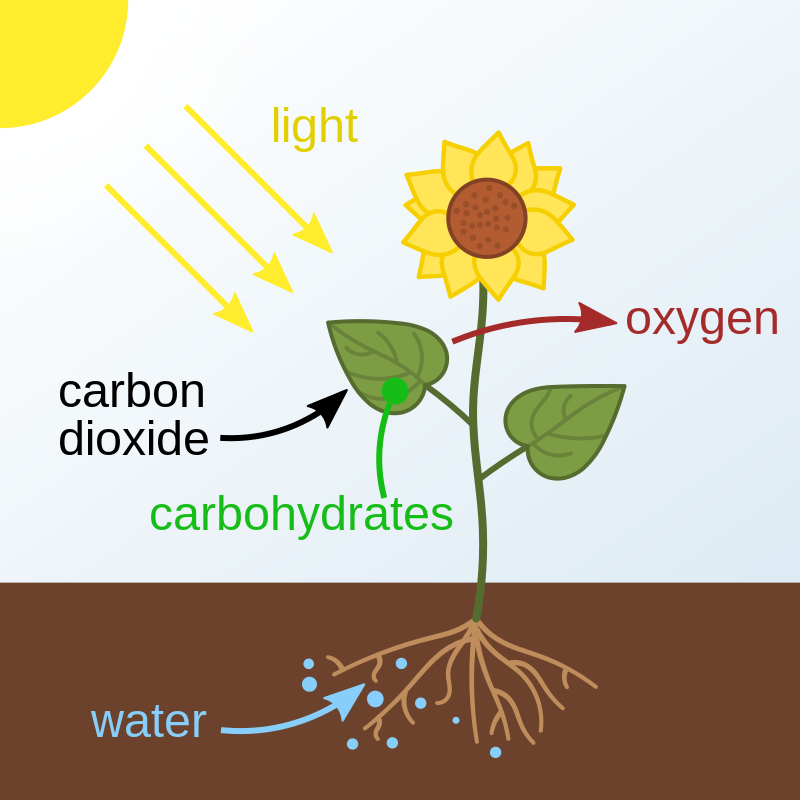
Plants make their own food using a process called photosynthesis. This process changes light into energy plants can use.
Photosynthesis happens mainly in the leaves. It needs sunlight, water, and carbon dioxide to work.
Role Of Chlorophyll
Chlorophyll is a green pigment found in leaves. It helps plants capture sunlight for food making.
This pigment absorbs light energy and starts the photosynthesis process. It gives leaves their green color.
Light Absorption
Leaves absorb sunlight using chlorophyll. This light energy is needed to make food.
Light breaks water into oxygen and hydrogen. Oxygen leaves the plant, and hydrogen helps create food.
- Sunlight is the energy source
- Chlorophyll captures light
- Energy splits water molecules
- Oxygen is released into the air
Carbon Dioxide Intake
Plants take in carbon dioxide from the air. They do this through small holes called stomata.
Carbon dioxide combines with water to form glucose. Glucose is the food plants use to grow and live.
The Photosynthesis Process
Plants make food through a process called photosynthesis. They use sunlight, water, and carbon dioxide to create energy. This process happens in two main parts.
Photosynthesis helps plants grow and gives us oxygen to breathe. Let’s look at how it works step by step.
Light-dependent Reactions
Light-dependent reactions happen in the leaves when sunlight hits the chlorophyll. This energy splits water molecules into hydrogen and oxygen. The plant uses the energy to make molecules called ATP and NADPH. These molecules store energy for the next stage.
- Sunlight excites chlorophyll
- Water splits into hydrogen and oxygen
- Oxygen is released outside the plant
- ATP and NADPH carry energy forward
Calvin Cycle
The Calvin Cycle uses ATP and NADPH from the light reactions. It takes in carbon dioxide from the air. The cycle changes carbon dioxide into glucose, a type of sugar. This sugar is the plant’s food and energy source.
| Input | Output |
| Carbon dioxide (CO₂) | Glucose (C₆H₁₂O₆) |
| ATP | ADP + Energy |
| NADPH | NADP⁺ + Hydrogen |
Oxygen Release
Oxygen is a byproduct of photosynthesis. It comes from splitting water during the light-dependent reactions. Plants release oxygen into the air through tiny openings called stomata. This oxygen is vital for animals and humans to breathe.
- Keep air fresh
- Support animal life
- Balance the ecosystem
Key Components Involved
Plants make their food through a process called photosynthesis. This process involves several key components that work together.
Understanding these components helps us learn how plants produce energy and oxygen.
Chloroplast Structure
Chloroplasts are the parts of the plant cell where photosynthesis happens. They contain a green pigment called chlorophyll.
| Part | Function |
| Thylakoid | Captures sunlight |
| Stroma | Converts light to energy |
Water’s Role
Water is crucial for photosynthesis. It enters the plant through roots and travels to the leaves.
- Roots absorb water from soil
- Water moves through stem
- Water reaches leaves and splits
Sunlight As Energy Source
Sunlight provides the energy plants need to make food. Chlorophyll absorbs sunlight in the chloroplasts.
Factors Affecting Food Production
Plants need many things to make food. The process depends on light, carbon dioxide, and temperature. These factors help plants grow and make energy.
Understanding these factors shows how plants make food better. Each factor plays a big role in the plant’s health and food output.
Light Intensity
Light provides energy for photosynthesis. When light is low, plants make less food. Bright light helps plants grow fast. But too much light can harm leaves.
- Low light slows photosynthesis
- Moderate light increases food production
- Excess light can damage plant cells
Carbon Dioxide Levels
Carbon dioxide is a raw material for photosynthesis. More carbon dioxide means plants can make more food. If levels drop, food production slows down.
| CO2 Level (ppm) | Effect on Food Production |
| Below 200 | Very low photosynthesis |
| 200 – 400 | Normal food production |
| Above 400 | Increased food production |
Temperature Impact
Temperature controls enzyme activity in plants. Cool temperatures slow down food making. Warm temperatures speed it up. Too hot or too cold stops the process.
Temperature Effects:
- Below 10°C: Photosynthesis slows
- 20°C to 30°C: Ideal temperature range
- Above 35°C: Enzymes get damaged
Importance Of Plant Food
Plants make their own food through photosynthesis. This food is vital for their survival. It also supports many other life forms on Earth.
Understanding the importance of plant food helps us see how nature works. It shows why plants are key to life on our planet.
Energy For Growth
Plant food provides energy needed for growth. This energy helps plants build leaves, stems, and roots. Without it, plants cannot survive or reproduce.
Support For Ecosystems
Plants are the base of many ecosystems. Their food supports animals and insects. These living things depend on plants for energy and shelter.
- Plants produce oxygen through photosynthesis.
- Animals eat plants to get energy.
- Decomposers break down dead plants, enriching the soil.
- Plants create habitats for various species.
Human Benefits
Humans rely on plants for food, medicine, and materials. Plant food fuels crops that feed people worldwide. It also supports industries like paper and clothing.
| Benefit | Example |
| Food | Fruits, vegetables, grains |
| Medicine | Herbs and plant extracts |
| Materials | Wood, fibers, oils |

Credit: sizzlekidz.com

Credit: askabiologist.asu.edu
Frequently Asked Questions
What Process Do Plants Use To Make Food?
Plants make food through photosynthesis, a process using sunlight, water, and carbon dioxide. Chlorophyll in leaves captures sunlight, converting it to energy, which turns carbon dioxide and water into glucose and oxygen.
Why Is Sunlight Important For Plant Food Production?
Sunlight provides the energy plants need for photosynthesis. Without sunlight, plants cannot convert carbon dioxide and water into glucose, the primary source of energy and growth.
How Do Leaves Contribute To Food Making In Plants?
Leaves contain chlorophyll, which absorbs sunlight. They also have stomata that allow carbon dioxide to enter. Together, these enable photosynthesis to produce food for the plant.
What Role Does Water Play In Plant Food Synthesis?
Water is essential for photosynthesis. It supplies electrons and hydrogen atoms, helping convert carbon dioxide into glucose while releasing oxygen as a byproduct.
Conclusion
Plants make food using sunlight, water, and air. They turn these into energy through photosynthesis. Leaves capture sunlight, roots absorb water, and air provides carbon dioxide. This process keeps plants alive and helps other living things. Understanding how plants make food shows nature’s smart design.
It also reminds us to care for plants and the environment. Simple, yet powerful. Plants feed the world, one leaf at a time.