Ever gazed into your pond and noticed the layer of muck settling at the bottom? You’re not alone.
Every pond owner faces the challenge of keeping their aquatic haven clean and clear. A pond vacuum might just be the solution you need. But how does it work, and more importantly, how can it transform your pond maintenance routine?
Imagine having a pristine pond without the backbreaking labor of manual cleaning. You’ll uncover the secrets behind pond vacuums and how they can save you time and effort, leaving you more moments to enjoy the tranquil beauty of your water garden. Ready to dive in and discover the magic? Keep reading.
Pond Vacuum Basics
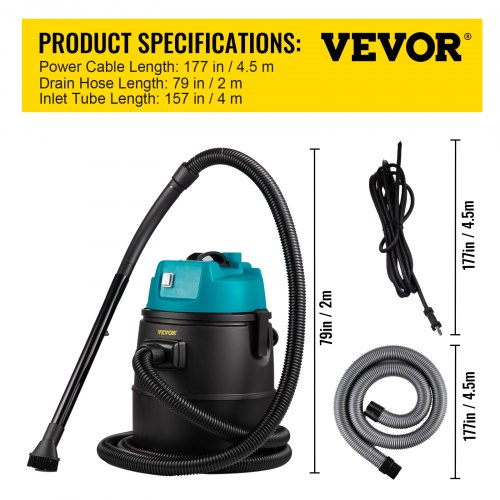
A pond vacuum helps keep your pond clean by removing dirt and debris. It works by sucking up waste from the pond floor, making water clear and healthy. Understanding the basics of a pond vacuum helps you choose the right tool and use it well.
Types Of Pond Vacuums
- Manual Vacuums:Handheld devices that require you to move the vacuum around the pond.
- Electric Vacuums:Powered by electricity, they offer strong suction and ease of use.
- Battery-Powered Vacuums:Cordless and portable, suitable for small to medium ponds.
- Pressure Vacuums:Use water pressure to clean, often connected to garden hoses.
Key Components
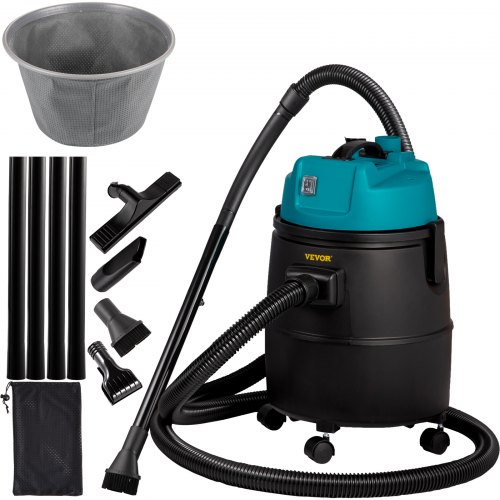
- Suction Head:The part that collects debris from the pond bottom.
- Hose:Connects the suction head to the collection container or filter.
- Collection Bag or Tank:Holds the debris and sludge removed from the pond.
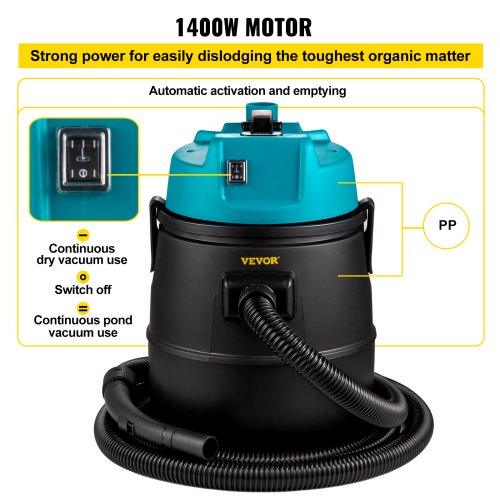
- Motor or Pump:Creates the suction force needed to lift dirt and debris.
How They Operate
The motor or pump starts the suction process. This draws water and debris through the suction head. The hose carries the waste to the collection bag or tank. Clean water flows back into the pond or drains away. You move the vacuum slowly to cover all pond areas. This removes sludge, algae, and leaves effectively.
Benefits Of Using A Pond Vacuum
Using a pond vacuum offers more than just a cleaner pond surface. It actively enhances the overall health of your pond ecosystem. By removing debris, sludge, and excess organic matter, you create a better environment for aquatic life to thrive.
Improved Water Quality
A pond vacuum helps clear out dirt and organic waste that cloud your water. This leads to clearer, fresher water that’s more enjoyable to look at and safer for your pond inhabitants. You’ll notice fewer odors and less buildup of harmful substances, making your pond a healthier space.
Have you ever struggled with murky water that just won’t clear up? A pond vacuum tackles the root cause instead of just masking the problem.
Reduced Algae Growth
Algae feed on nutrients found in pond sludge and decaying matter. By regularly vacuuming your pond, you remove these nutrient sources, which helps keep algae blooms under control. This means less green water and fewer headaches for you.
Imagine spending less time battling algae and more time enjoying your pond’s natural beauty. Isn’t that a win?
Healthier Fish And Plants
Debris and sludge can reduce oxygen levels and release harmful gases in your pond. Using a pond vacuum prevents these issues, creating a safer habitat for your fish and plants. Healthier water conditions mean your aquatic life can grow and flourish without stress.
Have you noticed your fish acting sluggish or your plants looking dull? Cleaning with a pond vacuum can make a noticeable difference in their vitality.
Choosing The Right Pond Vacuum
Choosing the right pond vacuum makes cleaning easier and more effective. The right model fits your pond size and the type of debris you face. Consider factors like size, power source, and special features. These choices affect how well the vacuum performs and how simple it is to use.
Size And Capacity
Pick a vacuum that matches your pond’s size. Small ponds need compact vacuums with less capacity. Large ponds require bigger models that hold more debris. A large capacity means fewer stops to empty the container. Check the hose length, too. It should reach all pond areas without hassle.
Power Source Options
Pond vacuums use different power sources. Electric models offer strong suction and constant power. Battery-powered vacuums provide freedom from cords but may have limited run time. Gas-powered vacuums work well for very large ponds but can be noisy and require more maintenance. Choose a power source that suits your pond size and convenience needs.
Special Features To Consider
- Adjustable suction settings for delicate plants and fish
- Built-in filters to trap fine debris
- Lightweight design for easy handling
- Attachments like brushes or nozzles for different surfaces
- Easy-to-empty debris containers
These features improve cleaning efficiency and protect your pond’s ecosystem. They also make the vacuum easier to use and maintain. Consider which features matter most for your pond’s needs.
Step-by-step Cleaning Process
Cleaning a pond with a vacuum is simple and effective. Understanding the process helps keep your pond clear and healthy. The vacuum removes dirt, leaves, and sludge from the bottom and sides. Follow these clear steps to get the best results.
Preparing The Pond
Remove large debris like branches and trash by hand. Check the vacuum and hoses for any damage or blockages. Position the vacuum near the pond edge for easy access. Turn off any pond pumps or filters before starting. Gather a bucket or container to hold the collected debris.
Operating The Vacuum
Place the vacuum head gently on the pond floor. Move it slowly to avoid stirring up too much sediment. Use steady, smooth strokes to collect debris efficiently. Watch the debris container and empty it when full. Keep the vacuum running until the pond looks clear and clean.
Disposing Of Debris
Turn off the vacuum and disconnect it carefully. Empty the debris from the container into a compost bin or trash bag. Avoid dumping debris back into the pond. Clean the vacuum parts with fresh water to prevent clogging. Store the vacuum in a dry place for the next use.
Maintenance Tips For Longevity
Keeping your pond vacuum in top shape ensures it works efficiently year after year. Simple maintenance habits can prevent costly repairs and extend the life of your equipment. Are you ready to learn how small efforts can make a big difference?
Cleaning The Vacuum
After each use, clear out debris from the vacuum’s filter and hose. Stuck leaves and sludge can reduce suction power and strain the motor. Rinse parts with clean water and avoid harsh chemicals that might damage seals or plastic components.
Take time to check the brush or nozzle area for tangled weeds or dirt buildup. It’s easy to overlook these spots, but keeping them clean helps your vacuum glide smoothly across the pond bottom.
Storage Recommendations
Store your pond vacuum in a dry, shaded place to prevent rust and UV damage. Leaving it out in the sun or rain can degrade hoses and cause electrical issues. If possible, hang hoses to avoid kinks and store smaller parts in labeled containers.
During winter, drain all water from the vacuum and hoses to avoid freezing damage. Have you noticed how a little extra care before storage can save you headaches come spring?
Troubleshooting Common Issues
If your vacuum loses suction or stops working, start by checking for clogs in the hose or filter. Blockages are the most common culprits and are easy to fix. Also, inspect the power cord for damage and ensure all connections are secure.
Sometimes, the motor may overheat if the vacuum runs too long. Give it breaks during extended cleaning sessions to prevent burnout. Have you ever ignored a small problem only to face a bigger repair later?
Credit: www.vevor.ca
Safety Precautions
Using a pond vacuum requires careful attention to safety. This protects you, the aquatic life, and the equipment. Following key safety steps reduces risks and keeps the cleaning process smooth.
Handling Electrical Components
Always check the power cord for damage before use. Use a ground fault circuit interrupter (GFCI) outlet to prevent electric shocks. Keep all electrical connections dry and off the ground. Never touch the vacuum with wet hands while it is plugged in.
Protecting Aquatic Life
Turn off the vacuum near fish or plants to avoid harm. Avoid disturbing nesting areas or fragile plants. Use gentle suction settings to protect small creatures. Remove debris carefully to prevent water contamination.
Personal Safety Measures
Wear gloves to protect your hands from sharp objects. Use waterproof boots to keep feet dry and safe. Avoid bending too much to reduce back strain. Work in daylight or well-lit areas for better visibility.
Alternative Pond Cleaning Methods
Alternative pond cleaning methods offer simple ways to keep your pond clear and healthy. These methods help remove debris and improve water quality without complex tools. They are useful for small ponds or those with light debris.
Manual Skimming
Manual skimming involves using a net to remove leaves and floating debris. It is a quick way to clean the pond surface. Skimming prevents debris from sinking and rotting at the bottom. It also reduces algae growth by removing nutrients.
Biological Filters
Biological filters use beneficial bacteria to break down waste in the water. These filters improve water clarity and reduce harmful toxins. They work naturally and support a balanced pond ecosystem. Installing biological filters helps maintain clean and healthy water.
Water Treatments
Water treatments include adding chemicals or natural products to control algae and bacteria. Treatments help clear cloudy water and reduce odors. Choose safe products designed for ponds to protect fish and plants. Regular water treatments can keep ponds fresh and clear.

Credit: www.reddit.com
Credit: www.vevor.ca
Frequently Asked Questions
What Is The Main Function Of A Pond Vacuum?
A pond vacuum removes debris, sludge, and algae from pond floors. It helps maintain clear water and promotes a healthy pond ecosystem by preventing buildup that harms aquatic life.
How Does A Pond Vacuum Remove Sludge?
A pond vacuum uses suction to lift sludge and debris from the pond bottom. The collected waste is stored in a filter or bag for easy disposal, keeping the pond clean and clear.
Can Pond Vacuums Improve Water Quality?
Yes, pond vacuums improve water quality by removing organic waste. This reduces harmful bacteria and excess nutrients that cause algae blooms and poor water clarity in ponds.
Are Pond Vacuums Safe For Fish And Plants?
Most pond vacuums are designed to be safe for fish and plants. They gently remove debris without harming aquatic life, helping maintain a balanced and healthy pond environment.
Conclusion
A pond vacuum helps keep water clean and clear. It removes dirt, leaves, and sludge from the bottom. This makes the pond healthier for fish and plants. Using a pond vacuum saves time and effort in cleaning. It also helps prevent algae growth and bad odors.
Regular vacuuming keeps your pond looking nice all year. Choose the right vacuum to fit your pond size and needs. With simple steps, you can maintain a beautiful, clean pond easily. Clean water means a happy pond environment.