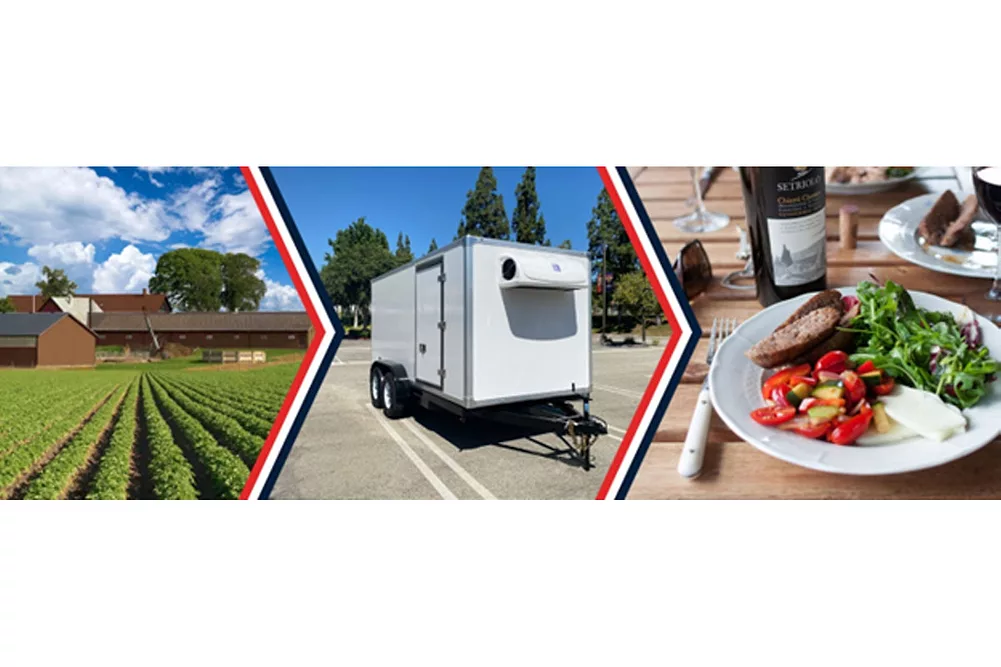
Have you ever wondered how your favorite frozen foods make it to the grocery store in perfect condition? Or how fresh produce stays crisp during long hauls across the country?
The answer lies in the marvel of refrigerated trailers. These mobile cooling units are essential for transporting perishable goods, ensuring they remain fresh and safe to consume. Understanding how a refrigerated trailer works can give you a fascinating glimpse into the journey your food takes before it reaches your plate.
We’ll uncover the secrets behind these temperature-controlled trailers, breaking down their components and processes in a way that’s easy for you to grasp. Stay with us, and you’ll gain insights that could change how you think about the food supply chain.

Credit: emeraldtransportationsolutions.com
Basics Of Refrigerated Trailers
Understanding the basics of refrigerated trailers is essential if you want to keep goods fresh during transportation. These trailers are designed to maintain specific temperatures, ensuring perishables like food, flowers, and pharmaceuticals arrive in perfect condition. Knowing how they work can help you choose the right equipment and manage your logistics more efficiently.
Key Components
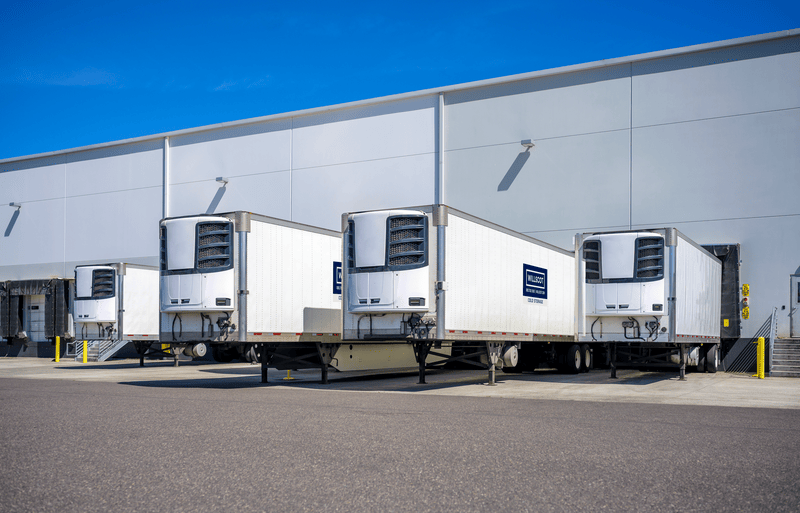
A refrigerated trailer relies on several vital parts to keep the interior cool and controlled. The refrigeration unit is the heart of the system, typically mounted on the front of the trailer. It uses a compressor, condenser, and evaporator to cycle refrigerant and remove heat from the cargo space.
Insulation is another crucial element. Thick walls and floors reduce heat exchange with the outside environment, making it easier to maintain the target temperature. Doors and seals must be tight to prevent warm air from entering and cold air from escaping.
Temperature control systems let you monitor and adjust the internal climate. Modern trailers often include digital thermostats and remote monitoring options, so you can keep an eye on your shipment’s condition in real-time. Have you ever lost a shipment because the temperature wasn’t right? These features can save you from costly damage.
Types Of Refrigerated Trailers
There are different types of refrigerated trailers designed for various needs and cargo types. The most common is the single-temperature trailer, which maintains one consistent temperature throughout the cargo area. This works well for goods that need a steady cold environment, like frozen foods.
For shipments requiring multiple temperature zones, multi-temperature trailerscome with separate compartments, each controlled independently. This setup is perfect if you’re transporting different products that need distinct conditions in the same trip.
Another variant is the reefer container, which is often used in intermodal transport and can be transferred easily between trucks, ships, and trains. Their versatility makes them a popular choice for long-haul international shipments.
Cooling Mechanisms
Understanding the cooling mechanisms inside a refrigerated trailer is key to appreciating how your perishable goods stay fresh during transport. These trailers rely on precise engineering to maintain a consistent low temperature, regardless of the outside heat. Let’s break down the core process that makes this possible and the materials involved.
Refrigeration Cycle
The refrigeration cycle is the heart of how a refrigerated trailer cools its interior. It works by circulating a refrigerant through a series of components that absorb and release heat.
First, the refrigerant absorbs heat from inside the trailer, turning from a low-pressure gas into a high-pressure gas. Then, it moves to the condenser, where it releases the heat outside and becomes a liquid again. This cycle repeats continuously, keeping your cargo cool.
Have you noticed how your fridge at home hums when cooling? The trailer uses the same principle but on a much larger scale, designed to withstand long hauls and varying climates.
Common Refrigerants Used
Choosing the right refrigerant is crucial for efficient cooling and environmental safety. Refrigerants must effectively absorb heat without harming the ozone layer or contributing excessively to global warming.
- R-134a:Widely used for its stability and low toxicity, ideal for many refrigerated trailers.
- R-404A:Popular for its strong cooling power, especially in ultra-low temperature shipments.
- Natural Refrigerants (like CO2):Gaining traction due to their eco-friendly properties and excellent cooling efficiency.
Do you consider the environmental impact of the cooling systems in your logistics operations? Using greener refrigerants can reduce your carbon footprint while maintaining performance.
Temperature Control Systems
Temperature control systems keep the inside of refrigerated trailers stable. They ensure goods stay fresh and safe during transport. These systems use advanced technology to monitor and adjust temperatures precisely. Proper temperature control prevents spoilage and maintains product quality.
Thermostats And Sensors
Thermostats and sensors are the eyes and brain of the cooling system. Sensors detect the current temperature inside the trailer. They send this data to the thermostat, which compares it to the set target temperature. If the temperature is too high or too low, the thermostat triggers the cooling unit to adjust.
These components work continuously to keep the temperature steady. Some sensors also measure humidity to protect sensitive products. Accurate sensors ensure energy efficiency by avoiding overcooling or overheating.
Insulation Materials
Insulation materials form the trailer’s protective barrier. They keep cold air inside and block outside heat. Common materials include polyurethane foam and fiberglass. These materials have low thermal conductivity, meaning they resist heat flow.
Good insulation reduces energy use and enhances temperature control. It also helps maintain a consistent environment even when outside temperatures change. The thicker and denser the insulation, the better it performs.
Power Sources
Understanding the power sources behind refrigerated trailers is key to grasping how these units maintain precise temperature control on the move. The power system not only runs the cooling mechanism but also affects fuel efficiency, environmental impact, and overall reliability. Let’s look into the main types of power sources that keep these trailers cold and operational.
Diesel Engines
Diesel engines are the traditional power source for refrigerated trailers. They offer strong, consistent power, which is crucial for long hauls where maintaining temperature is a must.
These engines run a separate refrigeration unit independent of the truck’s engine. This setup means your cargo stays cold even when the truck is parked or idling.
However, diesel engines consume fuel and produce emissions, which can be costly and less environmentally friendly. If you’ve ever been near a diesel-powered trailer, you know the noise and fumes can be significant.
Electric And Hybrid Options
Electric and hybrid power sources are gaining popularity in refrigerated trailers. They reduce emissions and often operate more quietly than diesel engines.
Electric units can plug into shore power when parked, cutting fuel costs and minimizing noise. Hybrids combine electric power with a traditional engine, offering flexibility and improved fuel efficiency.
Have you considered how switching to electric or hybrid power could impact your operating costs and environmental footprint? The initial investment might be higher, but the long-term savings and benefits could outweigh it.
Loading And Unloading Techniques
Loading and unloading a refrigerated trailer involves more than just placing goods inside and closing the doors. The process requires careful planning to protect temperature-sensitive products and maintain their quality throughout transit. How you handle these steps can directly impact the freshness and safety of your cargo.
Maintaining Cold Chain
Keeping the cold chain unbroken is essential during both loading and unloading. Make sure the trailer’s refrigeration system is running and pre-cooled before you start loading. This prevents temperature spikes that could spoil your goods.
Unload quickly but carefully to avoid letting warm air enter the trailer. Every minute counts—think about how even a short delay can raise temperatures inside. Using dock shelters or cold docks can help reduce temperature fluctuations during this process.
Packaging And Handling
Packaging plays a big role in protecting items during transit. Use insulated containers or thermal blankets to add extra layers of temperature control. Proper packaging also minimizes damage from shifting during transport.
Handle products gently, especially frozen or delicate items. Avoid stacking too high to allow air circulation around the cargo. Have you noticed how careful stacking not only protects goods but also speeds up loading and unloading? Efficient handling saves you time and reduces waste.

Credit: blog.truckerguideapp.com
Maintenance And Troubleshooting
Proper maintenance keeps refrigerated trailers running smoothly. It helps avoid costly breakdowns and product loss. Troubleshooting helps spot problems early. This saves time and money. Regular care extends the trailer’s life and ensures safe transport of goods.
Routine Checks
Check the refrigeration unit before every trip. Look for leaks in the cooling system. Inspect the door seals for damage. Clean the condenser coils to improve airflow. Verify the temperature settings are correct. Test the battery and electrical connections. Monitor the fuel levels and oil condition. Ensure the trailer’s tires are properly inflated. Lubricate moving parts like hinges and locks.
Common Issues And Fixes
- Temperature Fluctuations:Check thermostat calibration. Replace faulty sensors if needed.
- Refrigerant Leaks:Locate leaks using soapy water or electronic detectors. Repair or replace damaged lines.
- Compressor Failure:Listen for unusual sounds. Test electrical components. Replace worn parts.
- Battery Drain:Inspect wiring for shorts. Charge or replace the battery.
- Door Seal Damage:Replace torn or hardened seals to maintain cooling efficiency.
- Dirty Condenser Coils:Clean coils regularly to prevent overheating.
Applications In Cold Transport
Refrigerated trailers play a crucial role in cold transport by maintaining precise temperature control for sensitive goods. This technology ensures products remain fresh, safe, and effective during transit. Understanding where these trailers are used helps you appreciate their importance in everyday life and industry.
Food Industry
In the food industry, refrigerated trailers are essential for transporting perishable items like fruits, vegetables, dairy, meat, and seafood. Keeping these products at consistent low temperatures prevents spoilage and extends shelf life. You might not realize that even your favorite ice cream or fresh produce often travels hundreds of miles in these trailers before reaching your local store.
Transport companies use specific temperature zones inside trailers to handle different food types simultaneously. For example, frozen goods require much colder temperatures than fresh vegetables. This adaptability helps reduce waste and ensures that what you buy is fresh and safe to eat.
Pharmaceuticals And Medical Supplies
Pharmaceuticals and medical supplies demand precise temperature control during transport to maintain their effectiveness. Vaccines, insulin, and other temperature-sensitive medicines often need to stay within narrow temperature ranges. If these conditions aren’t met, the medicines can lose potency, putting patients at risk.
Medical companies rely on refrigerated trailers equipped with advanced monitoring systems that alert drivers if temperatures fluctuate. This technology gives you confidence that critical medical supplies arrive safely. Have you ever wondered how vaccines remain effective even when shipped across continents? The answer lies in these specialized cold transport solutions.
Credit: www.willscot.com
Frequently Asked Questions
How Does A Refrigerated Trailer Maintain Cold Temperatures?
A refrigerated trailer uses a built-in cooling unit powered by electricity or diesel. It circulates cold air, keeping cargo at set temperatures. Insulated walls prevent heat exchange, ensuring consistent cold conditions during transport.
What Are The Main Components Of A Refrigerated Trailer?
Key components include the refrigeration unit, insulated trailer walls, temperature control system, and air circulation fans. These parts work together to preserve perishable goods by maintaining specific temperatures throughout the journey.
How Is Temperature Controlled Inside A Refrigerated Trailer?
Temperature is controlled using a thermostat linked to the refrigeration unit. Sensors monitor the internal environment, adjusting cooling output to keep the desired temperature steady and protect the cargo from spoilage.
What Types Of Goods Require Refrigerated Trailers?
Perishable items like food, pharmaceuticals, and flowers need refrigerated trailers. These trailers ensure freshness and safety by preventing spoilage during transportation with precise temperature control.
Conclusion
Refrigerated trailers keep goods cold during transport. They use a cooling system to control temperature. This helps protect food, medicine, and other items. Proper use ensures products stay fresh and safe. Understanding how they work helps with better shipping choices.
It also reduces waste and saves money. These trailers play a key role in many industries. Keeping cold items fresh is easier with them. Now you know why refrigerated trailers matter so much.